
Choosing beef at the grocery store doesn’t need to be complicated. Start with the meal you want to make, choose a cut that suits the cooking method, and use the recipes and ingredients you enjoy to build a satisfying meal.
Beef can work in quick weeknight dinners, batch-cooked lunches, soups, stews, burgers and special-occasion meals. It can also be one of many protein food choices in a varied eating pattern that includes vegetables and fruit, whole grains, beans, lentils, eggs, fish, poultry, tofu, nuts and seeds.
This guide covers how to choose beef cuts, understand ground beef labels, store beef, cook beef safely and use it in practical meals. It also shares information about how beef goes from the farm to the kitchen for readers who want to know more.

Start With the Meal You Want to Make
Not sure which beef cut to choose for tonight’s meal? Start with what you want to serve.
Whether you are making a quick stir-fry, marinating steak for the grill, preparing a comforting pot roast or cooking a roast for Sunday dinner, the right cut and cooking method can make all the difference.
Our beef cooking guides help you understand:
- Which cuts are best for grilling, marinating, roasting, braising or simmering
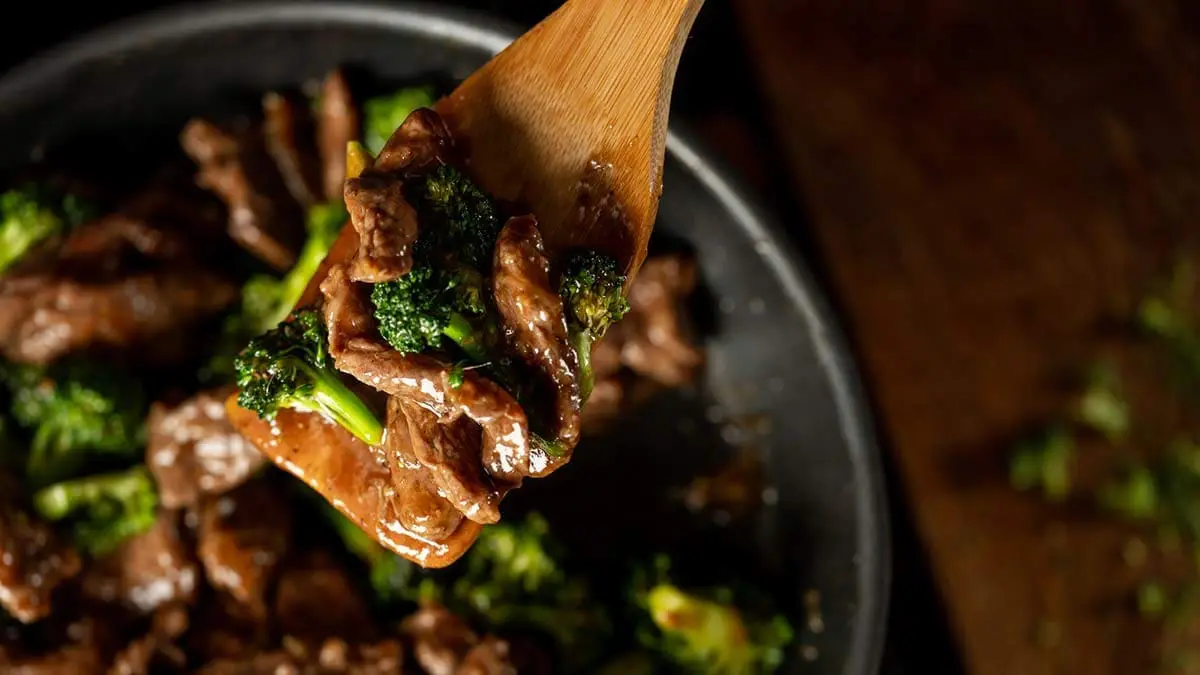
- How to make tender, flavourful stir-fries with fast-fry beef
- When to use low-and-slow cooking for cuts such as blade or cross-rib
- How to roast and rest beef for a delicious oven roast
- Simple cooking tips that build confidence in the kitchen
Start with the meal you want to make, then choose the beef cut and method that fits.
Choosing the Right Cut for Your Cooking Method
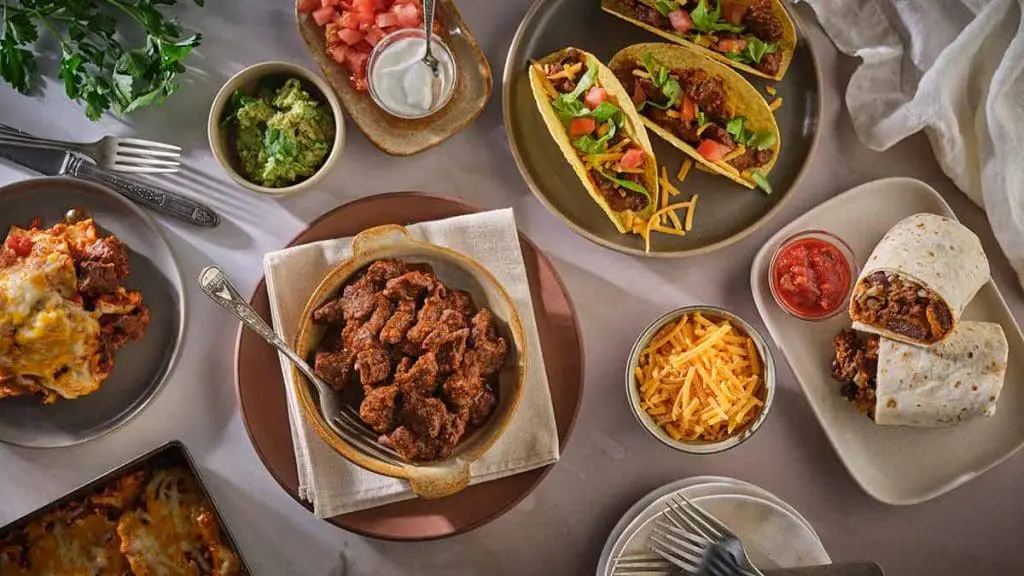
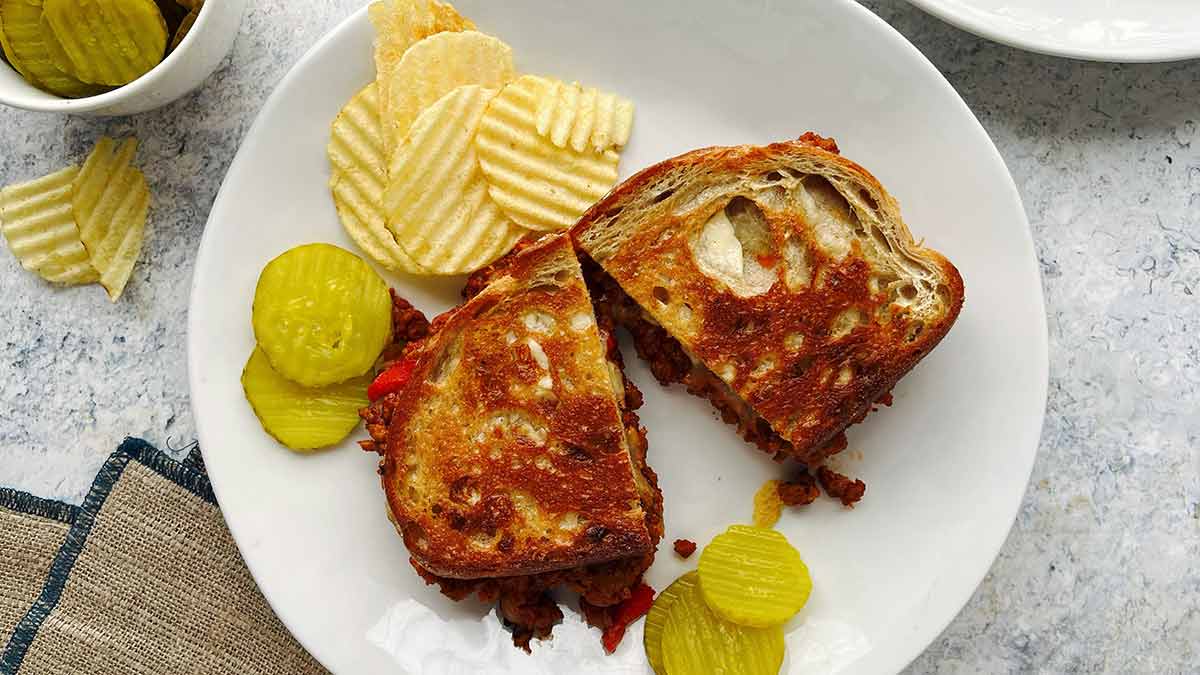
For Tacos, pasta sauce, chili, burgers, meatballs or shepherd’s pie, consider ground beef.
- Common examples: Regular, medium, lean or extra-lean ground beef.
- Cooking method: Brown in a skillet, then bake, simmer or grill as the recipe directs.
- Why it works: Ground beef is versatile, quick-cooking and easy to portion or batch-cook.
- Kitchen tip: Cook ground beef to 71°C (160°F). Use a thermometer rather than colour to check doneness.
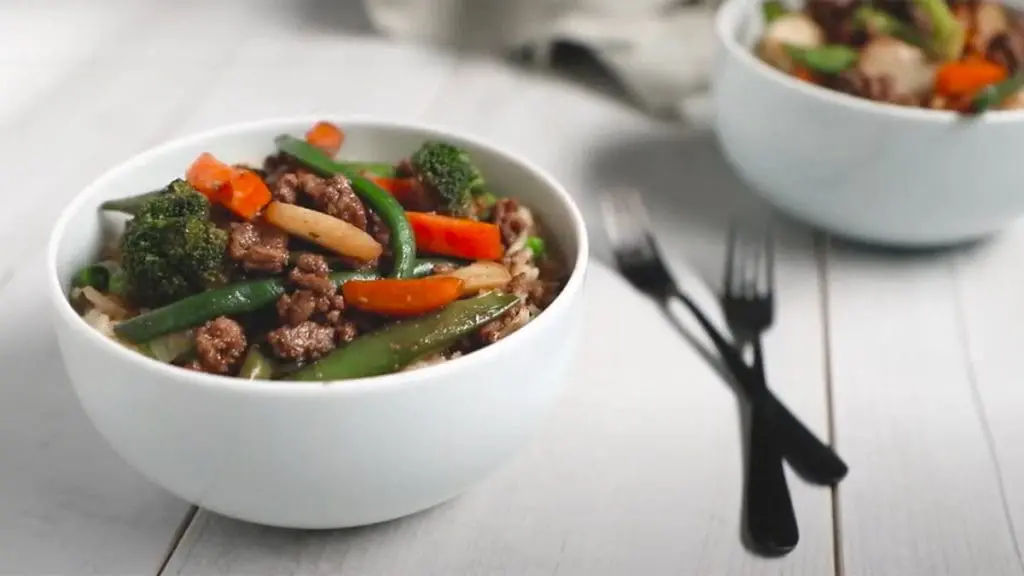
For fast weeknight stir-fries, fajitas, noodle dishes and rice bowls
- Common examples: Sirloin tip fast-fry, inside round fast-fry, striploin strips or stir-fry beef.
- Cooking method: Cook in small batches in a very hot skillet or wok.
- Why it works: Thin pieces cook quickly and develop browning without becoming tough.
- Kitchen tip: Pat the beef dry and avoid crowding the pan. Add sauce near the end so the beef browns first.
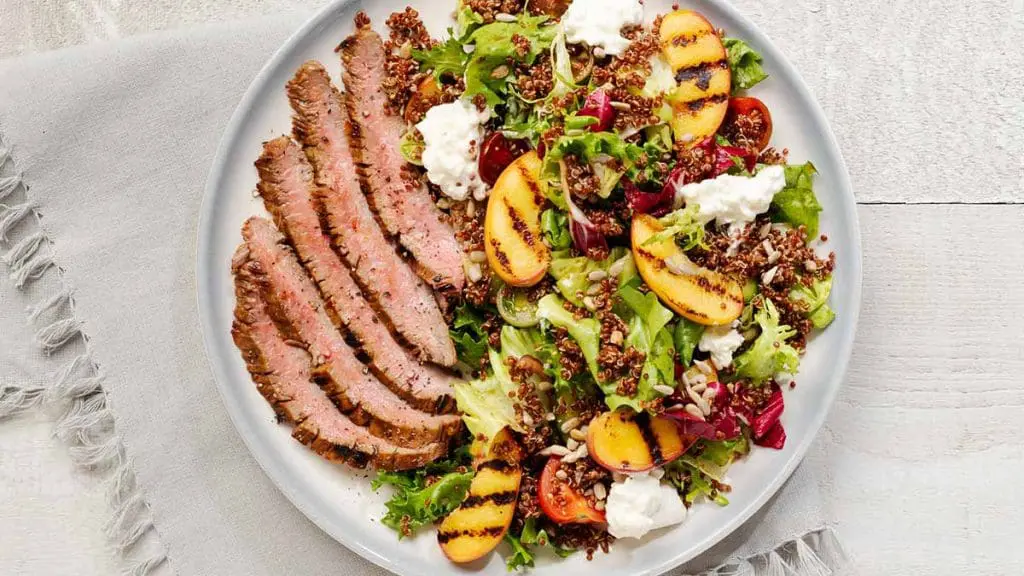
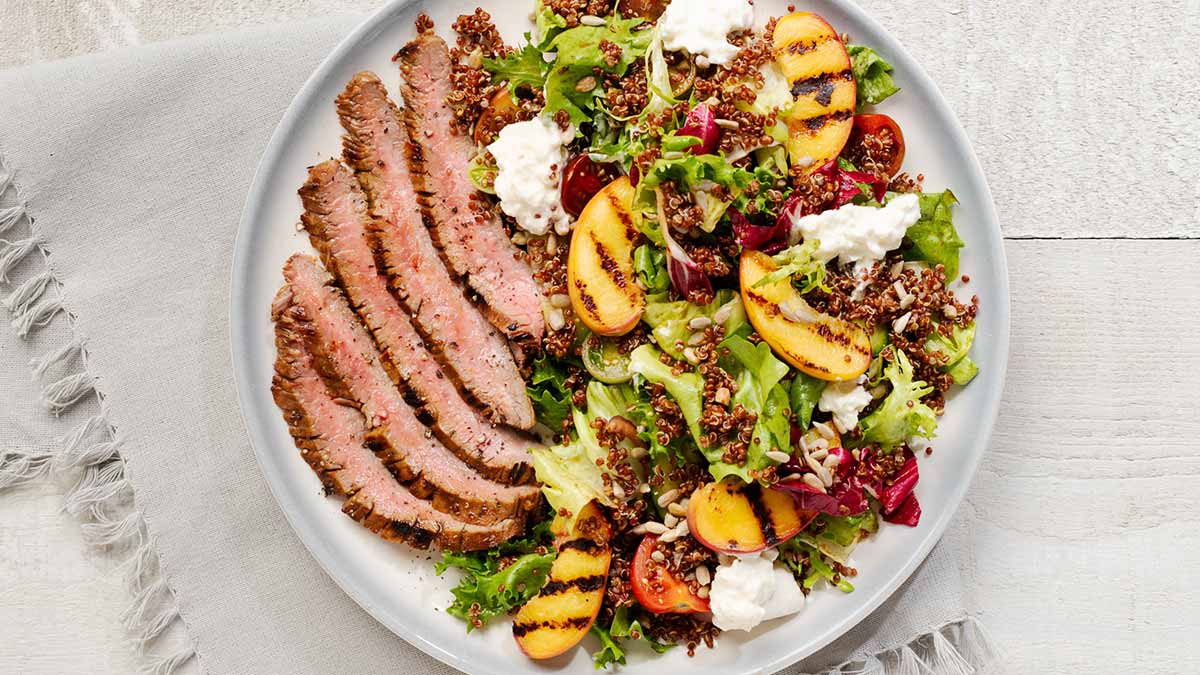
For beef kebobs, tacos with sliced steak or salads, consider marinating steak.
- Common examples: Flank, skirt, sirloin tip or other labelled marinating steaks.
- Cooking method: Marinate, then grill, broil or pan-sear.
- Why it works: A marinade adds flavour, while high heat creates a good sear.
- Kitchen tip: After resting, slice thinly across the grain to shorten the muscle fibres and make each bite easier to chew.
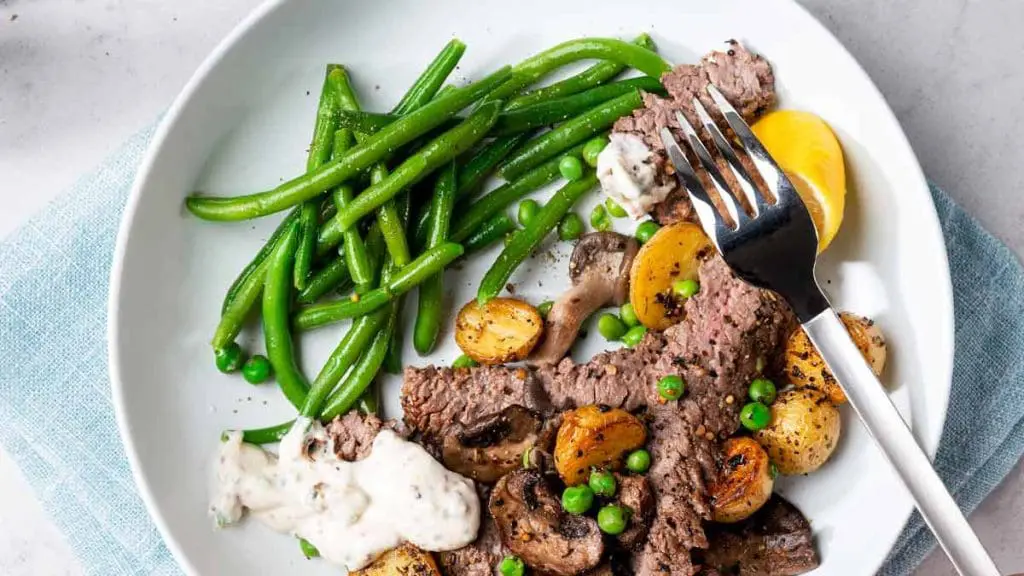
For a steak dinner, steak sandwiches or grilled main dishes, consider grilling steak.
- Common examples: Striploin, rib steak/ribeye, tenderloin, top sirloin or labelled grilling steaks.
- Cooking method: Grill, broil or pan-sear over medium-high to high heat.
- Why it works: These naturally tender cuts respond well to fast, dry-heat cooking.
- Kitchen tip: Season simply, sear well and let the steak rest before slicing to help retain juices.
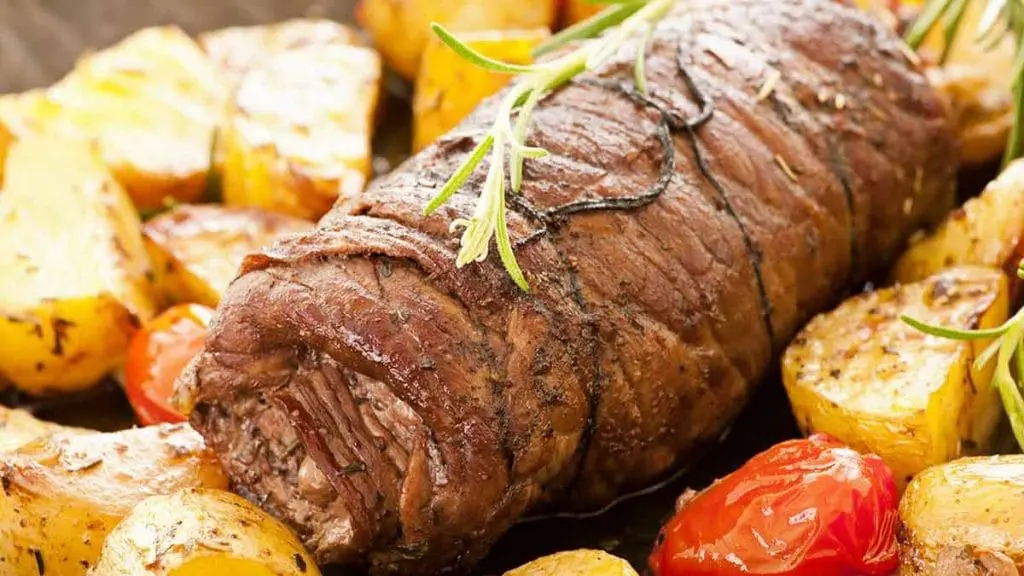
For roast beef for a family dinner, consider an oven roast.
- Common examples: Sirloin tip, eye of round, inside round, top sirloin or prime rib.
- Cooking method: Roast in the oven and rest before carving.
- Why it works: Roasting cooks larger, intact cuts and provides slices for serving or leftovers.
- Kitchen tip: Use a thermometer and carve thinly, especially for round cuts, for a more tender bite.
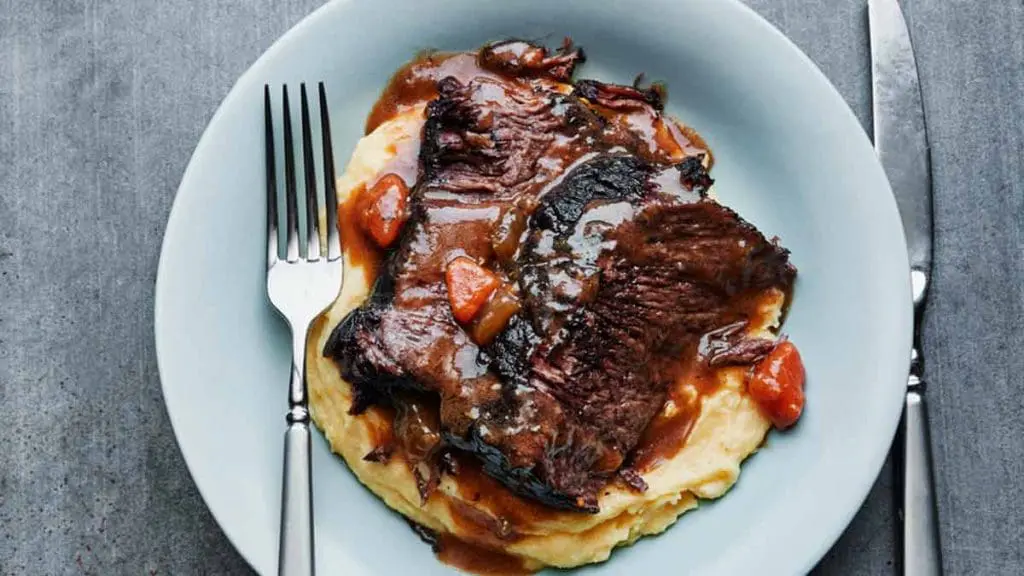
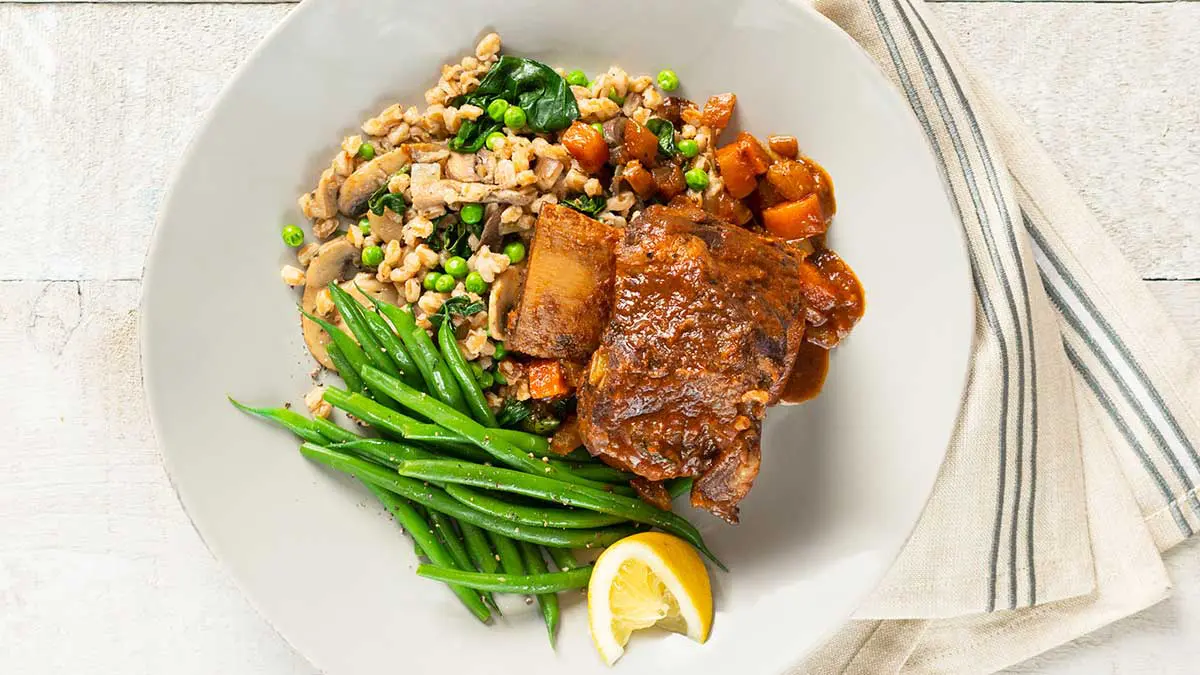
For pot roast, beef stew, pulled beef or a slow-cooker meal, consider braising or simmering cuts.
- Common examples: Blade, cross-rib, chuck, short ribs, shank or stewing beef.
- Cooking method: Brown first, then cook in liquid over low heat in the oven, slow cooker or on the stovetop.
- Why it works: Gentle, moist heat slowly softens connective tissue, creating tender beef and a flavourful sauce.
- Kitchen tip: Give these cuts time. Simmer until fork-tender rather than relying only on a set cooking time.
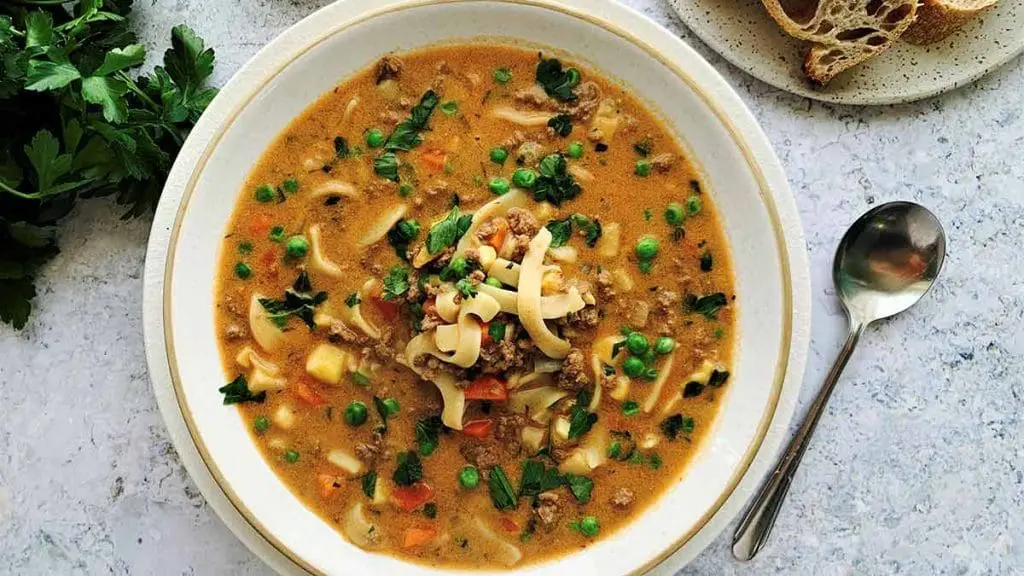
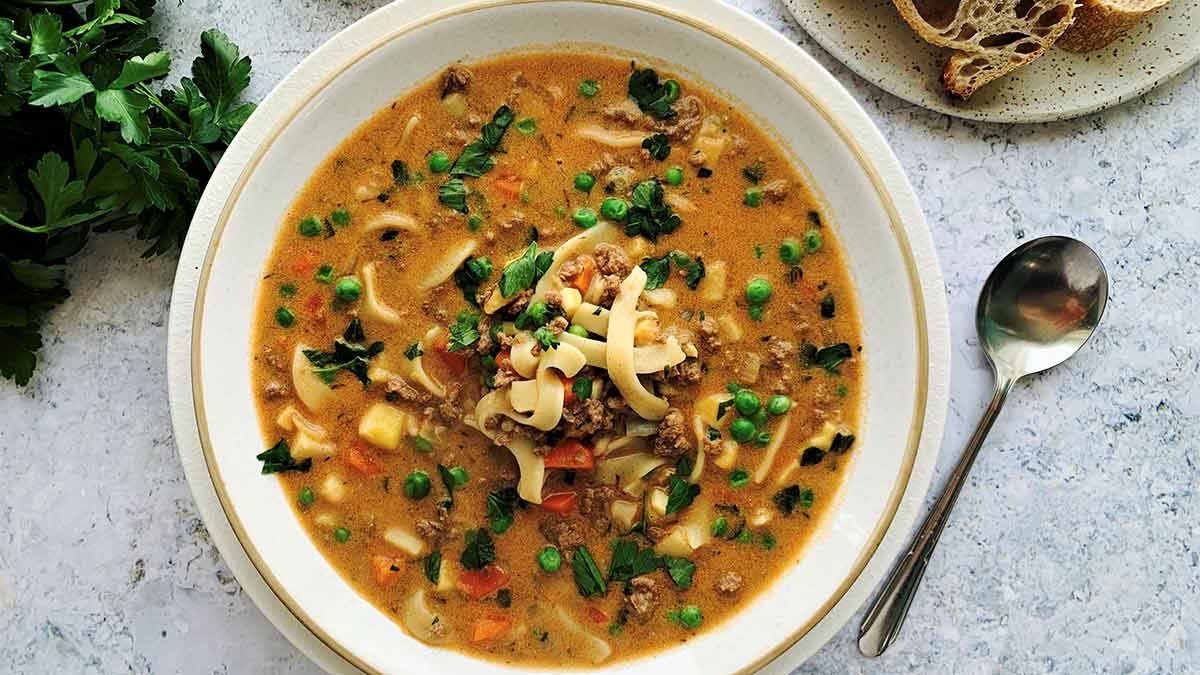
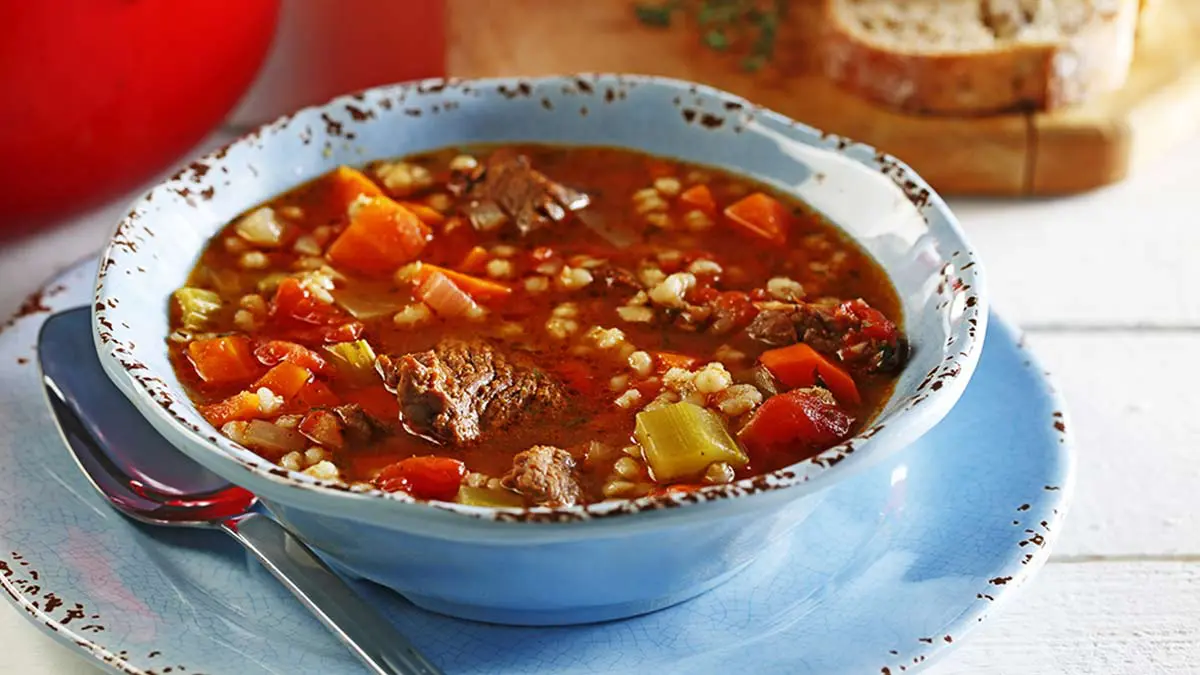
For curries, hearty soups and make-ahead freezer meals, consider cubed stewing beef or economical roasts cut into chunks.
- Common examples: Chuck, blade, cross-rib, round or packaged stewing beef.
- Cooking method: Brown in batches, add broth or sauce and simmer gently.
- Why it works: Long cooking makes economical cuts tender and lets them flavour the whole dish.
- Kitchen tip: Add quick-cooking vegetables later so they do not become overly soft while the beef cooks.
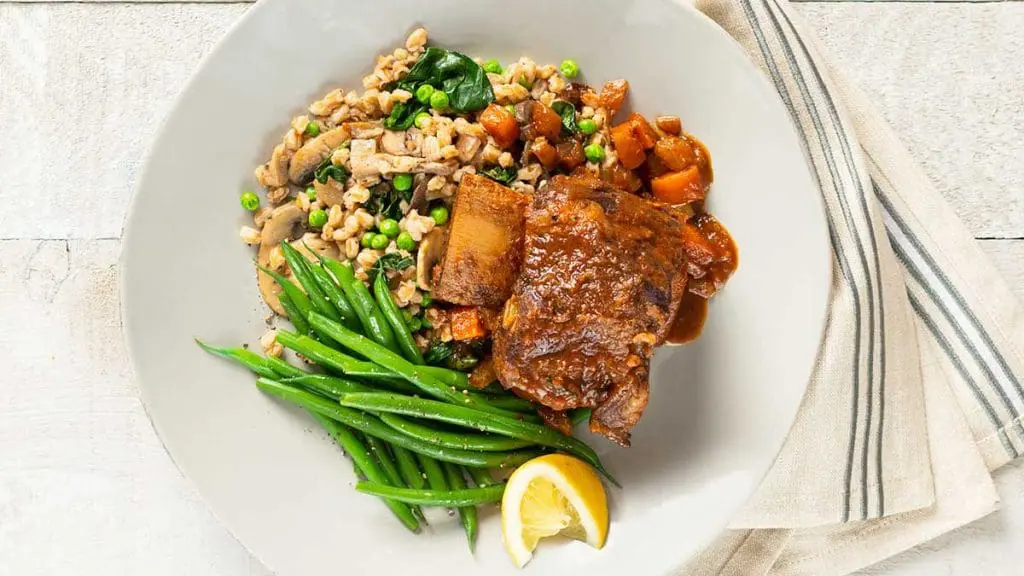
For barbecue ribs, Korean-style short ribs or braised ribs, consider beef ribs or short ribs.
- Common examples: Back ribs, short ribs or cross-cut short ribs.
- Cooking method: Braise low and slow; some styles can be marinated and grilled.
- Why it works: Ribs have rich flavour and benefit from time or a marinade to become tender.
- Kitchen tip: For braised ribs, cook until the meat pulls away from the bone easily.
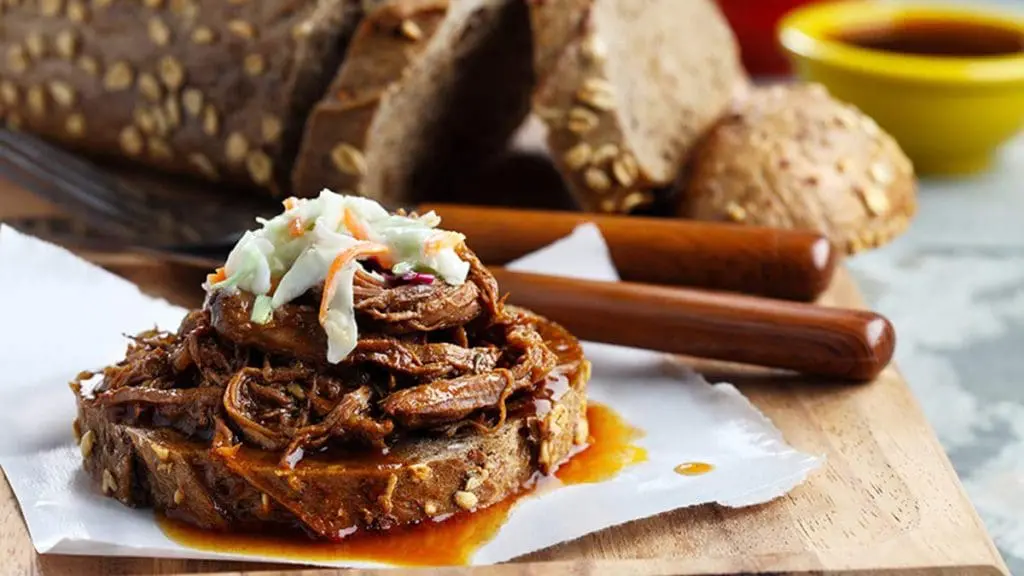
For sandwiches, wraps, meal-prep lunches and leftover-friendly meals, consider a roast, brisket or slow-cooked beef.
- Common examples: Round roast, blade roast, brisket or pulled beef.
- Cooking method: Roast, braise or slow-cook, then slice or shred as appropriate.
- Why it works: Larger cuts can provide several meals and work well in bowls,sandwiches and soups.
- Kitchen tip: Cool leftovers promptly, portion them and refrigerate or freeze for a future meal.
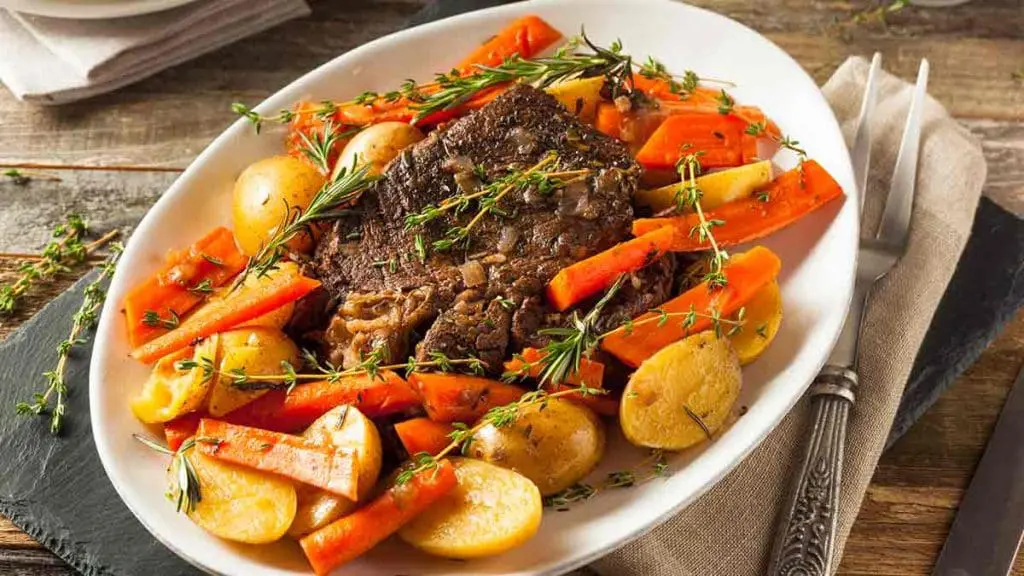
For a special-occasion meal or holiday table, consider a premium roast or steak.
- Common examples: Prime rib/rib roast, striploin roast, tenderloin or top sirloin roast.
- Cooking method: Oven-roast, reverse-sear or grill, depending on the cut.
- Why it works: These tender cuts offer a classic roast or steak experience.
- Kitchen tip: Let the roast rest before carving to make cleaner slices and help keep the meat juicy
A less expensive cut is not a lesser cut. It may simply need a different method. Blade and cross-rib roasts can become tender and flavourful when braised, while striploin and rib steaks are better suited to quick cooking over high heat.





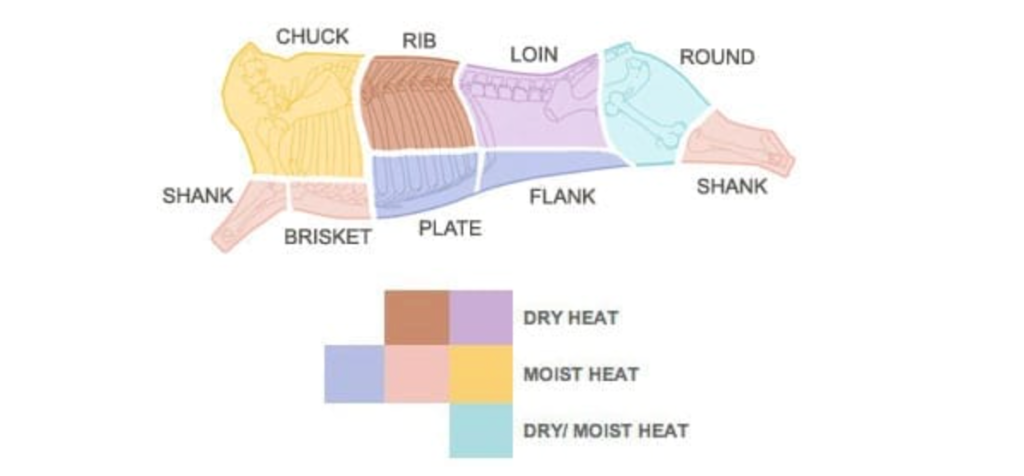
A Simple Guide to Canadian Beef Cuts
Beef cut names can vary between retailers, regions and recipes. If a recipe uses a name you cannot find, match the replacement to the cooking method rather than choosing a cut solely because it has a similar name.
| If a recipe calls for… | At the grocery store | Substitute | How to cook it |
|---|---|---|---|
| Chuck roast | Blade or cross-rib pot roast | Boneless short ribs or brisket | Braise or slow-cook until fork-tender |
| Stewing beef | Packaged stewing beef, blade, cross-rib, shank or round cubes | Pot roast cut into cubes | Simmer gently in broth, tomatoes or sauce |
| Flank steak | Flank marinating steak | Sirloin tip marinating steak or skirt steak | Marinate, cook quickly, rest and slice across the grain |
| Striploin or New York strip | Striploin grilling steak | Rib steak, top sirloin or tenderloin | Grill, broil or pan-sear |
| Rib eye | Rib steak or rib eye grilling steak | Striploin or top sirloin | Cook quickly over high heat |
| Tenderloin or filet mignon | Tenderloin grilling steak | Striploin or rib steak | Grill, broil or pan-sear |
| Top round roast | Inside round roast | Eye of round or sirloin tip roast | Oven roast, rest and slice thinly |
| Short ribs | Short ribs or boneless short ribs | Blade, shank or cross-rib | Braise or simmer slowly in liquid |
Quick Guide to Choosing a Method
- Fast and dry: Choose naturally tender cuts, such as rib, striploin, tenderloin and sirloin for grilling, broiling or pan-searing.
- Low, slow and moist: Choose blade, cross-rib, chuck, brisket, shank or stewing beef for braising, stewing and slow-cooker recipes.
- Marinate, then cook quickly: Flank and other marinating steaks benefit from a marinade, high heat and thin slicing across the grain.
- When in doubt: Ask the butcher for a cut suited to your exact recipe and cooking method. The best result comes from matching the cut to the technique, not from choosing the most expensive cut.
CanadaBeef.ca https://canadabeef.ca/cooking-methods/
Choosing Ground Beef: What the Labels Mean
Ground beef is one of the most flexible ingredients in a Canadian kitchen. It works in tacos, chili, pasta sauce, burgers, meatballs, soups, casseroles and make-ahead meals.
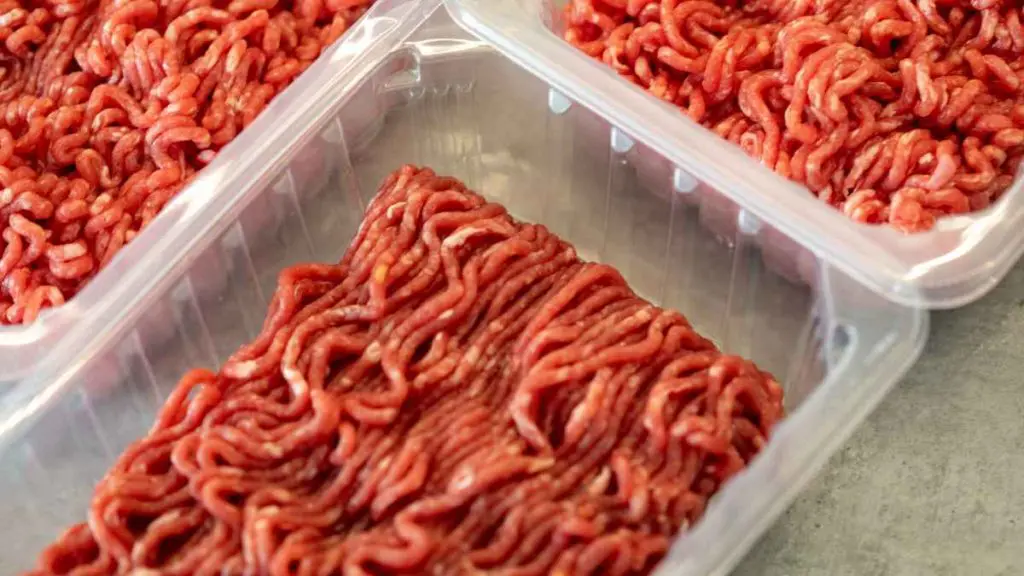
In Canada, packages of ground beef are labelled extra lean, lean, medium or regular. These terms are regulated and indicate the maximum fat content in the product. They can help you anticipate how much fat will render during cooking and how rich or moist the finished dish may be.
| Ground beef type/ Maximum fat content | Best for | What to expect | Helpful tip |
|---|---|---|---|
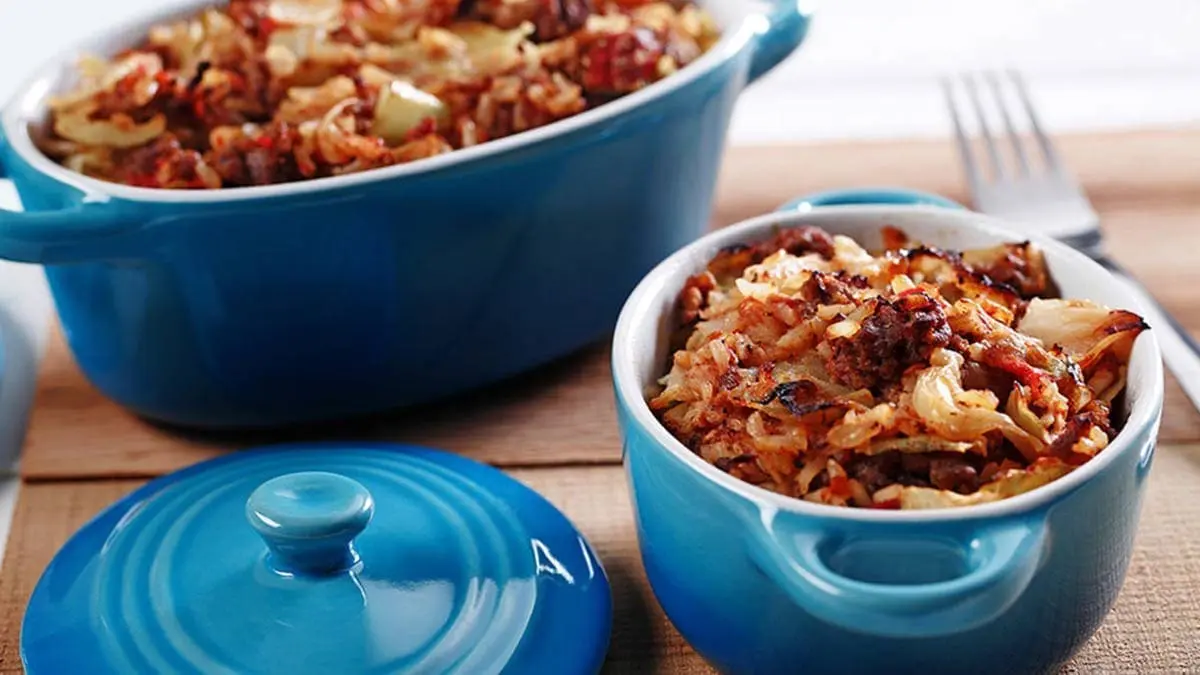
| Extra lean – 10% | Soups, stuffed peppers, cabbage rolls, casseroles and tomato sauces | Produces the least rendered fat | Add flavour with onions, garlic, herbs, tomato paste, broth or sauce |
| Lean – 17% | Tacos, chili, pasta sauce, grain bowls and skillet meals | A versatile everyday option | Add beans, lentils, mushrooms or vegetables to stretch the meal |
| Medium – 23% | Burgers, meatballs, meatloaf and richer sauces | More fat renders and can add moisture | Drain after browning when desired |
| Regular – 30% | Burgers, sliders, meatballs and browned-and-drained fillings | The most rendered fat and a rich flavour | Form burger patties gently and avoid pressing them as they cook |
There is no single best type. Lean or extra-lean ground beef can be useful for soups, bowls and sauces when you do not plan to drain the pan. Medium and regular ground beef may provide a richer, juicier texture in burgers and meatballs. For tacos, chili and pasta sauce, choose what suits your budget and recipe, then drain rendered fat after browning if you prefer.
Beyond the Lean-to-Fat Label
You may also see ground chuck, ground sirloin, ground brisket or other named ground-beef products. These terms describe the source cut used for the grind. They may offer a different flavour or texture, but the lean-to-fat category and the recipe you are making are still useful guides when deciding what to buy.
For more help, see How to Buy and Store Ground Beef, What Are the Different Types of Ground Beef? and the Learn to Cook With Ground Beef course.
Store Beef for Freshness, Flavour and Easy Meals
Proper storage helps keep beef safe to use and protects its flavour and texture. Whether you buy a package for tonight’s dinner, stock up during a sale or cook extra for future meals, a few simple habits can make meal planning easier.
Start with clean hands, utensils, surfaces and containers to help prevent cross-contamination. Keep fresh beef well wrapped and refrigerated or frozen promptly. Exposure to air can contribute to discolouration and moisture loss, so airtight packaging is especially important for preserving quality in the freezer.
Refrigerator and Freezer Guide
| What you are storing | Best approach | Temperature and timing |
|---|---|---|
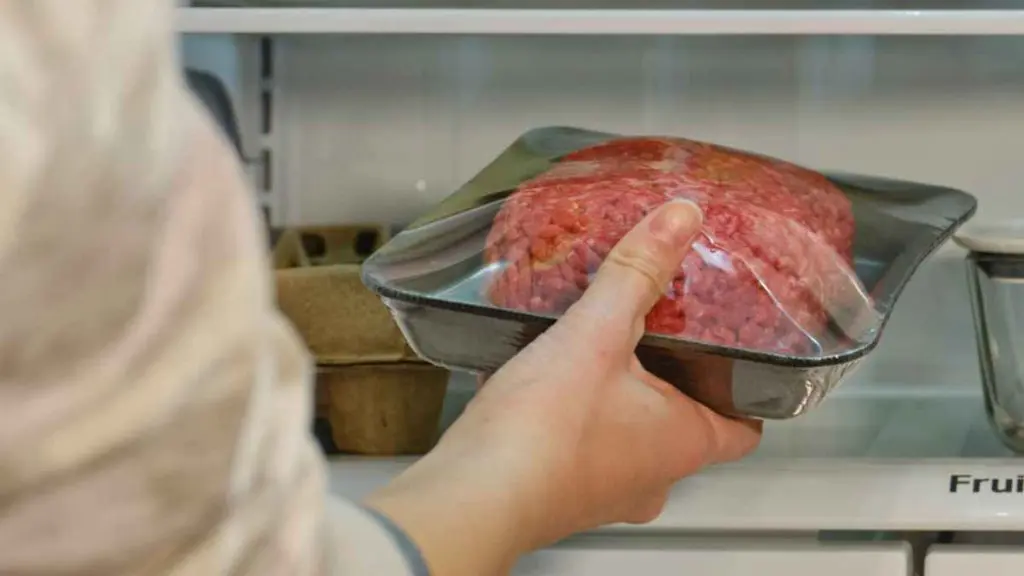
| Fresh ground beef | Keep in its original sealed package until ready to use; place it on a plate or tray on the lowest refrigerator shelf | Use within 1–2 days; refrigerate at 4°C/40°F or below |
| Fresh steaks, roasts and other whole cuts | Keep well wrapped in the refrigerator; place on a plate or tray to prevent drips | Use within 2–4 days; refrigerate at 4°C/40°F or below |
| Beef for freezing | Vacuum-seal individual cuts when possible, or double- or triple-wrap with plastic wrap plus a heavy-duty freezer bag or foil; label each package with the cut and date | Freeze promptly at −18°C/0°F or lower; for best quality, use within about 3 months |
| Marinated beef | Store in a sealed container or freezer bag in the refrigerator; keep it cold while marinating | beef covered with a marinade or oil in a sealed container can be refrigerated for up to 3 days or frozen for up to 3 months |
| Cooked beef, chili, meatballs or pasta sauce | Cool promptly in the refrigerator before freezing; transfer to airtight, labelled containers or freezer bags | Refrigerate leftovers within 2 hours; use refrigerated leftovers within 4 days or freeze for a future meal |
| Frozen beef | Thaw in its package on a plate in the refrigerator, ideally on the lowest shelf | Allow several hours to overnight, depending on the cut; avoid thawing on the counter |
Prevent Freezer Burn
Freezer burn happens when food loses moisture after prolonged exposure to cold, dry freezer air. It is mainly a quality issue, but it can leave beef dry, discoloured and less flavourful.
To reduce freezer burn:
- Remove as much air as possible from packaging before sealing.
- Vacuum-seal individual cuts when you can.
- If you do not have a vacuum sealer, wrap beef tightly in plastic wrap, then place it in a heavy-duty freezer bag or wrap it again in foil.
- Label packages with the cut, quantity and freezing date.
- Do not rely on loose grocery-store tray wrap for long-term freezing.
- Store beef in the coldest part of the freezer and avoid repeatedly thawing and refreezing it.
Make-ahead tip
Cooked ground beef, chili, meatballs and Bolognese-style sauces are especially useful freezer staples. Cool cooked food first, portion it into meal-sized containers and label it before freezing. Then you have the start of a future taco night, pasta dinner, soup or grain bowl ready when time is short. Store prepared beef dishes in airtight containers for up to three months in the freezer for best quality.
For more detail, see Storing Beef for Maximum Flavour and Freshness and How to Buy and Store Ground Beef.
Cook Beef Safely and With Confidence
Food safety does not need to be complicated. Keep raw beef separate from foods that will be eaten without cooking, wash hands and kitchen tools after handling raw meat, and use a digital food thermometer to check doneness.
Ground beef and ground-beef mixtures including burgers, meatballs, meatloaf, sausages and casseroles should reach an internal temperature of 71°C (160°F). Colour alone does not reliably show whether ground beef is safely cooked.
Internal Temperature Guide
| Beef type | Internal temperature |
|---|---|
| Ground beef, burgers, meatballs, meatloaf and ground-beef casseroles | 71°C / 160°F |
| Whole cuts: medium rare | 63°C / 145°F |
| Whole cuts: medium | 71°C / 160°F |
| Whole cuts: well done | 77°C / 170°F |
Refrigerate or freeze cooked beef and other leftovers within two hours. Health Canada recommends consuming refrigerated leftovers within two to three days or freezing them for future use, then reheating leftovers to a safe internal temperature of 74ºC (165ºF).
Read A Beginner’s Guide to Cooking Ground Beef for more food-safety and cooking guidance.
Build Balanced Meals
A balanced meal does not need to follow a strict formula. A simple approach is to include vegetables or fruit, grains or another carbohydrate food, and a protein food. Beef can be one protein option among many, alongside beans, lentils, fish, poultry, pork, eggs, tofu, nuts and seeds.
Canada’s Food Guide recommends eating vegetables and fruit, whole-grain foods and protein foods regularly. It also recommends choosing plant-based protein foods more often. Beef can fit into a varied pattern of eating, especially when paired with vegetables, pulses, grains and flavourful sauces or seasonings.
| Meal | Beef | Add Vegetables | Add Grains or Other Foods |
|---|---|---|---|
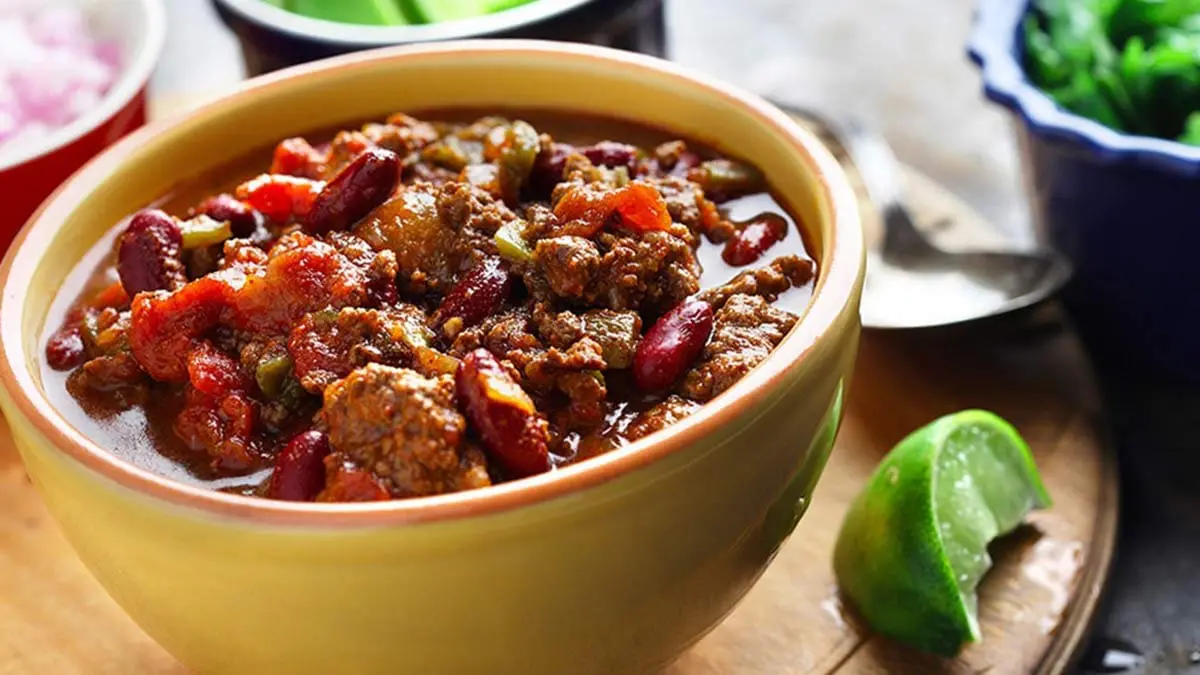
| Chili | Ground beef | Tomatoes, peppers, onions and corn | Beans, lentils, rice or whole-grain bread |
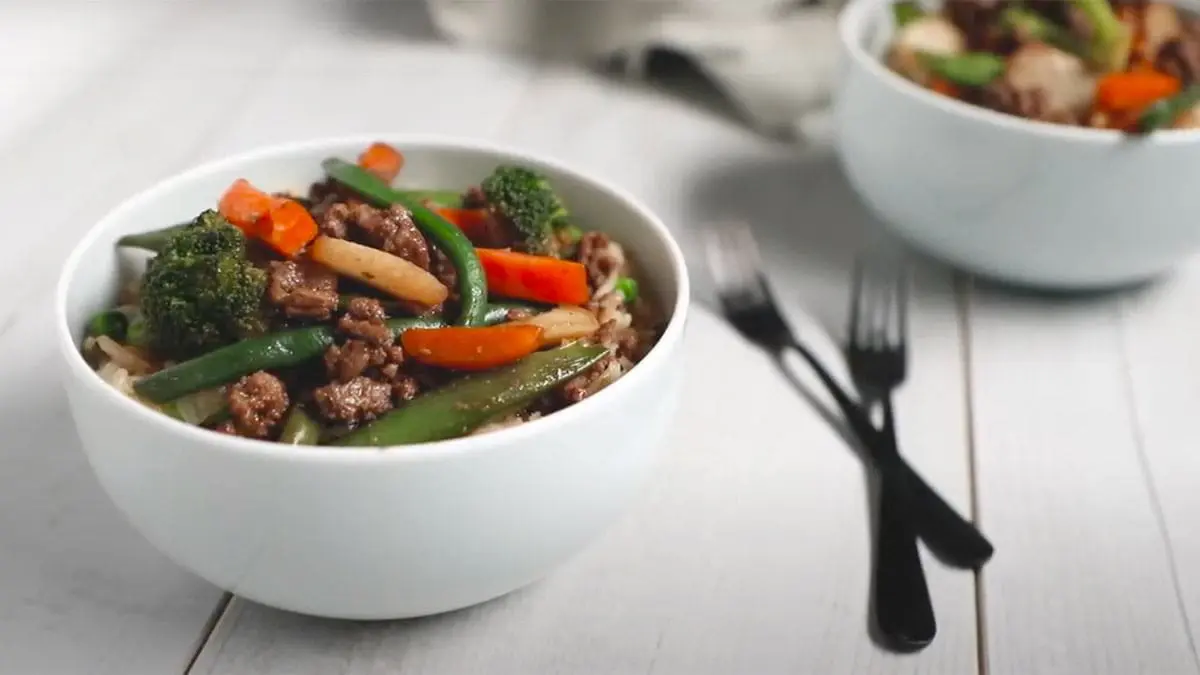
| Stir-fry | Beef strips or ground beef | Broccoli, cabbage, carrots and mushrooms | Rice, noodles or quinoa |
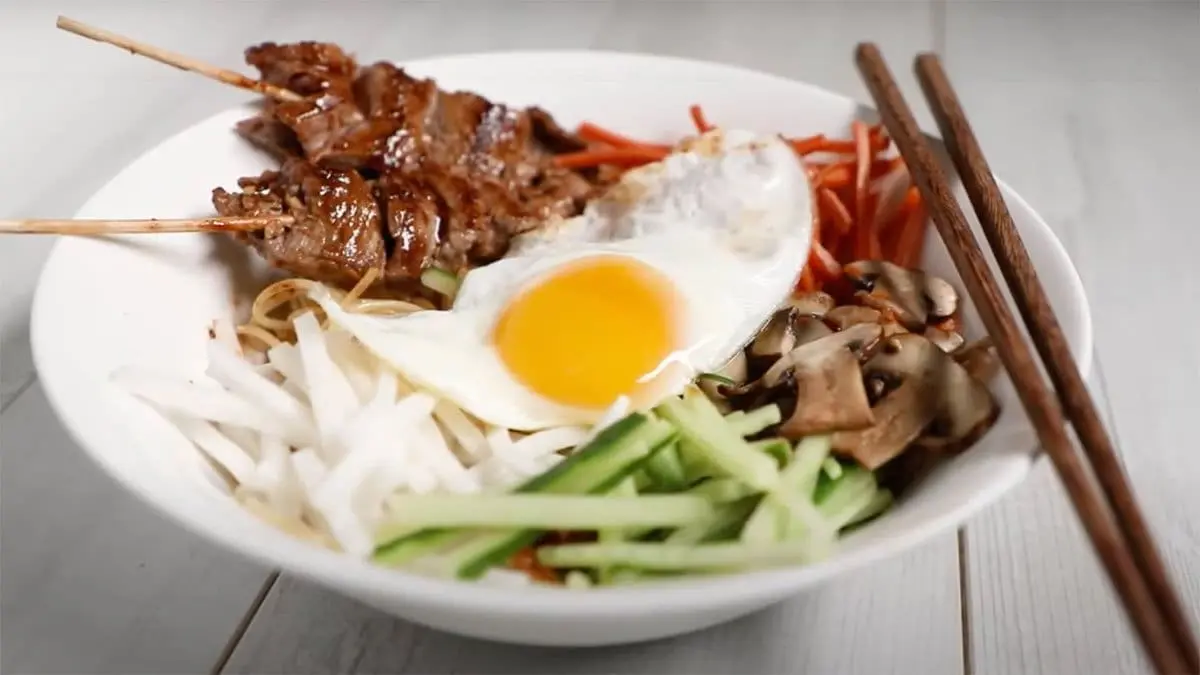
| Bowl | Ground beef or sliced steak | Greens, roasted vegetables and tomatoes | Brown rice, barley, farro or potatoes |
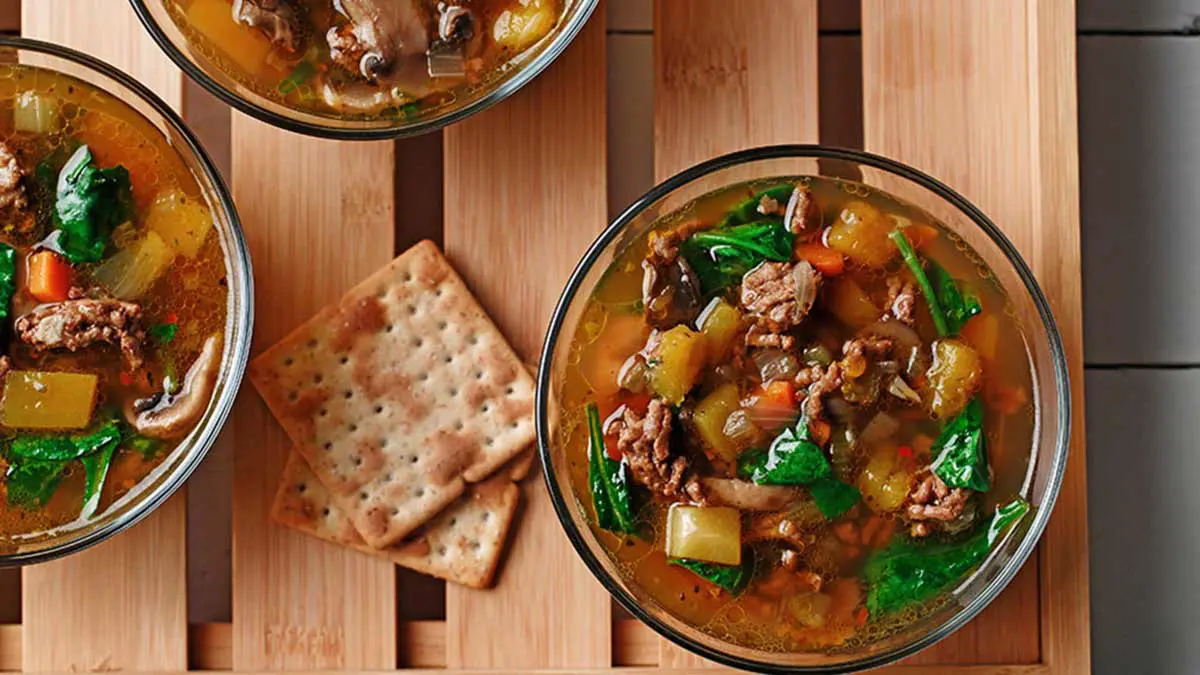
| Soup | Ground or cubed beef | Carrots, celery, onions and greens | Barley, potatoes, pasta or beans |
| Tacos | Ground beef | Lettuce, salsa, tomatoes and peppers | Tortillas, beans, corn or rice |
| Frittata | Cooked ground beef | Spinach, peppers and mushrooms | Whole-grain toast, potatoes or a salad |

Nutrition: Putting Beef in Context
Beef provides protein and can contribute nutrients such as iron, zinc and vitamin B12. The nutritional profile of a meal depends on the cut, portion size, cooking method and foods served alongside it.
It is more helpful to consider your overall pattern of eating than to classify one ingredient as simply good or bad. Health Canada recommends a variety of protein foods, including plant-based protein foods more often, and includes lean red meat as one protein-food option.
Here are a few practical ways to build variety into beef meals:
- Serve beef with vegetables or fruit and whole-grain foods.
- Combine ground beef with beans or lentils in chili, tacos or pasta sauce.
- Choose leaner cuts such as round or loin when they fit the recipe.
- Drain excess rendered fat after browning ground beef if you choose.
- Rotate beef with other protein foods through the week.
If you have a health condition, specific nutrient needs or questions about choosing foods for your household, a registered dietitian can provide personalized advice.
For more background, the Beef Health and Nutrition resource discusses the nutrients found in beef and how red meat can fit into a healthy dietary pattern.
Grass-Finished and Grain-Finished Beef
Cattle feeding practices can vary by region, farm and stage of production. Labels such as grass-fed, grass-finished and grain-finished can describe different practices, so check the label or ask a retailer if specific production information is important to you.
Both grass-finished and grain-finished beef can provide protein and key nutrients. Differences in taste, fat level, price, availability and cooking performance may matter more to a home cook than modest nutrient differences. There is no universally best choice; choose what works for your recipe, budget, preferences and values.
Learn more in Which Is More Nutritious, Grass-Fed or Grain-Fed Beef?
From Canadian Farms to Your Kitchen
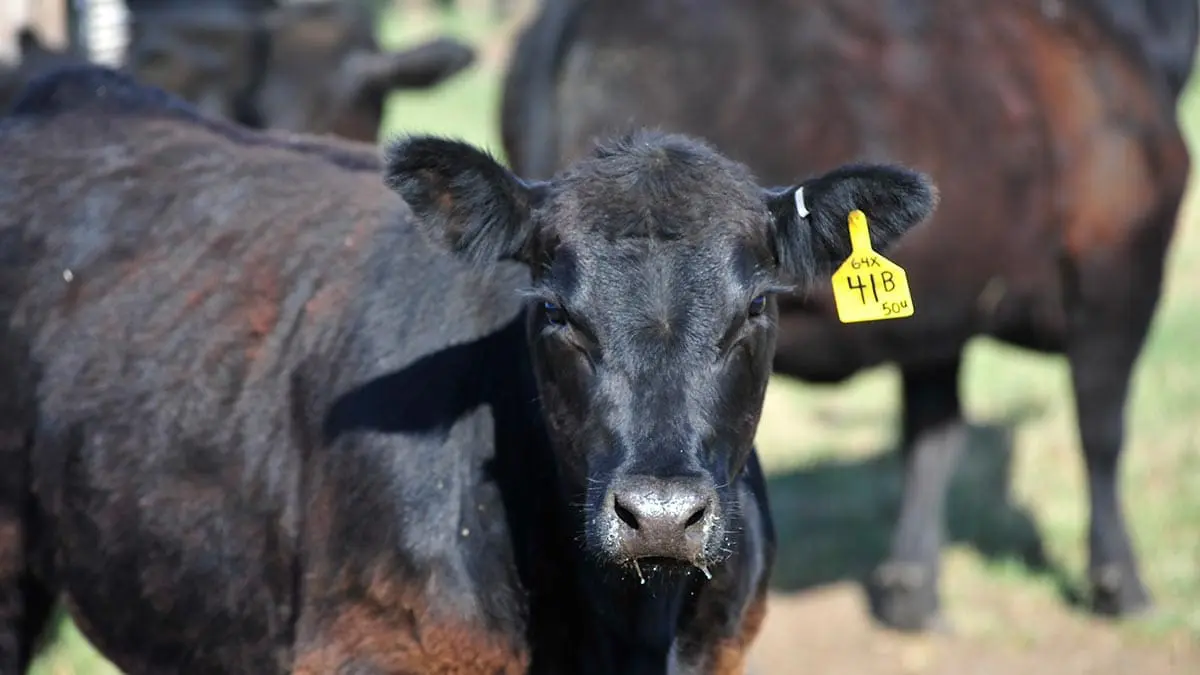
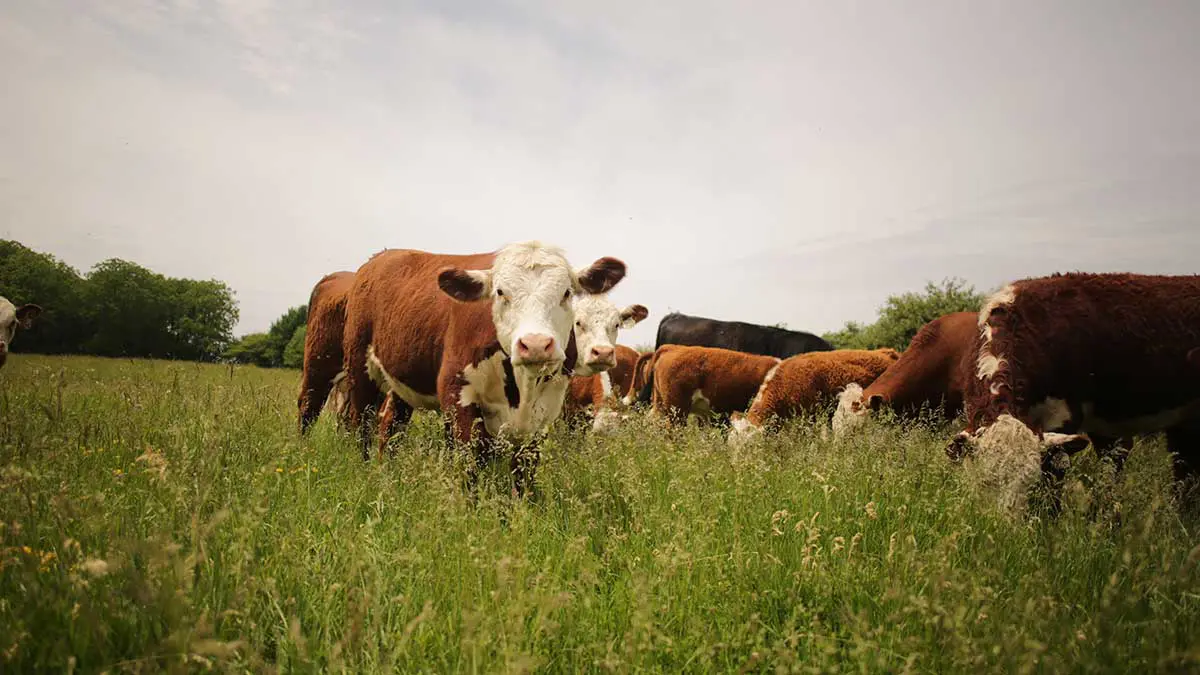
Every package of beef begins with people and decisions long before it reaches the grocery store. Across Canada, cattle are raised in different regions and production systems. Many graze pasture or rangeland for part of their lives. Depending on the system and stage of production, cattle may also receive carefully formulated rations that include forages, grains, vitamins and minerals.
Farmers and ranchers work with veterinarians, animal nutritionists, researchers, processors, transporters and retailers to help bring beef to Canadian kitchens. Exploring how food is produced can offer useful context, but you do not need to know every production detail to make a good meal.
To learn more, explore


Frequently Asked Questions
Is beef part of a healthy eating pattern?
Beef can be one of many protein-food options in a varied eating pattern. Canada’s Food Guide encourages vegetables and fruit, whole-grain foods and protein foods, including plant-based protein foods more often. Beef can be one choice alongside beans, lentils, tofu, fish, eggs, poultry, pork, nuts and seeds.
What is the difference between regular, medium, lean and extra-lean ground beef?
The labels refer to maximum fat content:
| Ground beef label | Maximum fat content |
|---|---|
| Extra lean | 10% |
| Lean | 17% |
| Medium | 23% |
| Regular | 30% |
Choose according to the dish, the texture you want, your budget and whether you plan to drain cooked beef.
Does Brown Ground Beef Mean It’s Gone Bad?
No, the colour of ground beef is most often related to oxidation and is not a reliable indicator of freshness. Ground beef starts out a deep purple colour that gradually turns cherry red as it is exposed to oxygen. The colour can change back to purple in certain packaging where oxygen is removed, but most often the red colour will take on a slightly brown tinge.
How do I know ground beef is safely cooked?
Cook ground beef to 71°C (160°F), checking with a digital food thermometer. Colour is not a dependable food-safety test.
Can I thaw beef on the counter?
No. The safest method is to thaw beef in the refrigerator. You can also use a microwave or cold water in a sealed package when needed. Avoid thawing on the counter, where the surface can warm into a temperature range that allows bacteria to grow. Meat that has been thawed in a microwave should be cooked immediately.
How long can raw beef stay in the refrigerator?
Health Canada’s storage guidance recommends using refrigerated ground meat within one to two days and fresh beef cuts within two to four days when kept at 4°C (40°F) or below. Freeze what you will not use in that time. For best quality, ground meat can generally be frozen for two to three months, while fresh beef cuts can be frozen for 10 to 12 months.
Is grass-finished beef more nutritious than grain-finished beef?
Both can provide protein and key nutrients. Feeding practices may affect some characteristics, including fat composition, but the differences do not make one choice universally better for every person or recipe. Consider flavour, cooking preference, availability, price and personal values. For more detail, check out grass-fed and grain-fed beef.
What is the easiest beef recipe for a beginner?
Start with ground beef. It is versatile and works in tacos, pasta sauce, chili, soups, grain bowls and stir-fries. A simple approach is to brown it in a skillet, cook it to 71°C (160°F), then add your preferred vegetables, seasonings and sauce. The Beginner’s Guide to Cooking Ground Beef provides step-by-step kitchen guidance.
How can I make beef meals go further?
Use beef alongside other affordable, flavourful ingredients. Add lentils or beans to chili and taco filling, stir vegetables into pasta sauce or soup, and serve beef with whole grains, potatoes or rice. Batch-cook browned ground beef, cool it promptly, then portion and freeze it for future meals. Refrigerate or freeze leftovers within two hours.
Cook with Confidence
Beef can be simple, versatile and enjoyable to cook. Start with a recipe that suits your schedule, use safe kitchen practices, and build meals around the foods your household enjoys. As confidence grows, it becomes easier to explore new cuts, techniques, and Canadian food stories along the way.
Additional Articles to Explore







 How Nova Scotia Oysters Are Farmed