
On Canadian cattle farms and ranches, alleys, tubs, Bud boxes and chutes help move and restrain cattle safely for care and management. Here is what they do and why they matter for your family’s food.
If you have ever seen photos of cattle in chutes and wondered what is happening and why, handling is one of the most visible and often misunderstood parts of raising beef cattle.
On Canadian farms, cattle handling systems include alleys, crowding tubs or pens, Bud boxes and chutes with headgates or squeeze features that safely hold animals for tasks such as vaccinations, pregnancy checks, tagging or hoof care. Good facilities and calm handling help keep both animals and people safer and reduce stress during necessary care. They are the “exam rooms” where animal health work happens. Cattle handling equipment illustrates how animal welfare, safety, and productivity intersect at the handling facility.
In this article, we look at what cattle handling systems are, how they work on Canadian farms throughout the year, and how they connect to food safety, efficiency, sustainability and farmer well‑being.
What are cattle handling systems on Canadian farms?
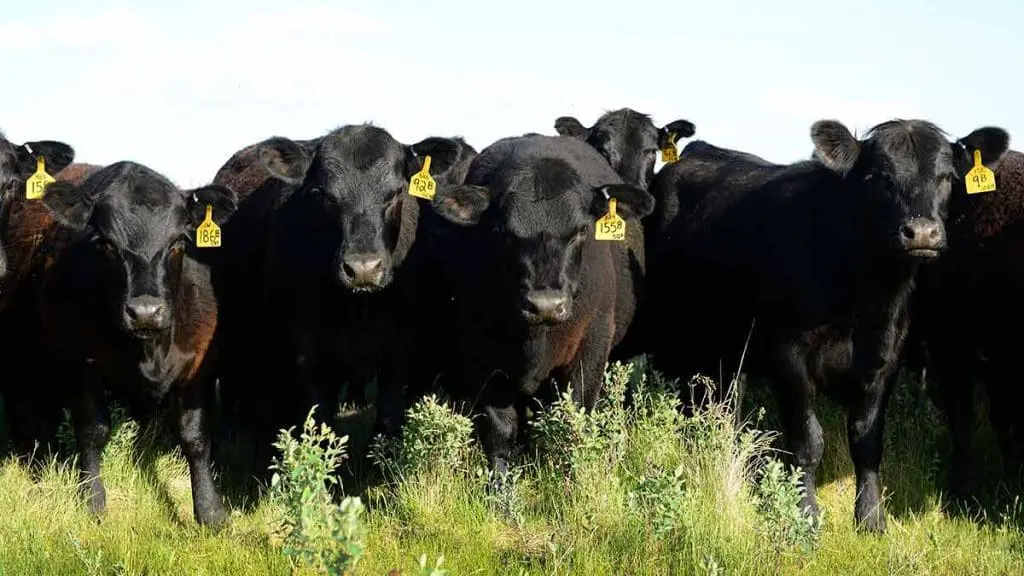
Cattle handling systems are designed areas that use pens, alleys, curves, crowding tubs, Bud boxes and chutes to guide animals calmly from larger pens into a secure position where farmers and veterinarians can work safely. Alleys can be curved to take advantage of cattle behaviour, chutes have solid sides to reduce distractions, and squeeze or headgate features are used to gently restrain an animal for a short period.
In Canada, these systems are used on beef farms during tasks such as weaning, vaccination, pregnancy checking and shipping, and on dairy farms for health treatments, artificial insemination, hoof trimming and other procedures. The Canadian Codes of Practice for beef and dairy cattle emphasize that facilities should minimize the risk of injury, allow calm movement and provide safe, appropriate restraint as part of good animal care.
In practice, good handling systems are built to be quiet, have secure footing, offer emergency escape options for people and allow cattle to flow smoothly, reducing stress and risk for everyone involved.
What is a Bud box in cattle handling?
A Bud box is a simple rectangular pen, typically about 12 by 20 or 14 by 20 feet, used to move cattle calmly from a holding pen into a single‑file alley or chute by working with their natural instincts rather than pushing them from behind. Named after stockmanship instructor Bud Williams, the Bud box relies on five basic behaviours: cattle want to go around you, cattle like to be around other cattle, cattle want to see you, cattle want pressure removed and cattle can only think of one thing at a time. The Bud box runs off the principle that cattle want to go back to where they came from, which works with the angle of the gate to the alley, allowing these 5 behaviours to be observed.
In a Bud box, cattle are brought straight in, then the handler steps to draw them past the alley entrance and then releases pressure so animals turn back toward the way they entered, which now leads directly into the alley or chute. Properly used, it is a low‑stress, low‑cost way to create good flow into a handling system, but it does require handlers who understand cattle behaviour and avoid having too many animals in the box at once.
How do cattle handling systems affect food safety?
Do chutes and alleys make beef and milk “safer”?
Handling facilities do not touch finished food, but they are where much of the health care that supports safe beef and dairy production happens. Calm, efficient handling makes it easier to vaccinate animals, treat illness promptly, and carry out health checks, which supports herd health and reduces disease risks. Good restraint also allows veterinarians to work more accurately and safely. Finished beef and dairy products still go through inspection and safety systems (governed by the Canadian Food Inspection Agency), but animal care starts in facilities like these.
Can low stress handling affect food quality?
Yes. Rough or high‑stress handling can lead to bruising, injuries and stress that may affect carcass quality and, in extreme cases, animal health. Low‑stress handling techniques and good equipment design reduce panic and sudden movements, which helps protect animals and the quality of the food they eventually produce.
Do handling systems replace humane handling requirements?
No. Canadian Codes of Practice and humane handling guidelines emphasize both appropriate facilities and proper stockmanship, calm, respectful handling by trained people. Equipment helps, but it must be used in line with these expectations.
Animal Care On The Farm



How do cattle handling systems support efficiency and affordability?
How do these systems make farm work more efficient?
Well‑designed handling systems allow cattle to move calmly and steadily, so routine tasks such as vaccinating, tagging or pregnancy checking can be done more quickly and with fewer people. Features like properly sized alleys, non‑slip footing, good gate placement and, in some systems, Bud boxes or well‑designed tubs reduce stops and starts, which saves time and lowers the risk of animals turning back or piling up. This efficiency is especially important when handling many animals in a limited time window.
What does that have to do with the price of beef and dairy?
Handling is part of herd management cost. Systems that reduce labour needs, injuries and stress can lower veterinary costs, shrink losses and improve productivity. Better growth, fewer injuries and smoother handling mean more animals reach market weight or maintain milk production as expected, improving the efficiency of the farm operation. While many other factors affect retail prices, these efficiencies support cost control and stability at the farm level.
Does using better equipment mean fewer people are needed?
Improved facilities often allow a small team to handle cattle safely and efficiently, but trained people are still essential to manage animals, operate equipment and make decisions. The goal is safer, more effective work for everyone, not removing people from the process.
How do handling systems support sustainability and the environment?
Can low‑stress cattle handling and good facilities reduce waste?
Yes. Low‑stress cattle handling supported by good facilities has been linked to fewer injuries, lower sickness rates and better weight gain or milk production. This results in healthier animals and fewer are lost or downgraded because of stress or injury. Overall, this improves the use of feed, land and other resources already invested in raising the animals.
What about environmental impact?
Indirectly, less‑stressed cattle that are healthy and stay in the herd as expected make better use of feed and land, which can reduce the environmental footprint per kilogram of beef or litre of milk. Animal health and welfare are now widely recognized as components of sustainable livestock systems.
Watch Life At Pine Ranch
Season 1
Season 2
Season 3
What do cattle handling systems mean for farmer health and well‑being?
How do these systems change day‑to‑day work with cattle?
Instead of manually handling animals or working in open pens, farmers can move cattle through alleys and into chutes where they are restrained in a controlled way. This greatly reduces the need for close contact and can make handling calmer and more predictable for both animals and people.
What are the main safety benefits of cattle handling systems?
Safety guidance stresses that using proper handling equipment, avoiding manual handling of cattle, having escape routes and working with trained staff can significantly reduce injuries from kicks, crushing and escapes. Good systems include solid sides to prevent limbs getting caught, non‑slip footing, emergency exits and controls located to keep handlers out of kick zones.
How do Bud boxes fit into safe, low‑stress cattle handling?
When designed and used correctly, Bud boxes can improve cattle flow into alleys and chutes by working with animals’ natural tendency to return to where they came from and to move away from managed pressure. They are cost‑effective and use a small footprint, but they require handlers who understand cattle behaviour and avoid overcrowding the box, which is important for both animal and handler safety.
Common questions Canadians ask about cattle handling systems
Do chutes and alleys hurt cattle?
Well‑designed and correctly adjusted chutes are intended to hold cattle firmly but not painfully. Codes of Practice emphasize that restraint devices must be used properly, and pressure that causes pain or panic should be avoided. The goal is a brief, secure hold so health tasks can be done quickly and safely.
Why not just handle cattle in an open pen?
Handling large animals in open pens or without proper facilities can increase the risk of injuries to people and cattle, and often leads to more stress and agitation. Using alleys, Bud boxes or tubs and chutes designed for cattle behaviour allows animals to move more calmly and keeps handlers in safer positions.
What is the difference between a Bud box and a crowding tub?
A crowding tub is a curved pen with a sweep gate that gently pushes cattle into a single‑file chute using the structure of the tub. A Bud box is a straight‑sided rectangular pen that plays on the cattle’s natural behaviour to return where they came from to flow into the alley. Handler’s position is important, but not necessary for the bud box to work. Sometimes, animals can and will flow through on their own without the presence of a handler. Both can be part of low‑stress systems when designed and used correctly; the Bud box is often lower cost and uses a smaller footprint but requires more handler skill.
What Canadian farmers and experts say about cattle handling systems
Cattle handling and stockmanship experts highlight that low‑stress handling and well‑designed facilities, whether using tubs, Bud boxes or other layouts, can reduce injuries to people and cattle, improve welfare and support better performance, making them key components of modern, sustainable beef and dairy operations.

Kristen Hunter
Lab and Feedlot Facilitator, Livestock and Forage Centre of Excellence
The Science Behind Beef Production
At the Livestock & Forage Centre of Excellence, experts have access to all the animals, pastures, feedlots and state-of-the-art technology they need to find answers to questions about everything related to beef production.
What should I take away as a Canadian grocery shopper?
- You can feel confident that modern cattle handling systems on Canadian beef and dairy farms are designed to move and restrain animals safely and calmly for necessary care.
- Low‑stress handling and good facilities support animal welfare, reduce injuries and help maintain healthy, productive herds, which benefits both producers and consumers.
- Designs like curved tubs and Bud boxes work with cattle behaviour to encourage calm movement and better use of feed, land and labour.
- Using proper equipment and safety practices helps protect farmers and workers, supporting the people behind the beef and dairy you buy.
If you have questions about how other farm tools work, you are not alone, understanding what happens on Canadian farms is one of the best ways to feel confident about the food you buy.
Types of Farm Equipment








 Seasonal Asparagus in Canada and Your Grocery Budget