
In Canadian greenhouse operations, automated climate control and fertigation systems manage temperature, water and nutrients — here is what they do and why they matter for your family’s food.
If you have ever picked up greenhouse tomatoes, cucumbers or lettuce in winter and wondered how they grow in a Canadian climate, much of the answer lies in the invisible systems that control temperature, light, water and nutrients inside greenhouses.
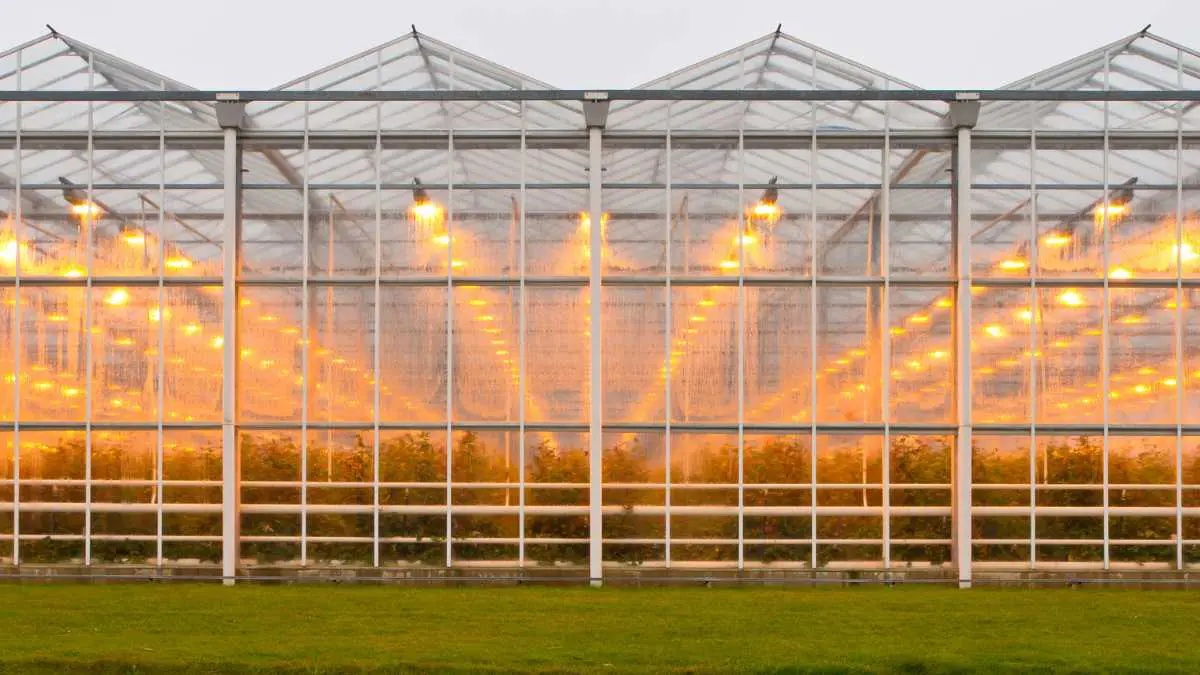
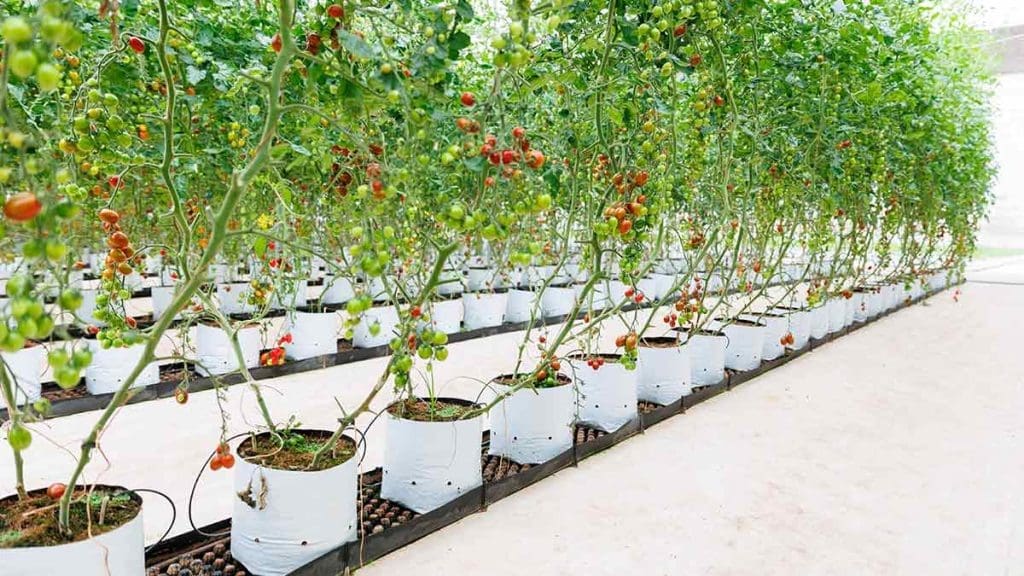
For many Canadian greenhouse vegetable operations, automated climate control systems monitor and adjust conditions like temperature, humidity, light and ventilation, while fertigation systems deliver water and dissolved nutrients directly to the roots at precise rates. These tools help growers produce consistent, high‑quality vegetables with careful use of water and fertilizer, often year‑round.
How does climate control and fertigation work in Canadian greenhouses?
Climate control systems in greenhouses use sensors and controllers to monitor and adjust conditions such as temperature, humidity, ventilation, heating, cooling and sometimes lighting, to keep crops within target ranges. Fertigation systems mix fertilizers into irrigation water and deliver the solution through drip lines or other irrigation systems directly to the plant root zone, often with automated dosing based on set nutrient lists and sensor feedback.
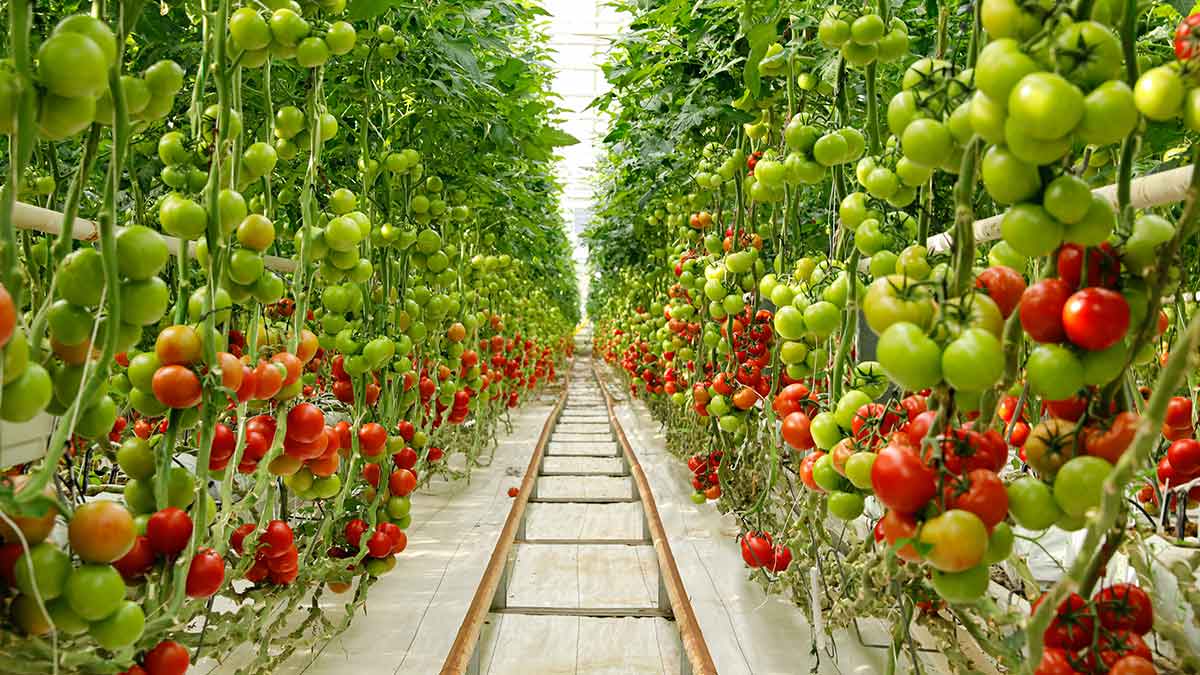
In Canada, these systems are widely used in commercial greenhouses growing vegetables such as tomatoes, cucumbers, peppers and leafy greens, as well as in some fruit and herb operations. Some facilities operate year‑round and rely on automation to maintain stable conditions in very different outdoor seasons.
In practice, climate control and fertigation act like the greenhouse’s brain and circulation system, helping growers deliver just the right environment, water and nutrients at each growth stage while tracking and adjusting in real time.
Greenhouse Innovation Stories
How do climate control and fertigation affect food safety?
Do greenhouse climate control and fertigation systems make greenhouse vegetables safer to eat?
Climate control and fertigation systems do not replace food safety standards, but they can support safer growing conditions by reducing plant stress, improving crop health and helping manage issues like humidity that can affect disease pressure. Consistent water and nutrient delivery helps plants grow uniformly, and well managed climates can reduce conditions that favour certain plant diseases, and this supports overall crop quality. Greenhouse vegetables must still meet safety and quality requirements for fresh produce, including hygiene and handling standards in packing and distribution.
Do these systems replace inspections or safety rules?
No. Greenhouse growers must still follow food safety programs such as on‑farm food safety or third‑party standards, sanitation and worker hygiene practices, and applicable regulations. Climate control and fertigation systems simply help keep plant growth conditions within target ranges, which supports consistent production and reduces some risks associated with poorly controlled environments.
How do these systems support efficiency and affordability?
How do climate control and fertigation make greenhouse growing more efficient?
Automation reduces the amount of manual work needed to monitor climate and mix and apply fertilizers, allowing growers to manage more plants with less hands‑on adjustment. Systems can schedule irrigation and fertilizer delivery, adjust based on sensor data and maintain set points without constant human intervention, saving time and reducing human error. This supports higher yields and more consistent production per square metre.
What does that have to do with the price and availability of vegetables?
Efficient, automated systems can help greenhouse growers produce more food from the same space and manage input costs like water, fertilizer and labour. In some cases, automation has allowed greenhouses to operate with fewer staff than traditional systems while maintaining or increasing output, which can improve reliability of supply and help manage costs in a competitive market. Retail prices still depend on many factors, but efficient greenhouse systems are one way to support year‑round availability of certain vegetables in Canada.
Does automation mean greenhouses have no workers?
Even highly automated greenhouses still rely on people for tasks like planting, pruning, scouting, maintenance, packing and managing systems. Automation changes the type of work, shifting some tasks from manual watering or valve adjustments toward monitoring, technical maintenance and quality control.
How do these systems support sustainability and the environment?
Do greenhouse fertigation systems save water and fertilizer?
Yes. Automated fertigation and drip irrigation deliver water and nutrients directly to the root zone, which can dramatically reduce water waste and fertilizer losses compared with less targeted methods. Systems can recirculate nutrient solutions, monitor electrical conductivity and pH, and adjust dosing so plants receive what they need with minimal excess. This improves nutrient use efficiency and lowers the risk of nutrient runoff.
What about energy use and climate?
Climate control systems help manage heating, cooling and ventilation, which are major energy uses in greenhouses. By monitoring conditions and adjusting systems precisely, they can support energy‑saving strategies while still maintaining plant health. Over time, this can reduce the energy required to grow produce in the greenhouse.
Is greenhouse production always more sustainable than field production?
Not necessarily; the sustainability profile depends on many factors, including energy source, technology, yield, and how water and nutrients are managed. Greenhouses can achieve very high yields per unit area and high water and nutrient efficiency, but they also require structures and energy inputs. Both greenhouse and field production have roles in a diversified, sustainable food system.
What do these systems mean for grower health and well‑being?
How does automation change day‑to‑day work in greenhouses?
Automated climate and fertigation systems reduce the need for growers to manually adjust valves, mix stock solutions and constantly check thermometers, freeing time for tasks like scouting, training staff and quality checks. Automation can cut the time spent on watering and fertigation tasks dramatically, allowing growers to focus more on crop quality and other responsibilities.
Does this improve working conditions?
Automation can reduce repetitive, physically demanding tasks and some types of time pressure, but greenhouse work still involves heat, humidity and manual tasks. Well‑designed systems support safer, more predictable working conditions, and can help address labour shortages by allowing fewer people to manage more plants without overextending themselves.
Common questions Canadians ask about greenhouse climate control and fertigation
Does this mean my vegetables are grown by machines instead of people?
Automation helps manage the environment and nutrient delivery, but people still design the list of nutrients, monitor plants, maintain equipment, scout for issues and make decisions. The goal is not to remove people from the process, but to support them with tools that improve consistency and efficiency.
Are greenhouse vegetables full of chemicals because of fertigation?
Fertigation simply means that nutrients are dissolved in water and delivered through irrigation, rather than being applied dry. Greenhouse crops follow the same regulations on fertilizer inputs as other crops, and many systems are designed to deliver exactly what plants need with minimal losses. Produce must still meet safety standards and, if applicable, specific requirements for organic or other certifications.

It’s All About Chemicals
Explore how chemical literacy helps make informed choices, debunk myths, and understand the role of chemicals in food, agriculture, and everyday life.
Are these systems only used in huge greenhouses?
While large commercial greenhouses are major users of advanced climate and fertigation systems, similar technologies are available at different scales and are used in research facilities and smaller operations as well.
What Canadian growers and experts say about greenhouse automation

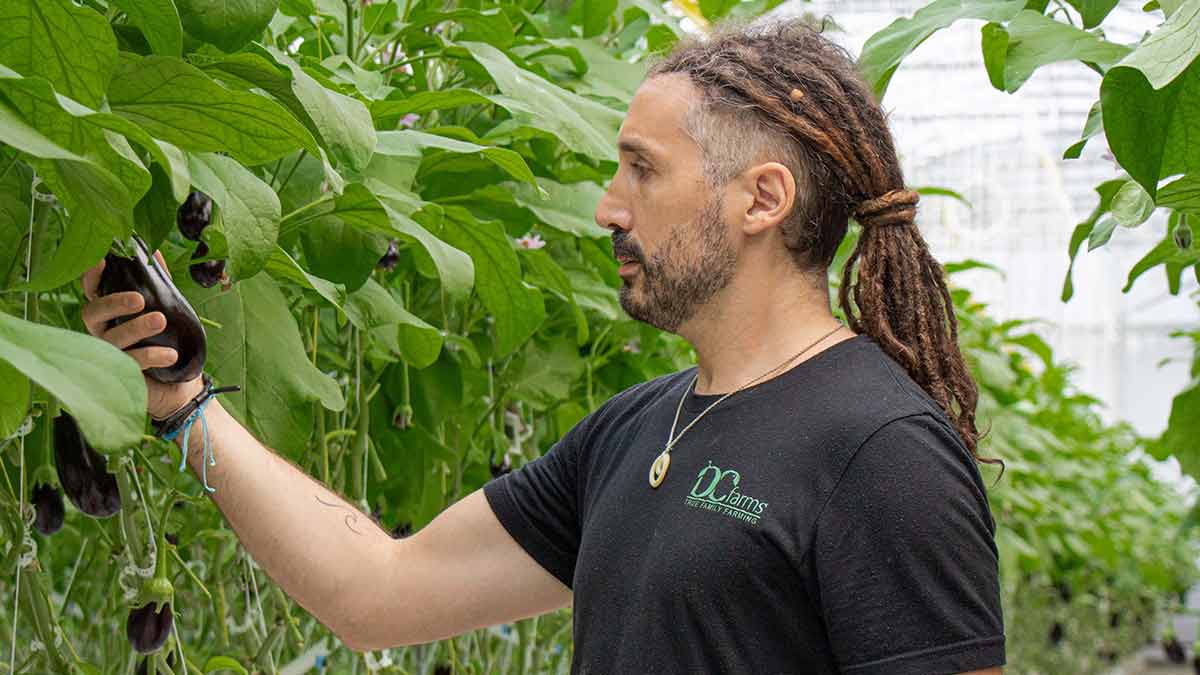
Michael Del Ciancio
Operator/Grower DC Farms
Growing Eggplants in Canada
Most Canadians may be surprised to find out eggplants are grown year-round in Canada and this purple powerhouse is growing in popularity.
What should I take away as a Canadian grocery shopper?
- You can feel confident that climate control and fertigation systems help Canadian greenhouse growers provide stable, high‑quality vegetables by keeping temperature, humidity, water and nutrients within optimal ranges for plant health.
- Precise, automated fertigation and irrigation improve water and nutrient efficiency, reducing waste and lowering the risk of nutrient losses to the environment.
- Automation can support year‑round or extended‑season production, contributing to more consistent availability of certain vegetables grown in Canada.
- By reducing repetitive manual tasks and enabling growers to manage more plants with less strain, these systems support the people working behind the scenes to grow greenhouse produce.
If you have questions about how other farm tools work, you are not alone — understanding what happens on Canadian farms is one of the best ways to feel confident about the food you buy.
Equipment On The farm





 Beef Koftas with Tzatziki Bean Dip