
Asparagus is a great example of how seasonal produce can shape both your grocery budget and what ends up in your crisper. For a few weeks in late spring, Canadian-grown asparagus appears in more stores and markets, sometimes with promotions or “local” signage that make it feel like the right moment to stock up. For the rest of the year, most asparagus is imported or greenhouse-grown, which can affect price and availability. This guide is not about perfection or eating only what’s local; it’s about a few realistic ways to use seasonal asparagus to stretch your budget, waste less, and enjoy this spring vegetable while it’s at its best.
If you’d like a refresher on when asparagus is in season, where it’s grown and how to buy and store it, you can start with What’s in Season? Asparagus.
When Is Asparagus Most Available in Canada?
For budgeting to feel practical, it helps to anchor your plans in real seasonal patterns. In much of Canada, field-grown asparagus is typically harvested in late spring, usually from May into June, with exact timing varying by province and by year. During this short window, more of the asparagus in stores and markets is Canadian grown, especially in major producing regions like Ontario, Quebec and British Columbia.
Outside that spring period, most asparagus on Canadian shelves is imported or greenhouse-grown, which can influence both price and how often you see it featured in flyers or displays. Weather, crop conditions and local demand can all shift timing and supply from one season to the next, so think of May–June as a general guide rather than an exact calendar.
During asparagus season, you can:
- Watch for more “Product of Canada” or provincial labels on asparagus in your local store.
- Expect to see asparagus appear more often in weekly flyers and promotions in late spring, especially in regions close to growing areas.
- Use 6 Ways to Incorporate Asparagus into Any Meal to plan a few asparagus meals while it’s abundant.
Is Seasonal Asparagus Really Cheaper?
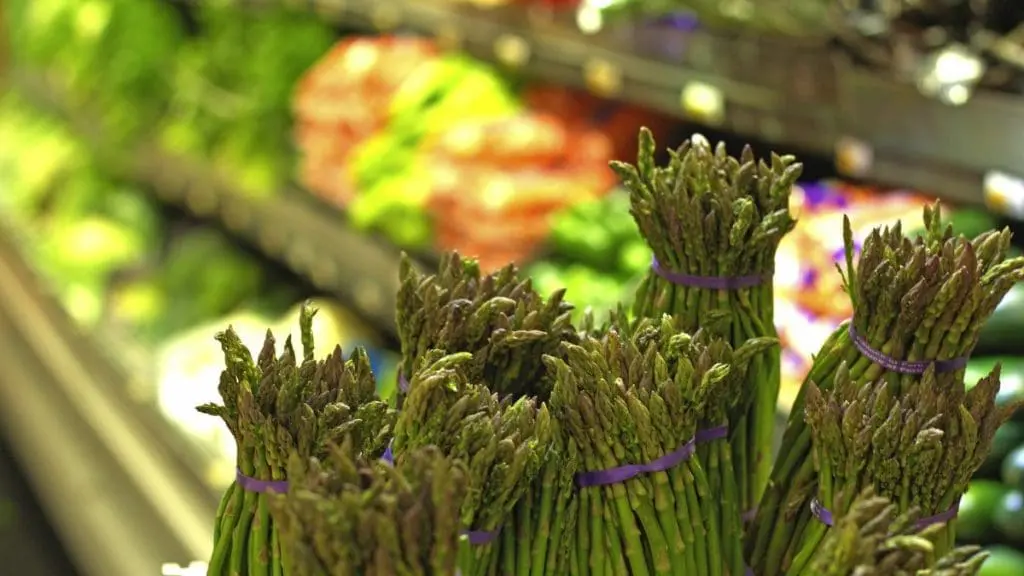
There is no single price for asparagus across Canada, and prices can vary quite a bit between stores, cities and even weeks. A common pattern, though, is that when a crop is in peak local season and supply is higher, you may see more favourable prices and promotions compared with times when the same vegetable is being imported. For asparagus, that often means better opportunities to save in late spring, especially when local supply is strong.
A few realistic points to keep in mind:
- Prices can be more favourable in peak season, but they still vary. Retail data and flyer scans show that asparagus prices move up and down across the spring, even within the same chain, with promotional prices at some points and higher regular prices at others.
- Format matters. Loose asparagus, bundled spears, larger family packs and organic or branded options can all be priced differently, even within the same store.
- Location matters. Prices reported for major cities like Ottawa, Montréal and Toronto show ranges rather than a single number, reflecting differences in local markets and store formats.
Because of this, it’s helpful to think of seasonal asparagus as something that can often be more budget-friendly in late spring, rather than something that is always guaranteed to be cheaper.
Practical tips for finding value
You don’t need to track every price chart to get value from seasonal asparagus.
You can:
- Watch weekly flyers and apps. During asparagus season, keep an eye on your usual store’s flyer, website or loyalty app to see when asparagus is featured or promoted. – Flipp – Flyers, Shopping List, Weekly Ads | Flipp
- Compare unit prices. Look at the price per 100 g or per kilogram on the shelf tag when it’s available, especially if you’re choosing between loose spears, bundled asparagus or larger packs.
- Balance price and plans. A promotion can be helpful, but it is only a saving if you actually use what you buy. Consider how many asparagus meals you realistically have time for that week.
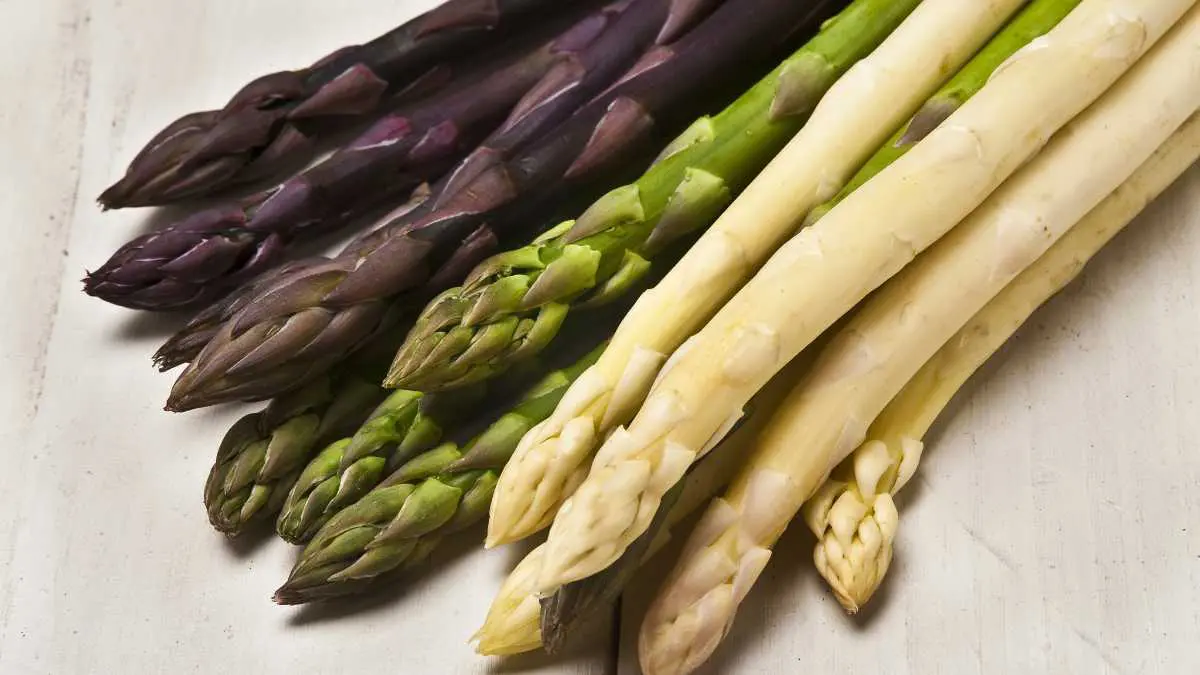
- Be selective with premium options. Organic, specialty colours or pre-trimmed asparagus may cost more; balance these purchases against your recipe’s requirements and the rest of your budget. They’re not necessary for dishes where asparagus is one of many ingredients.
If you want help choosing which asparagus works best for grilling, salads or mixed dishes, you can look to the Canadian Asparagus Types Best Uses guide.
How to Plan with Seasonal Asparagus to Save Money
Once you know when asparagus is in season where you live, you can plan around it instead of treating it as a last-minute addition. This doesn’t require a full meal-plan overhaul; even one or two small routines can keep your budget and food waste in check during asparagus season.
Plan Around What’s in Season
Start by checking a simple “What’s in Season” list or the seasonal asparagus guide when you’re planning your week. If asparagus is listed for that month, choose one or two recipes that fit your schedule and family’s tastes instead of trying to fit asparagus into every meal.
Ideas that work well:
- Pick one quick side dish (such as roasted or sautéed asparagus) that you can make on a busy weeknight. The Canadian Food Focus recipe Enjoy Your Vegetables: Asparagus includes a Cream of Asparagus Soup that can double as a main or a starter.
- Choose one “stretch” recipe that uses asparagus as part of a larger dish, like a pasta, soup, grain bowl or sheet-pan meal; 6 Ways to Incorporate Asparagus into Any Meal pulls several of these ideas together in one place.
This small amount of planning lets you take advantage of seasonal availability without over-committing or over-spending.
Use Asparagus Across Multiple Meals
Using asparagus in more than one meal during the week can help you:
- make full use of a bundle
- rely less on other, more expensive ingredients
- and reduce what gets forgotten in the crisper.
For example, you could:
- Roast a tray of asparagus once and serve part of it as a simple side, then use the rest in lunch salads, grain bowls or wraps. For inspiration, the recipe Herbed Green Split Peas and Asparagus on Toast shows how asparagus can be part of a satisfying, plant-forward meal and this Chicken and Wild Rice Tabouleh is a nutritious Middle Eastern inspired salad.
- Add cooked asparagus pieces to omelettes, frittatas or breakfast bowls later in the week; the egg-based ideas in these 21 Tantalizing Asparagus Recipe Ideas from Food Bloggers of Canada are a good starting point.
- Stir leftover cooked asparagus into pasta, risotto or a one-pan dinner to make the meal feel more “special” without buying separate ingredients for each dish. Asparagus-containing soups such as Barley and Asparagus Avgolemono Soup can also use up smaller amounts. Or if you have lots on hand, Asparagus Soup by Spend with Pennies is a classic.
By stretching one purchase across different meals, you’re effectively lowering the per-meal cost of asparagus in your budget.





Right-Size How Much You Buy
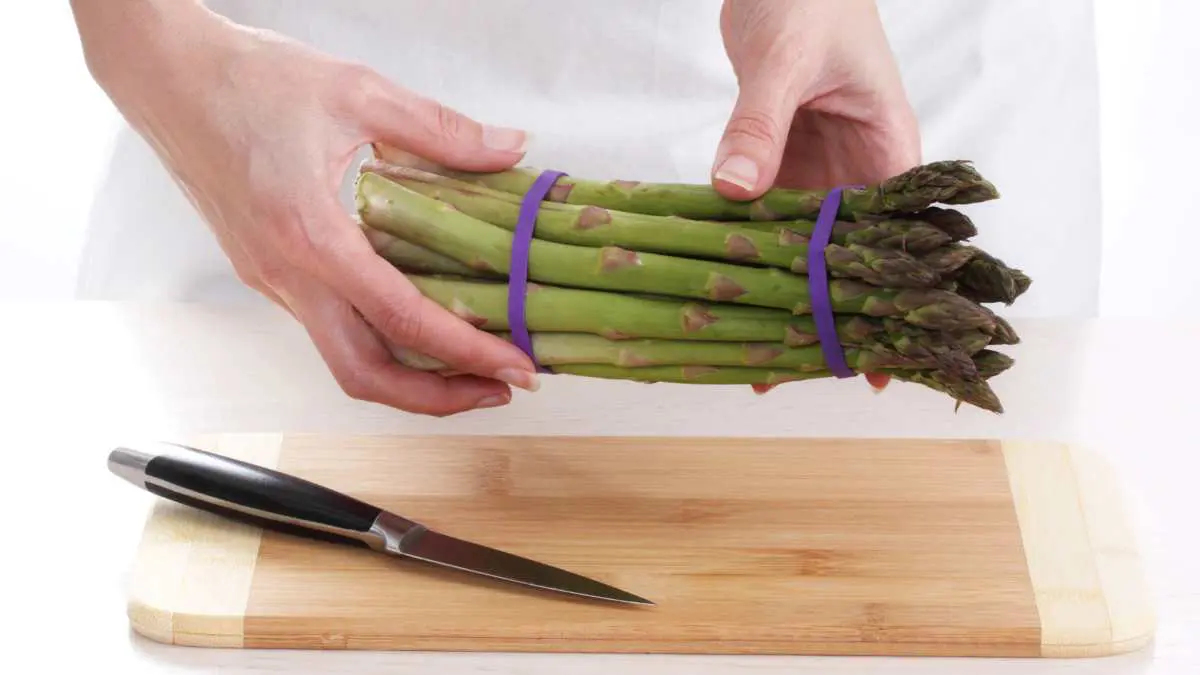
Because asparagus is more perishable than some other vegetables, buying more than you can use within a few days can lead to waste, even when the price looks good. A realistic approach is to match what you buy to your household size, schedule and fridge space.
You can ask:
- How many meals this week will realistically include asparagus?
- How quickly do we usually use up a bundle before it starts to soften?
- Do we have room to store it properly in the fridge (jar with water or damp towel method)?
If you are tempted by a promotion, consider buying slightly more only when you have a specific plan, such as:
- cooking asparagus twice that week
- or blanching and freezing some pieces for future soups or casseroles.
For detailed fridge and freezer steps, check out How to Store Asparagus to Cut Food Waste guide will walk through storage, freezing and “less-perfect” asparagus ideas in more depth.
How Seasonal Asparagus Helps Reduce Food Waste
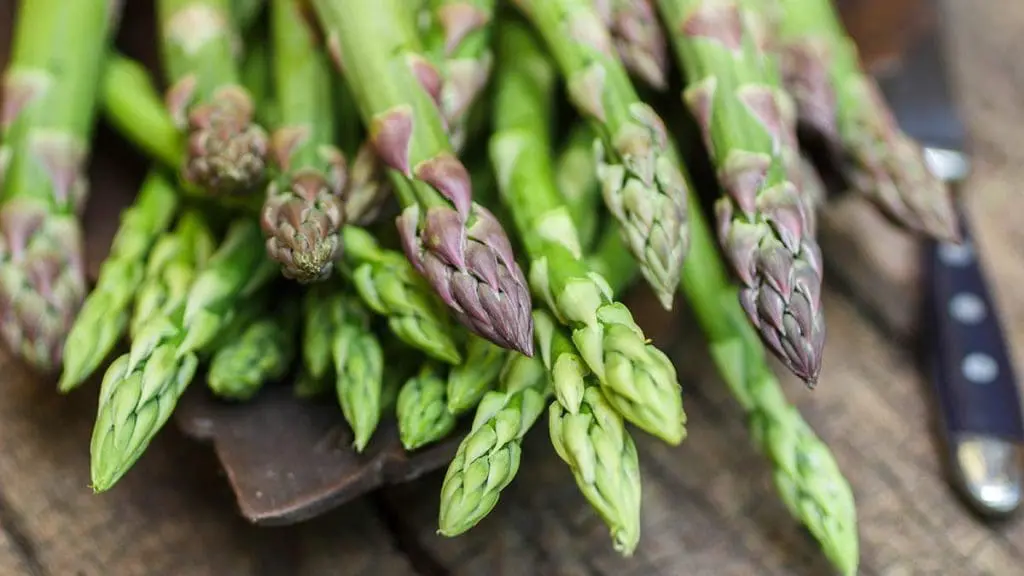
Food that is bought with good intentions but never used still affects your budget. Asparagus is easy to over-buy during local season because it looks fresh and appealing, but it can also be easy to forget at the back of the fridge.
Common reasons asparagus gets thrown out include:
- buying more than your household can use in a few days
- storing it on the counter instead of in the fridge
- or forgetting about it until the spears are very soft or slimy.
A few simple habits can help:
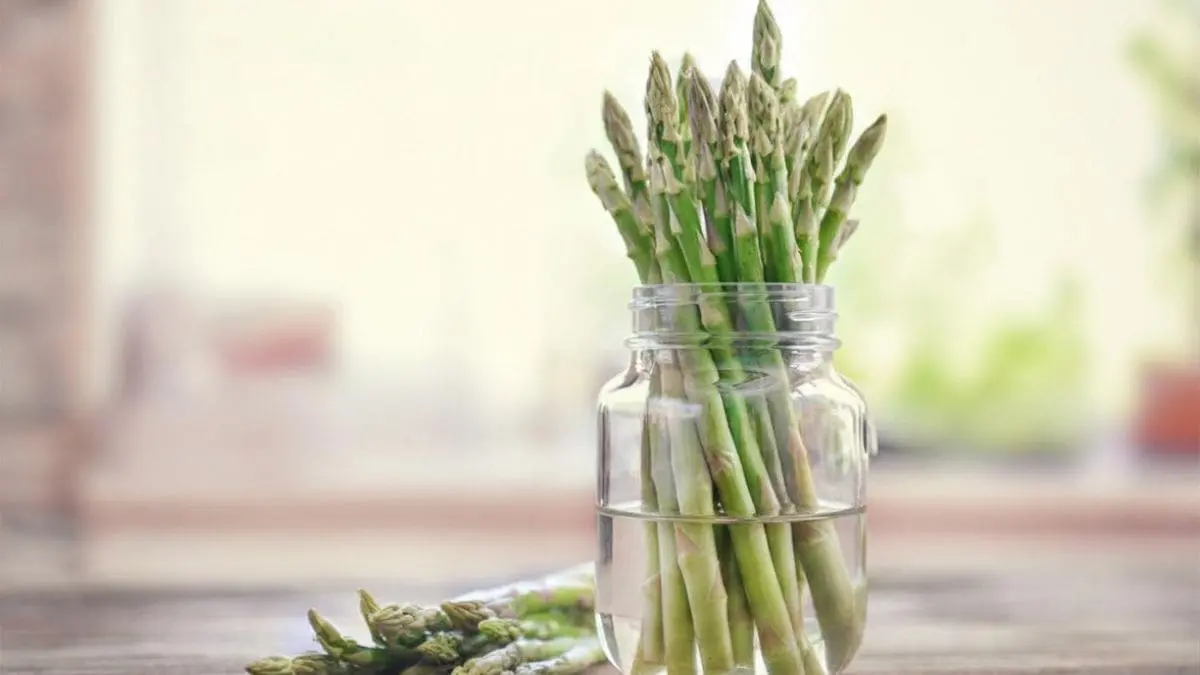
- Store it as soon as you get home. Stand the spears in a jar with a little water or wrap the ends in a damp paper towel before placing them in the fridge.
- Use more perishable items first. Plan to use asparagus earlier in the week and save sturdier vegetables (like carrots or cabbage) for later.
- Freeze what you can’t use in time. If you realize you bought more asparagus than you will use fresh, blanch and freeze pieces for future cooked dishes such as soups, casseroles, stir-fries or egg dishes.
When you connect seasonal planning with simple storage and “use-it-up” ideas, seasonal asparagus can support both your budget and your goal of wasting less food. The storage-focused article mentioned above will also highlight specific “use-it-up” recipes that pair well with this budgeting approach.
Quick Budget Checklist for Buying Asparagus
For busy weeks, it can help to have a short checklist in mind rather than a detailed plan. You might use something like this during asparagus season:
- Check if asparagus is on promotion this week, especially in late spring flyers or your store’s app.
- Compare unit prices and formats (bundles, loose spears, larger packs, organic vs conventional) so you know which option gives you the best value for how you cook.
- Buy only what you’ll realistically use in a few days, based on your household size and schedule.
- Store asparagus in the fridge right away using a jar with water or a damp-towel method.
- Plan at least two ways to use it in the same week, such as a side dish and a simple pasta, soup or egg dish; Canadian Food Focus pulls many asparagus recipe ideas into one place here.
- Freeze some asparagus for cooked dishes later if you take advantage of a bigger promotion and have more than you can eat fresh.
These small steps keep asparagus feeling like a seasonal treat that fits your budget, rather than something that adds stress or ends up wasted. If you’re looking for more ways to build meals around vegetables and pantry staples, Canadian Food Focus recipes sit alongside additional ideas from resources like UnlockFood.ca for nutrition guidance, Food Bloggers of Canada for Canadian recipe inspiration, and established recipe sites like Spend With Pennies for everyday meal ideas.
Check Out These Related Articles





 How to Store Asparagus to Cut Food Waste