
Canadian asparagus comes in a few main types Canadians are likely to see: mostly green spears, with smaller amounts of purple and white asparagus, plus specific Canadian-bred varieties used by growers. Understanding the differences can help you choose the best asparagus for grilling, roasting, salads or soups during its short Canadian season.
Green, Purple and White Asparagus in Canada
More than 90% of Canada’s asparagus is grown in eastern Canada, with 75% from Ontario and 17% from Quebec, according to 2022 stats.
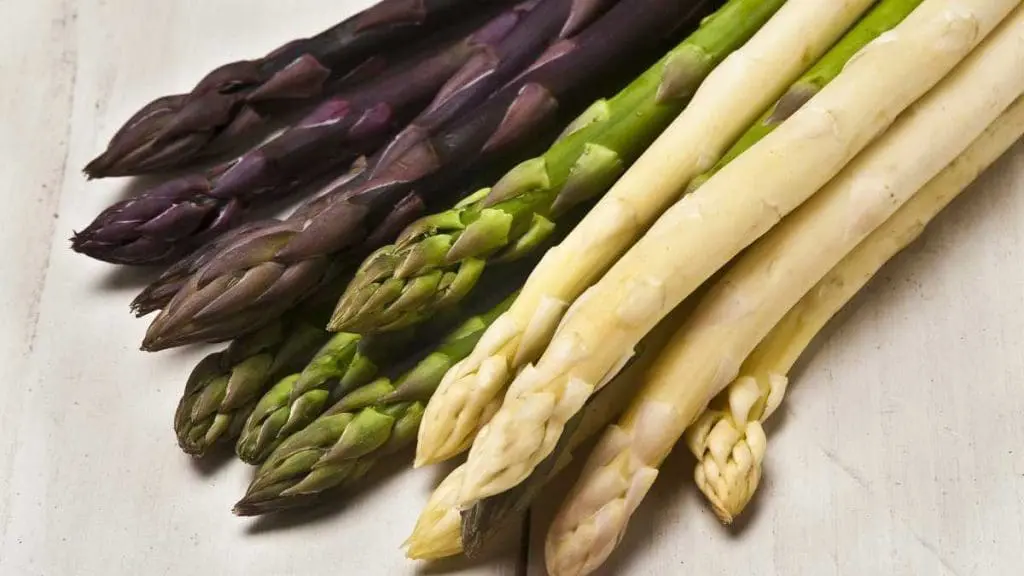
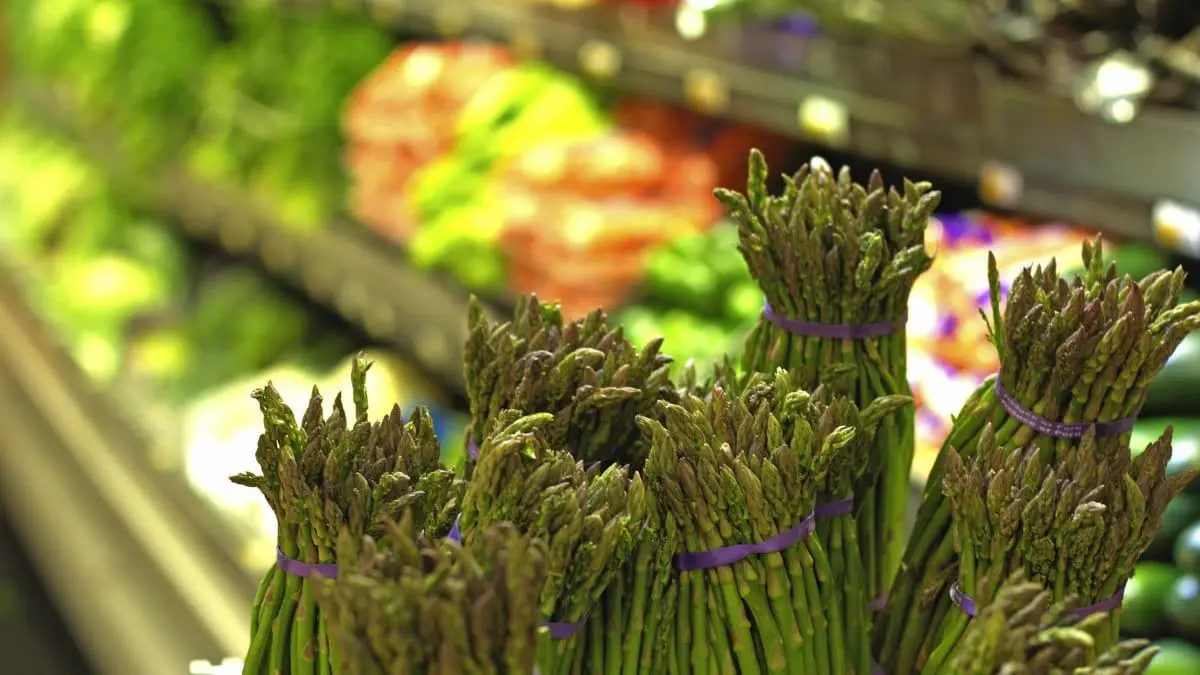
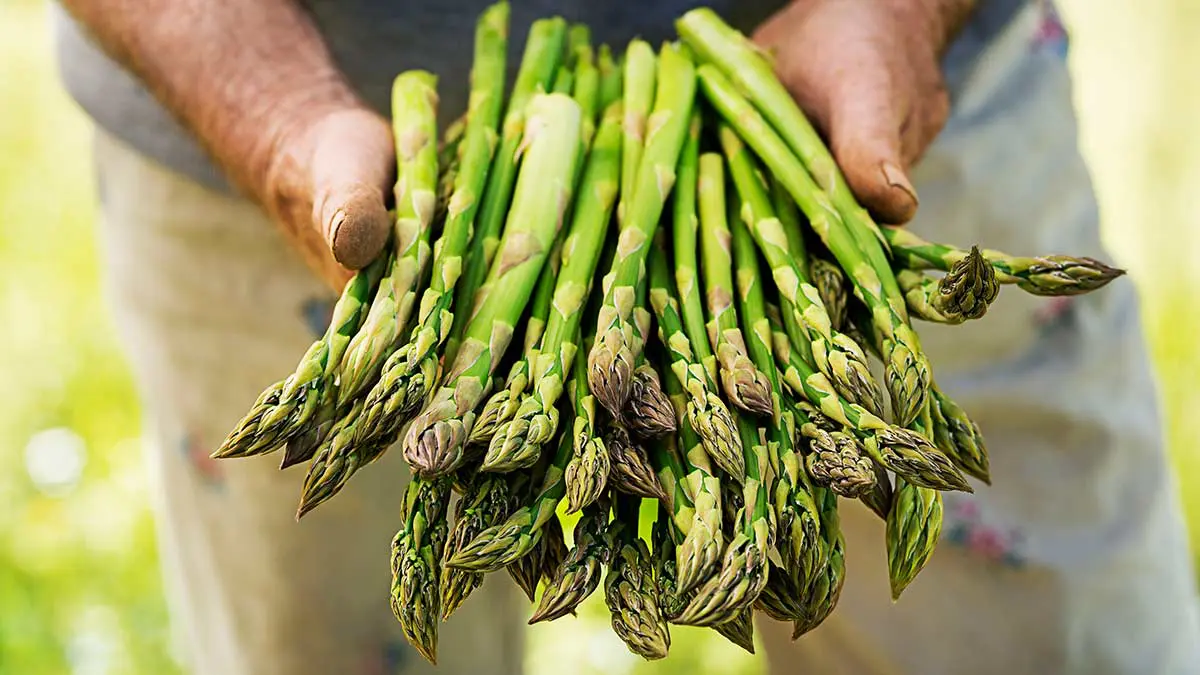
Most asparagus grown and sold in Canada is green. Green spears get their colour from growing above the soil in sunlight, and are what you’ll usually see in grocery stores and at many farm stands. In Canada, green asparagus is the main type available, with white and purple grown in much smaller amounts.
There are also white and purple asparagus types:
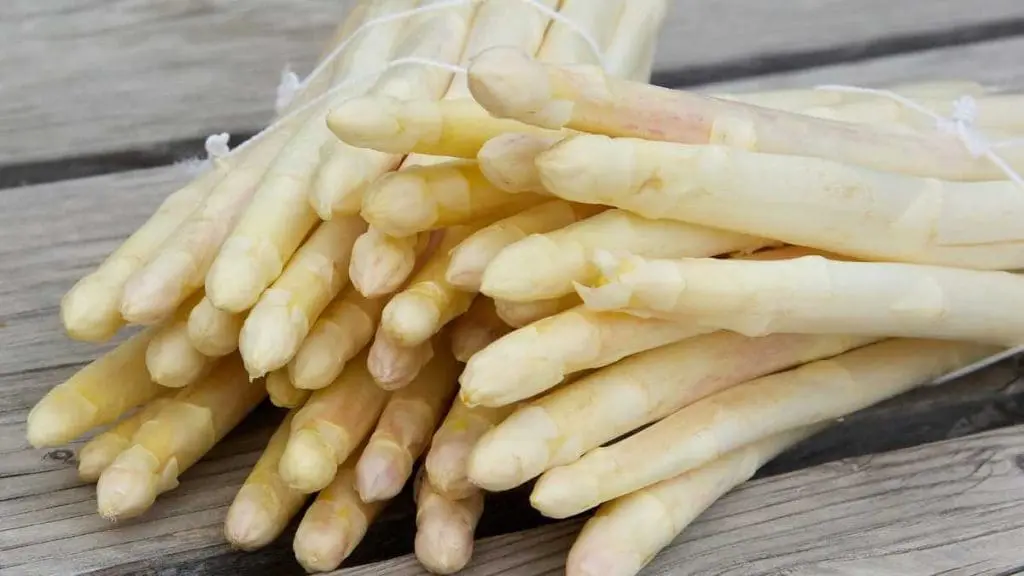
White asparagus comes from the same plant as green but is grown under soil or other covers to block light, which prevents chlorophyll from forming and keeps the spears white. It tends to be thicker, with a milder flavour and can be more fibrous, so it often needs a bit more cooking time
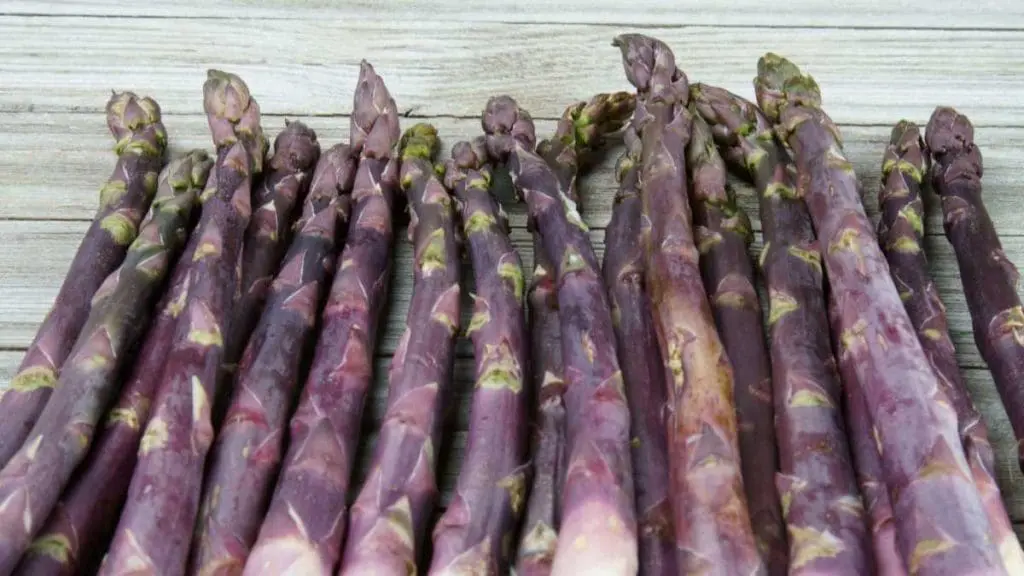
Purple asparagus is a relatively new option in Canada, and a small amount is grown in Ontario and other regions. It gets its colour from pigments called anthocyanins and is often described as slightly sweeter or nuttier than green asparagus, with a bit less fibre. Its colour can fade to green with longer cooking.
Availability of white and purple asparagus is still limited compared with green, and can vary by province, retailer and season. When you do see them, they are often at farm markets, specialty stores or in restaurant dishes rather than in every supermarket.
Canadian-Bred Asparagus Varieties
Growers choose specific asparagus varieties that perform well in Canadian conditions. About 80% of asparagus grown in Canada is reported to be Guelph Millennium, a variety developed at the University of Guelph and adapted to colder climates and heavier soils. It is known for good yields, cold hardiness and long-lived stands, which can be harvested for many years when well-managed.
Other varieties used in Canadian fields and gardens include:
- Guelph Millennium / Guelph Eclipse – Canadian-bred hybrids developed for cooler climates, with strong productivity and spear quality.
- Millennium (as listed in some gardening resources) – highlighted for Eastern Ontario and similar climates as a cold-tolerant, high-yield choice.
- Heritage or international varieties (e.g., Mary Washington, Jersey Giant) – sometimes mentioned in gardener resources for their yield or disease resistance, though they are not reported as the dominant choice in commercial Canadian production.
For shoppers, you may not see these variety names on packaging, but they influence what ends up on Canadian shelves: mostly green spears that handle Canadian springs well and produce reliably for many years.
Best Uses: Green Asparagus
Because green asparagus is the most common type in Canada, it’s also the most versatile in everyday cooking. Its flavour is often described as grassy or slightly nutty, and its texture holds up well to heat.
Green asparagus works especially well for:
- Grilling and roasting
- Sheet-pan and one-pan meals
- Green asparagus pairs well with meats and other vegetables on a single pan. Canadian Food Focus recipes like Sheet Pan Pork Tenderloin with Sweet Potatoes and Asparagus use green asparagus as part of a complete weeknight meal rather than a separate side.
- Soups and blended dishes
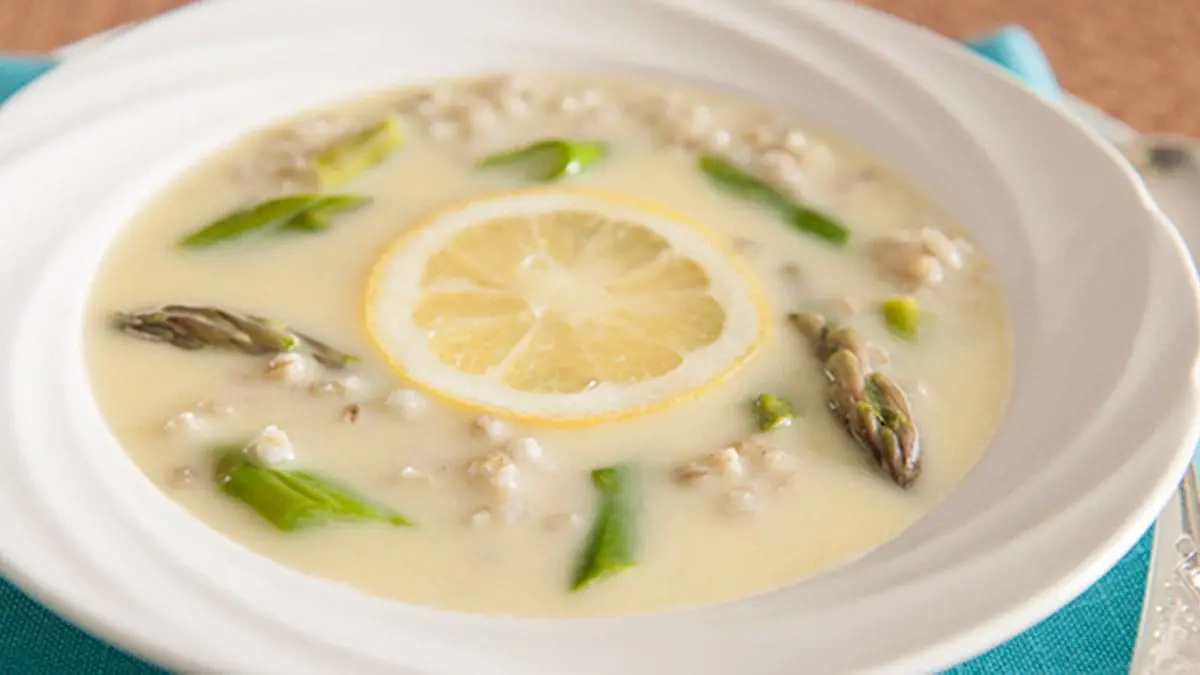
- Green asparagus is commonly used in cream-style soups, as in Cream of Asparagus Soup, and in brothy or grain-based soups such as Barley and Asparagus Avgolemono Soup. Its flavour carries through pureeing and reheating, making it a good choice for make-ahead lunches and dinners.
- Egg dishes and salads
- Lightly cooked green asparagus can be added to frittatas, omelettes and breakfast bowls, or to grain salads and pasta salads. It holds its shape when cut into pieces, so it works well in dishes that will be reheated or eaten cold. Check out this Salmon Asparagus Frittata.
If you are looking for an all-round choice, for most recipes, green asparagus is usually the best fit.




Best Uses: Purple Asparagus
Purple asparagus is a specialty type with a deeper colour and often a slightly sweeter taste. The purple colour comes from anthocyanins, and purple spears can have a bit less fibre and a more tender texture than green. In Ontario, grower organizations describe purple asparagus as a relatively new variety grown in small volumes.
Because its colour can fade with longer cooking, purple asparagus is often best for:
- Raw or lightly cooked dishes
- Sliced raw or very briefly blanched, purple asparagus can add colour and a slightly sweeter flavour to salads, grain bowls or appetizer platters. Pickled Asparagus adds a flavourful punch to salads or as a tangy snack.
- Quick sautés and stir-fries
- Short cooking times over medium-high heat help preserve some of the purple colour while still softening the spears.
- Simple presentations
- When you do find purple asparagus, you may want to feature it where the colour shows: as a garnish, in composed salads or alongside other spring vegetables.
In most Canadian supermarkets, you may not see purple asparagus often; it is more likely to appear at farm markets or in restaurant menus, especially during peak season. If a recipe calls for purple asparagus and you can’t find it, green asparagus is usually a suitable substitute, with slightly less sweetness and a different appearance.
Best Uses: White Asparagus
White asparagus is grown from the same species as green, but the spears are kept covered with soil or other material so they do not produce chlorophyll and stay white. In Canada, only a very small area in Ontario is used for white asparagus, reflecting the extra labour involved. It is more common in some European countries and in specialty markets than in everyday Canadian grocery stores.
White asparagus tends to:
- Have a milder, less “grassy” flavour than green.
- Be thicker and smoother, but can be more fibrous, especially toward the base.
Because of this, white asparagus is often:
- Peeled and cooked a bit longer than green spears, particularly at the lower end, to remove tougher outer layers and achieve a tender texture.
- Used in soups, casseroles and braised dishes where its flavour and texture fit a softer, more delicate presentation.
If a European-style recipe specifically calls for white asparagus and you cannot find it, green asparagus can usually be substituted, keeping in mind that the flavour will be more pronounced and the colour will change the look of the dish.
Choosing the Right Asparagus for Your Dish
For most Canadians, the practical choices come down to green asparagus (widely available) and, when you see it, smaller quantities of purple or white. A simple way to choose:
- For grilling, roasting, sheet-pan dinners and most soups: green asparagus is the default.
- For salads, raw dishes or where colour is the focus: purple asparagus, used raw or lightly cooked when available.
- For European-style dishes or when you find it at a specialty market: white asparagus, peeled and cooked until tender, often in softer, braised or soup-style recipes
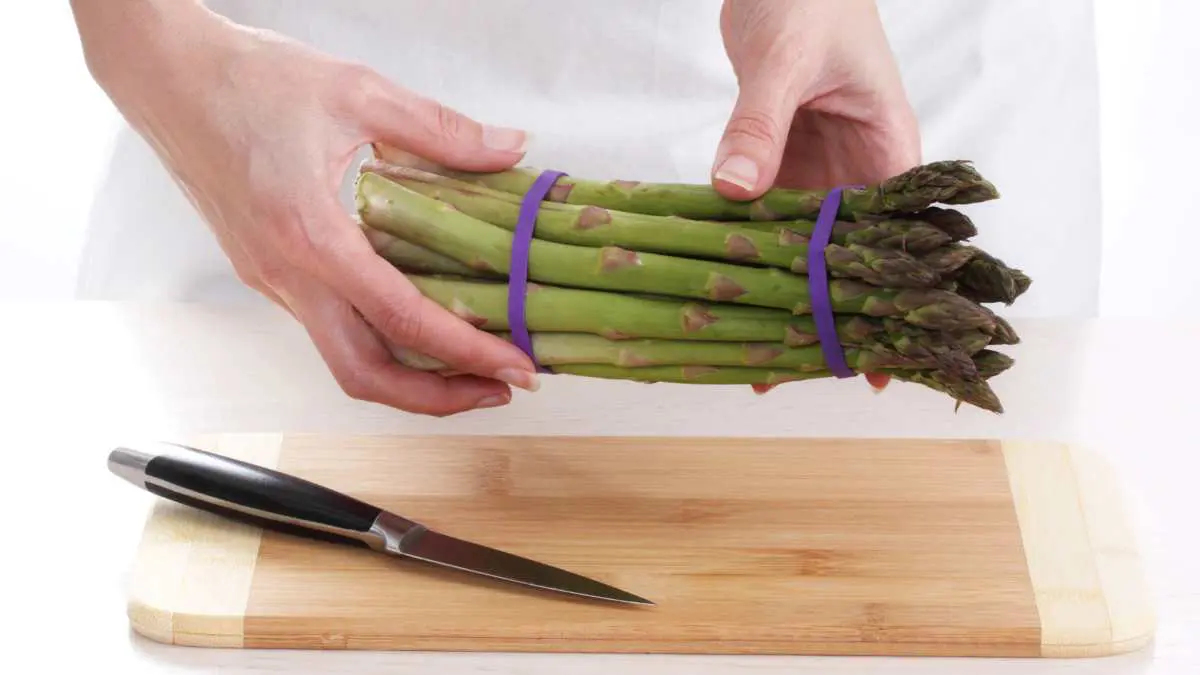
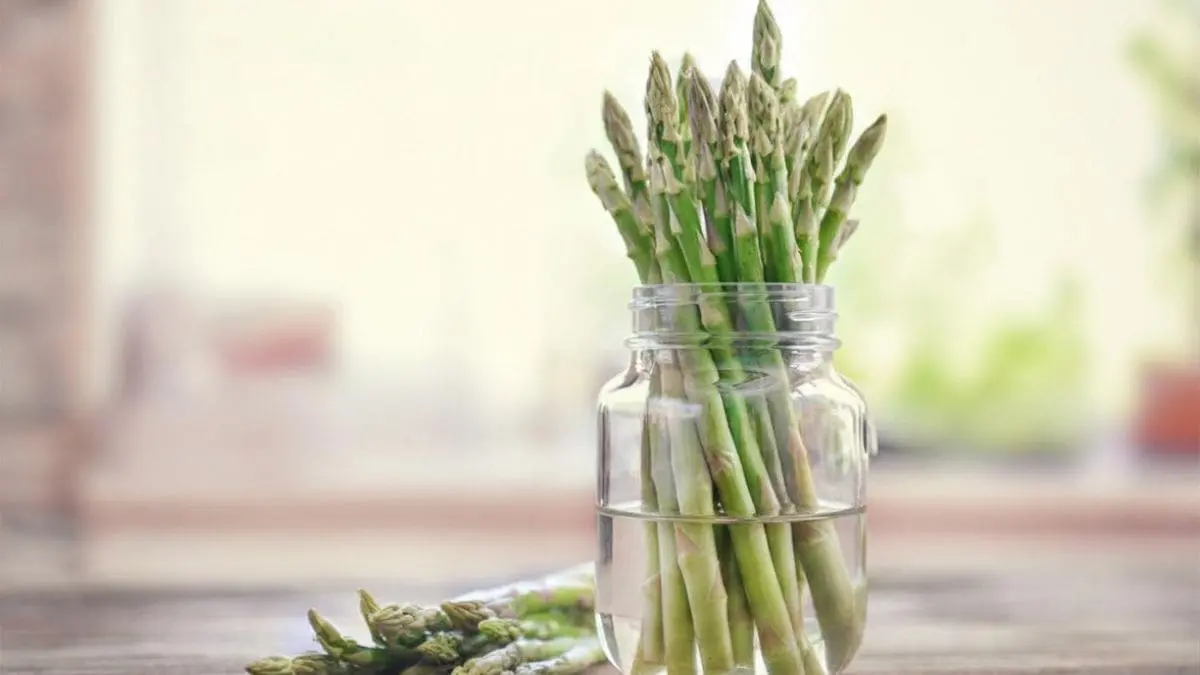
No matter which type you choose, the basics of buying and storage still apply: look for firm, closed tips, avoid very limp or slimy spears, and store asparagus promptly in the fridge using a jar-with-water or damp-towel method. That way, you can make the most of Canadian asparagus types throughout their short season. Learn more about How to Store Asparagus to Cut Food Waste.
Check Out These Related Articles




 How Digital Agriculture Is Transforming Farming in Western Canada