
Asparagus is one of the first fresh vegetables of spring in Canada, but it can also be one of the easiest to waste if it gets pushed to the back of the fridge and forgotten. The way you store asparagus has a big impact on how long it stays crisp and how much of it you end up throwing out. This guide focuses on simple, realistic storage habits that help you enjoy more of the asparagus you buy, whether it is in peak Canadian season or available at other times of the year.
If you would like a refresher on when asparagus is in season, where it is grown and how to use it, start here. You can also discover the different types and best uses of Canadian asparagus and easy ways to use it in your cooking.
Why Storage Matters for Asparagus
Asparagus spears start to lose moisture from the moment they are harvested, which is why they can go from crisp to limp surprisingly fast. Canadian grower and food-waste resources emphasize that asparagus keeps best when it is kept cold and the cut ends are protected from drying out, usually with some moisture.
When asparagus is not stored properly, common issues include:
- Tips that become very soft, slimy or dark.
- Stems that lose firmness and wrinkle or bend instead of snapping.
- Off odours that signal spoilage.
Proper storage slows these changes so you have more time to use your asparagus and less ends up in the compost or garbage.
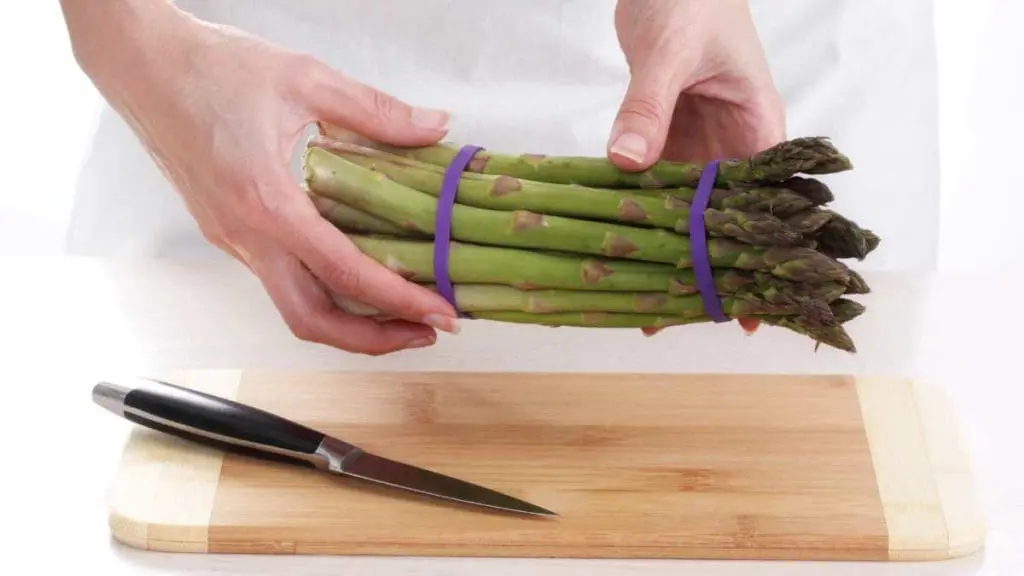
Fridge Storage: The Best Ways to Keep Asparagus Fresh
Most Canadian sources agree that the fridge is the best place to store fresh asparagus at home. Within the fridge, there are two main methods that fit different fridges and households: a jar-of-water method and a damp-towel-and-bag method.
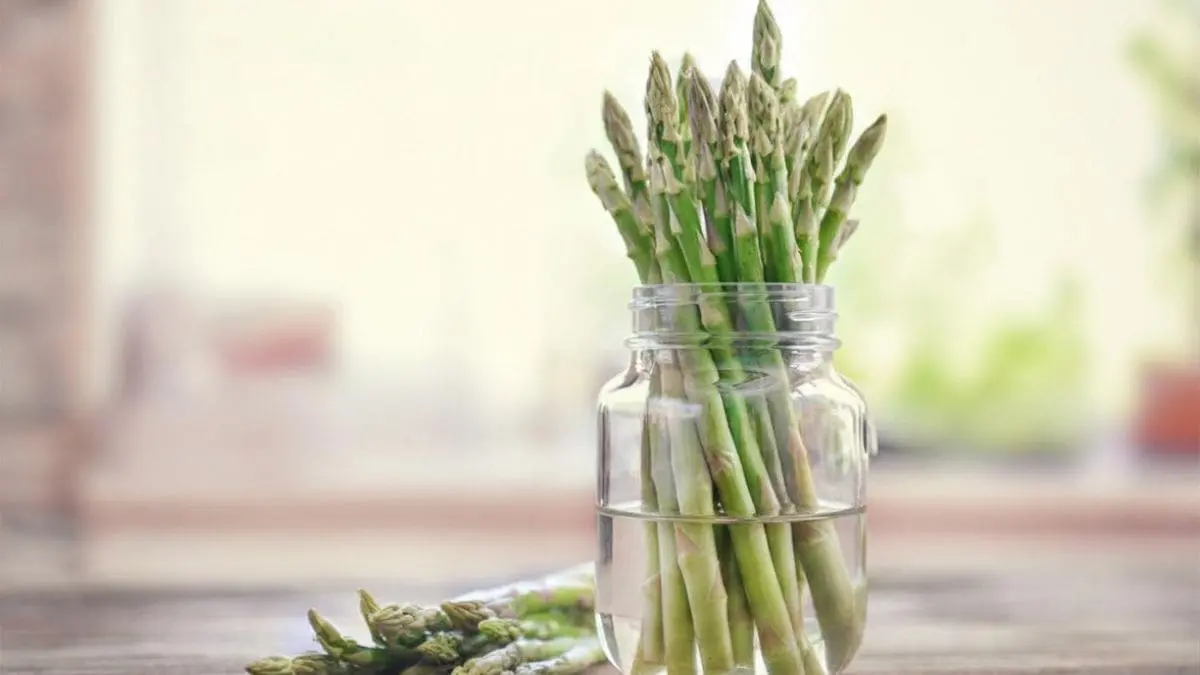
Method 1: Treat Asparagus Like Fresh Flowers (Jar of Water)
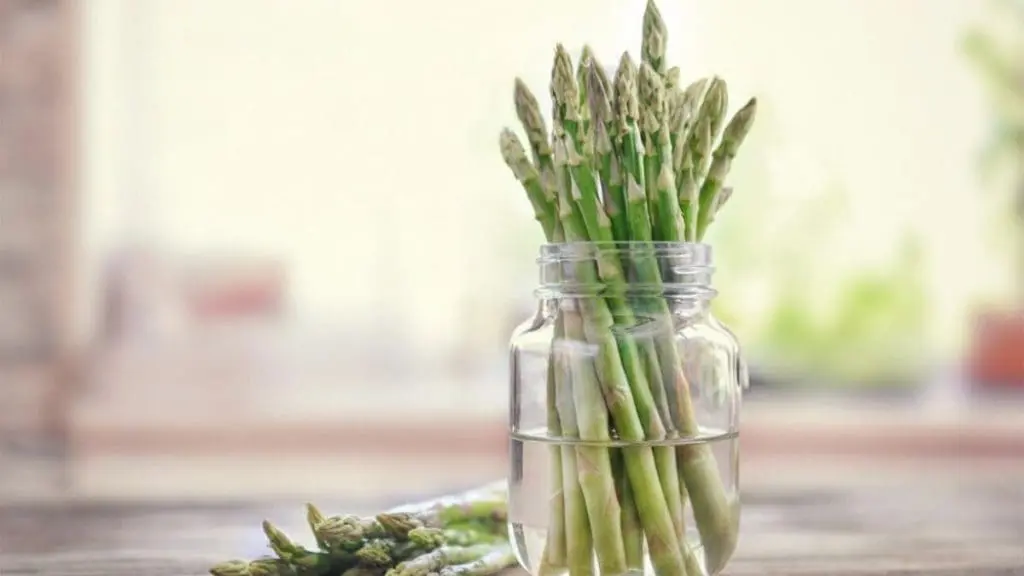
Ontario grower and food-waste organizations recommend standing asparagus upright in a jar with a little water in the fridge, similar to how you would treat cut flowers.
Steps:
- Trim a small piece off the ends of the asparagus spears when you get home, especially if the ends look dry.
- Keep the bunch together with the elastic band and stand the spears upright in a jar, glass, mug or container.
- Add about 2–3 cm (around 1 inch) of cold water to cover just the cut ends, not the tips.
- Loosely cover the tips with a plastic bag.
- Place the jar in the fridge. If you plan to store asparagus for more than a few days, loosely cover the tops with a plastic bag.
- Check the water every couple of days and change it if it looks cloudy.
Benefits:
- Helps keep spears crisp for longer than simply leaving them loose in the fridge.
- Makes the asparagus visible each time you open the fridge, which can be a handy reminder to use it.
Method 2: Damp Towel and Bag
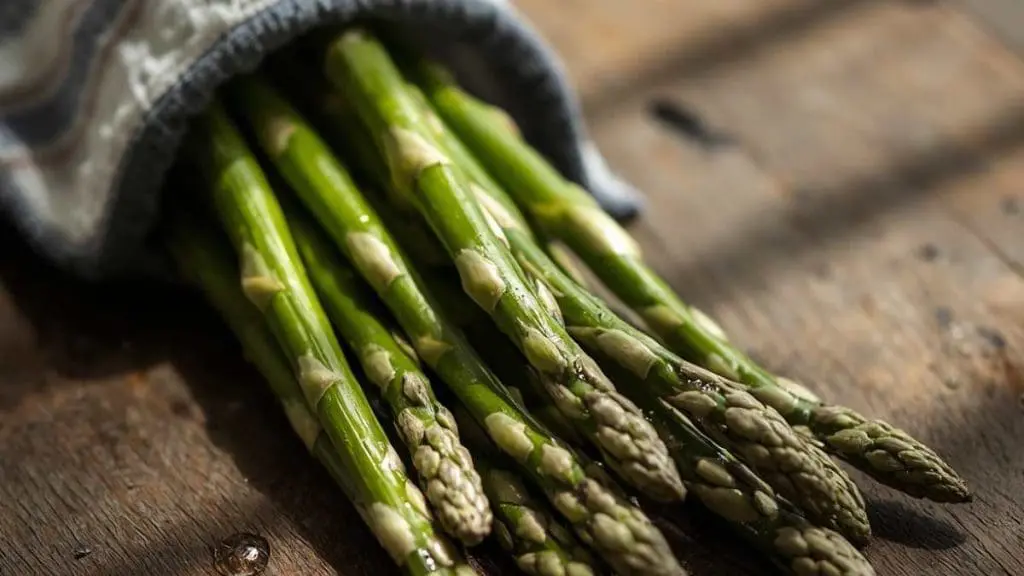
If fridge space is tight or a jar is not practical, a second option is to wrap the cut ends in a damp paper towel and store the asparagus in a bag in the fridge.
Steps:
- Trim the ends if they look dry.
- Wrap the bottom ends of the spears in a slightly damp paper towel or clean cloth.
- Place the bunch in a reusable or plastic bag, leaving some air space so the spears can breathe rather than being tightly sealed.
- Store in the fridge and aim to use within a few days.
This method also helps keep asparagus from drying out and is helpful when jars are not an option.
How Long Does Asparagus Last in the Fridge?
How long asparagus lasts depends on how fresh it was when you bought it, how it was stored and your fridge temperature. A practical rule is to use asparagus within several days for the best eating quality, even if good storage can sometimes extend that window to around a week or a little longer.
If you are planning meals around a bunch of asparagus, it helps to use it earlier in the week and leave sturdier vegetables for later. That is also a useful budgeting habit, which is covered in more detail in Seasonal Asparagus in Canada and Your Grocery Budget.
Signs Your Asparagus Is Past Its Best
Understanding when asparagus has gone from a bit tired to better not eaten helps you make safe choices and avoid unnecessary waste.
Common signs that asparagus is no longer good to use include:
- Tips that are very soft, mushy, slimy or dark.
- Stems that feel very soft or slippery rather than firm, or that have a strong off smell.
- Visible mould anywhere on the spears.
If you see these signs, especially together, it is safest to compost or discard that asparagus.
If asparagus is still safe but less crisp—for example, the stems are slightly bendy or the tips are just starting to soften—you may still be able to use it in cooked dishes where texture matters less, such as soups, casseroles or egg dishes. For help deciding which asparagus is best for which kind of recipe, see Canadian Asparagus Types and Best Uses.
Can You Freeze Asparagus?
Freezing asparagus can be a good way to prevent waste if you realize you bought more than you can use fresh, especially during peak season. Most home-freezing guides suggest blanching asparagus before freezing to help preserve its texture, colour and flavour.
How to Freeze Asparagus
- Wash and trim the asparagus, removing tough ends.
- Sort spears by size if possible so you can blanch them evenly.
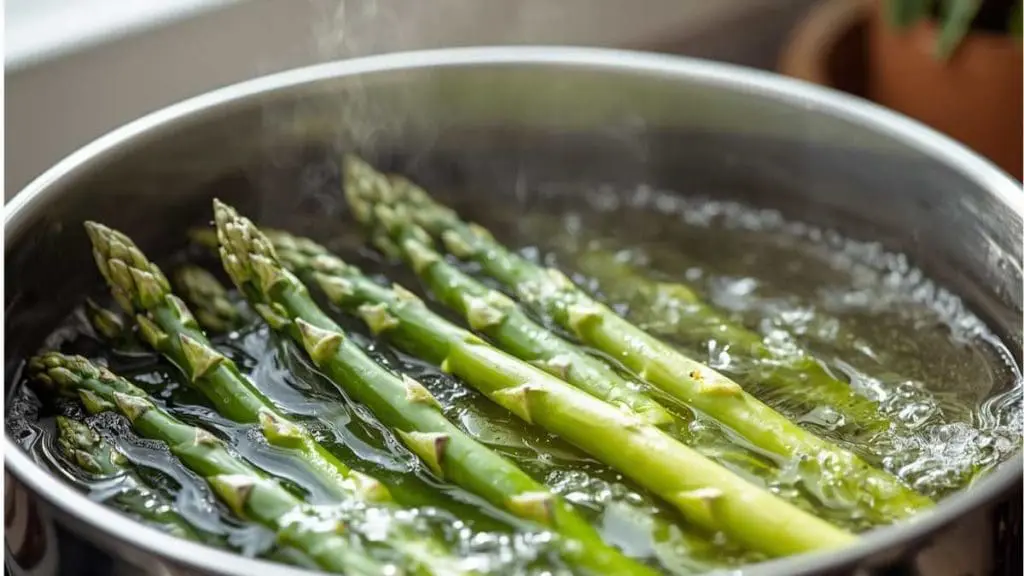
- Bring a large pot of water to a boil and prepare a bowl of ice water.
- Blanch the asparagus:
- Small or thin spears: about 2 minutes.
- Medium spears: about 3 minutes.
- Large or thick spears: about 4 minutes.
- Transfer spears immediately to the ice water to stop the cooking, then drain and pat dry.
- Spread the spears in a single layer on a tray to pre-freeze, then transfer to a freezer bag or container, removing as much air as practical.
Blanched asparagus is best used in cooked dishes, such as soups, casseroles, stir-fries, pasta or egg dishes, rather than in raw salads where crispness is important.



Simple Use-It-Up Ideas for Tired Asparagus
Even with good storage, there may be weeks when asparagus becomes a little softer before you have time to cook it. As long as it still smells fresh and shows no signs of spoilage, slightly limp asparagus can often be used in cooked dishes where texture is less noticeable.
Ideas that work well include:
- Cream-style soups and blended soups – Slightly softer asparagus can be cooked until tender and blended into soups, such as Enjoy Your Vegetables: Asparagus, where the final texture is smooth and the flavour is the focus.
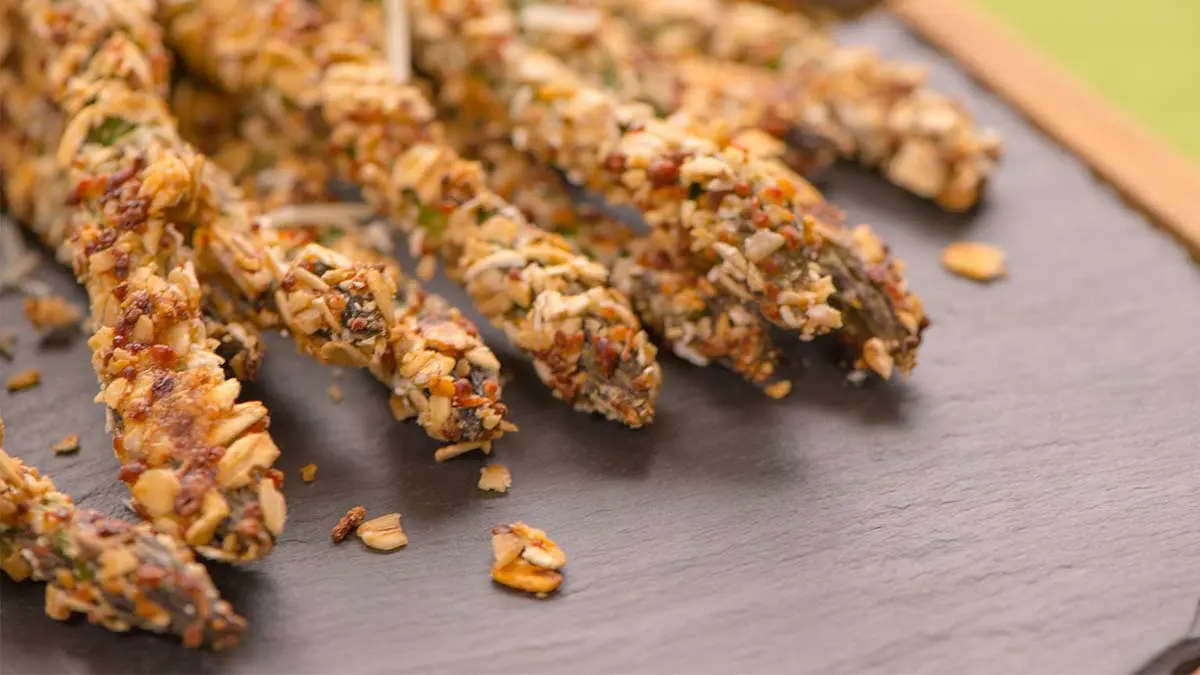
- Egg dishes – Chopped asparagus can be added to omelettes, frittatas or breakfast casseroles. The ideas in 6 Ways to Incorporate Asparagus into Any Meal are a good starting point.
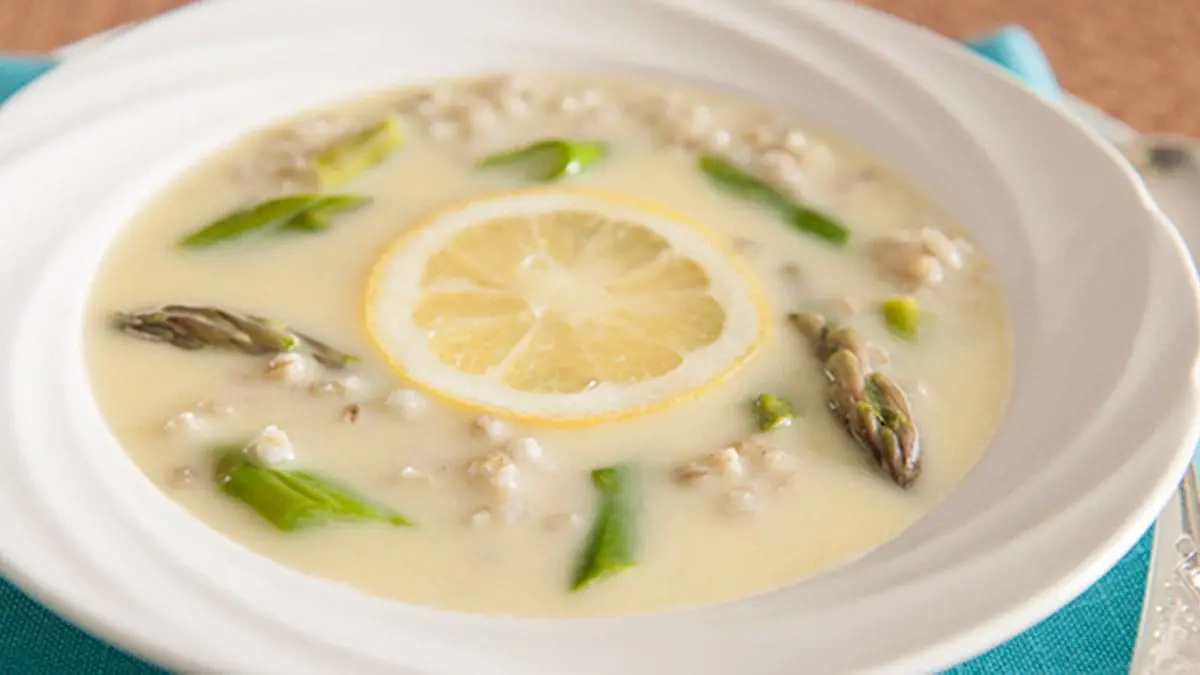
- Pasta, risotto and grain dishes – Cut asparagus pieces can be added to pasta, risotto, barley dishes or grain bowls, especially when combined with other vegetables or pulses. See Barley and Asparagus Avgolemono Soup and Herbed Green Split Peas and Asparagus on Toast for ideas.
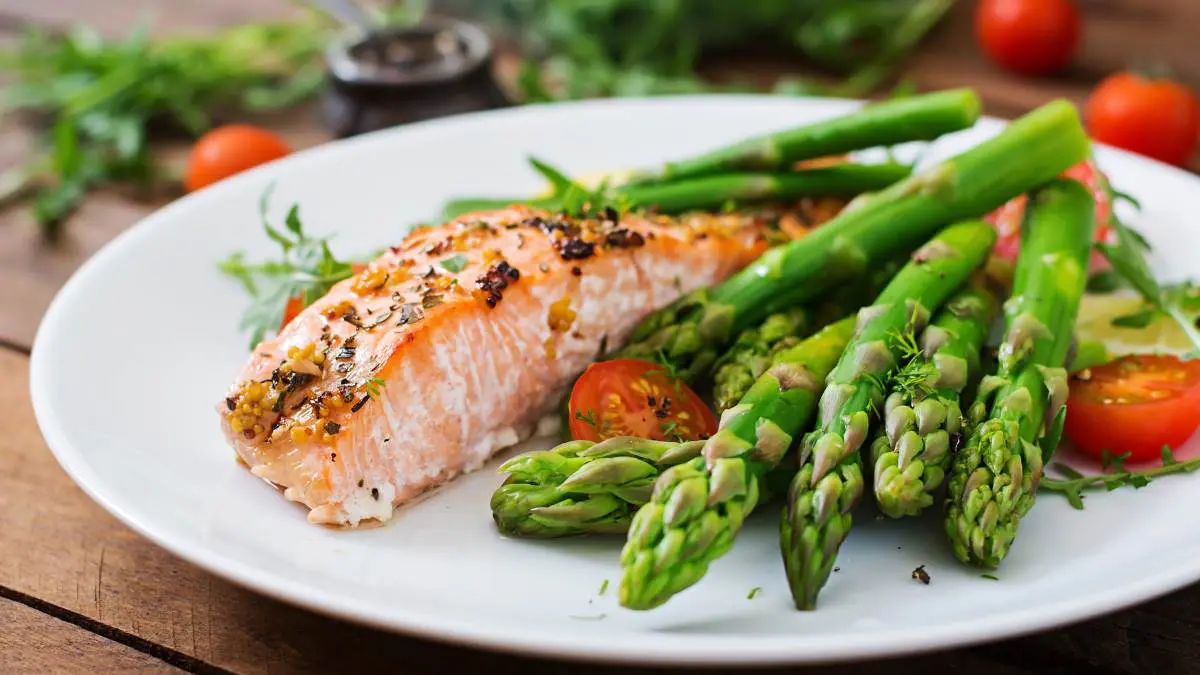
- Sheet-pan and one-pan meals – Last bits of asparagus can join other vegetables and a protein on a sheet pan or in a one-pan meal, like Sheet Pan Pork Tenderloin with Sweet Potatoes and Asparagus.
For even more recipe ideas, browse the Canadian Food Focus asparagus archive.
A Simple Storage and Waste-Reduction Checklist
To make these ideas easier to use on busy days, it can help to have a short checklist in mind each time asparagus comes into your kitchen:
Unpack and store asparagus in the fridge as soon as you get home, using either the jar-of-water method or the damp-towel-and-bag method.
Plan to use asparagus earlier in the week, leaving sturdier vegetables for later.
Check the jar water or towel every couple of days and refresh as needed.
Look for early signs of softening and move asparagus into a soup, egg dish or pasta when it is no longer crisp enough for salads or quick sautés.
Freeze extra asparagus in blanched form if you take advantage of a promotion and realize you have more than you can use fresh.
Compost or discard asparagus with strong off odours, slimy tips or visible mould, even if it feels like a waste—food safety comes first.
Small, consistent habits like these can make a noticeable difference over a season, helping you waste less asparagus and get more value from every bunch.
You can round out this article with the rest of the asparagus series:



 Easy Ways to Use Asparagus in Seasonal Recipes