
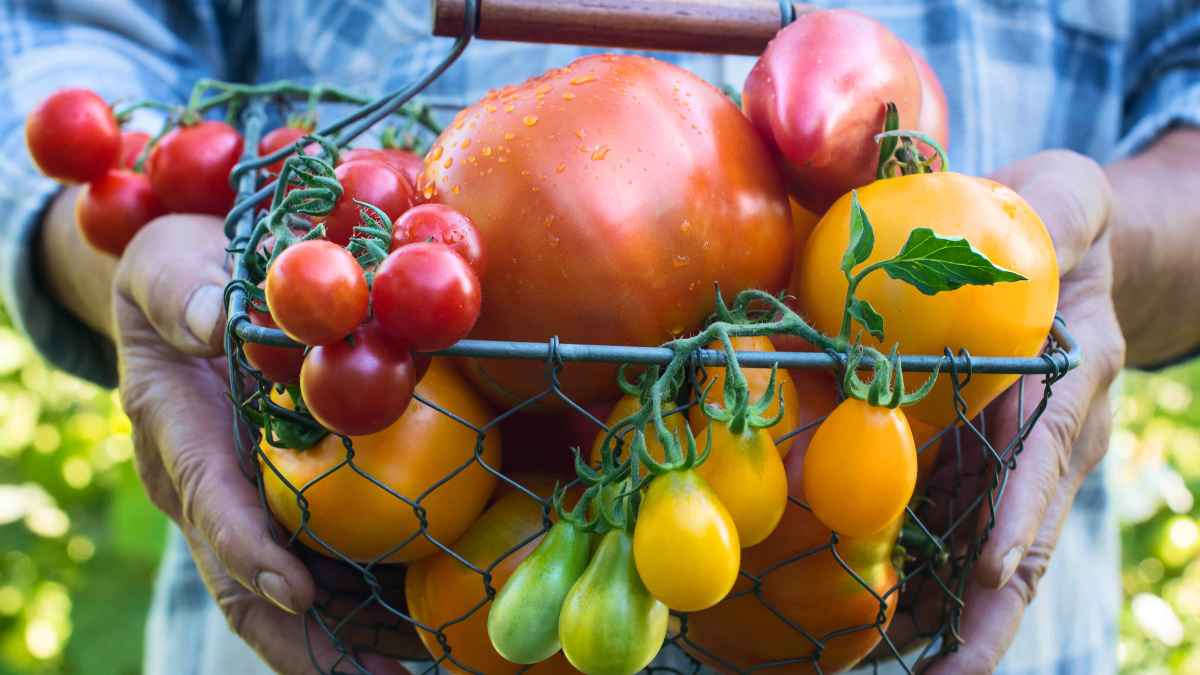
At the end of a long week, it is easy to stare at a container of greenhouse cherry tomatoes or a counter full of ripe field tomatoes and wonder what to do with them before they go. Tomatoes are genuinely one of the most versatile vegetables in a Canadian kitchen. They work raw, roasted, simmered, blended, and preserved. They are just as useful in January from a greenhouse as they are in August from a farm stand. This guide covers the most practical, satisfying ways to use tomatoes through every season, with links to recipes that make each approach easy to put into practice. For the full guide to Canadian tomato types and availability, see What’s in Season? Tomatoes.






Fresh and No-Cook Ideas
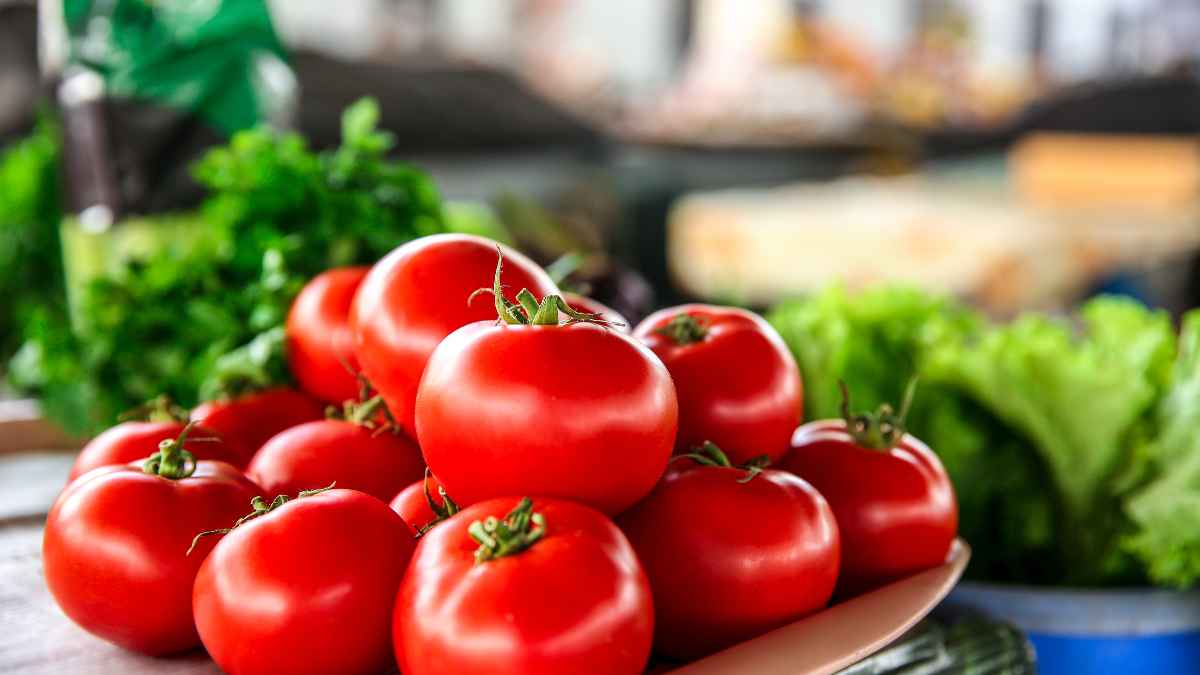
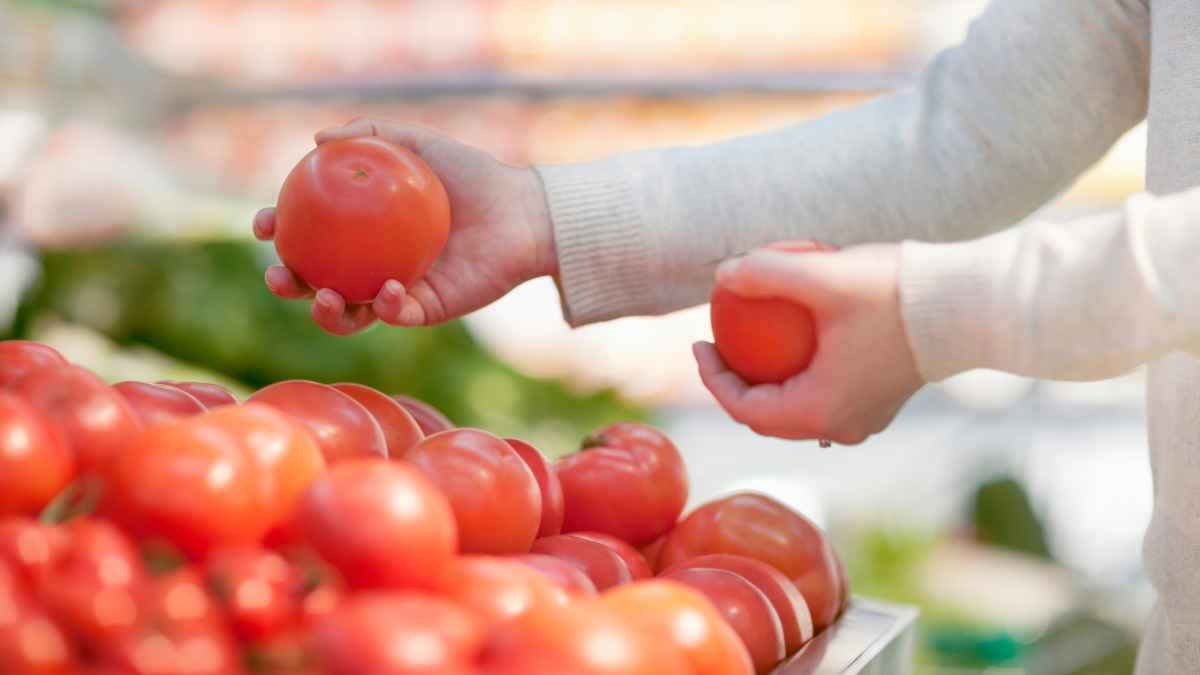
The freshest tomatoes need the least done to them. When Canadian field tomatoes are at their August and September peak, or when you have a ripe greenhouse tomato that smells good at the stem end, keep it simple.
Caprese: Thick slices of round or beefsteak tomato layered with fresh mozzarella and basil, finished with good cold-pressed canola oil and flaked salt. No vinegar needed if the tomatoes are ripe.
BLTs and sandwiches: Beefsteak tomatoes are built for this use. Slice from top to bottom for the widest, most usable surface. The combination of ripe tomato, good bread, crisp bacon or a fried egg, and a smear of mayonnaise is one of the most satisfying quick meals in Canadian summer cooking. Try marinating the tomato slices first for a zingy kick.
Bruschetta: Dice ripe round or roma tomatoes and toss with cold-pressed canola oil, garlic, and basil. Pile onto toasted baguette slices for an easy appetizer or mix it into fresh cooked pasta for a light meal.

Salads: Cherry and grape tomatoes need no preparation beyond washing. Halved into a green salad, diced with bocconcini and red onions, tossed with cucumber and feta, or eaten whole as a snack, they are one of the most reliable year-round additions to Canadian lunch routines.
See 3 Fabulous Ways to Enjoy Tomatoes for more fresh and no-cook ideas, including stuffed and baked round tomatoes.
Roasting and Sheet-Pan Meals
Roasting is one of the best things you can do to a tomato. High heat drives off moisture, concentrates natural sugars, and develops a caramelised, slightly smoky depth that no other cooking method produces. It also works with imperfect tomatoes, where the heat compensates for what ripeness cannot.
Cherry and grape tomatoes roast particularly well. Spread them whole on a sheet pan with canola oil and salt at 220°C (425°F), and in 20 to 25 minutes they will burst and caramelise, ready to be tossed with pasta, spooned over grilled chicken, or eaten directly from the pan.
Round and beefsteak tomatoes roasted in halves develop a concentrated, jammy texture that works beautifully in grain bowls and as a side dish alongside roasted vegetables and proteins.
For a full sheet-pan dinner idea using Canadian greenhouse tomatoes alongside chicken or salmon, see 3 Fabulous Ways to Enjoy Tomatoes. For a more elaborate roasted tomato preparation, try Tomato Grilled Chicken with Oven Roasted Tomato and Onion Marmalade.
Soups, Stews and Comfort Dishes
Tomatoes are one of the foundational flavour builders in cold-weather cooking, and they work in this role year-round. Fresh, frozen, and canned tomatoes are all equally useful in soups and stews, which makes this the most season-independent category.
Tomato soup: A blended tomato soup made from roasted or simmered tomatoes, onion, and garlic is one of the most satisfying things a Canadian kitchen can produce anytime of year but especially during peak field season. It pairs equally well with a grilled cheese sandwich regardless of what is happening outside. Check out this Homemade Tomato Soup (Fresh Tomatoes) from SpendWithPennies.com.
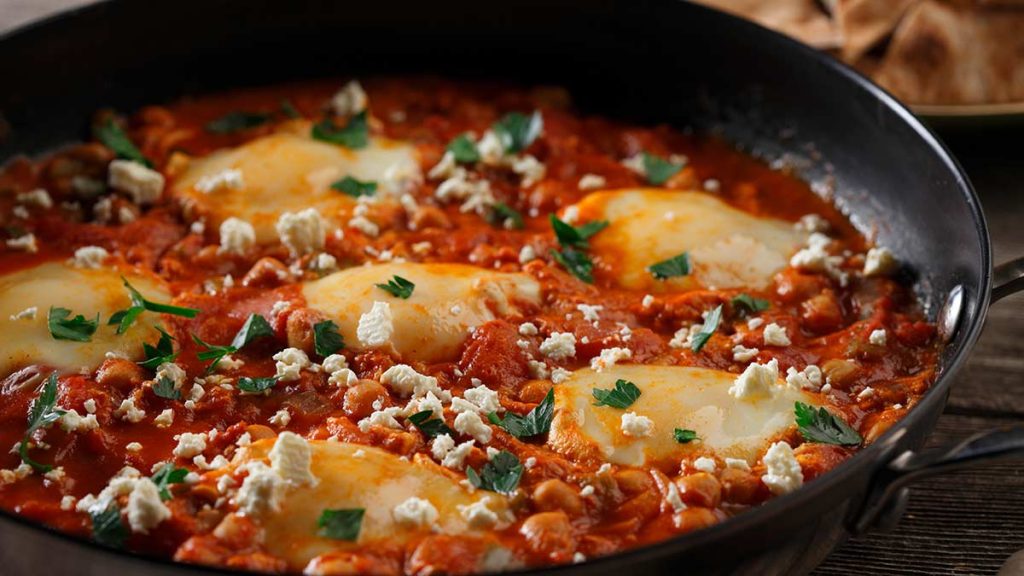
Shakshuka: Eggs poached directly in a spiced tomato sauce is a meal that works at any hour of the day and uses tomatoes in any state, from peak-ripe field tomatoes in September to greenhouse tomatoes from the fridge that needed to be used up. Here’s a version with chickpeas for additional protein.
Chili: Tomatoes are the base of most Canadian chili recipes, and the combination of diced tomatoes, tomato paste, and beans or ground meat is a natural fit for batch-cooking and freezing. Slightly soft tomatoes that are past their fresh-eating window work perfectly here. Learn How to Make Chili to clean out your fridge or pantry.
For five warming tomato recipes suited to colder months, see 5 Chilly Day Tomato Recipes.
One nutritional note for cooked tomato dishes: research suggests that lycopene, a naturally occurring compound in tomatoes, may be more readily absorbed by the body when tomatoes are cooked or processed. A bowl of tomato soup is a genuinely nutritious choice, not just a comfort one.
Sauces, Pastes and Preserves
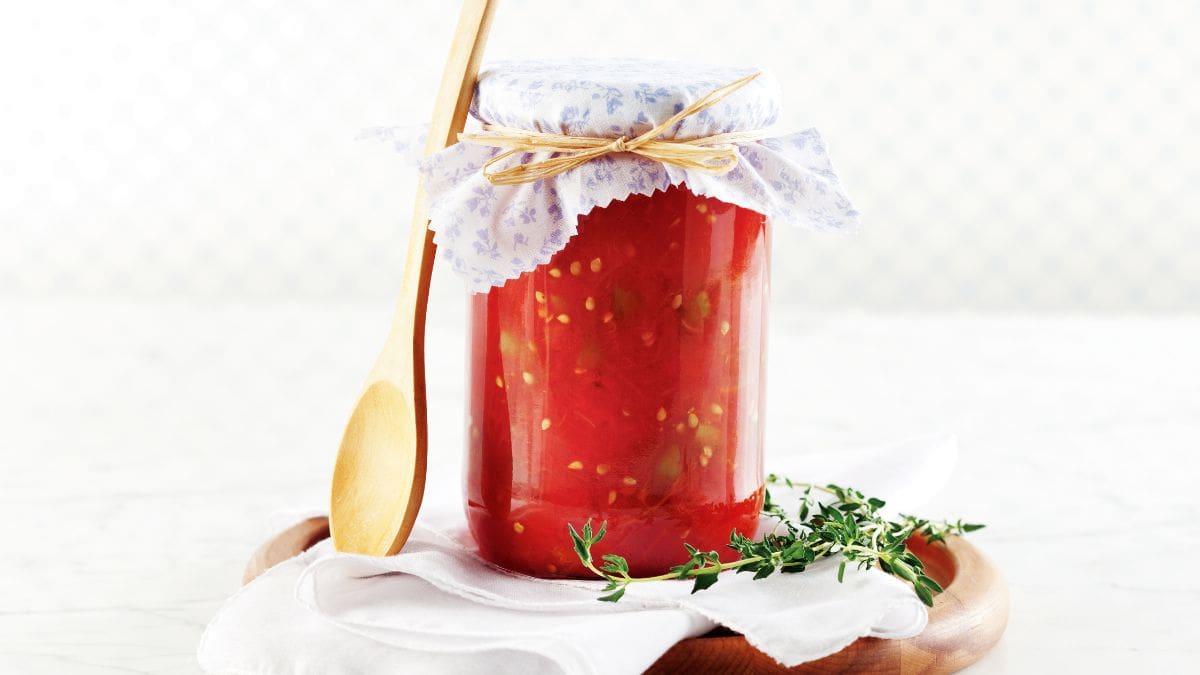
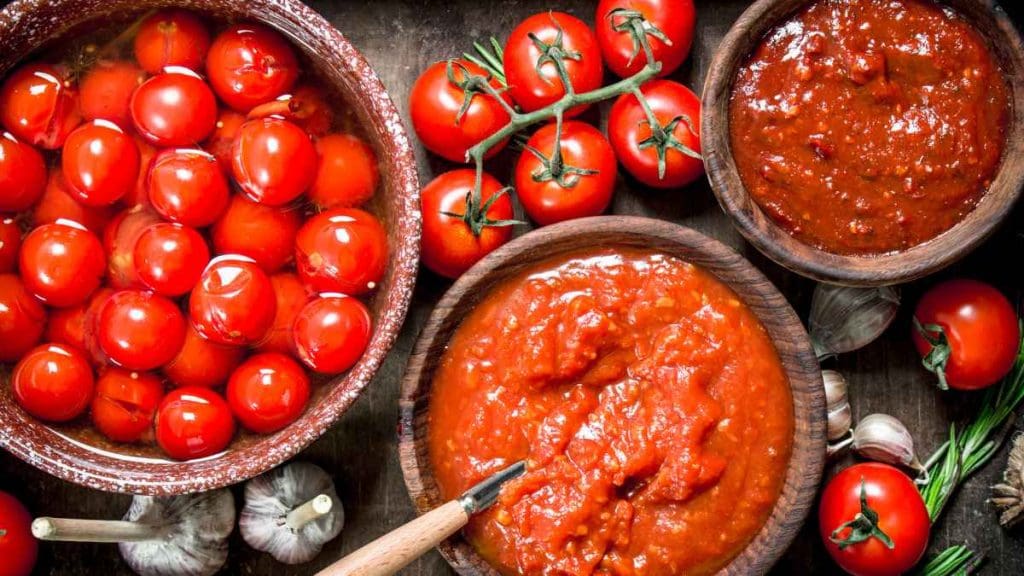
Peak field tomato season in August and September is when Canadian home cooks have historically put tomatoes up for winter. A Saturday morning at a farm stand with a bushel of romas, an afternoon at the stove, and a chest freezer full of sauce is a genuinely practical way to stock a pantry for the months when fresh tomatoes are expensive or less flavourful.
Simple tomato sauce: Simmer quartered romas or rounds with canola oil, onion, garlic, and salt until reduced by roughly half. Blend or leave chunky. Freeze in recipe-sized portions. This sauce works in pasta, pizza, shakshuka, chili, and soup for months after the tomatoes themselves are long out of season.
Tomato paste: Roma tomatoes slow-roasted at low temperature until they are deeply concentrated and almost spreadable become a tomato paste that is far more flavourful than most commercial equivalents. Freeze in tablespoon-sized portions in an ice cube tray and transfer to a bag. Make your own!
Roma tomatoes are the best choice for sauce and paste because their lower moisture content reduces cooking time and produces a richer result. For storage guidance on what to do with your preserved tomatoes, see How to Store Tomatoes.
Save Some for Later
Regardless of the season, any tomatoes you cannot use in the next two to three days are better frozen than wasted. Whole or chopped tomatoes freeze quickly and hold for up to three months. When you are ready to use them, add them directly to whatever you are cooking from frozen. There is no need to thaw first for soups, stews, or sauces.
During peak field season, freezing in bulk is worth the effort. A few hours of processing in September produces a supply of good-quality tomatoes that carries real value through the winter months when greenhouse tomatoes are the primary option.
For the full freezing guide, see How to Store Tomatoes. For guidance on shopping and budgeting around tomato season, see Seasonal Tomatoes and Your Grocery Budget in Canada.
Additional Articles to Explore







 Frequently Asked Questions About Canadian Tomatoes
