
Eating well on a budget does not require a complete overhaul of how you shop. When it comes to tomatoes, a few well-timed choices can stretch what you spend and reduce the amount that ends up wasted. Canadian tomatoes have a genuinely interesting seasonal story, and understanding it helps you shop with more confidence year-round. This article covers when Canadian tomatoes are most available, how seasonality affects what you find at the store and market, and practical habits for buying and using tomatoes more efficiently. For the full tomato seasonal guide, see What’s in Season? Tomatoes.





When Are Tomatoes Most Available in Canada?
Canadian tomatoes are available year-round, but the availability story has two distinct chapters.
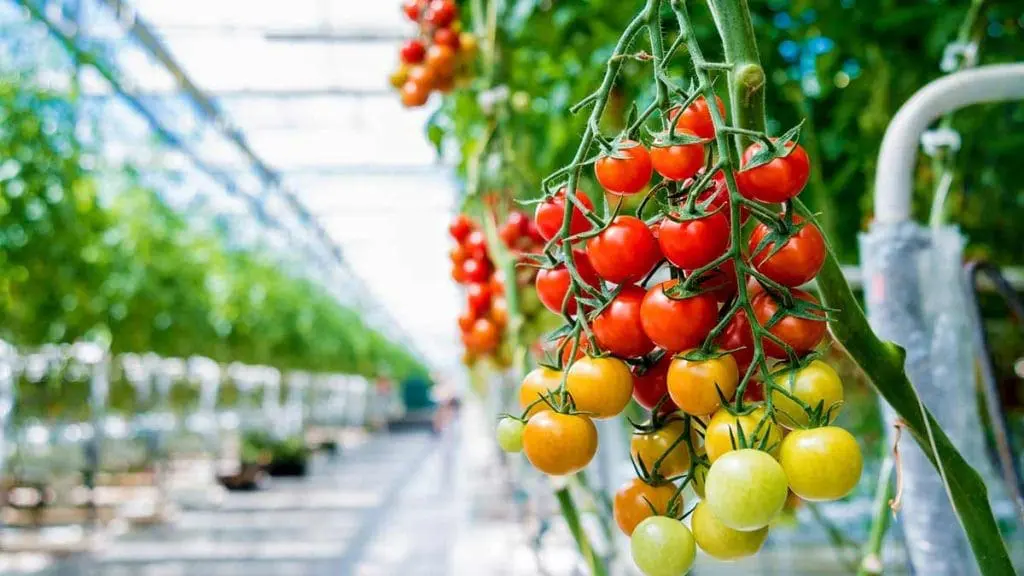
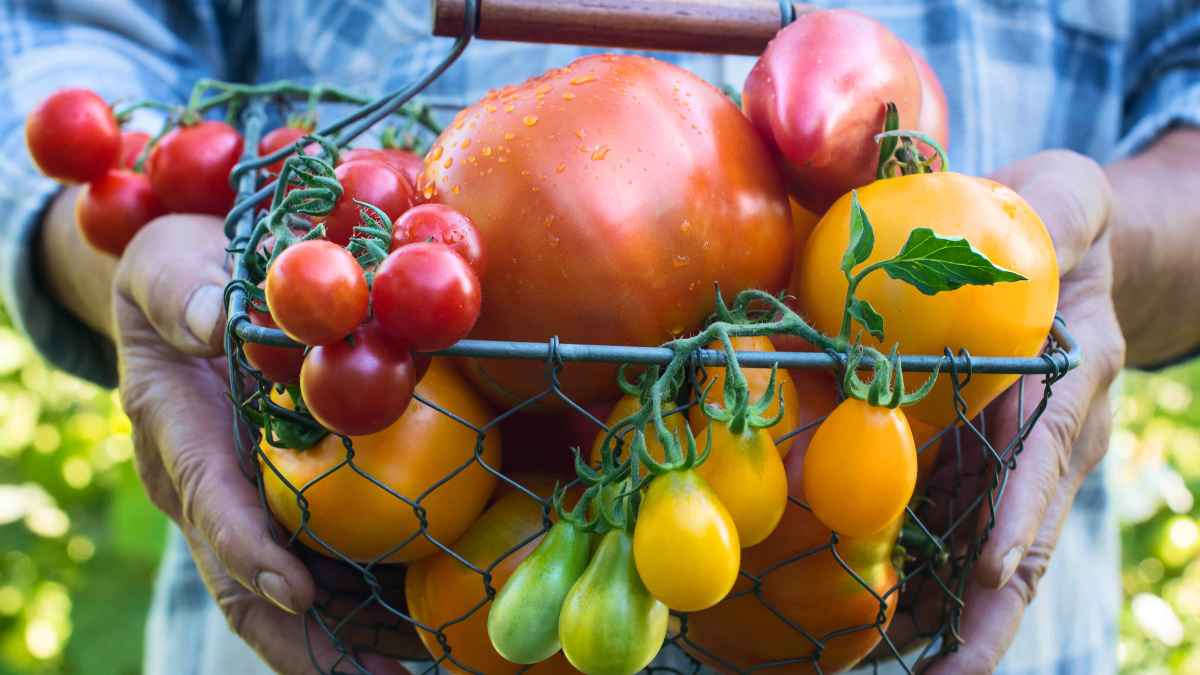
Greenhouse tomatoes from Ontario, BC, and Quebec supply the fresh tomato market throughout every month of the year. This is why a “Product of Canada” tomato at the grocery store in February is entirely plausible. Canadian greenhouse operations produce consistently and supply most major retailers with steady volume regardless of season.
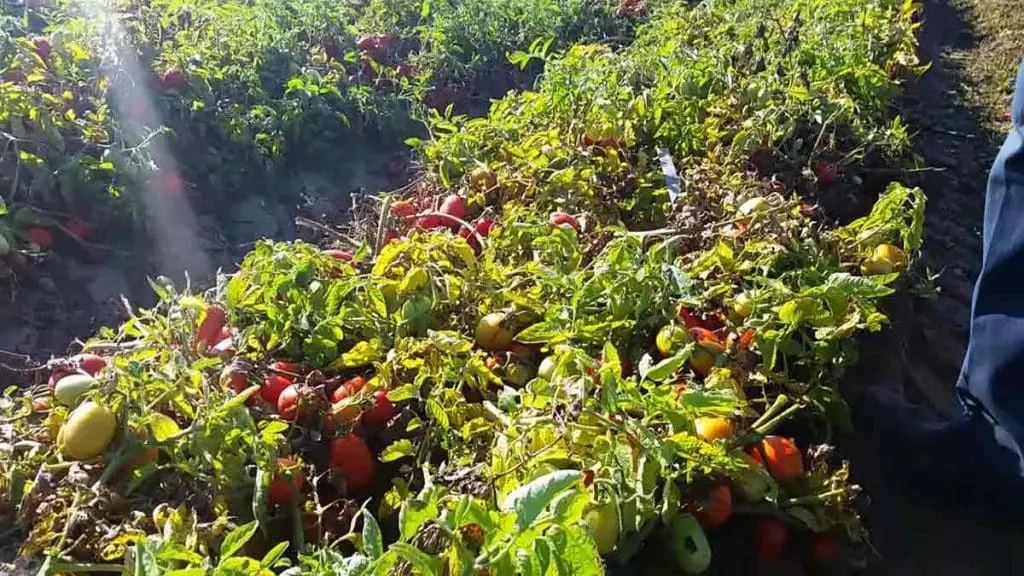
Field tomatoes are a different proposition. Peak field tomato harvest in Canada runs from August through October, primarily in southern Ontario and parts of Quebec and BC. The majority of Ontario’s field tomatoes go to processors rather than fresh markets, but during peak season, fresh field tomatoes appear at farmers’ markets, farm stands, and some grocery stores. This is when local supply is at its highest and when buying in volume for home preserving makes the most sense.
Availability varies by region, weather, and year. What is abundant at an Ontario farmers’ market in late August may not reflect what is available at a BC grocery store or a Quebec farm stand in the same week.
Are Seasonal Tomatoes Really Cheaper?
The relationship between seasonality and tomato pricing in Canada is different from most other produce because of how dominant greenhouse production is.
For greenhouse tomatoes, which represent the vast majority of fresh tomatoes in Canadian retail, pricing tends to be relatively stable year-round. Consistent Canadian production and steady import supplementation from the United States and Mexico mean that greenhouse tomato prices do not swing as sharply with season as, say, strawberries or peaches do.
Where seasonal pricing does show up is at farmers’ markets and farm stands during field tomato season. Buying directly from a grower in August or September can often mean better value, especially when buying in larger quantities for canning, freezing, or sauce-making. The labour of processing them yourself is what makes the per-unit cost lower.
At retail, keep an eye out for promotions during peak summer months, when field tomato supply adds to overall market availability. Grocery stores may feature tomatoes more prominently in August and September as part of seasonal produce features. Always use directional language in your own shopping: watch for what looks plentiful and well-priced, rather than expecting fixed seasonal price drops.
How to Plan with Seasonal Tomatoes to Save Money
Plan Around What’s in Season
Year-round, Canadian greenhouse tomatoes are a reliable, consistent option. During August through October, fresh field tomatoes add a seasonal dimension. If you are planning to make a big batch of tomato sauce or do any home canning, field season at a farmers’ market or farm stand is the time to do it.
Use Tomatoes Across Multiple Meals
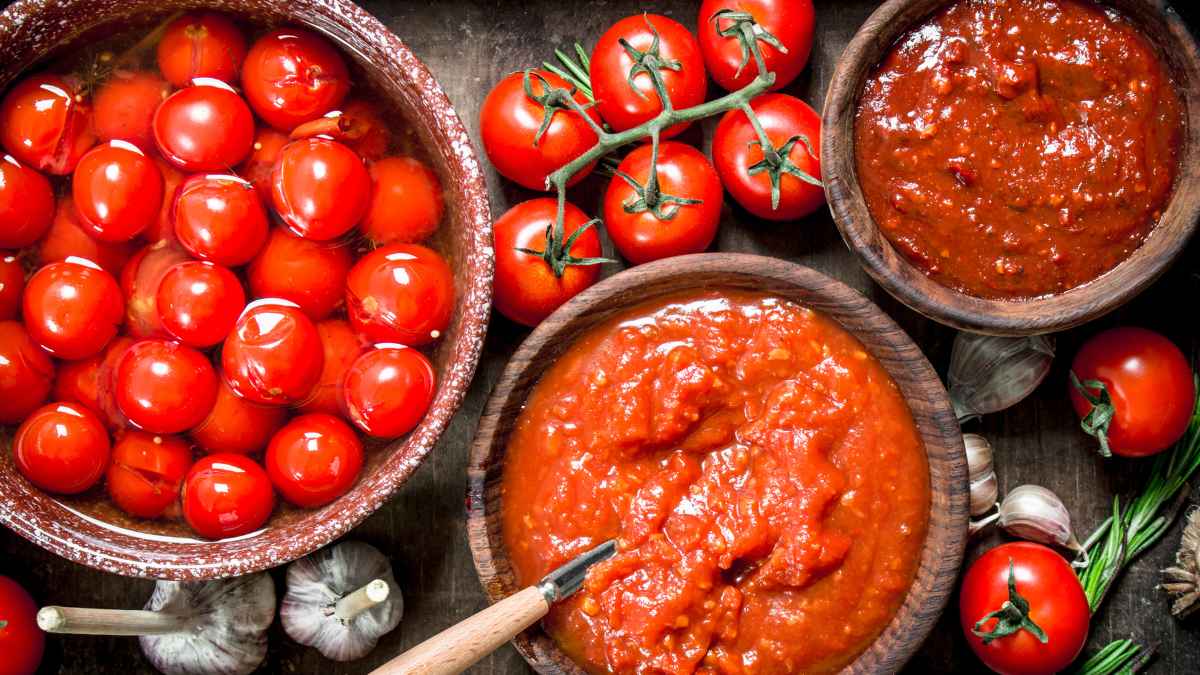
A flat of field romas from a farm stand in September goes further if you have a plan for it before you buy. Consider roasting half and freezing them for winter soups, simmering a large batch of sauce to freeze in portions, and keeping the rest for fresh eating over the next few days. Batch-cooking with tomatoes at their seasonal peak is one of the most practical ways to extend the value of a seasonal buy.
Right-Size How Much You Buy
Tomatoes are perishable. A large clamshell of greenhouse cherry tomatoes bought on Monday needs to be worked into meals through the week. If your household goes through tomatoes slowly, buying a smaller amount more frequently results in less waste and better flavour than buying in bulk and having tomatoes go soft before they are used. An uneaten tomato is the most expensive one.
Freeze the Surplus
If you have more tomatoes than you can use fresh, freezing is your best option. Whole or chopped tomatoes freeze well and hold for up to three months. Frozen tomatoes are not suitable for fresh eating after thawing, but they work perfectly in soups, stews, chili, and pasta sauce, where the texture change is irrelevant. For step-by-step freezing guidance, see How to Store Tomatoes.
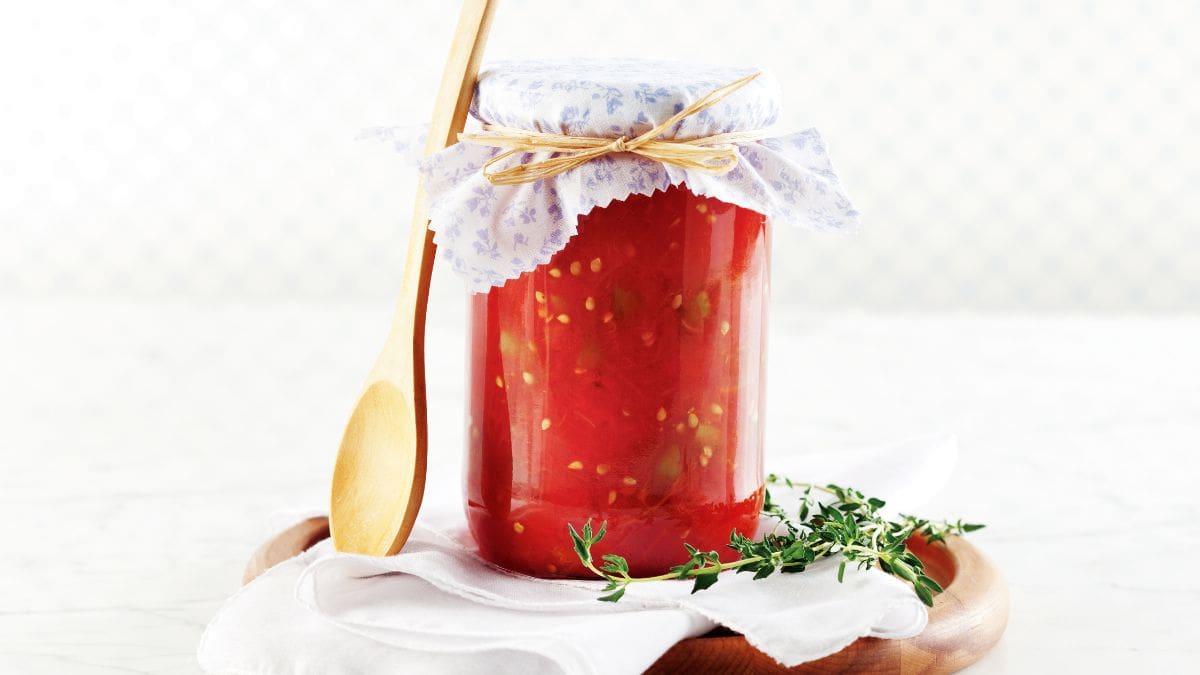
If you have the time and equipment for it, home-canned tomatoes are a great way to preserve fresh tomatoes and can last in the pantry for 12 – 18 months.
How Seasonal Tomatoes Help Reduce Food Waste
Food waste has a direct cost at the household level. When tomatoes go soft before they are used, the money spent on them is lost. The two best tools against tomato waste are storage habits and a plan for imperfect tomatoes.
On the storage side, keeping tomatoes at room temperature until ripe, then moving them to the fridge for a few extra days if needed, extends the useful window considerably. See How to Store Tomatoes for the full guide.
On the cooking side, a slightly soft tomato that has lost its appeal for fresh eating is still perfectly useful in any cooked application. A quick stovetop sauce, a pot of soup, or a shakshuka made from tomatoes that needed to be used up is genuinely good cooking, not a compromise. See Easy Ways to Use Tomatoes for ideas. For broader food waste habits, see 6 Tips To Reduce Food Waste.
Quick Budget Checklist for Buying Tomatoes
- Buy the amount your household will realistically use in three to four days for fresh eating
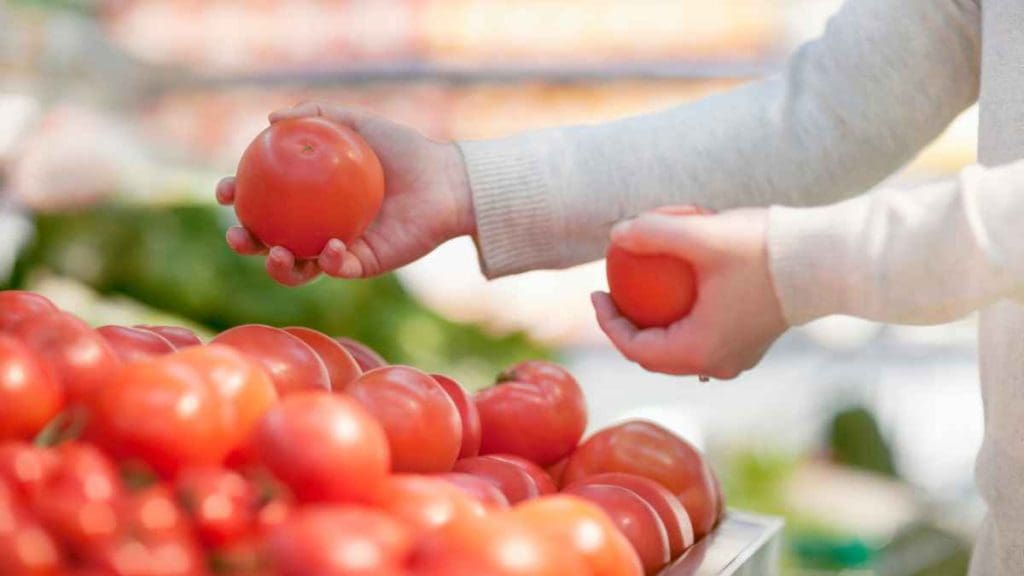
- Match the type to the use before you buy: romas for sauce and canning, round or beefsteak for slicing, cherry or grape for snacking and salads
- During August and September, check farmers’ markets and farm stands for field tomatoes in volume if you plan to preserve
- Look for the “Product of Canada” label to confirm Canadian origin at retail
- Freeze any surplus before it softens rather than waiting to see if it gets used
- Use soft tomatoes in cooked applications rather than discarding them
- Watch grocery store flyers in late summer for tomato promotions during peak season
Additional Articles to Explore








 Morning Glory Bran Muffins