
Walk through the tomato section of most Canadian grocery stores and you will find cherry tomatoes, grape tomatoes, romas, rounds, and beefsteaks sitting side by side with very little explanation of what makes each one different. Unlike apples, where variety names like Honeycrisp or Gala help shoppers make decisions, Canadian tomatoes are shopped by type and by use. Knowing which type to reach for, and why, makes a real difference at the produce bin and in the kitchen. This guide walks through the four main types of Canadian tomatoes, the two main ways they are grown, and how to match the right tomato to the right job. For more information on when they’re in season and how they’re grown, start with What’s in Season? Tomatoes.

How to Read This Guide
This article is organized by type and by production method, because those are the two decisions that actually shape the tomatoes available to you at any given time of year. Variety names come up where they are useful for context, but they are not the organizing logic here. If you have ever stood at the tomato bin wondering which one to pick, this guide is for you.
The Four Main Types of Canadian Tomatoes
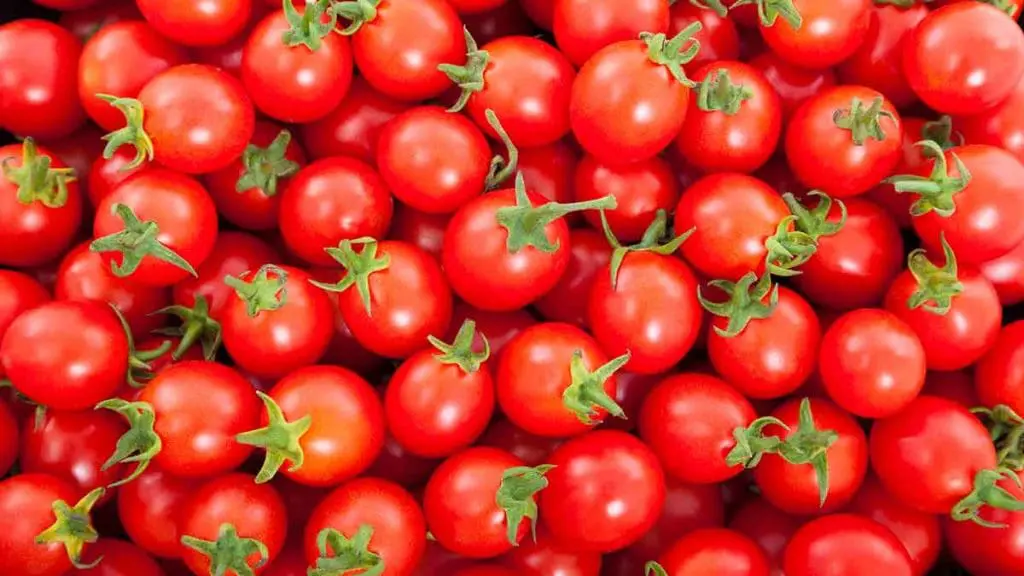
Cherry and Grape Tomatoes
Cherry and grape tomatoes are the smallest tomatoes in the fresh market, ranging from thumbnail-sized to just under a golf ball. Both names describe small, sweet tomatoes, though grape tomatoes tend to be slightly more oblong in shape and have a thicker skin that gives them a longer shelf life. Canadian greenhouse operations produce cherry and grape tomatoes year-round, so these are available in reliable supply at most grocery stores in every province regardless of season.
Their flavour is noticeably sweeter and more concentrated than larger types, which makes them ideal for eating out of hand, adding to salads without further preparation, and roasting whole at high heat. When roasted, the sugars caramelize and the skin blisters, producing an intensely flavoured result that works as a pasta sauce base, a topping for chicken, or a side dish on its own.
Common Canadian-grown varieties in this category include Sweetelle and various hybrid cluster-type cherry selections grown in Ontario and BC greenhouses, though the specific varieties available change regularly as growers adopt newer selections.
Best for: snacking, lunchboxes, salads, roasting whole, quick pan sauces.
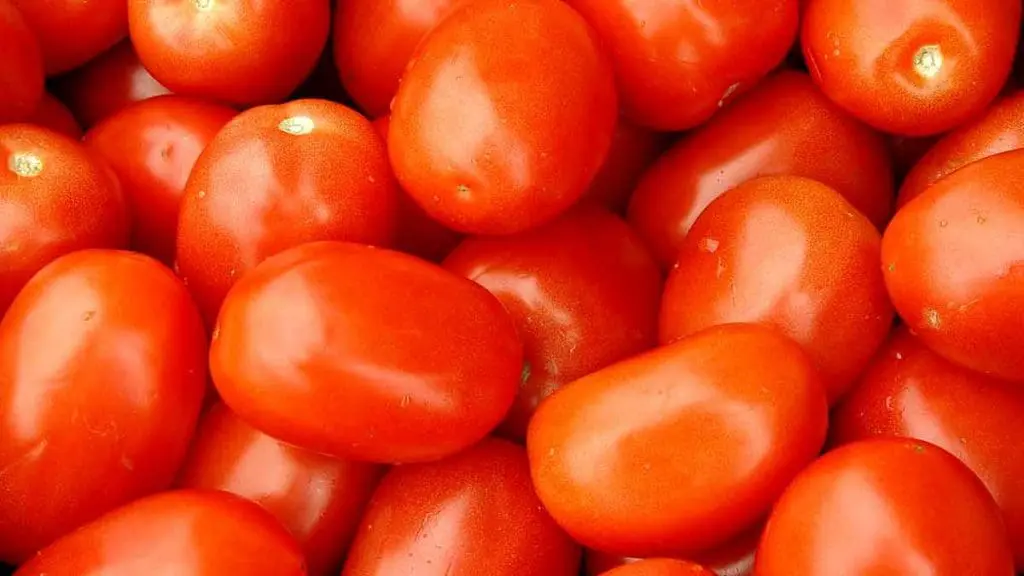
Roma (Plum) Tomatoes
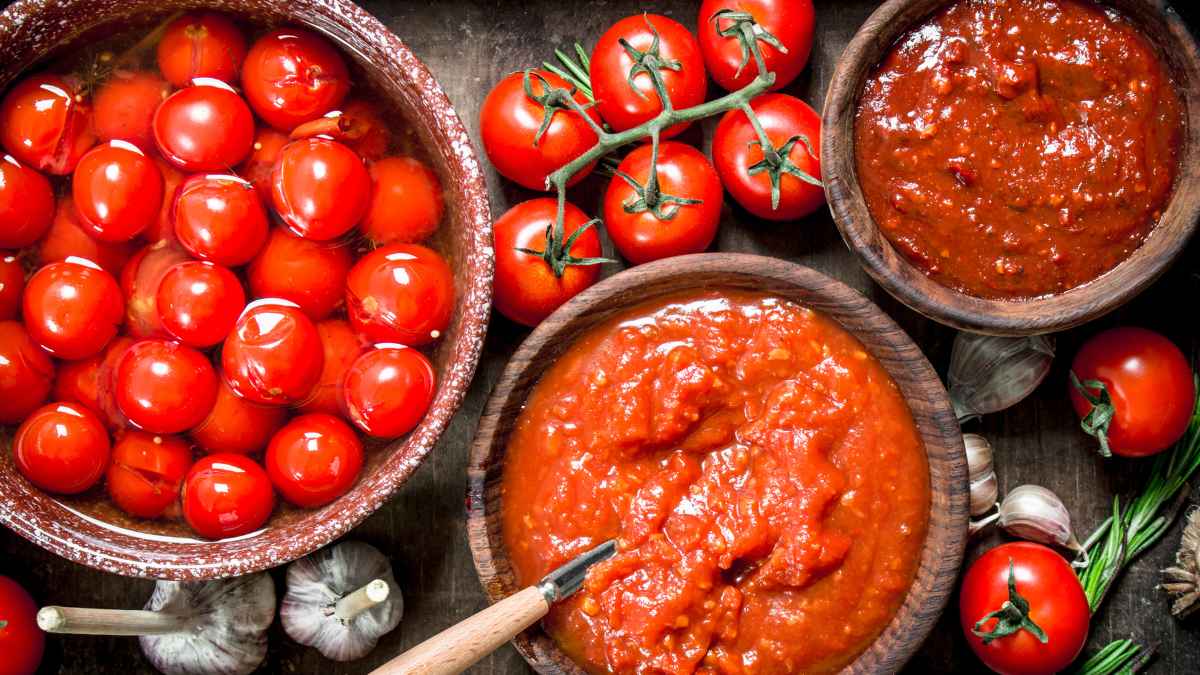
Roma tomatoes, also called plum tomatoes, are the workhorse of tomato cookery. They are oblong, thick-walled, and significantly lower in moisture than round or beefsteak types. That low moisture content is the key to their reputation: sauces made from romas reduce faster, cling better to pasta, and develop a richer, less watery flavour than sauces made from juicier varieties.
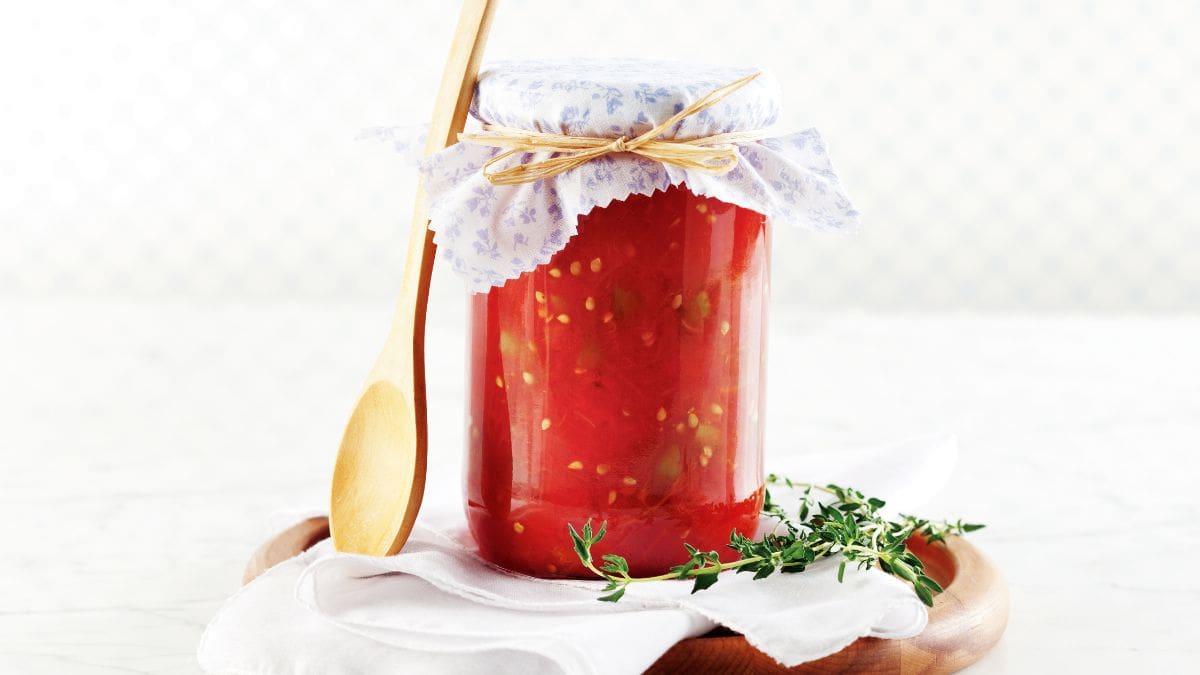
Romas are the tomato most commonly used for home canning, tomato paste, and slow-roasting. They hold their shape well during cooking, which makes them useful in braises and stews where you want tomato presence without the dish becoming overly liquid. During peak field season in August and September, romas from Ontario and Quebec farmers’ markets and farm stands are often available in bulk quantities specifically for canning.
San Marzano-style roma varieties are popular with home cooks for their balanced acidity, and several Canadian greenhouse operations grow roma-type tomatoes year-round for the fresh market.
Best for: pasta sauce, tomato paste, canning, slow-roasting, braising.
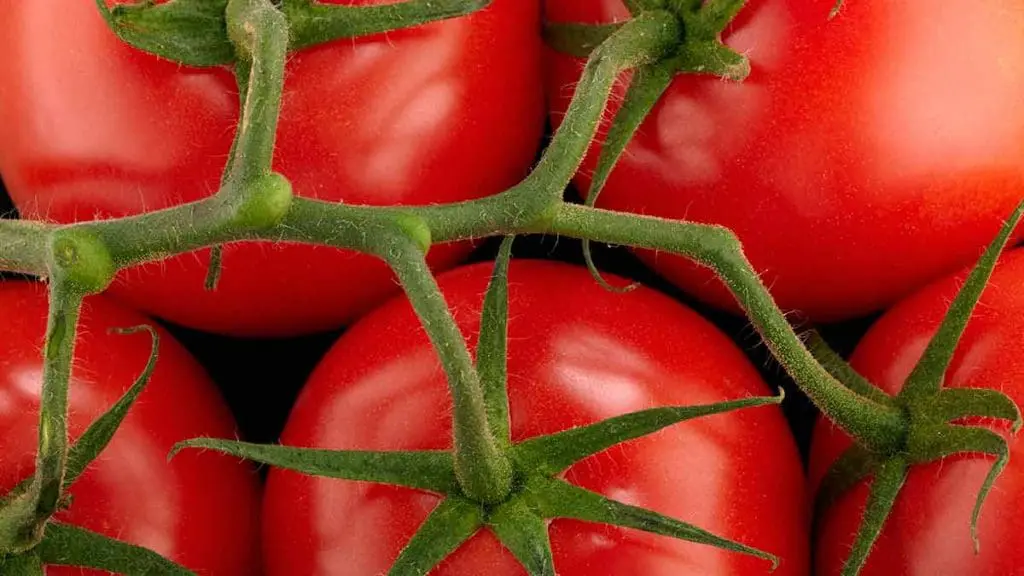
Round (Globe) Tomatoes
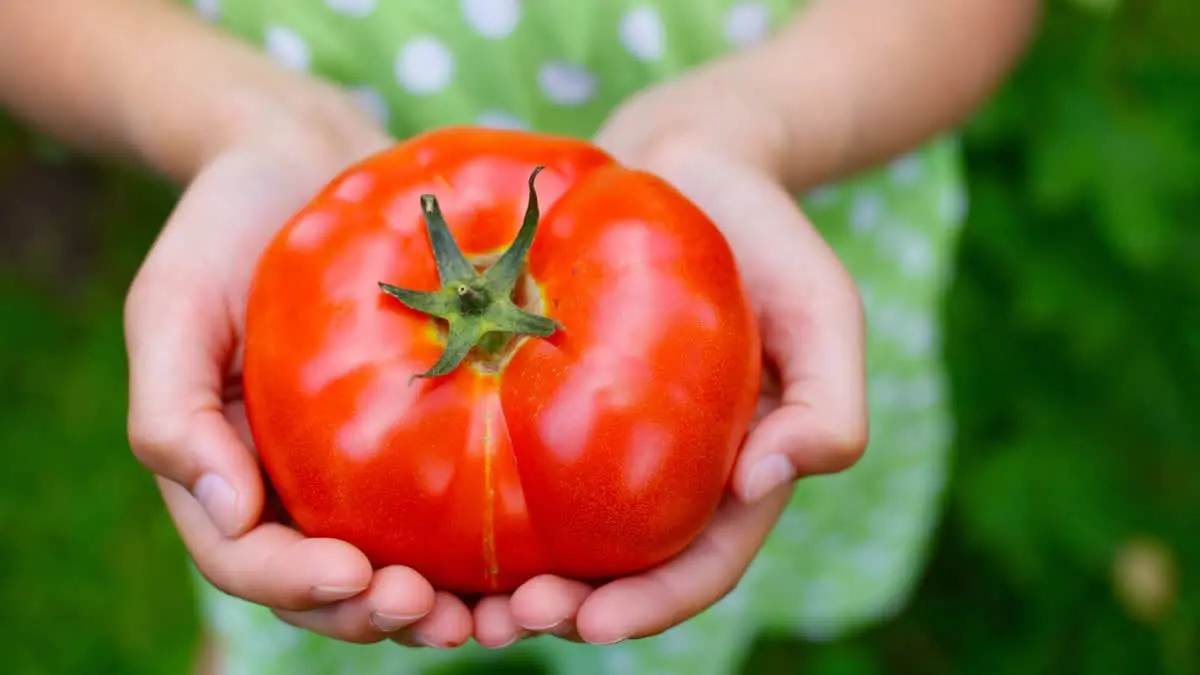
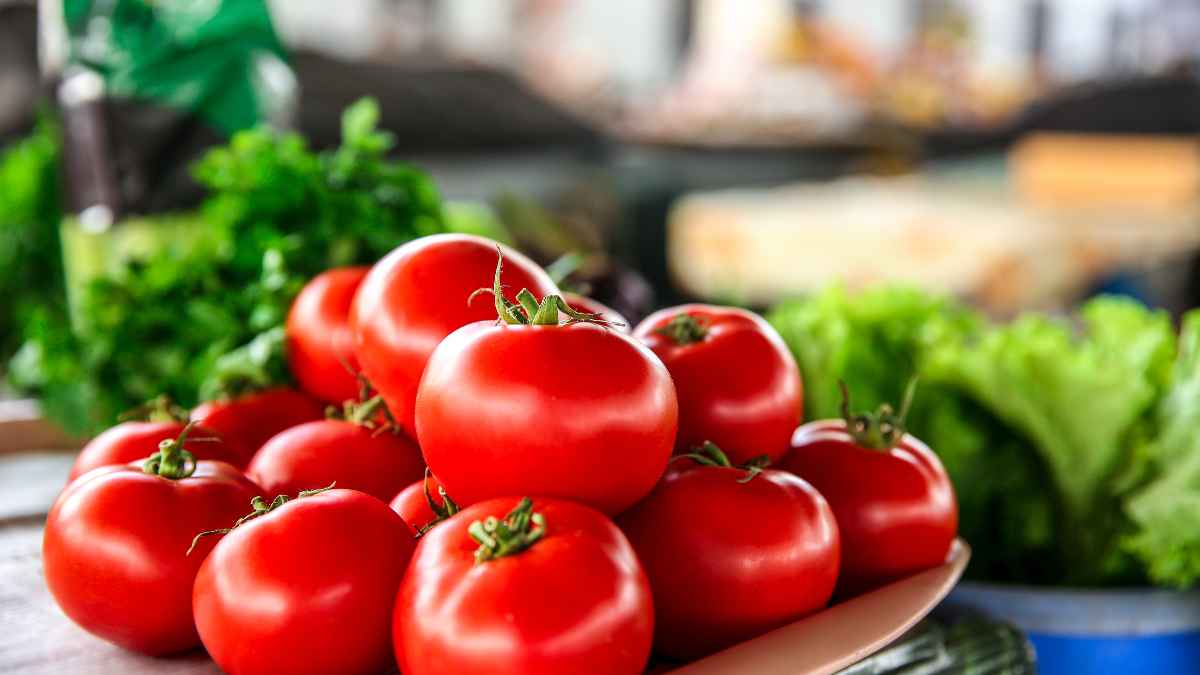
Round tomatoes are the all-purpose fresh tomato that most Canadians picture when they think of a tomato. They are medium to large, slightly flattened at the top and bottom, and considerably juicier than roma types. That juiciness is their main asset for fresh applications and their main limitation for cooking, where excess moisture can thin out sauces.
Sliced round tomatoes are ideal for sandwiches and salads, especially when cut from top to bottom to maximize the usable slice surface. They are also the right choice for stuffing and baking whole, since their cavity holds filling well and they soften evenly in the oven. Round tomatoes are widely available year-round from Canadian greenhouse operations, with field-grown rounds appearing at farmers’ markets during the summer peak.
Common round tomato varieties in Canadian greenhouse production include Trust and various cluster-type round selections, though as with cherry tomatoes, growers regularly update their variety selections.
Best for: slicing for sandwiches, green salads, stuffing and baking, fresh eating.
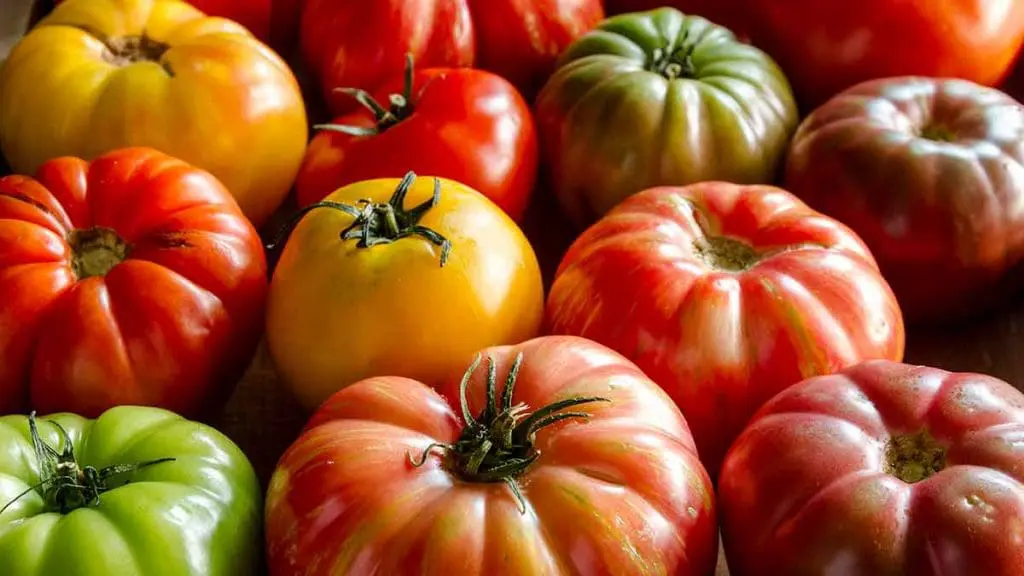
Beefsteak Tomatoes
Beefsteak tomatoes are the largest of the common fresh types, with irregular, ribbed shoulders and a meaty interior that has proportionally fewer seed cavities than round types. Their dense, low-moisture flesh holds up well to bold companions, which is why they are the classic choice for burgers, BLTs, and any preparation where the tomato needs to carry its own weight alongside strong flavours.
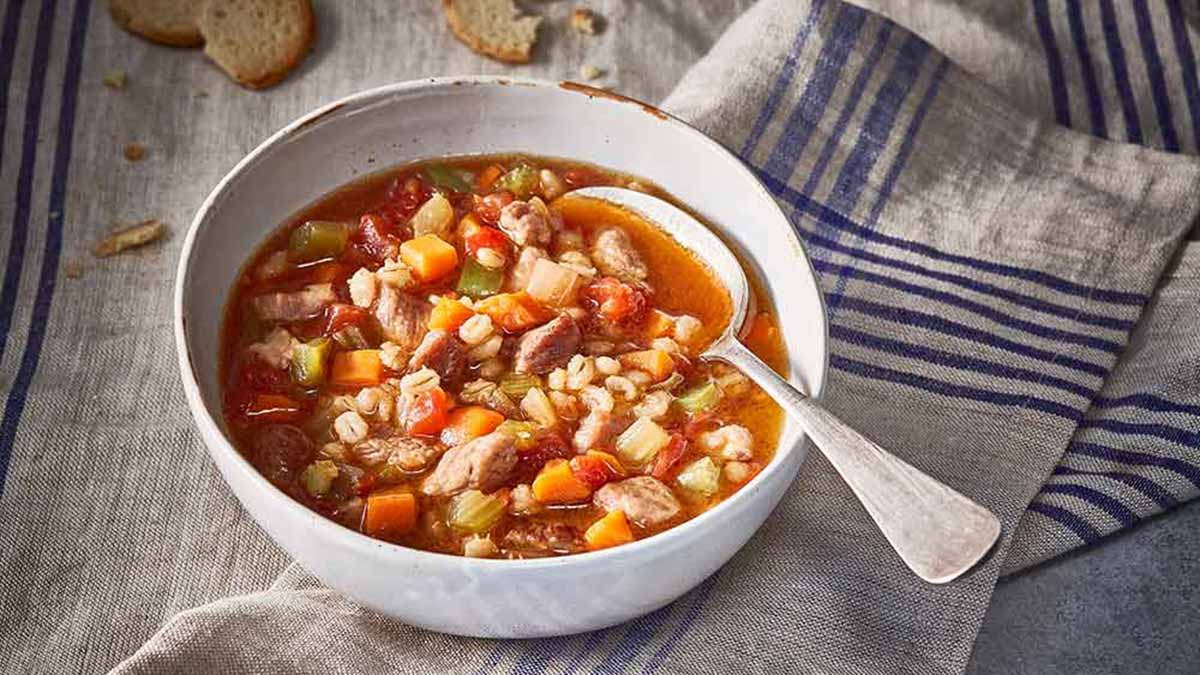
Beefsteaks are also well suited to soups and stews where a chunky, substantial tomato presence is wanted. Their size means each slice goes further, which can make them a practical choice when you need just a few thick pieces for a specific use. Greenhouse-grown beefsteaks are available year-round; field-grown beefsteaks are a highlight of the August to October season at Ontario and Quebec markets.
Best for: burgers, BLTs, thick-sliced fresh eating, hearty soups and stews.
The Two Main Production Methods
The type of tomato you choose tells you what it is best for. The production method tells you when it was grown, and often shapes the flavour and price you will encounter.
Field-Grown Tomatoes
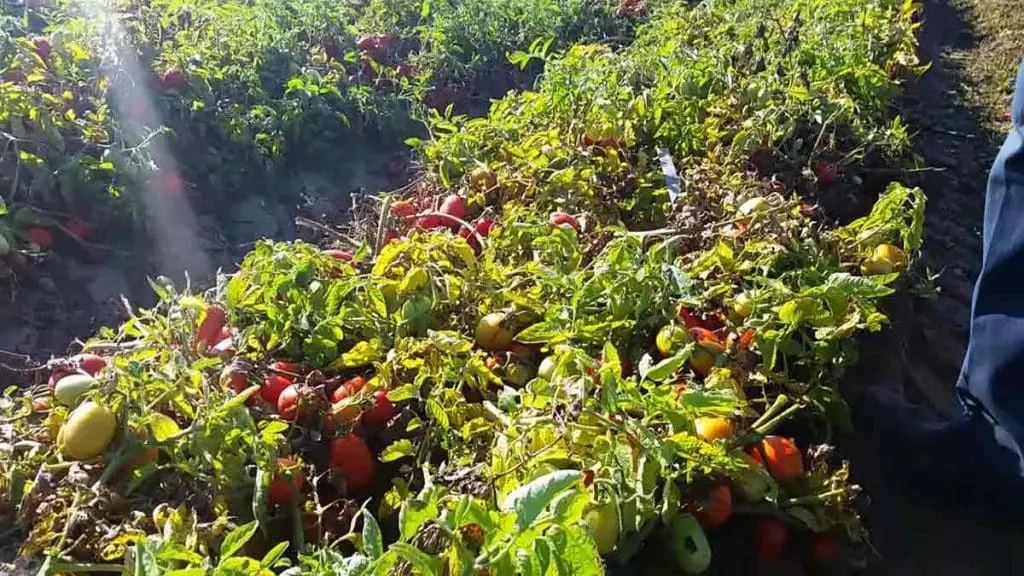
Field-grown tomatoes in Canada are an August through October story. Seedlings started in greenhouses in early spring are transplanted to southern Ontario fields in May, and the harvest runs through early fall. Quebec and BC produce smaller volumes of field tomatoes under a similar seasonal pattern.
The majority of Canadian field tomatoes are processing tomatoes, varieties bred for thick cell walls and low moisture that can withstand machine harvest and travel directly to processing facilities within 24 hours. These become the ketchup, canned tomatoes, tomato paste, and tomato juice on Canadian grocery shelves. Fresh-market field tomatoes are a smaller, more seasonal part of Canadian production, and they are most reliably found at farmers’ markets and farm stands rather than at large grocery stores.
Field-grown fresh tomatoes at peak ripeness tend to have a fuller, more complex flavour than greenhouse-grown equivalents, shaped by outdoor growing conditions including soil, temperature variation, and sunlight. For a firsthand look at Ontario field tomato production, see Growing Field Tomatoes.
Greenhouse-Grown Tomatoes
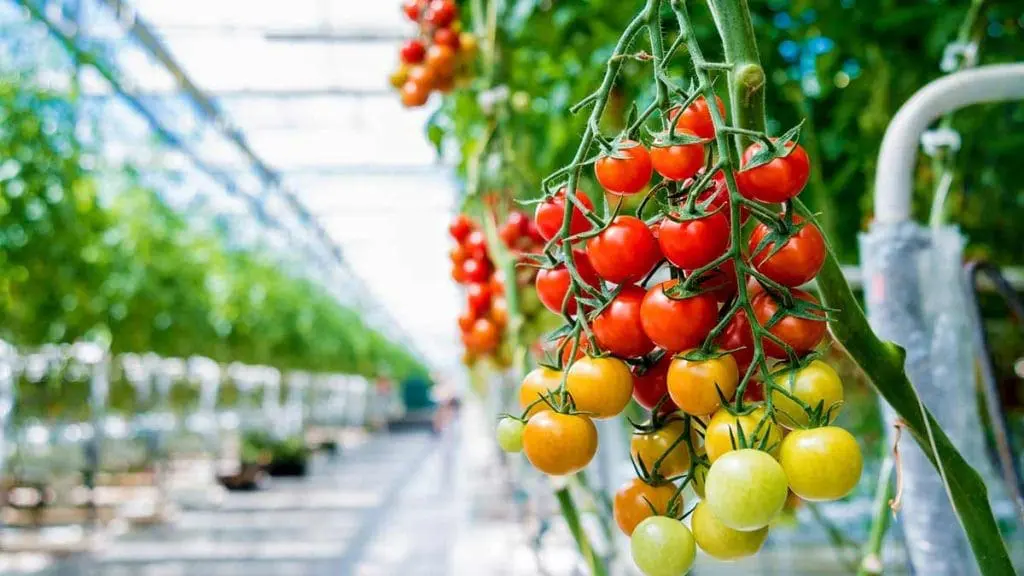
Greenhouse tomatoes are the reason Canadian-grown tomatoes appear on grocery shelves in January and February as reliably as in August. Canada leads North America in greenhouse tomato production, with major operations concentrated in the Leamington area of southwestern Ontario, BC’s Lower Mainland and Fraser Valley, and Quebec.
Greenhouse tomatoes are grown in soilless media such as rockwool or coconut-fibre blocks, with a nutrient solution delivered precisely to the roots through drip fertigation. Climate control systems manage temperature, humidity, ventilation, and light to maintain consistent growing conditions year-round. Biological pest management methods are standard in most Canadian greenhouse operations, reducing the need for conventional pesticide applications. For more on how these systems work, see Greenhouse Farming: How Vegetables Are Grown Indoors and Automation Helps Grow Consistent Greenhouse Vegetables.
The result is a consistently sized, consistently coloured product available in steady supply. Greenhouse tomatoes are harvested by hand at or near ripeness and move quickly from facility to retailer. “Product of Canada” on a tomato package at any time of year typically means greenhouse-grown. Learn more in How to Spot Canadian Greenhouse Vegetables in the Store.
How to Choose a Tomato by Use
If you are not sure which type to buy, match the tomato to the job it will do.
| Use | Best Type |
|---|---|
| Fresh eating, slicing for sandwiches | Round or beefsteak |
| Burgers and BLTs | Beefsteak |
| Salads, snacking, lunchboxes | Cherry or grape |
| Roasting whole | Cherry or grape |
| Pasta sauce and canning | Roma |
| Slow-roasting for paste | Roma |
| Stuffing and baking | Round |
| Soups and stews | Round, beefsteak, or Roma |
| Quick pan sauce | Cherry or grape, or round |
When buying for sauce, look for romas in volume during field season in August and September at farmers’ markets and farm stands. For everything else, Canadian greenhouse tomatoes are available year-round and are a reliable everyday choice.
Where to Find Canadian Tomatoes
At the grocery store: Look for “Product of Canada” or “Grown in Canada” on the label or bin card. Year-round greenhouse tomatoes from Ontario and BC dominate the fresh tomato supply in most Canadian retail chains.
At farmers’ markets and farm stands: Peak field tomato season runs from August through October in Ontario and Quebec, with some BC production as well. This is the best time to buy in quantity for canning or sauce-making.
Through producer organisations: The Ontario Greenhouse Vegetable Growers and the BC Greenhouse Growers’ Association have resources to help consumers understand where their tomatoes come from.
For storage tips once you get your tomatoes home, see How to Store Tomatoes. For recipe ideas matched to each type, see Easy Ways to Use Tomatoes.
Additional Articles to Explore







 Easy Ways to Use Tomatoes