
Tomatoes are one of the most commonly wasted vegetables in Canadian kitchens, and most of that waste comes down to storage. The good news is that a few simple habits make a real difference. Whether you have brought home a clamshell of greenhouse cherry tomatoes or a flat of field-grown romas from a summer market, knowing how to store them properly means fewer soft spots, fewer trips to the compost bin, and better flavour in everything you cook. For more on the types of Canadian tomatoes available year-round, see What’s in Season? Tomatoes.






How Long Do Tomatoes Last?
Storage life depends significantly on ripeness at purchase and how tomatoes are stored once home. As a general guide:
- Unripe tomatoes at room temperature will ripen over three to five days depending on temperature and the tomato’s starting point
- Ripe tomatoes at room temperature are best used within two to four days
- Ripe tomatoes in the refrigerator can hold for an additional two to four days, though flavour and texture suffer
- Frozen tomatoes keep well for up to three months and are best used in cooked applications
Unlike apples, which can be held in controlled-atmosphere storage for months with minimal quality loss, tomatoes are highly perishable once ripe. Buying the right quantity for your week is one of the most effective ways to reduce waste. See Seasonal Tomatoes and Your Grocery Budget in Canada for tips on buying smart during peak season.
Counter vs. Fridge: What’s the Right Call?
The counter is the right default for most tomatoes. Cold temperatures below about 10°C halt the ripening process and can cause irreversible changes to the cell structure, making the texture mealy and dulling the flavour compounds that make a fresh tomato taste good.
Counter storage:
- Store tomatoes at room temperature, out of direct sunlight
- Place them stem side up in a single layer to avoid bruising
- Do not store in a sealed plastic bag at room temperature, as trapped moisture accelerates mould
- Check daily and use the ripest ones first
Moving to the fridge:
Once a tomato is fully ripe and you need a few extra days before using it, a brief spell in the refrigerator is better than letting it go soft on the counter. Store it in the crisper, unwrapped or loosely wrapped, and bring it back to room temperature for at least 30 minutes before eating. Cold tomatoes in a salad or on a sandwich taste noticeably flatter than those that have warmed up.
The exception to counter storage is cut tomatoes. Once sliced, tomatoes should be covered and refrigerated immediately and used within one to two days.
Can You Freeze Tomatoes?
Yes, and freezing is one of the best ways to preserve a surplus from peak field season in August and September. Freezing changes the texture significantly. Frozen tomatoes become soft and watery once thawed, but for cooked applications they work perfectly.
To freeze whole tomatoes:
- Wash and dry the tomatoes thoroughly.
- Remove the stem core.
- Place in a single layer on a parchment-lined baking sheet.
- Freeze until solid, about two hours.
- Transfer to a labelled freezer bag or airtight container, removing as much air as possible.
- Use within three months for best quality.
To freeze chopped tomatoes:
- Wash, core, and chop to the size you will use in cooking.
- Pack directly into freezer bags in recipe-sized portions.
- Flatten the bags before freezing to save space and speed up thawing.
Frozen tomatoes thaw quickly in a pot and release their liquid immediately, making them ideal for soups, stews, chili, pasta sauce, and shakshuka. They are not suitable for fresh eating or salads after freezing. Skins slip off easily once thawed, which can be an advantage when making sauce.
Home Canning and Preserving Tomatoes
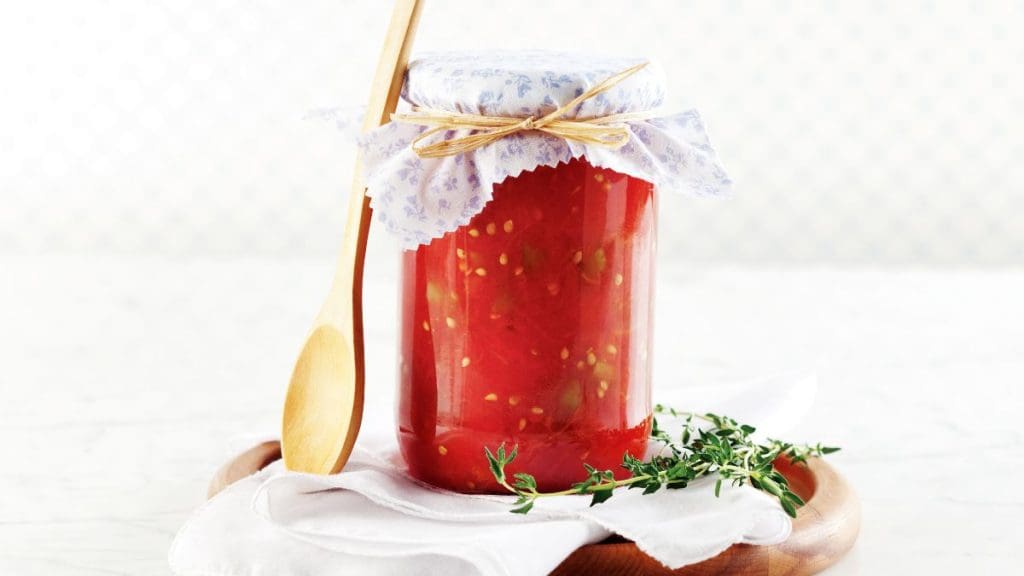
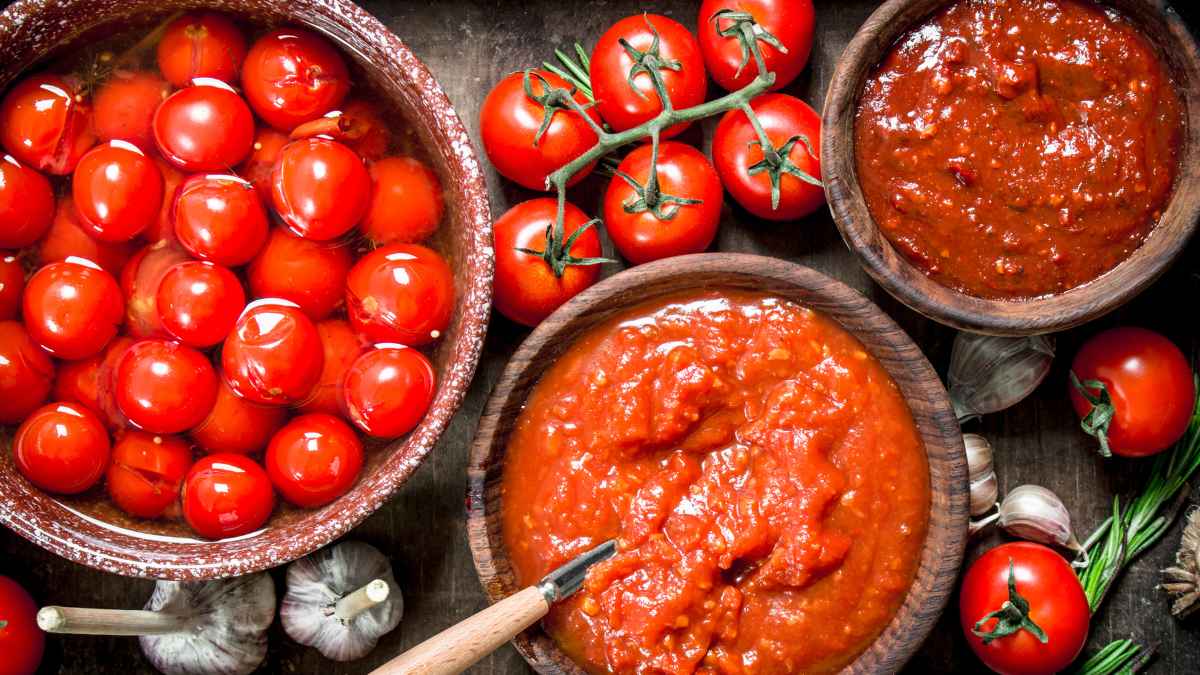
Canning is the most traditional way to capture a tomato harvest and carry peak-season flavour through the colder months. August and September are the right time to do it, when field tomatoes are at their most abundant and affordable at farmers’ markets and farm stands. Roma tomatoes are the preferred type for canning because their lower moisture content and thicker flesh produce a richer, more concentrated result with less time in the pot. One step that sometimes surprises first-time home canners is the addition of acid to every jar. Even though tomatoes are naturally acidic, modern food safety guidelines recommend adding a measured amount of bottled lemon juice or citric acid before sealing, because acidity varies between tomato varieties and by ripeness. This step ensures a consistently safe pH level for water bath canning. For tested recipes, jar sizes, and current processing times, Bernardin is Canada’s go-to home canning resource and a good starting point for anyone new to the process. There are also some excellent videos and resources available from The Preserving Chef and The Valley Preservery.
There is also the option to pressure-can tomatoes and tomato sauce, or to batch-freeze sauce or tomatoes if you have freezer space.
Using Less-Perfect Tomatoes
A tomato that has gone slightly soft is often still perfectly good for cooking. The key is knowing when a tomato has crossed from “needs to be used today” to “discard.”
Still good to use:
- Soft to the touch but no visible mould.
- Slightly shrivelled skin with no off smell.
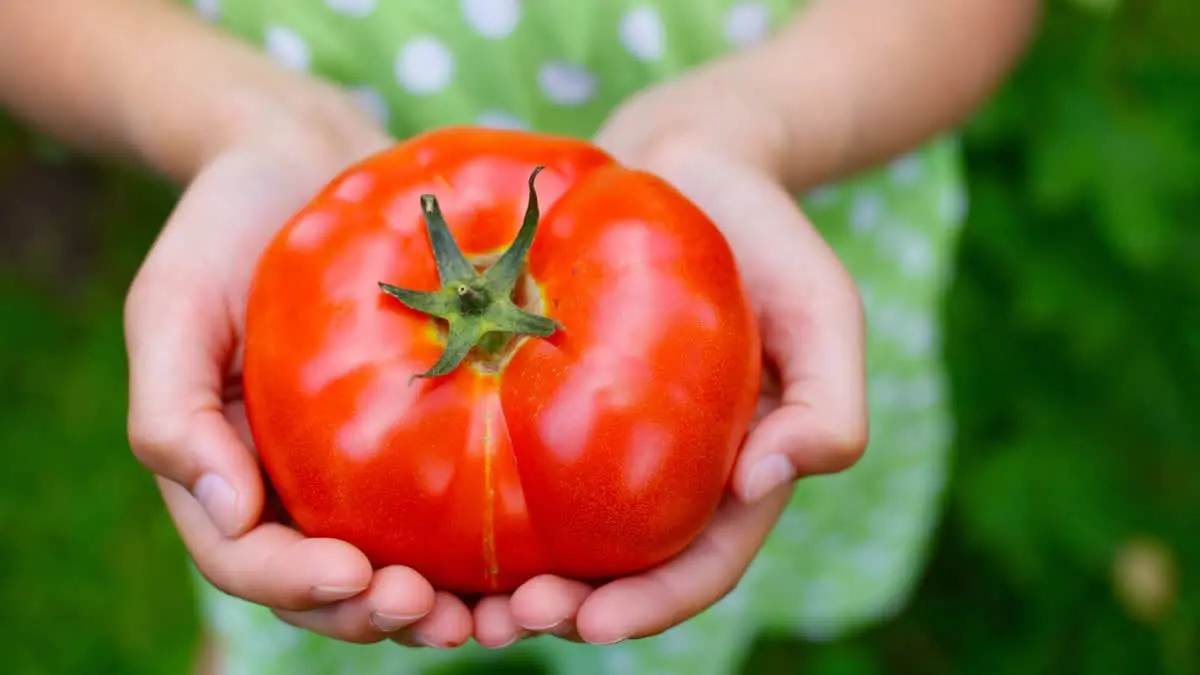
- Small surface cracks near the stem end with no mould present.
- A single soft spot that can be trimmed away, with the rest of the tomato firm and good-smelling.
Discard if:
Visible mould anywhere on the surface.
A strong fermented or off smell.
The tomato has collapsed or is leaking liquid.
Soft spots have spread through most of the tomato’s interior.
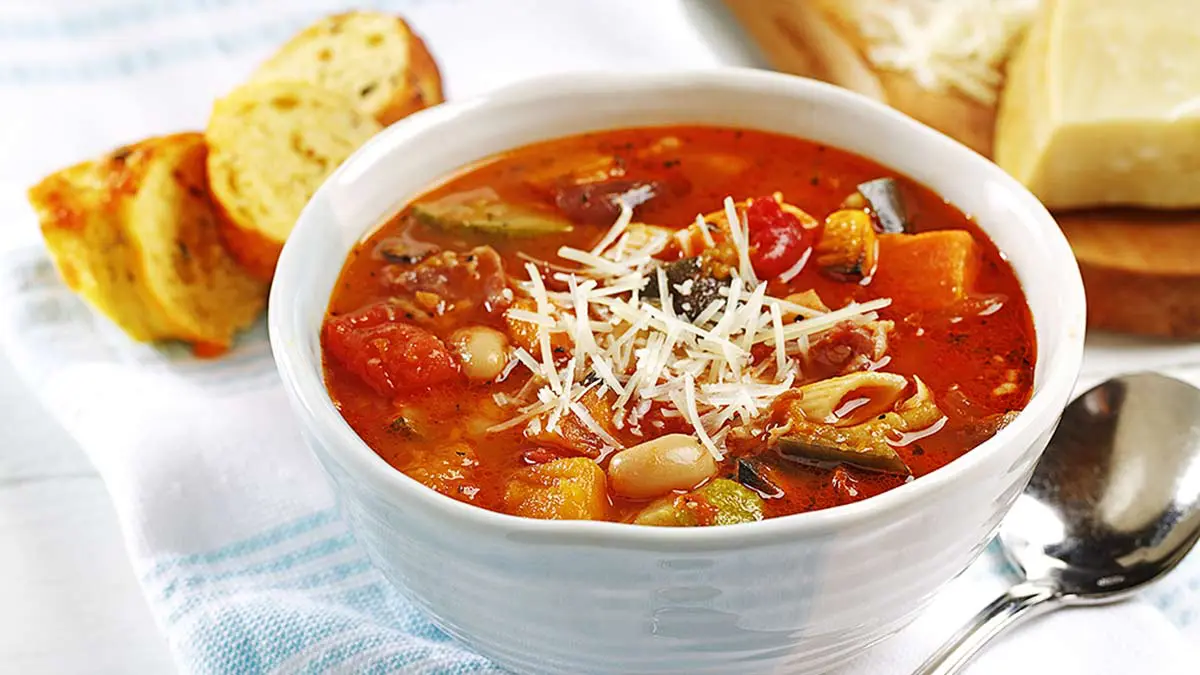
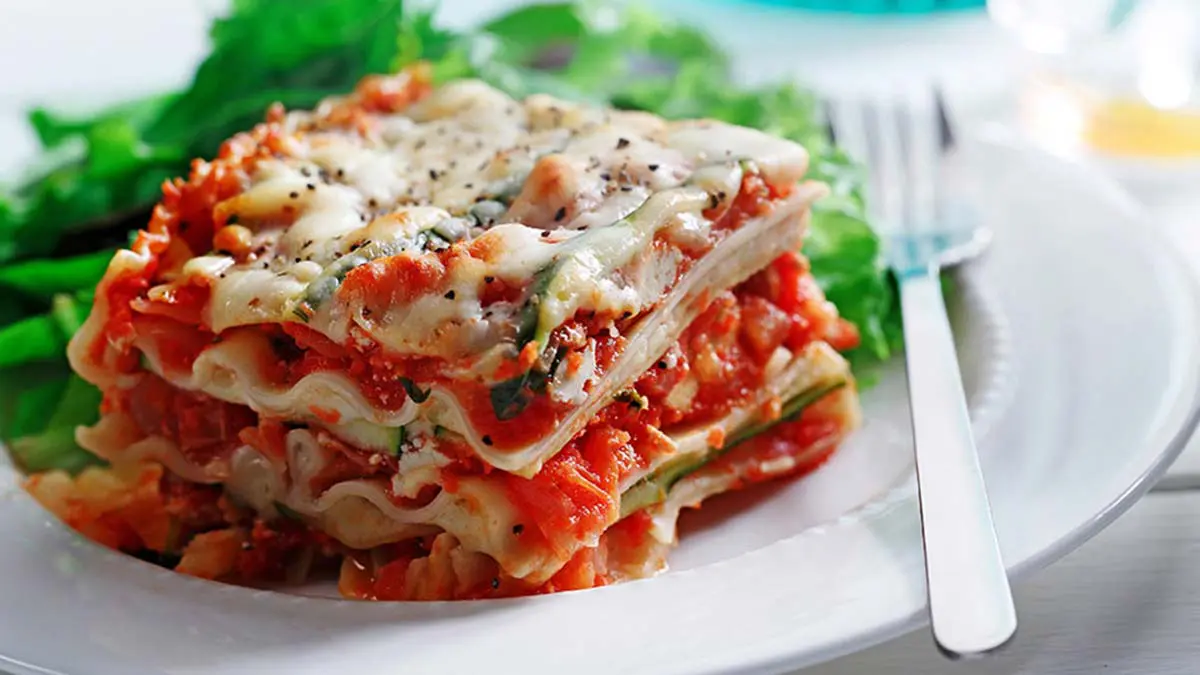
Ideas for tomatoes that need to be used today:
- Quick stovetop tomato sauce with garlic and olive oil over pasta.
- Shakshuka with eggs poached in a spiced tomato base.
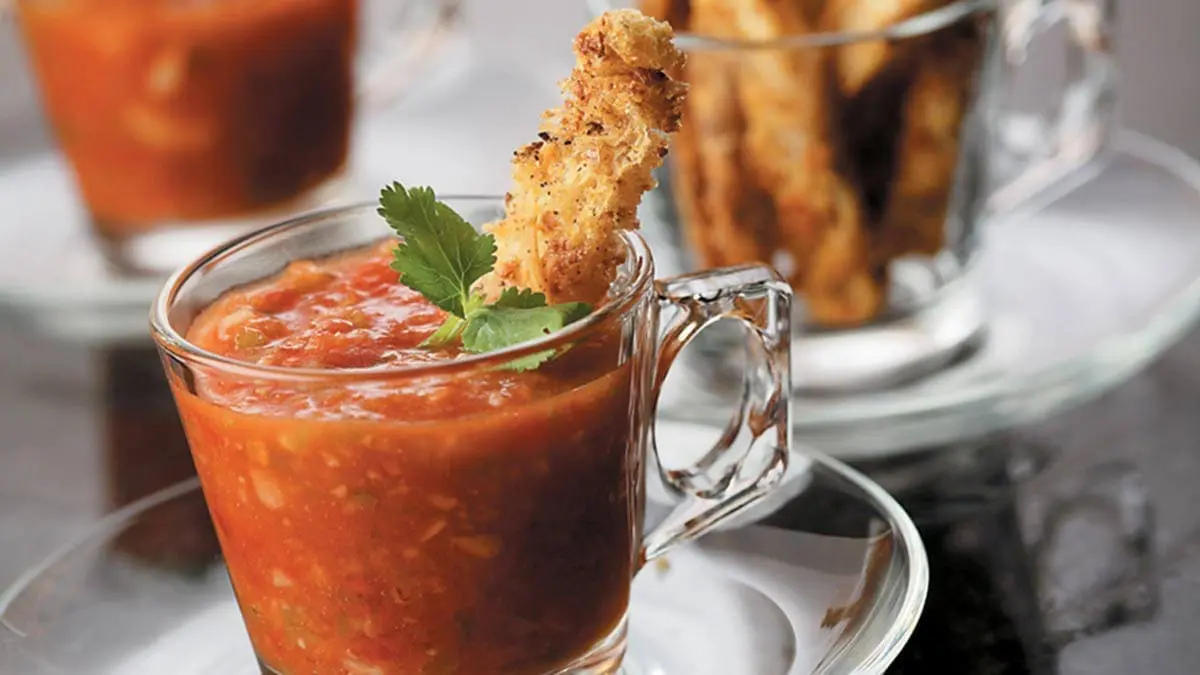
- Tomato soup, blended smooth or chunky.
- Addition to a slow cooker chili or stew.
- Roasted at high heat, then frozen for later use.
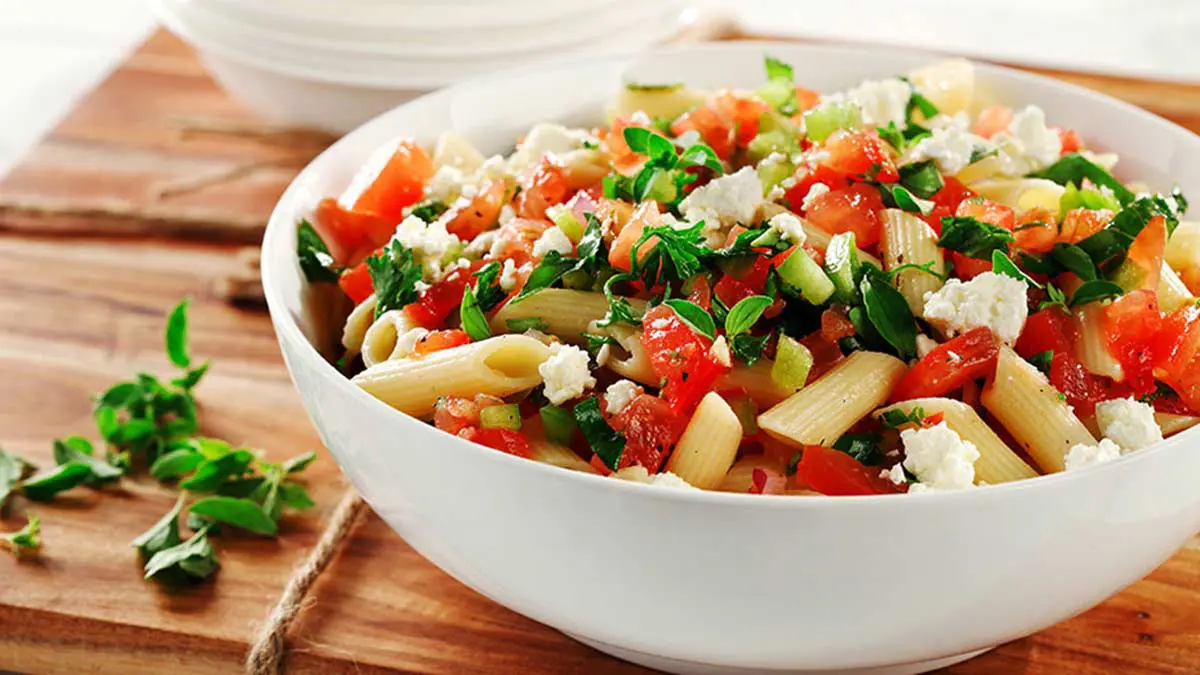
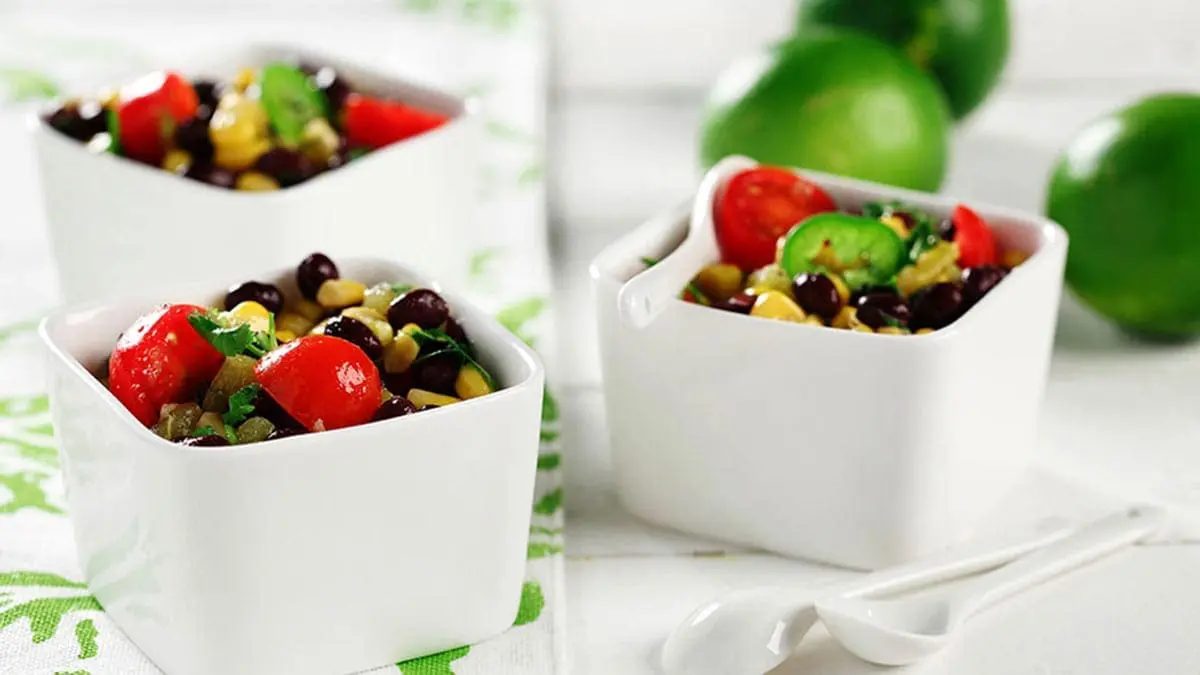
For recipe inspiration, see 5 Chilly Day Tomato Recipes and Easy Ways to Use Tomatoes.


Simple Habits to Waste Fewer Tomatoes
These habits work whether you are buying a clamshell of greenhouse cherry tomatoes every week or a 20-litre basket of field romas in September.
- Buy what you will realistically use. A smaller amount eaten in full costs less per usable tomato than a larger amount with waste.
- Rotate by ripeness. When you bring home a new batch, put the older tomatoes at the front and check them first each day.
- Store by type. Cherry and grape tomatoes hold well in their clamshell at room temperature. Larger tomatoes do better in a single layer on the counter.
- Do not refrigerate unripe tomatoes. Once the cold has damaged the texture, it cannot be reversed.
- Freeze before they go. If you know you will not use a tomato before it turns, freeze it immediately rather than waiting.
- Trim, do not discard. A soft spot on an otherwise firm tomato is worth trimming around rather than composting the whole thing.
- Cook the soft ones first. Save your firmest, freshest tomatoes for fresh eating and use the softest ones in any recipe that involves heat.
For more guidance on reducing food waste at home, see 6 Tips To Reduce Food Waste and How Long Can I Store This?.
Check Out These Related Articles






 Canadian Tomato Types and Best Uses