
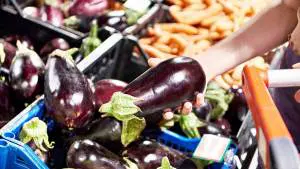
Eggplants, also called aubergines bring a splash of deep purple (and sometimes white or striped shades) to Canadian cooking each summer. Although they’re botanically a fruit, we treat them as a vegetable in the kitchen. Their mild, creamy texture makes them perfect for grilling, roasting, stir-fries, dips, and hearty entrées.
Eggplants need long, warm growing seasons, so most Canadian production happens in protected greenhouse environments, with field-grown eggplants thriving in the warmest regions of Ontario, Quebec, and British Columbia.
Types
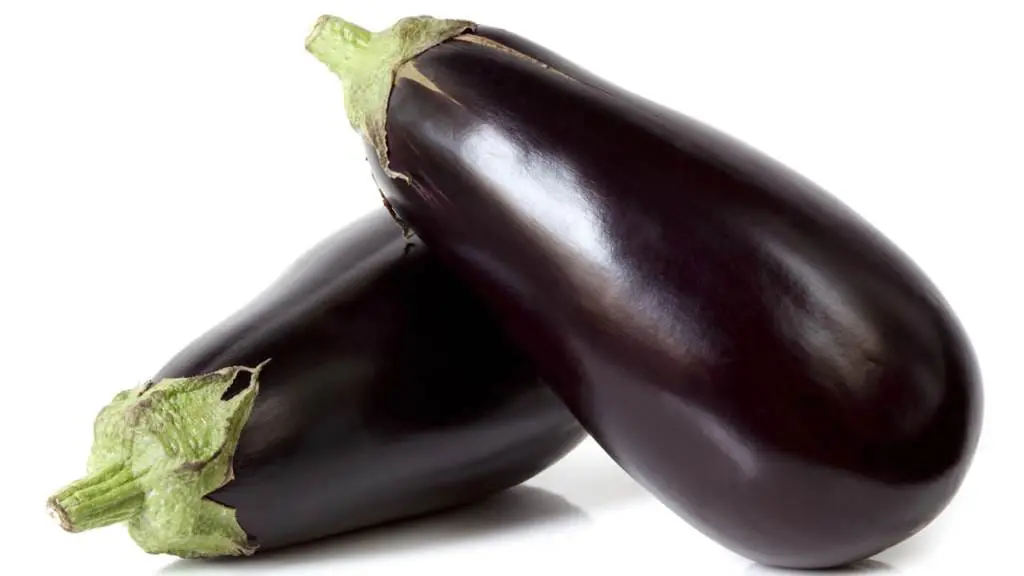
Globe Eggplant (Classic Purple)
The largest and most common type grown and sold in Canada. Globe eggplants have glossy purple skin, pale spongy flesh, and a mild flavour that becomes creamy when cooked. Meaty and versatile, they’re ideal for grilling, roasting, or classic dishes like eggplant parmesan.
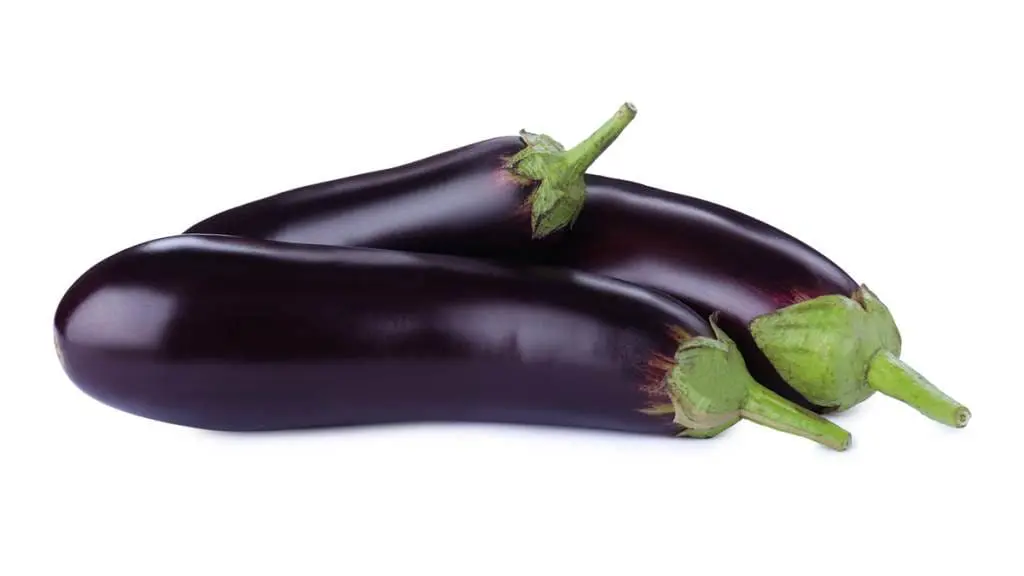
Italian Eggplant
Slightly smaller and more elongated than the globe variety, Italian eggplants have thin skins and tender flesh. They work well in sautés, ratatouille, and pasta dishes.
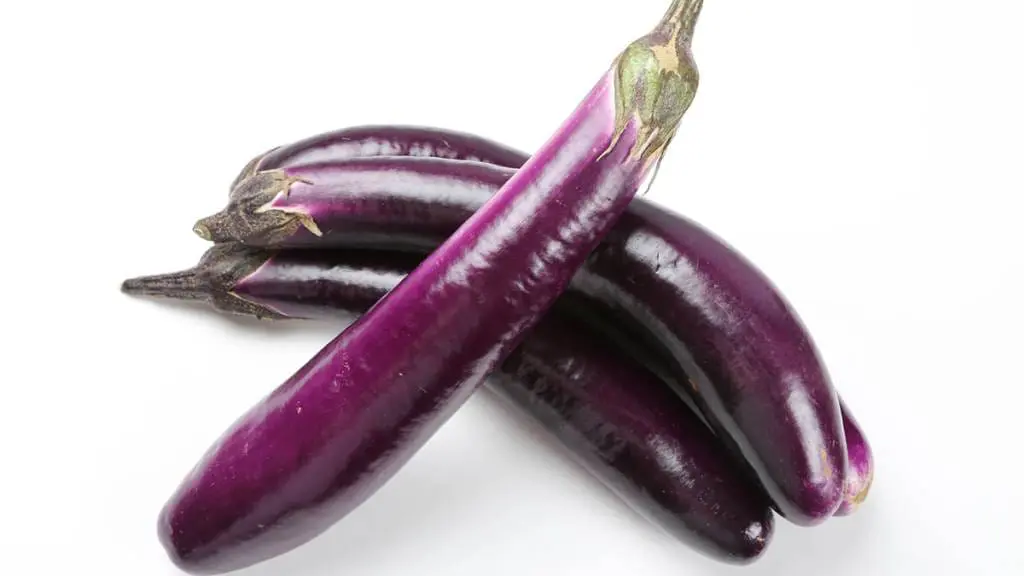
Asian Eggplants (Chinese or Japanese)
Long and slender with purple to lavender skin, these eggplants have fewer seeds and a delicate flavour. They cook quickly, making them great for stir-fries and curries.
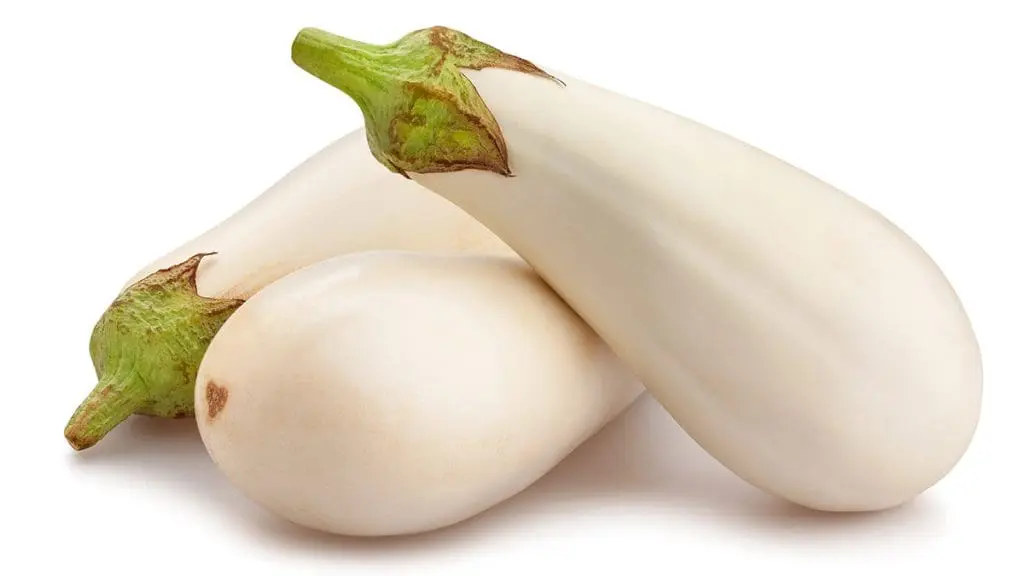
White Eggplant
Less common but increasingly available at farmers’ markets. These have a mild, slightly sweet taste and firm texture that holds up well in roasting or baking.
How to Buy
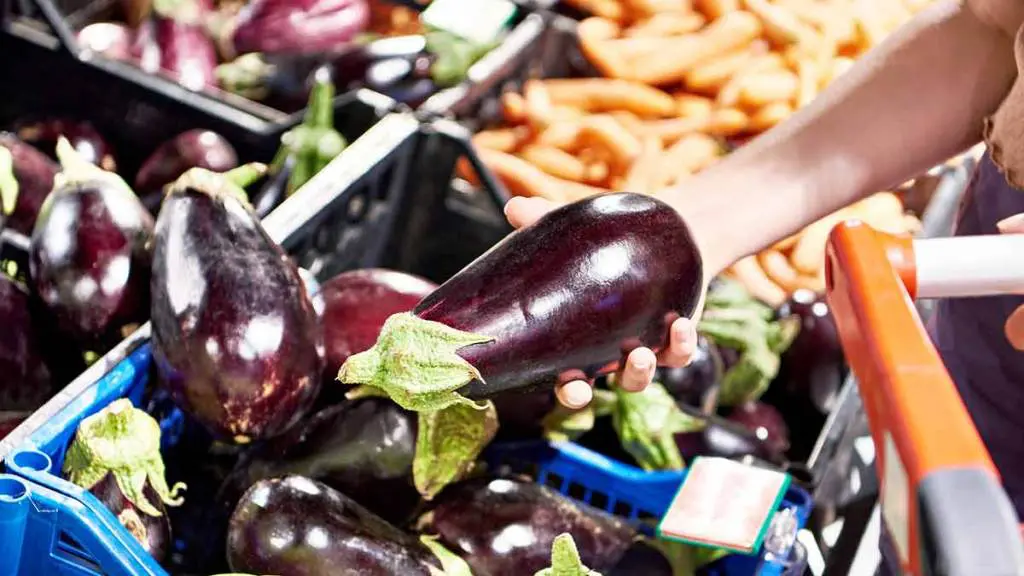
Choose eggplants that feel heavy for their size with smooth, shiny skin and a fresh-looking green cap. Avoid eggplants that are soft, wrinkled, dull in appearance, or have brown spots—these may be overripe or drying out. A gentle press should result in only a slight give.
How to Store
Store eggplants in the refrigerator’s crisper drawer and use them within 3–5 days for best quality. They are sensitive to cold, so keep them in a breathable plastic or paper bag and avoid storing them near ethylene-producing fruits like apples and tomatoes, which can accelerate spoilage.
Cut eggplant oxidizes quickly; if storing cut pieces, wrap them tightly and use within a day.
How to Prepare
Eggplants can be grilled, roasted, sautéed, stuffed, or blended into dips like baba ghanoush. Their spongy flesh absorbs flavours beautifully.
Tips for preparation:
- Salting: Some cooks salt eggplant slices to draw out moisture and reduce bitterness, though newer varieties are naturally milder and often don’t require this step.
- Grilling: Brush slices with oil to prevent sticking and to encourage caramelization.
- Roasting whole: Perfect for dips—simply scoop out the soft flesh when done.
Nutrition Facts
Eggplants are low in calories and a source of dietary fibre. Their deep purple skin contains anthocyanins, natural plant compounds with antioxidant properties. They also provide small amounts of vitamins B1, B6, and potassium.
How They Are Grown
Eggplants thrive in warm conditions, making them a natural fit for:
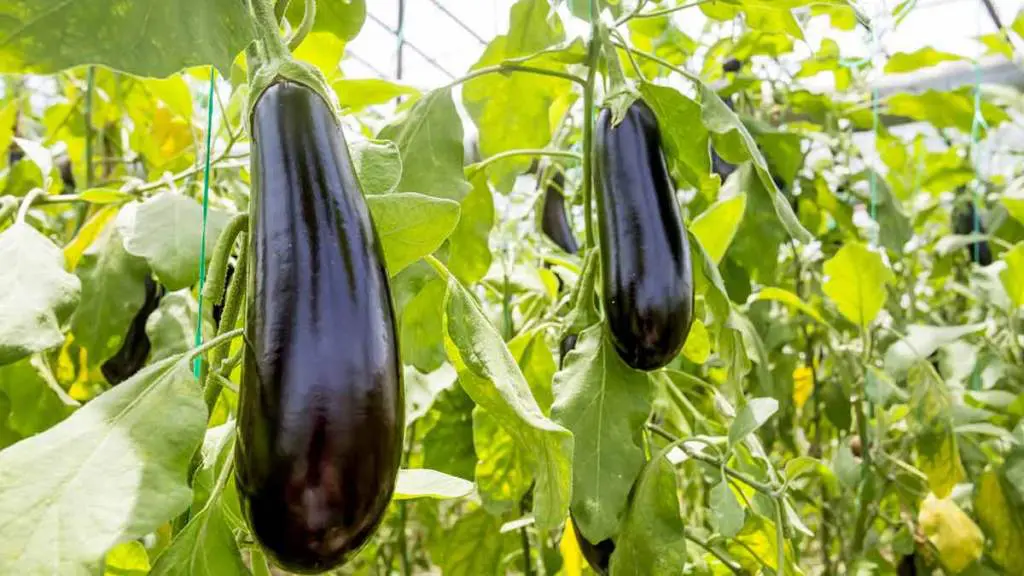
- Greenhouse production: Common in Ontario and British Columbia, where controlled environments allow for optimal heat, light, and humidity. Plants are trellised and pruned to promote steady fruit development from spring through fall.
- Field production: Primarily in southern Ontario and Quebec, where long, warm summers allow eggplants to grow outdoors under black plastic mulch or raised beds that warm the soil early in the season.
Plants are typically started from seedlings grown in greenhouse nurseries. Once established, they produce purple or white blossoms that eventually form the fruit.
Pollination in greenhouses is often supported by bumble bees, which are key partners in many Canadian vegetable crops, ensuring consistent yield and shape.
Overview of Eggplant in Canada
Eggplants are grown in several provinces, but Ontario is the leading producer both in field and greenhouse settings, followed by Quebec and British Columbia. Greenhouse-grown eggplants help extend availability beyond the short field season, contributing to a steady domestic supply.
While Canada imports some eggplants to meet year-round demand, Canadian-grown varieties are widely available from mid-summer into early fall and increasingly into late fall due to greenhouse production.
Main Uses of the Crop
Eggplants are used for:
- Fresh consumption (home cooking, restaurants)
- Mediterranean, Middle Eastern, and South Asian dishes
- Grilled or roasted vegetable medleys
- Purees and dips
- Stuffed or baked preparations
Their mild flavour and soft texture when cooked make them a flexible addition to many global cuisines.
Production Cycle
Greenhouse Eggplants
- Planting: Late winter to early spring
- Production: Continuous through summer and early fall
- Harvest: Multiple pickings each week, often from April through October, depending on the region and facility
- Field-Grown Eggplants
- Seedlings started: Early spring in heated greenhouses
- Transplanted outdoors: Late May to June once soil warms
- Flowering and fruit set: Early–mid summer
- Harvest: July through September
Features of Production
- Warmth-loving crop: Requires consistent heat to thrive
- Trellising: Greenhouse plants are supported on strings to maximize light exposure and airflow
- Water management: Drip irrigation is common in both greenhouse and field systems to deliver water efficiently and reduce disease pressure
- Hand harvesting: Eggplants are picked individually to avoid bruising, as their skin is delicate
What Happens After Harvest
After picking, eggplants are:
- Sorted by size and appearance
- Cooled quickly to maintain freshness
- Packed in cartons or bulk bins
- Shipped to local markets, grocery stores, and foodservice distributors
Because eggplants bruise easily, careful handling from field to shelf is essential.
Times of Year Canadian Eggplants Are in Season
- Field-grown: July to September
- Greenhouse-grown: April to October (varies by region and facility)
Where They Are Grown in Canada
- Ontario – largest producer, both field and greenhouse
- Quebec – field and limited greenhouse production
- British Columbia – significant greenhouse production
- Smaller-scale production can be found in Alberta and Manitoba greenhouses and in some prairie market gardens during warm years.
For More Information
- Agriculture and Agri-Food Canada
- Ontario Ministry of Agriculture, Food and Rural Affairs
- BC Greenhouse Growers’ Association
- Canadian Food Focus (videos and articles on greenhouse vegetables)
FUN FACT
The classic purple colour of eggplants comes from nasunin (a type of anthocyanin found specifically in eggplants), a powerful antioxidant found in the skin. It’s also what gives the eggplant its signature shine!
Additional Articles to Explore


 Canadian Classic Dish: Potato and Cheddar Perogies