

Whether you’re at a farm stand trying to decide between yellow and bicolour, wondering whether last night’s grocery store purchase is still worth eating, or looking for an honest answer about genetically modified corn, these are the most common questions about Canadian sweet corn, answered clearly and concisely. For anything that deserves a longer treatment, each answer links through to the full sub-article.
Seasonality Questions
When is sweet corn in season in Canada?
Field-grown Canadian sweet corn is typically available from late July through October. Peak availability at roadside stands and farmers markets runs through August and September. Exact timing varies by province, region, and the warmth of the growing season. For more, see What’s in Season? Corn.
How long is the local sweet corn season?
In most of Canada’s main sweet corn growing regions, the fresh-field season runs roughly 8 to 12 weeks, though this varies. Southern Ontario and Quebec see the longest seasons. Growers use successive plantings to extend availability across the window rather than having everything ripen at once. For more on when to look, see What’s in Season? Corn.
Is Canadian sweet corn available year-round?
Fresh field-grown corn is not available year-round in Canada. Outside of the late summer and fall season, fresh corn in stores typically comes from growing regions in the US or Mexico. Frozen and canned Canadian-grown sweet corn is available year-round and is a reliable substitute for fresh in most cooked applications. For more, see Seasonal Sweet Corn and Your Grocery Budget in Canada.
When is sweet corn typically most competitively priced?
During peak Canadian field season (August through mid-September), local supply is at its highest and farm-direct options are widely available. Roadside stands and U-pick operations can offer competitive per-cob pricing during this window. Frozen and canned corn is available year-round at a modest per-serving cost. For details, see Seasonal Sweet Corn and Your Grocery Budget in Canada.
Growing and Origin Questions
Where is most Canadian sweet corn grown?
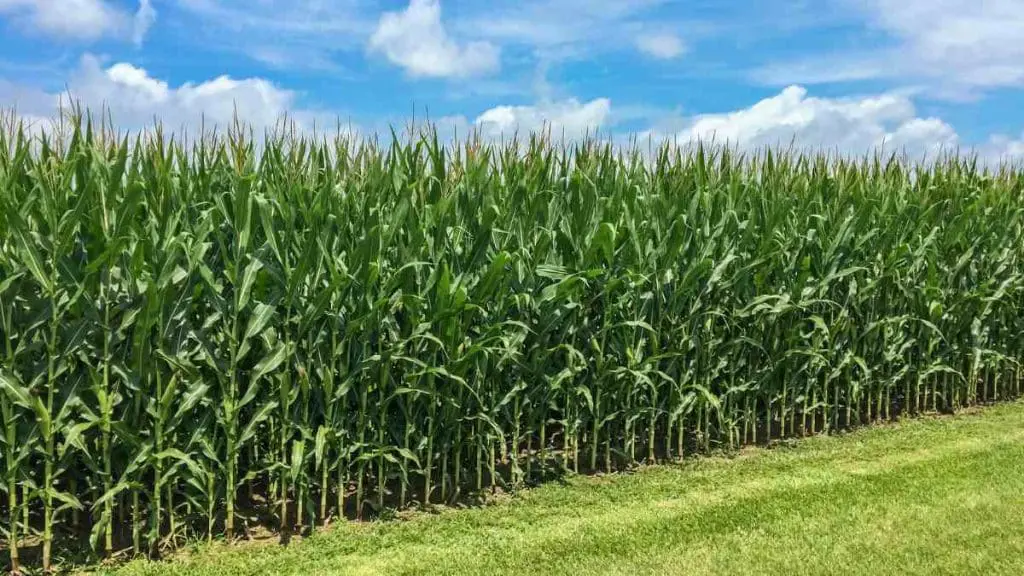
Ontario and Quebec together account for the majority of Canada’s sweet corn production, both for fresh markets and processing (frozen and canned). Alberta also produces sweet corn for processing, and growers in British Columbia, Manitoba, and other provinces supply regional fresh markets. For more, see What’s in Season? Corn.
How do I tell if sweet corn is Canadian-grown?
During the summer and fall seasons, look for “Product of Canada” on packaged corn at grocery stores. At farm stands and farmers markets, vendors can usually tell you which farm the corn came from and when it was harvested. During the off-season, fresh corn in Canadian grocery stores typically comes from the US or Mexico. For more tips on sourcing, see Canadian Sweet Corn Types: Taste, Texture and Best Uses.
What’s the difference between sweet corn and field corn?
Sweet corn and field corn are different plants bred for entirely different purposes. Sweet corn is harvested at the immature “milk” stage when the kernels are high in sugar and moisture; it’s eaten fresh, frozen, or canned. Field corn (also called dent corn because of the small indentation that forms in the kernels as it dries out) is allowed to dry fully in the field and is used for animal feed, ethanol production, corn flour, cornmeal, corn syrup, corn starch, and many other products. The two crops are rarely interchangeable. Most corn grown in Canada by acreage is field corn; sweet corn represents a small fraction of total corn production. For more, see What’s in Season? Corn.
Is sweet corn genetically modified?
Some Canadian sweet corn varieties are developed through biotechnology, and some are conventional. Both types are grown in Canada. Health Canada evaluates the safety of biotech crop varieties before they can enter the food supply; it has determined that approved biotech crops, including those commonly called genetically modified or GM, are as safe and nutritious as their conventional counterparts. Organic sweet corn must be produced without the use of genetically modified seed under Canadian organic standards. For more context on biotechnology in Canadian crops, see Plants That Defend Themselves.
Buying and Storage Questions
How do I pick the best sweet corn?
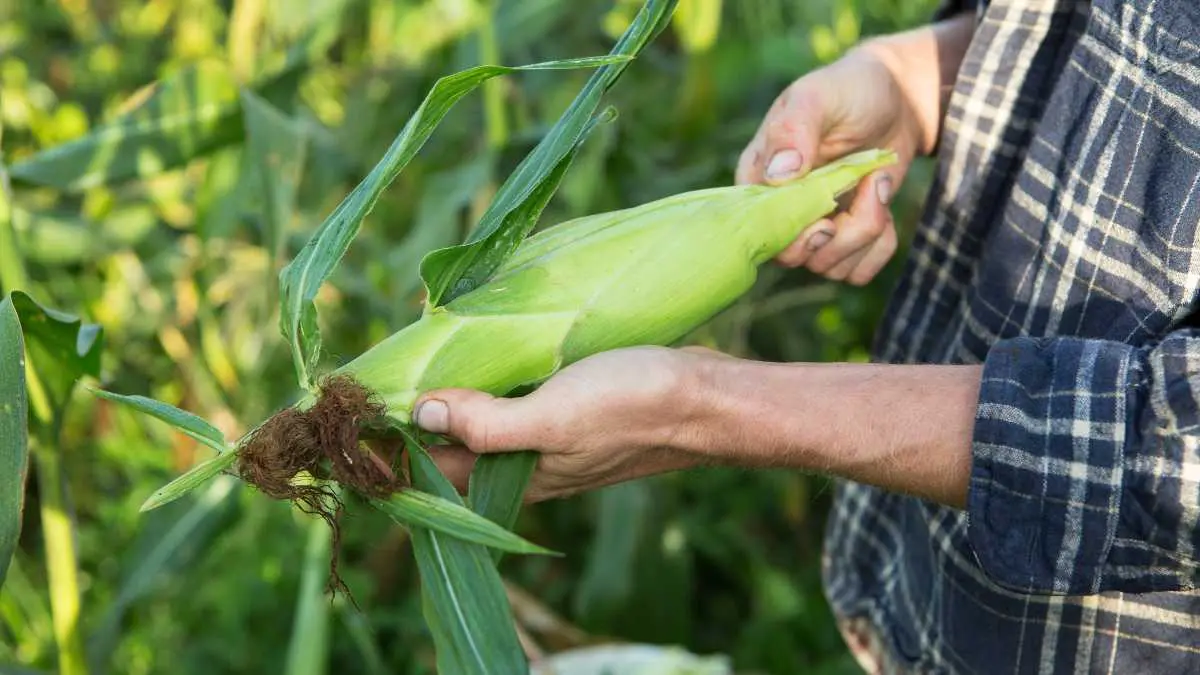
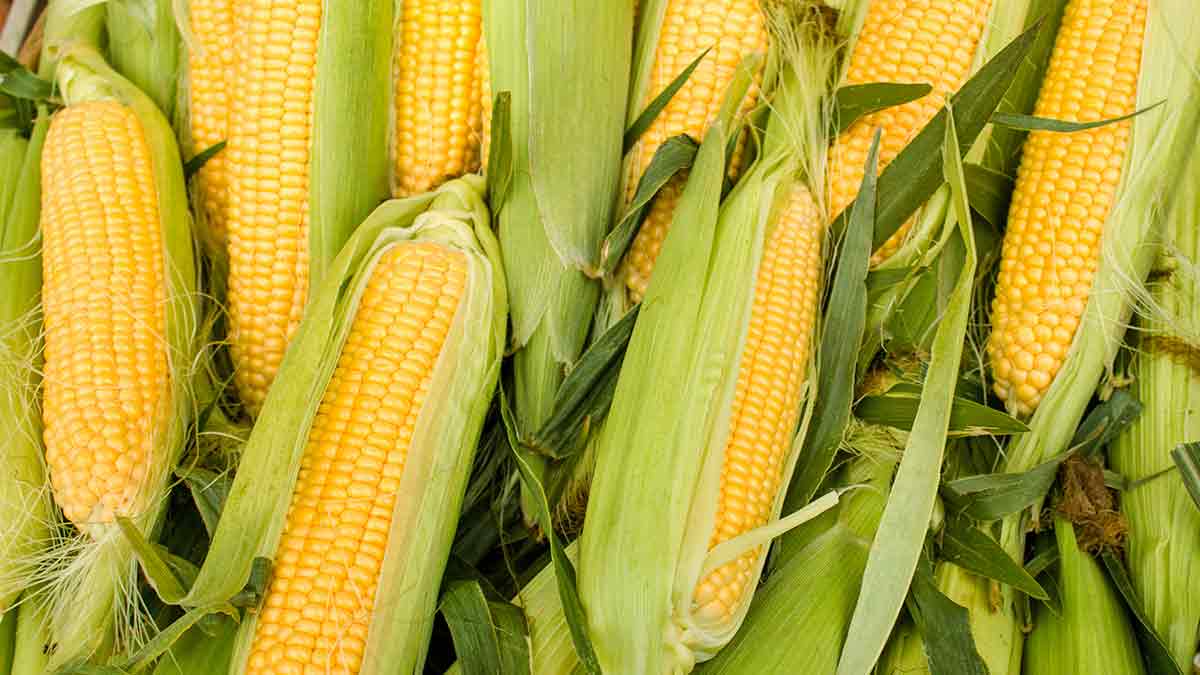
Look for bright green, tightly wrapped husks; slightly moist silk that has turned light brown at the tip; and kernels that feel plump even when pressed gently through the husk. Avoid corn with dry or slimy husks, shrivelled silk, or a hollow tip (a sign of either immaturity or significant starch conversion). For more on buying signals, see What’s in Season? Corn.
How long does sweet corn last in the fridge?
Normal sugary (su) corn is best within one to two days refrigerated. Sugar-enhanced (se) corn holds one to three days. Supersweet (sh2) corn can hold up to four days refrigerated without major quality loss. Keep husks on until just before cooking to retain moisture. For full storage guidance, see How to Store Sweet Corn to Cut Food Waste.
Can I freeze sweet corn?
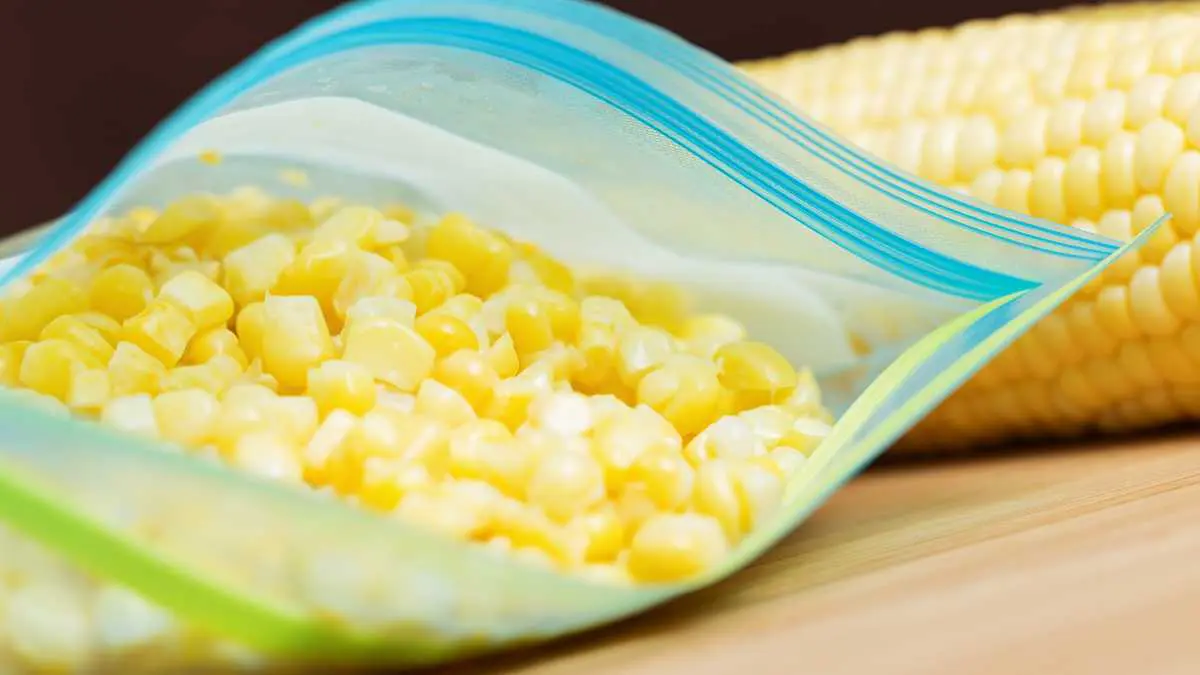
Yes. Blanching the cobs or cut kernels briefly before freezing gives the best results; the process deactivates enzymes that would otherwise continue to degrade colour and flavour in the freezer. Frozen corn works well in soups, chowders, succotash, fritters, and most cooked applications. It is not ideal for eating raw, as the texture changes with freezing. For step-by-step instructions, see How to Store Sweet Corn to Cut Food Waste.
Why did my corn go starchy overnight?
Sweet corn kernels contain enzymes that convert sugars to starch continuously after harvest. This process begins the moment the cob is picked and speeds up in warmth. Leaving corn on the counter accelerates the conversion significantly; refrigerating immediately slows it but does not stop it. If corn has gone noticeably starchy, it still works well in cooked applications like corn chowder, where the longer cook time restores some of the sweetness to the dish. For more, see How to Store Sweet Corn to Cut Food Waste.

Nutrition and Use Questions
Is sweet corn good for you?
Sweet corn is a nutritious food that provides dietary fibre, folate, vitamin C, vitamin B6, niacin, thiamine, potassium, and magnesium, as well as the carotenoids lutein and zeaxanthin, which are associated with eye health. One medium cob contains approximately 85–100 calories. As with any food, it’s one part of an overall eating pattern. For more on Canada’s Food Guide approach to vegetables and fruits, see Canada’s Food Guide. For more detail, see What’s in Season? Corn.
Is sweet corn a vegetable or a grain?
Both, depending on context. Botanically, corn is a grain (a cereal crop). When eaten fresh at the immature stage, as sweet corn on the cob or cut off the cob, it is counted as a vegetable from a culinary and nutritional standpoint. Dried, processed field corn used to make cornmeal, corn flour, corn syrup, or corn starch is classified as a grain product. For more, see What’s in Season? Corn.
What can I do with corn that’s past its fresh-eating prime?
Corn that has gone slightly starchy still works well in soups, corn chowder, fritters, salsas, and baked goods. Kernels that are still firm but no longer sweet enough to eat on the cob are a good candidate for roasting in a cast iron pan, which caramelizes the remaining sugars and improves the flavour for use in dips and grain bowls. For ideas and recipes, see Easy Ways to Use Sweet Corn.
Can I use canned or frozen corn instead of fresh?
For most cooked applications, yes. Frozen corn is an excellent substitute for fresh in soups, chowders, fritters, salsas, and grain dishes. Canned corn works well in similar applications and has the advantage of the longest shelf life. Both forms retain most of the nutritional value of fresh corn; in fact, in some cases, flash-frozen corn will preserve more nutrients than fresh corn that has been transported to stores and farm stands. For more, see Seasonal Sweet Corn and Your Grocery Budget in Canada.
Additional Article to Explore





 Wild Rice Represents Both Tradition and Future Opportunity