
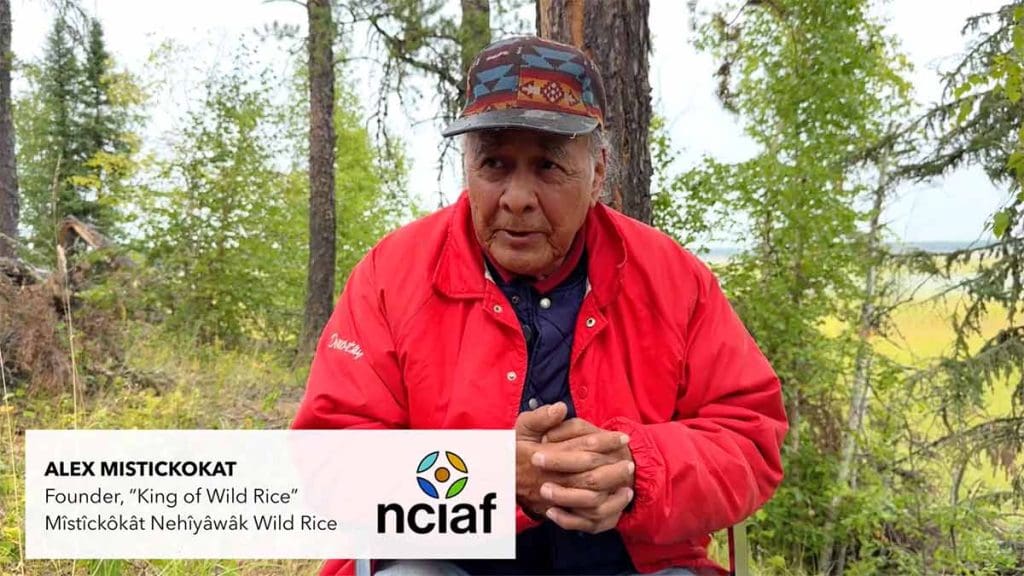
A recent short documentary from the National Circle for Indigenous Agriculture and Food highlights how wild rice continues to shape family life and Indigenous agriculture in northern Saskatchewan. In the film, the Mistickokat family describes wild rice not simply as a crop, but as part of a way of life rooted in land, work, and intergenerational knowledge.
“My kids grew up in the bush,” says Alex Mistickokat. “They like harvesting rice with me. They grew up bagging rice, loading up the trucks with the rice bags–they grew up pretty strong, working so physically.” The family’s connection to the land stretches back through trapping, traditional traplines, and knowledge passed from one generation to the next.
“Our family history dates back to about 12,000 years ago…This lake is my dad’s traditional trapline, we trapped around here for years,” says Mikwan Mistickokat, Alex’s son. Wild rice was brought to his grandfather, passed to his father, and then seeded into lakes near Waterhen Lake, Saskatchewan in the 1980s. His family believed the lakes could support the plant. After early years of waiting and checking the seeded lakes, the family began to see wild rice take hold and grow.
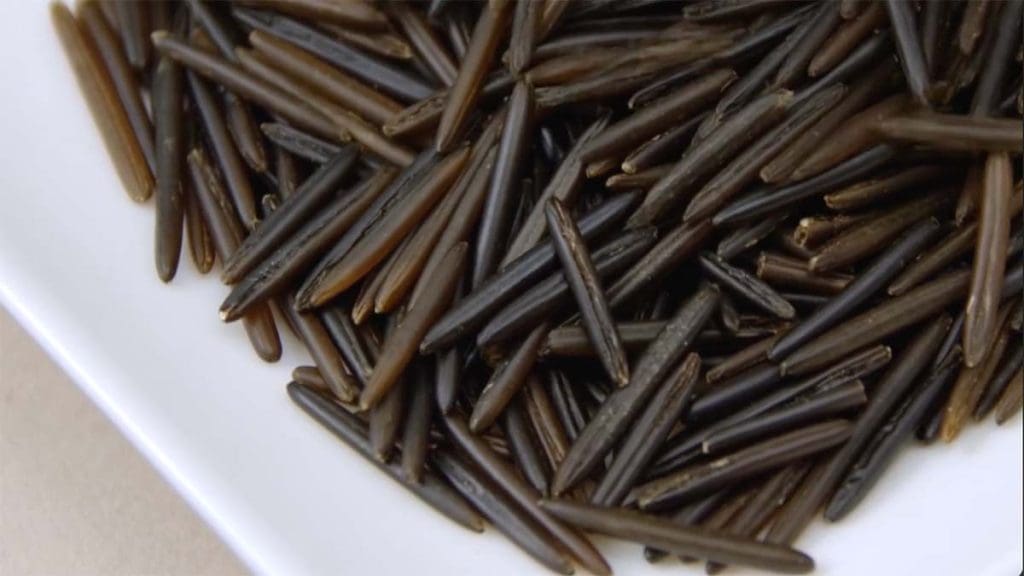
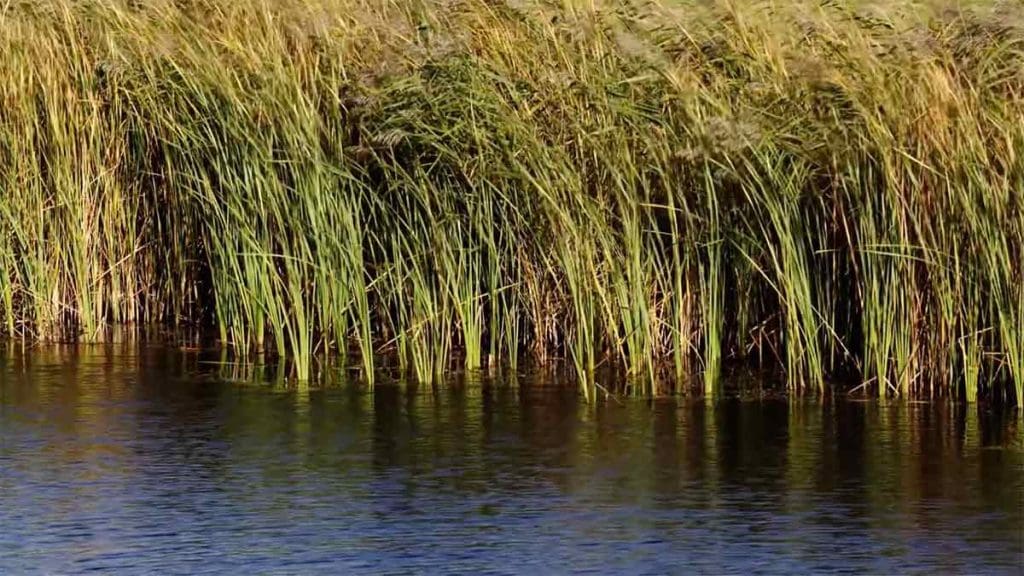
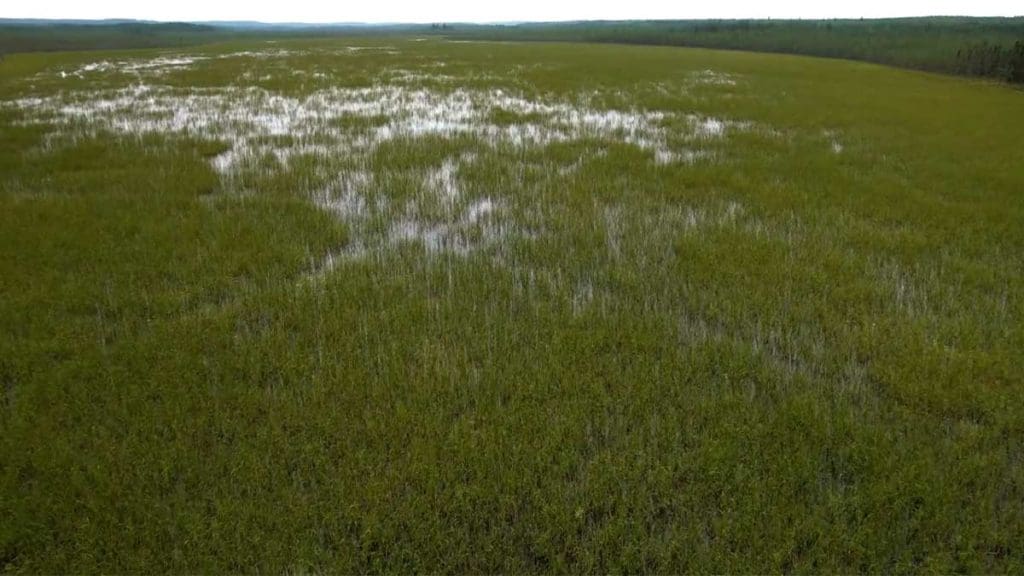
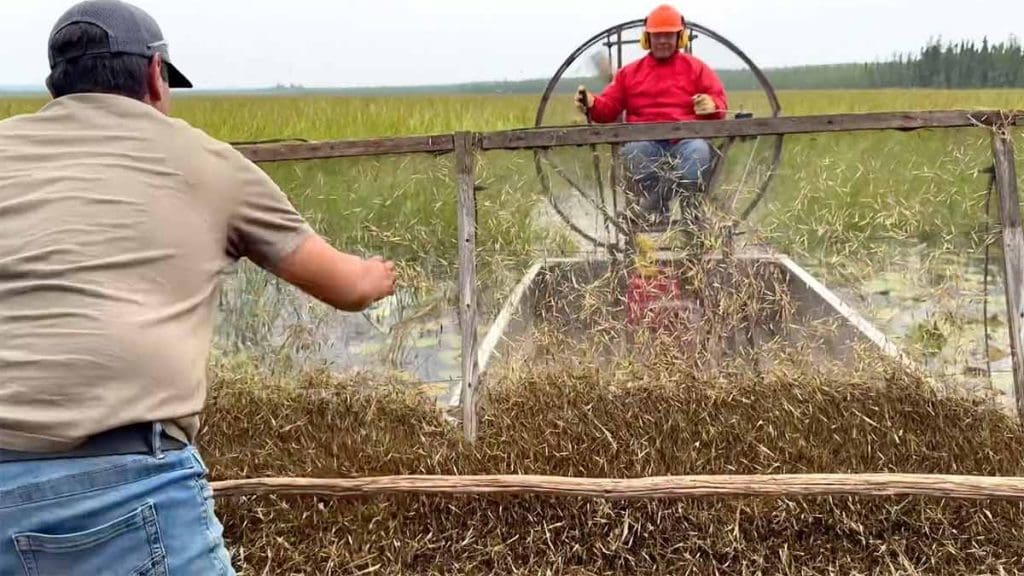
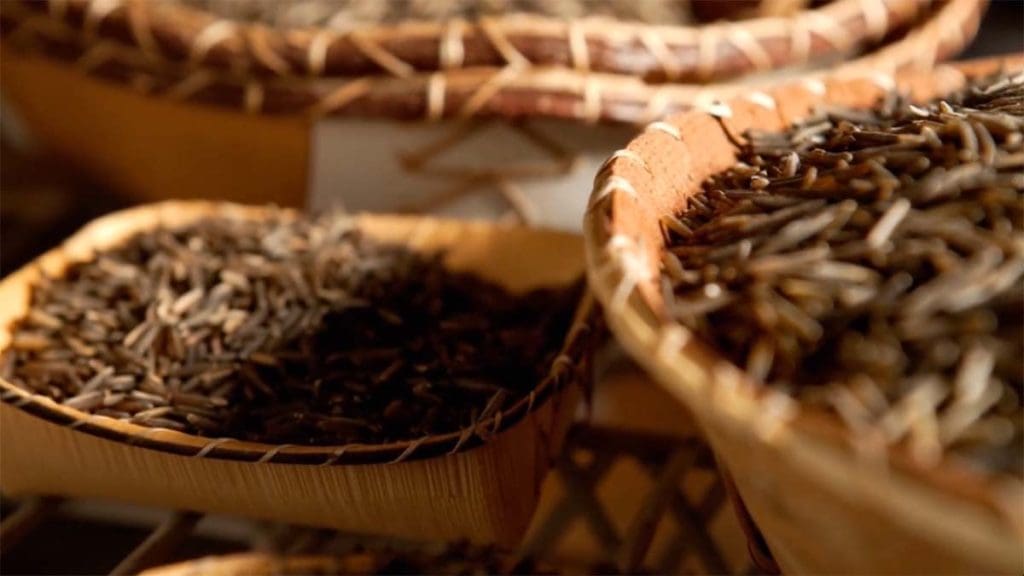
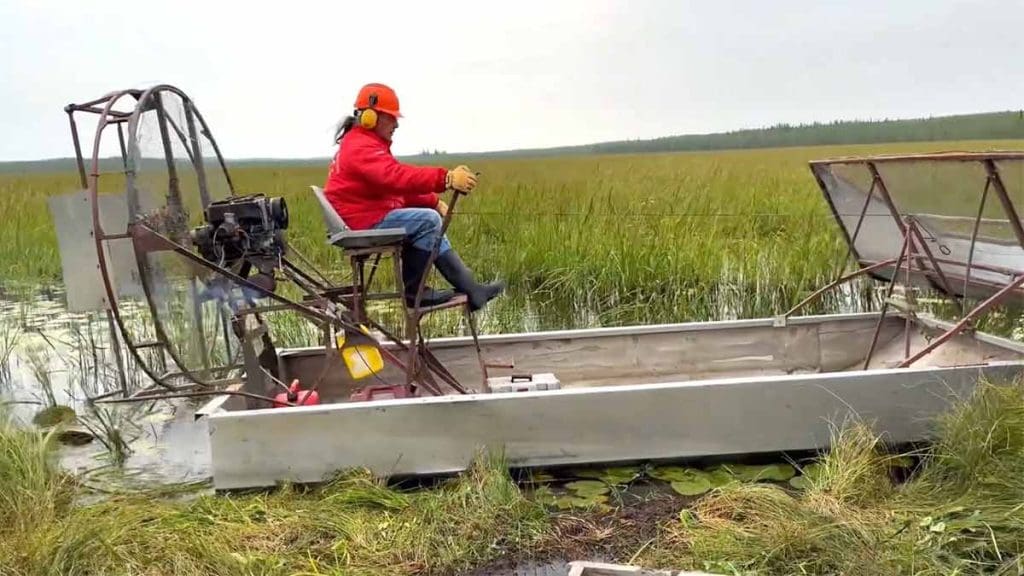
The family also shares the realities of the work. Harvest depends on weather, calm conditions, timing, and careful handling. They use “air boat” rice harvesters to collect the wild rice from where it grows in the lake. “It’s hard to harvest when it’s windy…the best time is when it’s hot and calm.” Alex explains that it is better to move slowly and collect only the ripe grain, because going too fast brings in green material and lowers quality. Their buyers have praised the heaviness and quality of the rice harvested from their lakes, which the family sees as the result of doing the work carefully and properly.
Wild rice is physically demanding work. Family members describe years of shoveling, bagging, hauling, and cleaning rice by hand and speak with pride about building something for the future.
Mikwan Mistickokat says he wants wild rice farmers in northern Saskatchewan to be treated better, and he hopes to strengthen infrastructure and eventually create more local processing so communities can keep more value from the rice they produce. His goal is to build stronger local infrastructure, better opportunities, and more value kept closer to the communities doing the work. “We’re going to change all of that, for all of our neighbours, our brothers and sisters…I want our farmers to be taken care of.”
Wild rice is part of both heritage and present-day agriculture. It is not only a historical food. It remains part of Indigenous entrepreneurship, community resilience, and food sovereignty in Canada today. Wild rice is one of those rare ingredients that carries both flavour and story. It is rooted in Indigenous food traditions, shaped by the lakes and northern landscapes of Canada, and still very much alive in the work of families like the Mistickokats today.
More Cultural Food Stories






 Crab Cakes with Lemon Aioli