
Wild rice is one of Canada’s most distinctive foods, but it is also one of the most misunderstood. Despite the name, wild rice is not the same as white or brown rice. It is the seed of an aquatic grass and is one of the few cereal grains native to North America, with deep roots in Canadian and Indigenous food traditions.
For many Canadians, wild rice appears as a special occasion side dish or in a restaurant salad. It has a much deeper story. Wild rice has been an important food for Indigenous peoples for generations and remains part of living food traditions, community work, and northern economies in parts of Saskatchewan, Manitoba, Ontario, and beyond.
What wild rice actually is
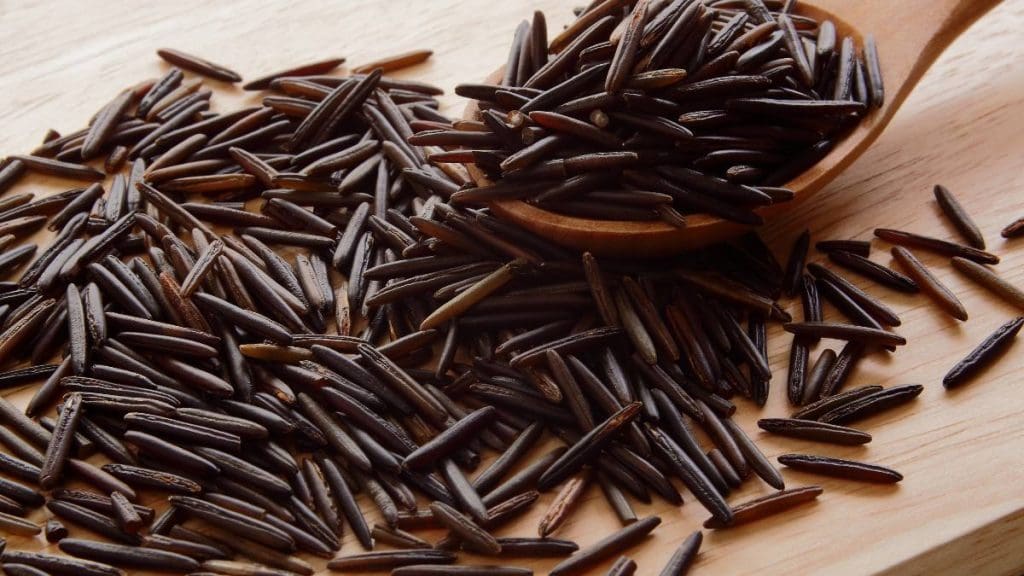
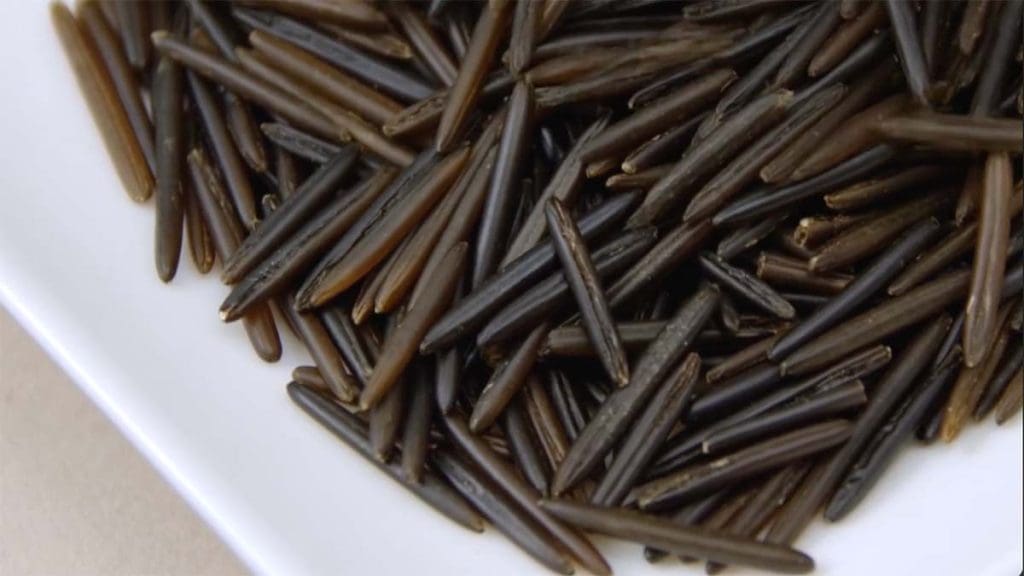
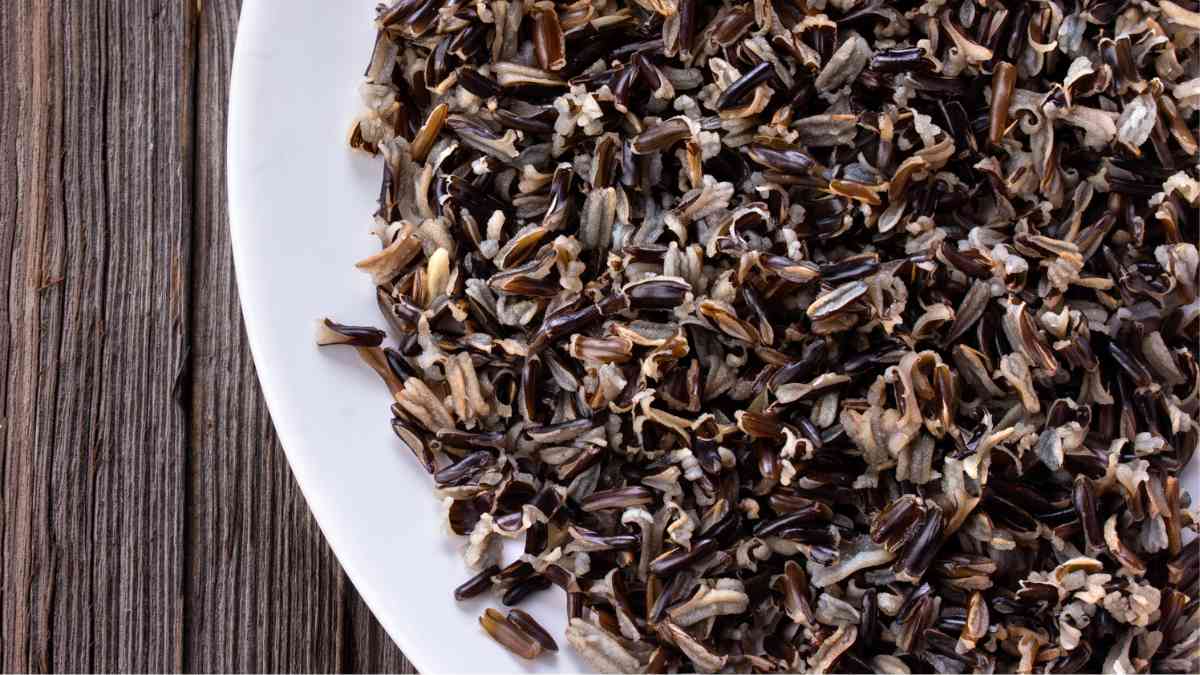
Wild rice is a dark, slender grain with a nutty flavour and chewy texture. It is not closely related to Asian rice varieties. Instead, it comes from aquatic grasses in the genus Zizania that grow in shallow lakes and slow-moving waters in parts of Canada and the northern United States.
Wild rice has long been gathered from lakes and rivers and used much like other whole grains in soups, stuffings, side dishes, salads, and grain bowls. It takes longer to cook than white rice, but many people appreciate its flavour, texture, and the way it holds its shape in recipes.
When you see wild rice on a Canadian menu or in a grocery aisle, you are looking at a grain with both cooking value and a strong sense of place, not just another kind of rice.
A food with deep Indigenous roots
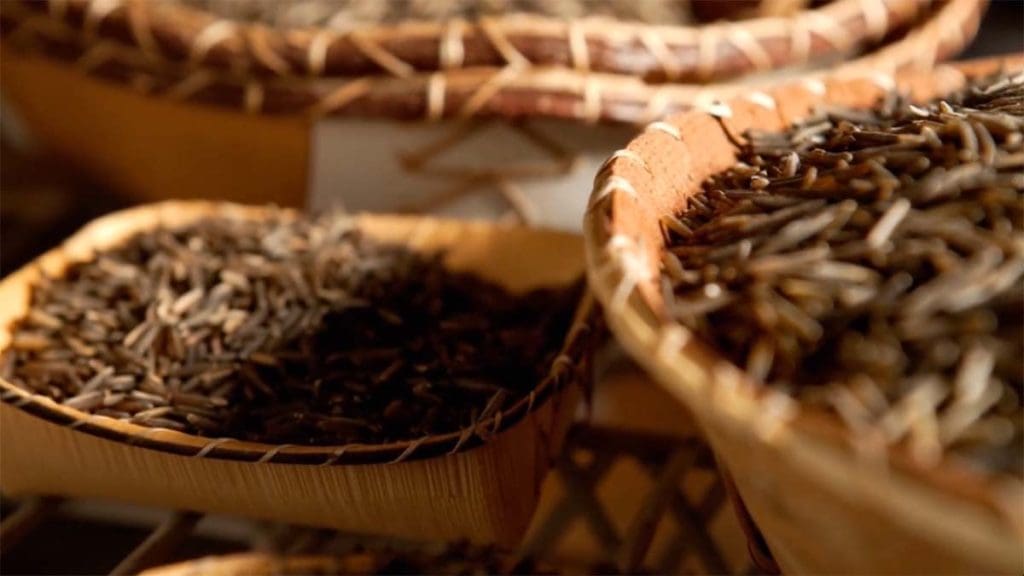
Wild rice is much more than an ingredient. Historical and community accounts describe wild rice (often called manoomin or similar names in Anishinaabemowin and related languages) as a sacred food and central part of Indigenous foodways in the Great Lakes region, northwestern Ontario, Manitoba, Alberta and Saskatchewan.
Traditional harvesting involved paddling a canoe through wild rice beds. One person would guide the canoe while another used wooden sticks, often called knockers, to bend the stalks and tap the ripe grains into the boat. This method allows some grain to fall back into the water and reseed naturally, supporting future growth.
Wild rice continues to be tied to Indigenous food sovereignty and community economies. Research projects in Treaty 3 territory and other regions are working with communities to support wild rice restoration and sustainable production as a food source. These efforts recognize wild rice as culturally, nutritionally, and economically significant, not just as a commodity.
When you cook with wild rice, you are using a food that is part of ongoing Indigenous food traditions and community‑led sustainability work, particularly in parts of Manitoba, Ontario, and Saskatchewan.
A closer look at wild rice in Canadian regions
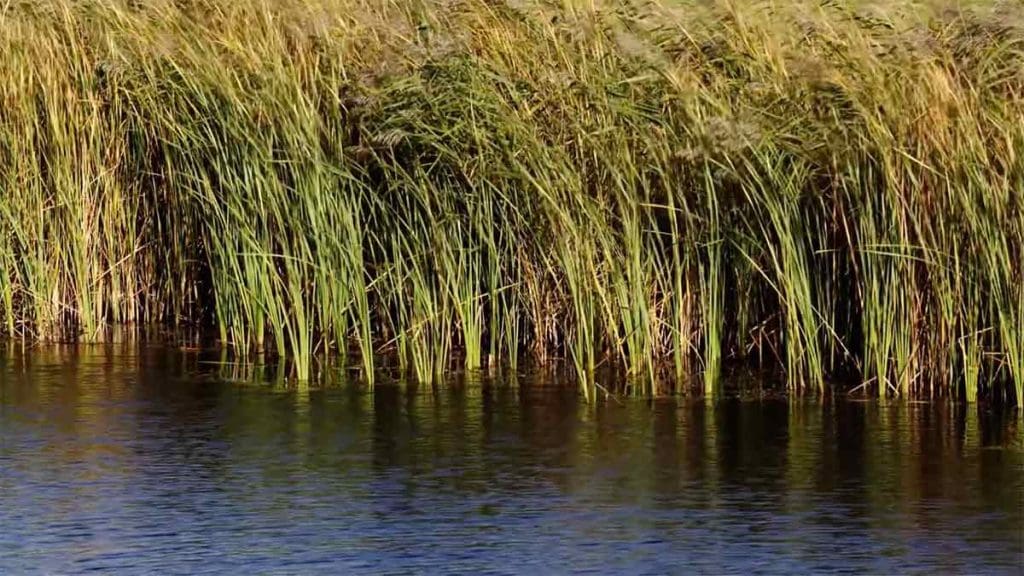
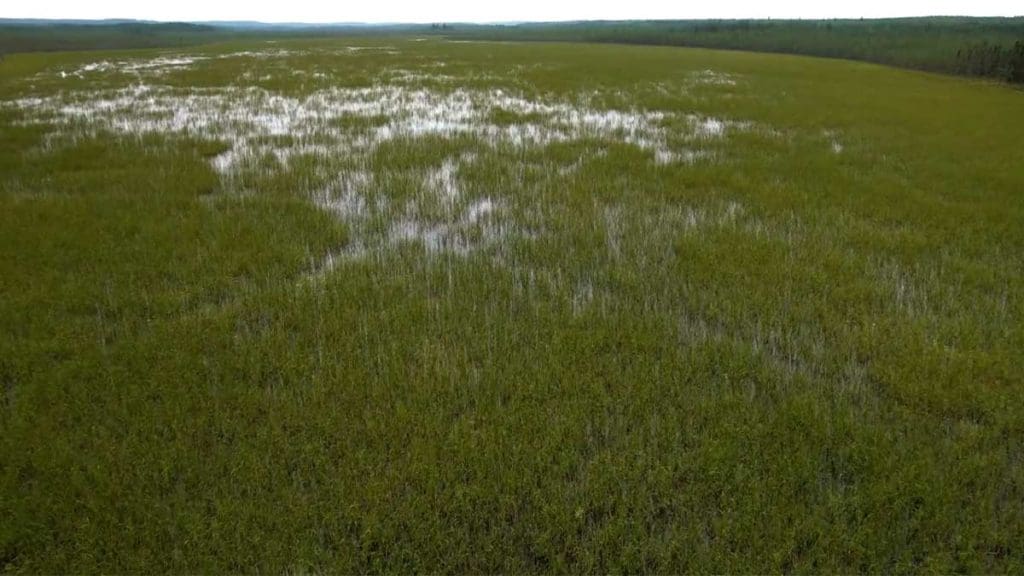
In Canada, wild rice grows naturally or has been seeded in shallow lakes and slow‑moving waterways, including parts of Manitoba, northwestern Ontario, and northern Saskatchewan. Saskatchewan is a major producer of wild rice in Canada, with an estimated production of about 0.9 million kilograms out of a total annual Canadian production of around 1.36 million kilograms, although it varies over time.
Wild rice can be harvested from naturally occurring stands or from seeded stands, including commercial production in suitable Canadian lakes. If you buy Canadian wild rice, there is a good chance it comes from northern lakes in Saskatchewan, Manitoba, or northwestern Ontario, where it supports local and Indigenous producers and processors.
Wild rice as part of today’s Canadian agriculture and research
Wild rice sits at the intersection of traditional harvesting and more recent cultivated systems. Some Canadian wild rice is gathered from lakes using traditional or small-scale mechanical methods. Other wild rice is grown in managed paddies or enhanced lake systems.
Researchers in Canada are working with communities and companies to better understand how to support sustainable wild rice systems through projects such as:
How to manage water levels and nutrients to support wild rice while reducing greenhouse gas emissions from flooded paddies.
Whether coculturing fish and wild rice can use fish waste as a fertilizer while supporting both fish and grain production.
How to restore wild rice where hydroelectric projects or invasive plants have damaged traditional beds.
Behind a bag of wild rice are not only traditional practices but also ongoing science and community‑led work aimed at making wild rice a sustainable, long‑term food source in Canada.
Wild rice and wetland ecosystems
Beyond its value as a food crop, wild rice plays an important role in freshwater ecosystems. Dense stands of wild rice provide cover and feeding areas for waterfowl and other birds, as well as habitat for amphibians and invertebrates. The long, nutritious grains are a significant seasonal food source for many migratory birds, and the timing of seed maturation coincides with fall migrations in parts of North America.
Wild rice stands also help stabilize sediments, reduce wave energy over shallow waters, and tie up nutrients, which can support water clarity and overall wetland health. Because wild rice is sensitive to water quality and levels, its presence is sometimes used as an indicator of healthy wetland conditions.
Choosing wild rice can connect your meals to wetland ecosystems where the plant supports birds, fish, and other species as well as human communities.
How wild rice is harvested and prepared for sale
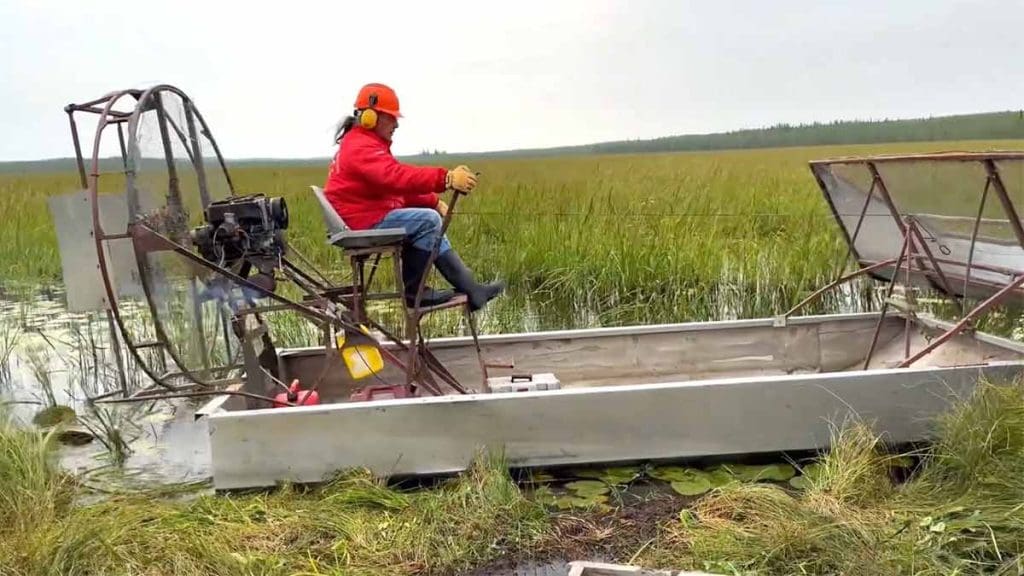
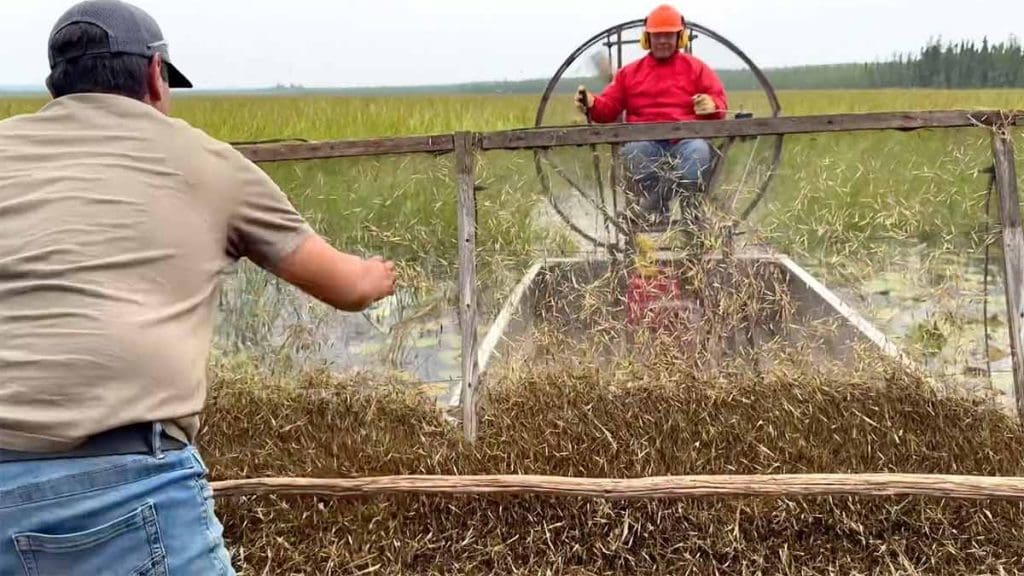
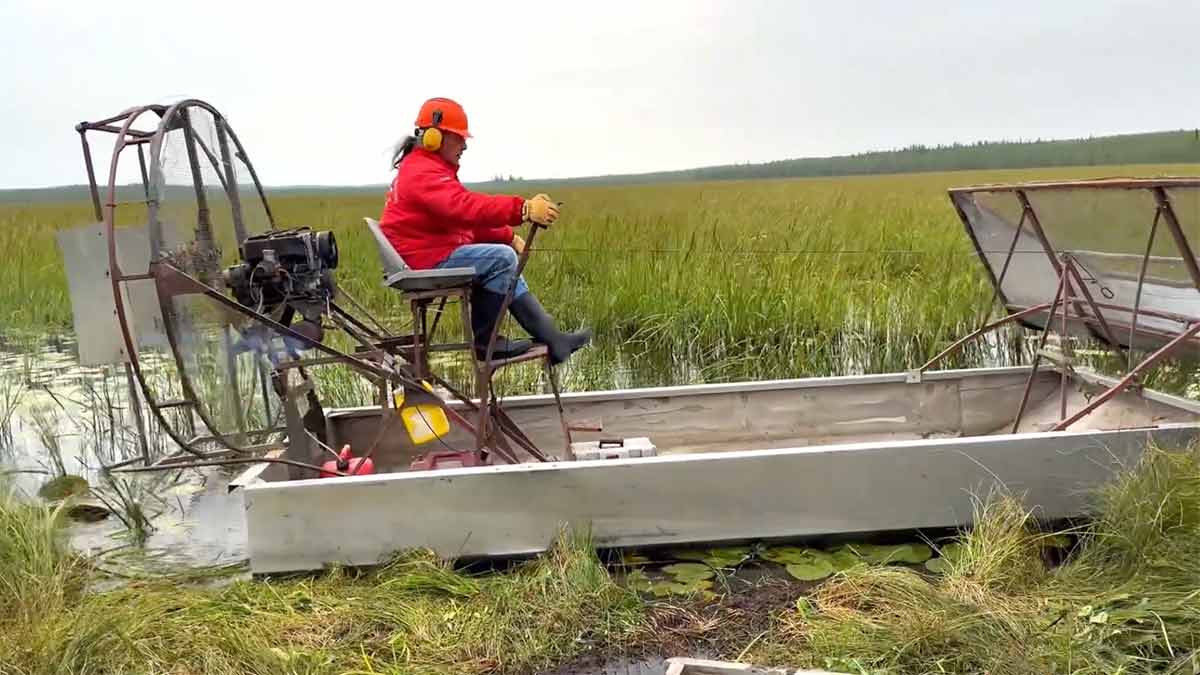
Wild rice is harvested by airboats with header bars mounted at the front of the boat. After harvest, wild rice typically goes through these steps:
- Drying or parching to remove moisture.
- Hulling to remove the outer hull.
- Cleaning and grading by size and quality.
- Packaging for retail or food‑service use.
These steps help stabilize the grain, improve shelf life, and make it ready for cooking at home.
By the time wild rice reaches a Canadian grocery shelf, it has been dried, hulled, and cleaned. Differences in processing can affect cook time, so checking package instructions is helpful.
How to buy and store wild rice in Canada
On store shelves, you will find:
- Almost 100% wild rice sold in stores is harvested in Canada.
- Wild rice blends mixed with white rice, brown rice, or other grains.
Canadian-grown wild rice is sometimes labelled by province or marketed by specific companies. Hand-harvested or “lake wild” rice is often sold at a premium price through specialty outlets or directly from producers.
Store dry wild rice in a cool, dry place in an airtight container. Once cooked, refrigerate promptly and use within a few days, or freeze portions for future meals.
To ensure you are buying Canadian wild rice, look for origin information on the package or buy directly from Canadian suppliers; blends are a good budget-friendly starting point if you mainly want flavour and texture.
The Mistickokat family story
A recent short documentary from the National Circle for Indigenous Agriculture and Food highlights how wild rice continues to shape family life and Indigenous agriculture in northern Saskatchewan. In the film, the Mistickokat family describes wild rice not simply as a crop, but as part of a way of life rooted in land, work, and intergenerational knowledge.
“My kids grew up in the bush,” says Alex Mistickokat. “They like harvesting rice with me. They grew up bagging rice, loading up the trucks with the rice bags–they grew up pretty strong, working so physically.” The family’s connection to the land stretches back through trapping, traditional traplines, and knowledge passed from one generation to the next.
“Our family history dates back to about 12,000 years ago…This lake is my dad’s traditional trapline, we trapped around here for years,” says Mikwan Mistickokat, Alex’s son. Wild rice was brought to his grandfather, passed to his father, and then seeded into lakes near Waterhen Lake, Saskatchewan in the 1980s. His family believed the lakes could support the plant. After early years of waiting and checking the seeded lakes, the family began to see wild rice take hold and grow.
The family also shares the realities of the work. Harvest depends on weather, calm conditions, timing, and careful handling. They use “air boat” rice harvesters to collect the wild rice from where it grows in the lake. “It’s hard to harvest when it’s windy…the best time is when it’s hot and calm.” Alex explains that it is better to move slowly and collect only the ripe grain, because going too fast brings in green material and lowers quality. Their buyers have praised the heaviness and quality of the rice harvested from their lakes, which the family sees as the result of doing the work carefully and properly.
Wild rice is physically demanding work. Family members describe years of shoveling, bagging, hauling, and cleaning rice by hand and speak with pride about building something for the future.
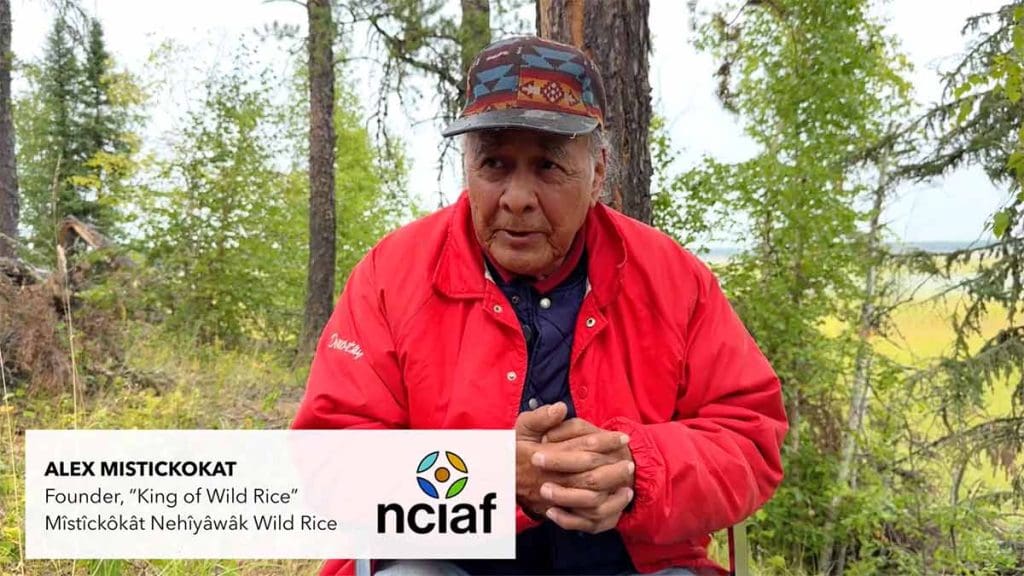
Mikwan Mistickokat says he wants wild rice farmers in northern Saskatchewan to be treated better, and he hopes to strengthen infrastructure and eventually create more local processing so communities can keep more value from the rice they produce. His goal is to build stronger local infrastructure, better opportunities, and more value kept closer to the communities doing the work. “We’re going to change all of that, for all of our neighbours, our brothers and sisters…I want our farmers to be taken care of.”
Wild rice as both heritage and present-day agriculture. It is not only a historical food. It remains part of Indigenous entrepreneurship, community resilience, and food sovereignty in Canada today.
Wild rice is one of those rare ingredients that carries both flavour and story. It is rooted in Indigenous food traditions, shaped by the lakes and northern landscapes of Canada, and still very much alive in the work of families like the Mistickokats today.
Explore More Articles And Recipes About Wild Rice






 Carrot Ginger Oat Cakes with Cream Cheese Filling