
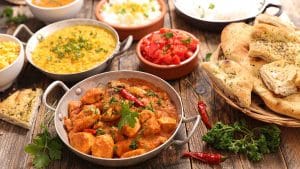
A first-generation Punjabi perspective
An Indian Kitchen in Canada
Growing up, I never gave much thought to where my food came from. It wasn’t until I began practicing as a Registered Dietitian that I became curious about the origins of the foods on my plate and the strengths of Canadian agriculture—especially through the lens of a first-generation Punjabi immigrant.
What surprised me most was realizing how many of the staples my mom relied on in her kitchen, and that I continue to use in mine today, are grown right here in Canada.
Like many families, the heartbeat of our home is the kitchen. It’s where I’ve learned to blend the flavours of my Punjabi upbringing with the abundance of Canada’s food landscape. Don’t believe me? Let me show you…
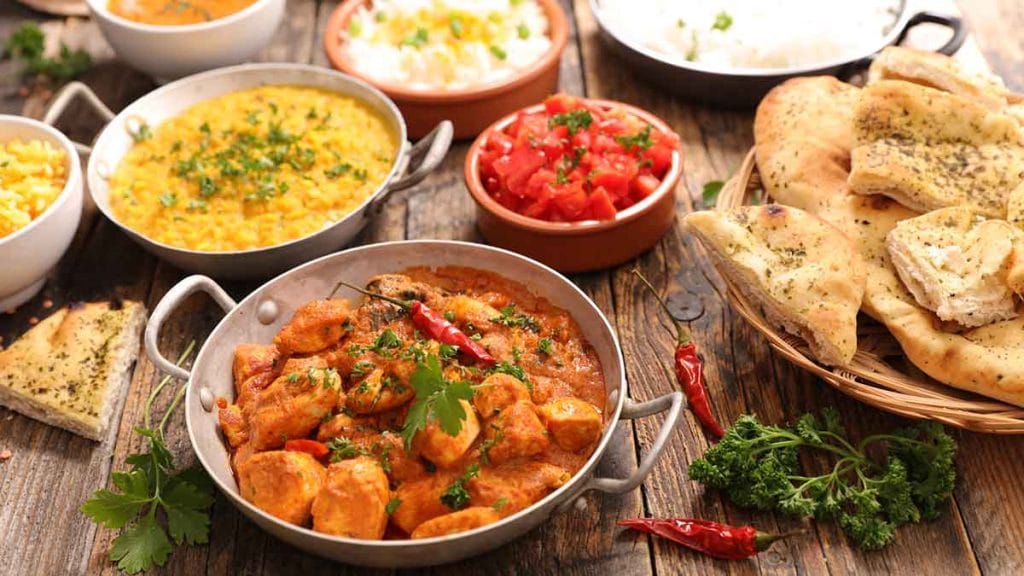
Atta from Canadian wheat
One of the most essential ingredients in a Punjabi kitchen is atta—the flour used to make roti, parathas, puris, and even the naan North Americans so fondly enjoy.
What many don’t realize is that much of the atta they purchase is made from Canadian-grown wheat, including the flour my family uses, which is milled locally here in Manitoba.
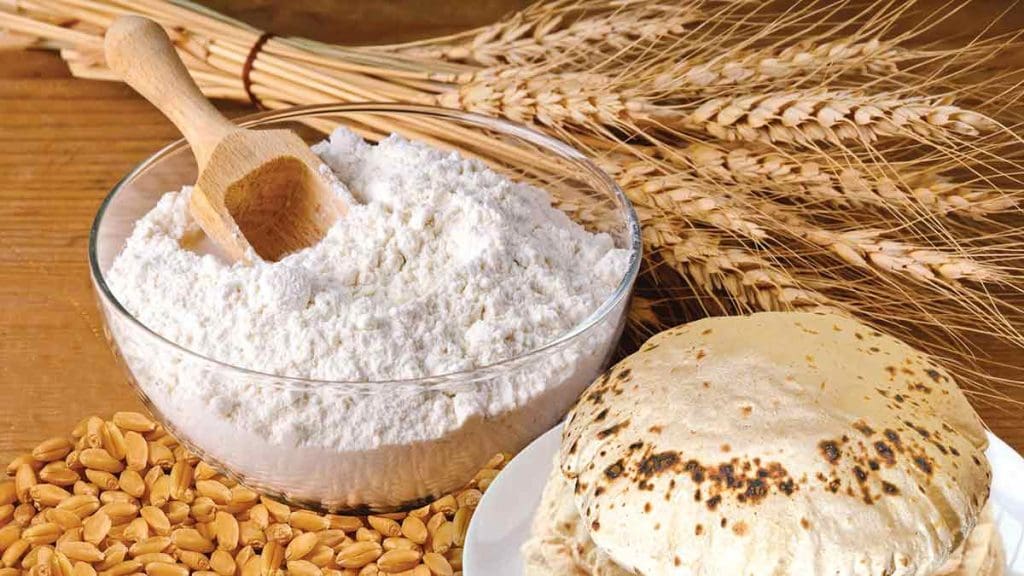
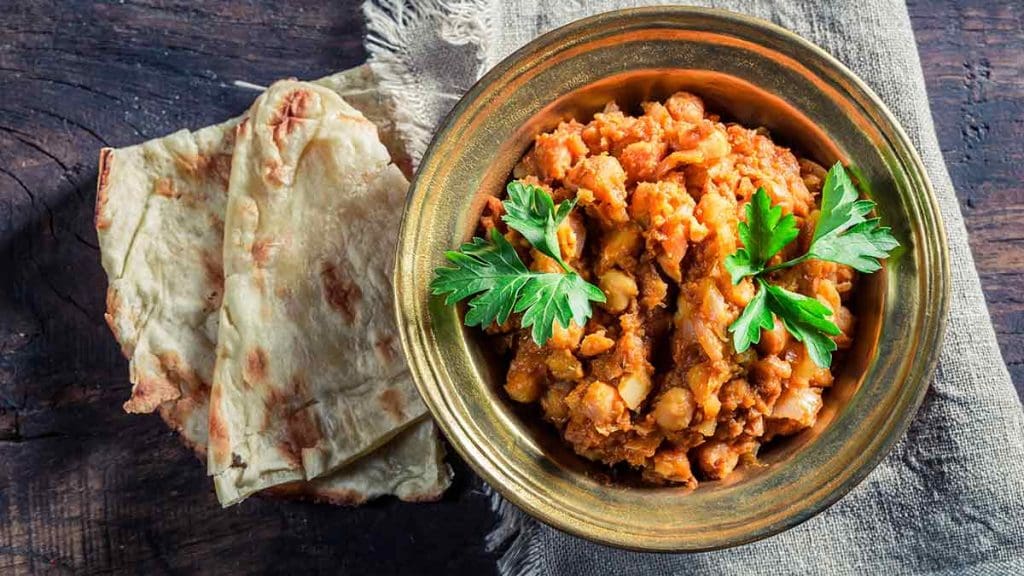
Masala, a base built on Canadian staples
If you walk into any Indian household, you’ll notice a familiar, comforting aroma in the kitchen—usually, it’s the smell of masala. Every family’s masala is a little different, but it almost always starts with onions, garlic, ginger, and tomatoes.
Masala, a base for almost every Indian dish, is made from produce all proudly grown right here in Canada.
Canadian-grown proteins in everyday South Asian dishes
Canadian pulses
Pulses are at the heart of Indian cooking—whether it’s a simple daal, chana masala, or a comforting bowl of rajma. For me, it’s a food group on its own and quite literally an “every day food”.
Through my travels and visits to farms around the world, I was surprised to learn just how central Canada is to this part of our cuisine. Canada is one of the world’s leading producers of pulses—this includes lentils, chickpeas, peas, and beans. Did you know about 8.3 million acres of pulses are grown in Canada every year, mainly in Saskatchewan, Alberta, Manitoba and Ontario?

Even countries like India rely on Canadian-grown pulses to help meet their demand. Canada is also one of the world’s largest exporters of pulse crops, with more than 5 million tonnes of Canadian pulses feeding markets around the globe every year.
As a farm friend once told me – we have enough for us, and enough to share with the world.
Chicken for curries, kebabs & biryanis
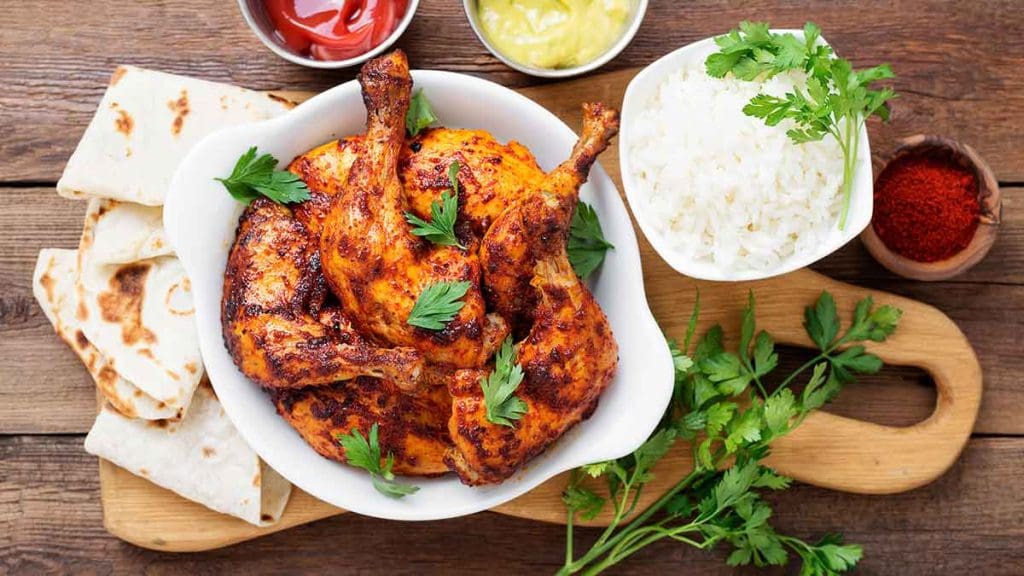
Chicken is a protein my family relies on often—both as a mom feeding busy kids and as a dietitian who values nutrient-dense, reliable foods. It works beautifully in tandoori-style baked chicken, butter chicken and chicken tikka.
It’s easy to source local chicken when you look for the “Raised by a Canadian Farmer” logo or signage on the package. And, if you can’t find it – ask someone in the meat department!
Eggs for bhurji
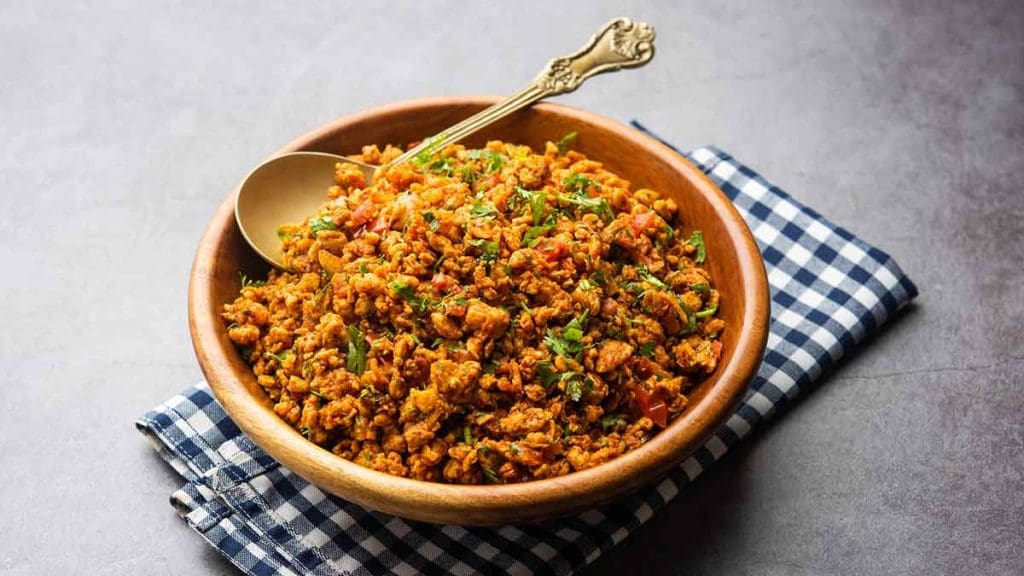
If there’s one food we eat daily, it’s eggs. From Indian-style omelets to bhurji, which is a veggie and spice loaded scrambled egg. It’s always a sweet feeling, knowing that anytime I purchase eggs at the grocery store, they are local farm fresh eggs. Just as good is knowing how nutritious eggs are for our brain, muscles and even our eyes.
Connecting to heritage through food
Knowing that so many of the ingredients I grew up eating and continue to enjoy are connected to Canadian farms adds another layer of meaning to the foods I cook for my own family. Perhaps what I appreciate most about my own personal food story as a Canadian is that the food I eat doesn’t just nourish me, it connects me to my heritage.
Additional Articles to Explore



 The History Of Perogies In Canada
