
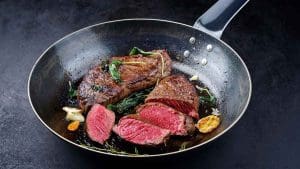
Bison is a flavourful, lean red meat that is gaining popularity in many Canadian kitchens, from quick weeknight suppers to special occasion meals. Bison can be cooked much like other red meats, but because it is typically quite lean, it is best to cook with lower temperatures, shorter cooking times and a bit of extra attention to doneness.
Understanding Bison Meat
Bison has a rich, slightly sweet flavour and a deep red colour, with a fine grain and relatively little marbling. Bison meat is often described as having a more intense flavour than beef but not a gamey flavour. Bison is low in fat and is a great source of complete protein, iron, and essential vitamins. Bison products sold in Canada come from inspected facilities that support a safe food supply. Canadian bison are raised with careful attention to animal care, traceability and food safety, following programs overseen by the Canadian Food Inspection Agency (CFIA) and industry associations.
Buying Bison Meat
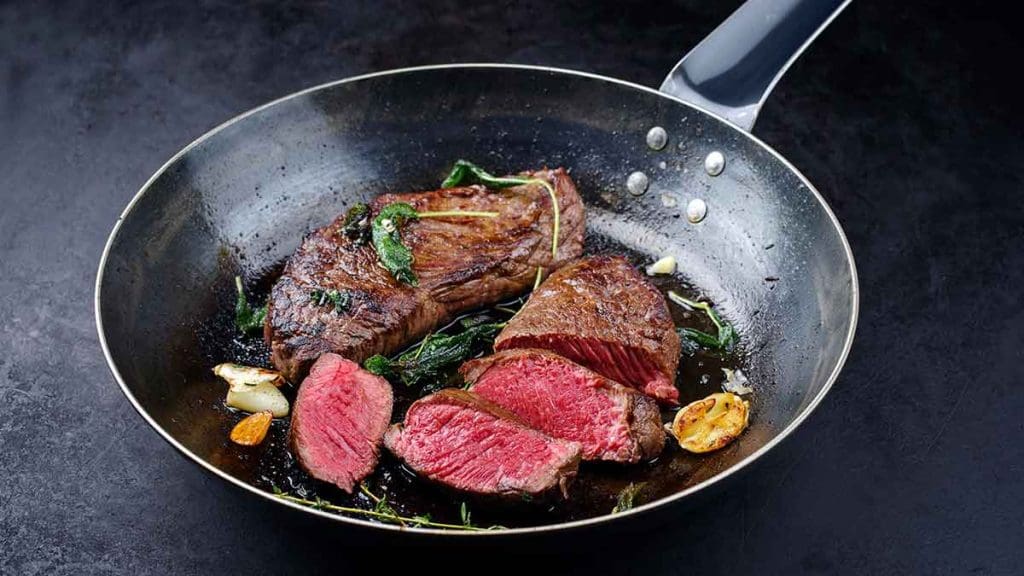
Bison meat can be found across Canada in many grocery stores, specialty meat shops, farmers’ markets and online retailers. When buying bison meat, choose the cut of meat based on what kind of recipe you are going to cook. Bison meat cuts are broken down into prime and sub-prime cuts which are each suited to different cooking methods. The following reference chart groups cuts by tenderness, which can help you choose the right method in your recipe. For a full meat cut chart visit: https://www.canadianbison.ca/application/files/4015/6536/4402/Meat_Chart.pdf
| Cut | Cooking Method | Tenderness |
|---|---|---|
| Tenderloin, butt tender, petite tender | Dry heat (grill, pan-sear, broil, roast) | Most tender |
| Striploin, shortloin, ribeye (including tomahawk and rib roasts) | Dry heat (grill, pan-sear, broil, roast) | Most tender |
| Top sirloin steaks | Dry heat (grill, pan-sear, broil) | Most tender |
| Inside round, eye of round, sirloin tip/knuckle | Combination of dry and moist heat; marinate, roast, braise or stew | Medium-tender |
| Flank steak, tri-tip, hanging tender, some chuck steaks | Combination of dry and moist heat; marinate, grill, pan-sear, slice thin | Medium-tender |
| Brisket, flat iron, shoulder clod, chuck roll | Moist heat; braise, stew, slow cook, smoke low-and-slow | Less tender |
| Short ribs, back ribs, shanks (osso buco–style) | Moist heat; braise, stew, slow cook, smoke low-and-slow | Less tender |
How To Cook Bison by Cut
Because bison is lean, a helpful rule of thumb is to cook it slowly at a low temperature and avoid going past medium doneness for whole-muscle cuts. The poke test, used to check the doneness of other red meats, doesn’t work for bison meat because it is so lean. To make sure your bison meat is tender and juicy, use a meat thermometer and our guide below to check for doneness.
Tender steaks
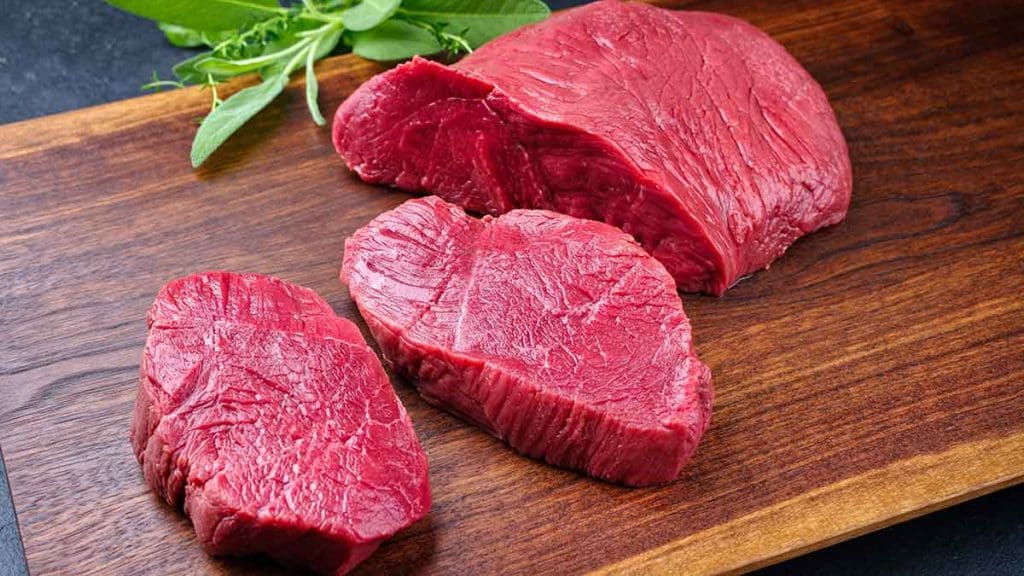
This includes bison cuts like tenderloin, striploin, ribeye and top sirloin steaks.
- Best methods: Grill, pan-sear, or broil.
- Aim for: Rare to medium (about 63–68 °C / 145–155 °F internal).
- Tips:
- Start with steaks about ¾–1 inch thick.
- Use medium rather than high heat and lightly oil the grill or pan.
- Rest 5–10 minutes before slicing, so juices are redistributed.
Medium-tender steaks
This includes bison cuts like flank, sirloin tip, inside round and tri-tip steaks.
- Best methods: Marinate then grill, broil or pan-sear; slice thinly across the grain.
- Tips:
- Marinate 8–24 hours in the fridge to support tenderness.
- Cook to medium-rare (145 °F /63 °C) or medium (155 °F/68°C) and serve in strips for fajitas, salads or grain bowls.
Lean Roasts
This includes bison cuts like round and sirloin tip roasts.
- Best methods: Pot roast, braise, slow cooker or covered roasting.
- Steps:
- Sear in a hot pan or 500°F (260 °C) oven.
- Add about 50 mL (¼ cup) liquid, cover and roast at 325°F (165 °C) or use a slow cooker.
- Cook to about 145 °F (63 °C) for a medium-rare roast, then rest before slicing.
Premium roasts
This includes bison cuts like rib, loin, tenderloin roasts.
- Best methods: Dry roast in an uncovered pan with a rack.
- Tips:
- Season with salt, pepper and herbs and roast at about 275 °F (135 °C).
- Avoid cooking past medium doneness (around 155 °F / 68 °C) to maintain juiciness.
Ground bison
This includes bison cuts like burgers, sauces and meatballs.
- Safety: Cook ground bison meat to at least 160 °F (71 °C) internal temperature; there should be no pink remaining in the center.
- Tips:
- Form patties of even thickness so they cook evenly and lie flat on the grill.
- Because it is lean, consider adding moisture with finely chopped onion, grated vegetables, breadcrumbs or a splash of broth.

Hearty Bison Barley Soup
Nutty barley mixed in with lean ground bison, carrots, celery and onion makes this soup the perfect comfort food – guaranteed to tantalize your tastebuds like never before.
Less-tender cuts
This includes bison cuts like brisket, short ribs, shanks and shoulder.
- Best methods: Braising, stewing, pressure cooking or smoking at low temperatures.
- Tips:
- Cook “low and slow” with plenty of liquid until the meat is fork-tender.
- Use these cuts for hearty stews, pulled meat sandwiches or soups.
Safe handling and storage
Food safety practices for bison are like those for other raw meats in Canada. CFIA-inspected plants follow HACCP-based food safety systems, temperature monitoring and disease surveillance, and remove specified risk materials to protect public health.rangelandbison
At home, we recommend the following:
- Storing bison meat:
- Keep bison meat in the coldest part of the fridge.
- Steaks and roasts in original packaging: up to 4 days refrigerated.bisoncentre
- Fresh ground bison: use within 1–2 days.
- For longer storage, freeze in airtight packaging, label with date and use within a few months for best quality.
- Thawing bison meat:
- Thaw in the refrigerator or in the microwave; avoid thawing at room temperature.
- Avoiding cross-contamination:
- Keep raw bison separate from ready-to-eat foods.
- Wash hands, cutting boards, utensils and counters with hot soapy water after contact with raw meat.
- Cooking temperatures:
- Whole cuts: For best eating quality, cook to no more than medium doneness (155 °F / 68 °C) and use a meat thermometer.
- Ground bison: cook to 160 °F (71 °C).
- Leftovers:
- Refrigerate within two hours of cooking and use or freeze promptly.
Frequently asked questions about cooking bison
How does bison taste?
Bison has a full, slightly sweet flavour and a fine texture that many people describe as rich without being heavy. Because there is typically less visible fat, the taste comes mainly from the meat itself, seasoning, and any marinades or sauces used.
How can bison meat fit into everyday meals?
Bison can be used in many familiar dishes—burgers, meatballs, chilis, stir-fries, roasts and stews—by choosing the appropriate cut and adjusting cooking times. Ground bison is particularly versatile for weeknight recipes, while steaks and roasts work well for gatherings and special meals.
Can bison be eaten rare?
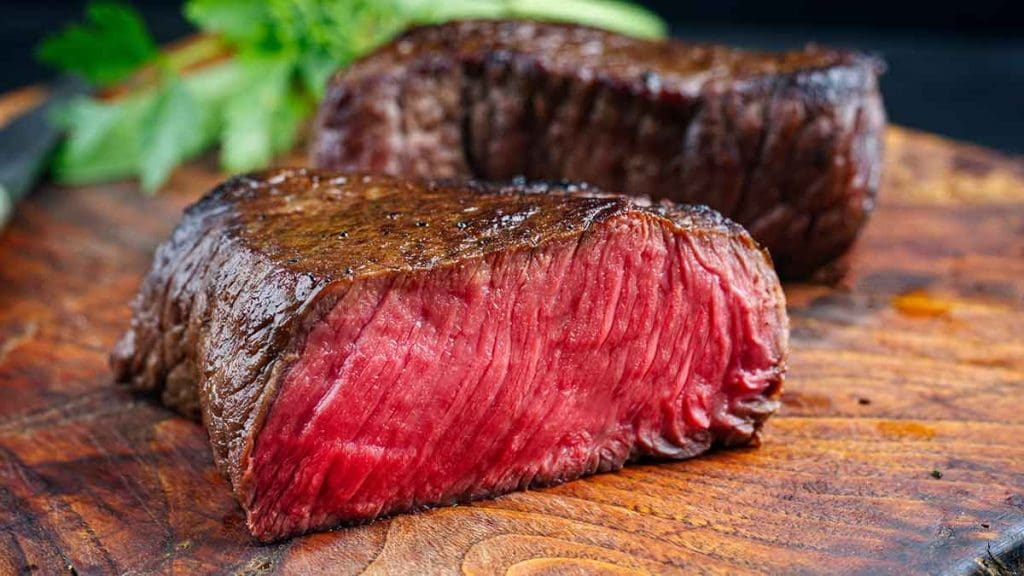
For whole-muscle steaks and roasts, aim for medium-rare (130°F/ 60°C) to medium (155 °F / 68 °C) doneness for the best eating experience, as long as food safety practices are followed. Ground bison should always be cooked thoroughly to 160 °F (71 °C).
Is bison meat available across Canada?
Bison meat is distributed nationally through retailers, food-service suppliers and direct-to-consumer sales from farms and processors. Availability of specific cuts can vary by region, so some Canadians may choose to order online for specialty items such as tomahawk steaks or organ meats.
Where can Canadians learn more or find recipes?
The Canadian Bison Association maintains consumer resources with cooking tips, cut information and recipe links and the Bison Producers of Alberta offer additional how-to guides and FAQs. These sites can be helpful companions as you explore bison in your own kitchen and build confidence cooking bison meat.
Additional Articles to Explore
Related Recipes



 Canadian-Grown Foods in South Asian Kitchens
