Canadian Beef From Farm to Plate
This guide answers common questions about where cattle live, what they eat, how they are cared for, and how Canadian beef safety is managed, so you can make grocery and meal decisions with more confidence.

Canadian Food Focus
#loveCDNfood

This guide answers common questions about where cattle live, what they eat, how they are cared for, and how Canadian beef safety is managed, so you can make grocery and meal decisions with more confidence.
From food and wildlife habitat to soil and water, Canada’s grazing landscapes serve many purposes. Understanding how they work offers a fuller understanding of the relationship between the land and cattle producers in Canada.
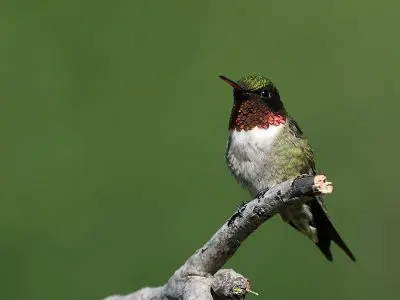
Canada’s prairie ecosystem is home to wildlife running the gamut from tiny snails to moose. It’s also a critical stopover for millions of migratory birds every year.
20 years ago approximately 20 per cent of Saskatchewan’s prairie was still intact. Today, that number has dropped to less than 14 percent.
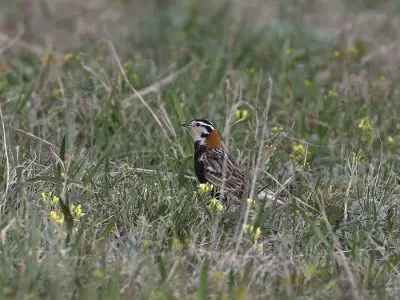
Pine Ranch is helping document which bird species are found on the grasslands on their ranch and how those habitats respond over time.
This article takes you through what combines do and why they matter for your family’s food.
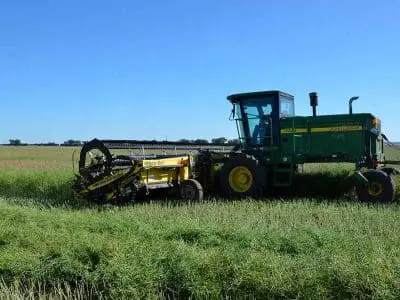
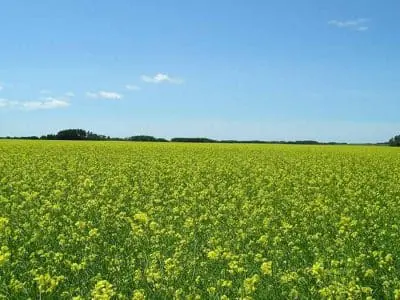
Swathing is one of the behind-the-scenes decisions that can influence the quality of the canola oil, flour, cereal, pasta or other foods that begin in Canadian fields.
This article walks through what mustard is, where it is grown, how a farming year works from seeding to harvest and storage, and what it means when a product says it is made with Canadian mustard.
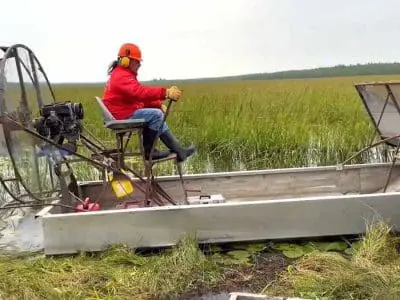
The Mistickokat family describes wild rice not simply as a crop, but as part of a way of life rooted in land, work, and intergenerational knowledge.
Field sprayers help farmers protect crops from weeds and diseases by applying pesticides precisely where needed. Here is what they do and why it matters for your family’s food.
PLU stickers – the little plastic labels attached to fresh produce – help ensure the efficient sale of fruits and vegetables, but can pose a challenge for companies that recycle food waste.
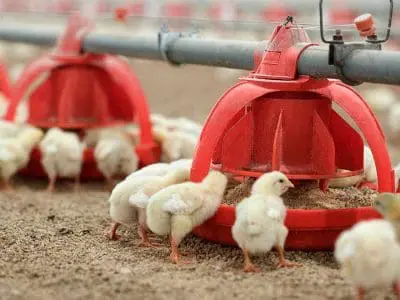
This article answers Canadians’ most frequently asked questions about raising broiler chickens in Canada.
Canadian farm signs and product labels often use the phrase “family farm,” but it is not always clear what that means in practice or how it relates to farm size, ownership, and modern production methods.
On Canadian cattle farms and ranches, alleys, tubs, Bud boxes and chutes help move and restrain cattle safely for care and management. Here is what they do and why they matter for your family’s food.
At the University of Saskatchewan, researchers are combining satellite imagery, ai, and farm data to change how crops are grown, managed and sustained, with the goal of growing food more efficiently and sustainably for Canadians.
On Canadian farms, modern seeders, air drills and planters help farmers place seeds and fertilizer accurately in the soil — here is what they do and why it matters for your family’s food.
Food prices have been rising, and many Canadians are asking how much of their grocery bill actually reaches farms and how farms manage their costs and risks.
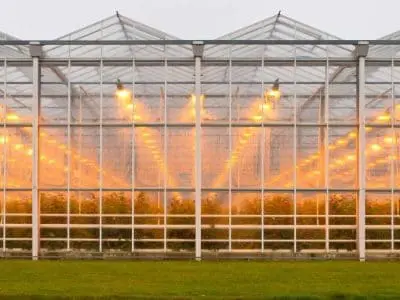
Explore greenhouse farming in Canada and learn how vegetables are grown year-round using controlled environments.
GPS is a tool that helps farmers do careful, repeatable work and can cut down on fatigue while improving field accuracy.
Vaccinating cattle is an important part of keeping cattle healthy and content.
"*" indicates required fields