Canadian farm signs and product labels often use the phrase “family farm,” but it is not always clear what that means in practice or how it relates to farm size, ownership, and modern production methods. Survey research shows that Canadians tend to trust “family farms” more than “factory farms,” even though “factory farm” is not an official category in Canadian regulations or statistics and is a slang term that is often used to paint a false picture of farming.
This article explains how family farms are defined in Canada, how common they are, what a mixed farm is, how farm sizes are changing, and how these farms operate as businesses while still being closely tied to households and communities.
What is a “family farm” in Canada?
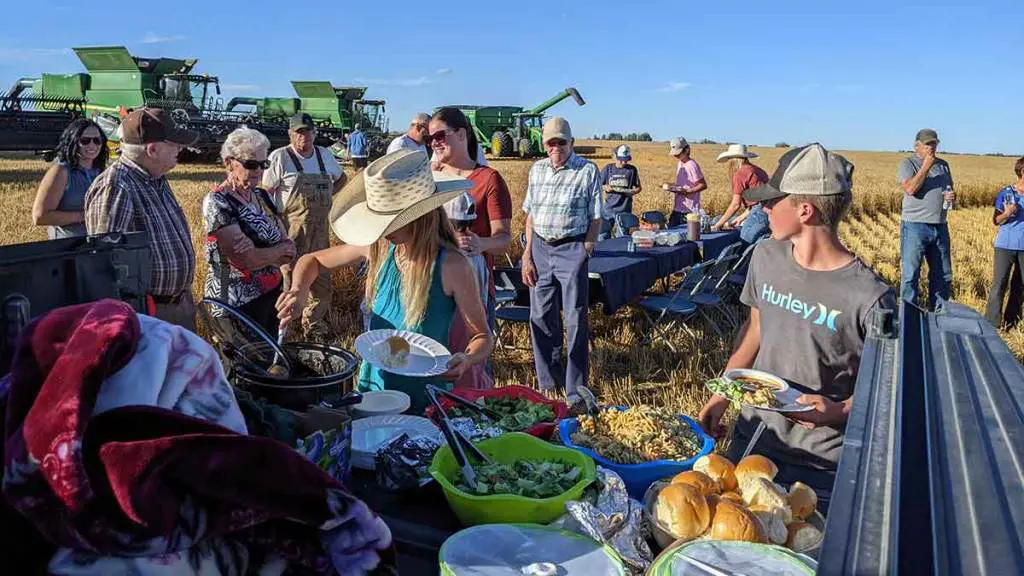
There is no single, universal legal definition of a family farm, but Canadian and international sources use similar concepts. Statistics Canada counts any farm as a family farm if it is not managed by a commune, cooperative, or non‑family corporation, meaning that the management and decision‑making are in the hands of individuals or families. The Food and Agriculture Organization (FAO) describes family farming as a form of agricultural operation managed and operated by a family and largely reliant on family labour and capital.
In practice, this means that a family farm is one where the household and the farm business are closely linked: family members provide most of the management and a significant share of the labour, and farm assets are often treated as part of the family’s long‑term heritage.
What this means for you
When you see “family farm” used by Canadian producers, it generally refers to farms where ownership and management are in the hands of one family or a small number of related households, even if the farm has incorporated for tax or liability reasons and even if the farm has hired workers.







How common are family farms in Canada?
Census data and analysis indicate that the majority of Canadian farms are family operated. For example, previous analyses of census information have estimated that a large proportion of farms, on the order of several hundred thousand operations, have historically been family farms, with only a minority managed by non‑family corporations, cooperatives, or other structures.
The 2021 Census of Agriculture counted 189,874 farms in Canada, covering a wide range of sizes and types, and many of these are still owned and operated by individuals or families rather than non‑family corporations. There has been a long‑term decline in the total number of farms and an increase in average farm size, meaning fewer, larger operations overall.
What this means for you
Although farms are getting larger on average and there are fewer farms than in previous decades, most Canadian farms remain family‑operated in terms of management and ownership, not companies with no household connection.
What is a mixed farm?
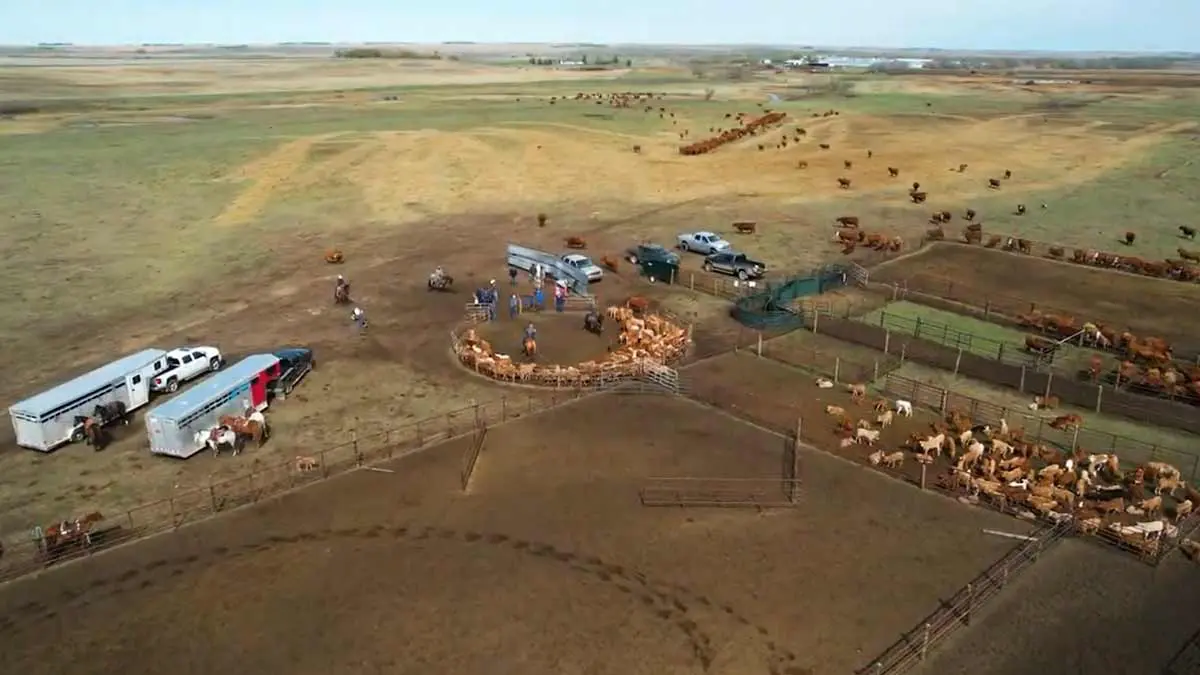
A mixed farm is an operation that produces more than one major type of product, for example, a combination of crops and livestock, or multiple crop types and livestock enterprises together. Historically, many Canadian farms were mixed, with combinations such as grain and cattle, or field crops and hogs; over time, some farms have specialized while others maintain mixed production for agronomic and business reasons.
Examples of mixed farms include:
- A grain and beef farm that grows cereal and oilseed crops and also maintains a cow–calf herd.
- A dairy farm that grows forage and grain crops to feed cattle and sells surplus crops or custom works for other farmers.
- A farm that combines vegetables, small grains, and direct‑market livestock, often for local or regional markets.
What this means for you
When a farm describes itself as “mixed,” it usually means the operation has more than one significant enterprise (for instance, both crops and livestock), which can spread risk and make use of land, labour, and equipment throughout the year.
Does farm size alone tell you whether a farm is “industrial” or “family‑run”?
Public conversations sometimes use “factory farm” to refer to large farms, but this phrase does not have a precise regulatory or statistical definition in Canada. Research and producer organizations point out that many larger farm operations are still owned and managed by families and must follow the same regulatory and industry standards as smaller farms.
The 2021 Census of Agriculture shows that the number of mid‑sized farms has declined, and the number of large farms has increased, especially in land‑intensive sectors such as grains and oilseeds. This reflects consolidation and economies of scale, not a shift from “family” to “corporate” ownership, since many large farms are still run by families and may even be multi‑generational operations. When families get larger or multiple branches of the family are involved in the farm, it needs to be larger in order to provide enough income to support more people.
What this means for you
Farm size by itself does not tell you who owns or manages a farm or how animals and crops are regulated; large and small farms alike can be family‑run and are subject to the same broad regulatory frameworks for food safety, animal welfare, and environment.



How are family farms organized as businesses?
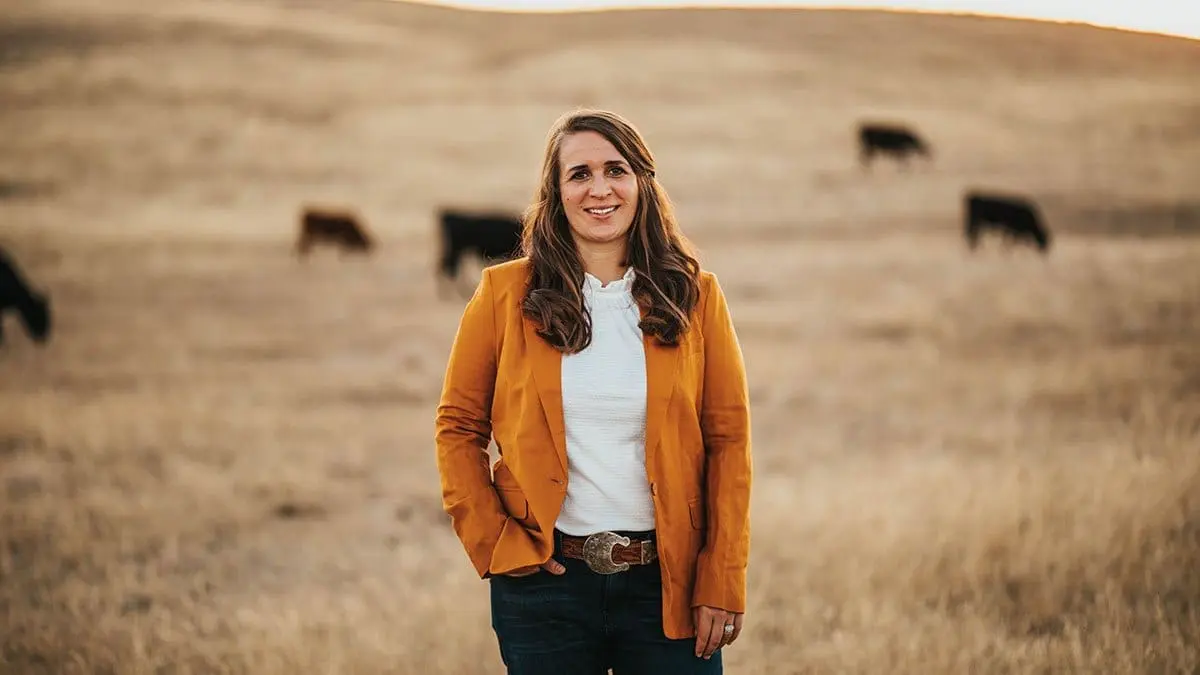
Family farms can be organized in different legal forms such as sole proprietorships, partnerships, or family corporations, but these structures mainly affect taxation, liability, and succession planning rather than who makes day‑to‑day decisions. In many cases, incorporation allows families to manage intergenerational transfer and investment more efficiently while keeping control within the family.
Within a family farm, roles can include on‑farm labour, management, bookkeeping, marketing, and off‑farm employment to diversify household income. In some cases, family members work both on the farm and in off‑farm jobs to stabilize household finances, particularly during years of low commodity prices or poor yields.
What this means for you
When a farm is described as a “family corporation,” it generally means the farm business is incorporated for legal and financial reasons, while ownership and management remain within a family or related households.
How do family farms change over time?
Data from recent censuses show that farms evolve in size, structure, and production focus over decades. Trends include:
- Fewer total farms and more very large farms, especially in land‑based sectors.
- Increased adoption of technology and practices such as precision agriculture, renewable energy generation, and environmental stewardship measures.
- Adjustments in enterprise mix. For example, some farms are exiting the livestock sector and focusing on crops, or vice versa, depending on markets and family capacity.
Family farms often plan for generational transfer, where younger family members gradually assume management and ownership responsibilities. In some cases, farms merge, split, or form partnerships to reflect family changes and economic conditions.
What this means for you
The family farm is not a fixed model; operations adapt by changing size, technologies, and product mix to remain viable while still keeping decision‑making rooted in the household.
How do family farms relate to public trust?
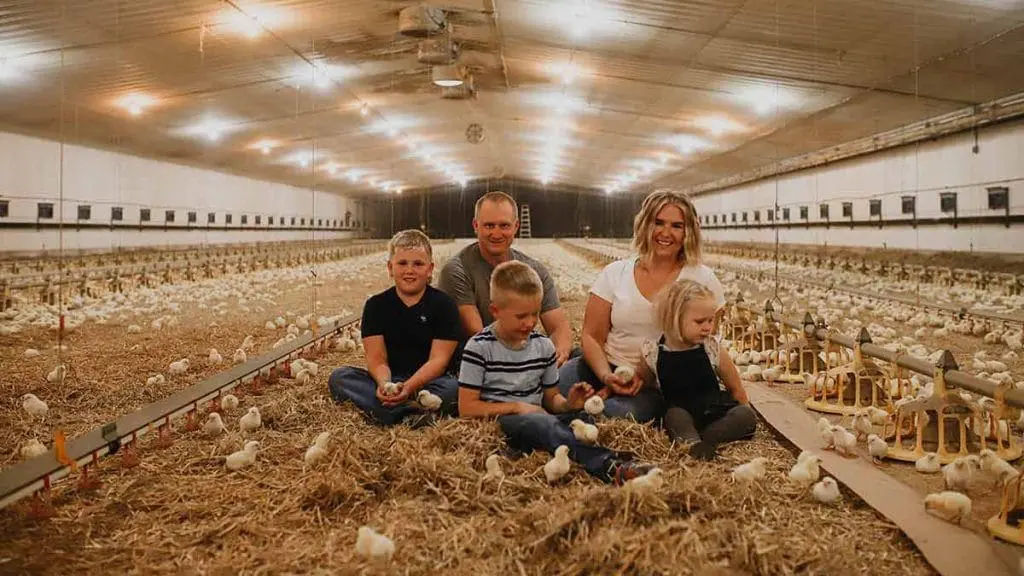
Public trust research in Canada shows that Canadians generally view “family farmers” positively and see them as trustworthy messengers on food and agriculture issues. The same research also indicates that terms like “factory farm” can cause concern, particularly when people associate them with large size, distance from consumers, or perceived lack of transparency.
Many family farms operate at commercial scales and use modern technology, which can challenge older images of small, mixed, self‑sufficient farms. Modern operations can still be family‑run and subject to Canadian regulations and communicating this information is part of many sector efforts to maintain and build trust.
What this means for you
When you hear from Canadian farmers, they are often owners or managers of family farms operating under contemporary conditions like larger fields, specialized barns, or greenhouse systems, rather than small farms that only grow or raise enough to feed themselves.
What does a day on a family farm typically involve?
Daily activities vary by farm type, season, and region, but most family farms involve a combination of production tasks, management, and household responsibilities. Examples include:
- Livestock farms: feeding and watering animals, checking health, cleaning and bedding, milking (for dairy), and managing manure and barn conditions.
- Crop farms: monitoring weather, maintaining equipment, seeding, spraying, fertilizing, harvesting, and monitoring grain storage or other storage facilities.
- Mixed farms: a combination of both, often with seasonal peaks in workload during seeding, calving, or harvest periods.
In addition to production work, family farms handle record‑keeping, regulatory compliance, financial management, and marketing and communication tasks.
What this means for you
The “family” element of a family farm often includes a wide range of tasks from physical work in barns and fields to management, paperwork, and outreach, distributed across different family members throughout the year.
How do family farms interact with local communities?
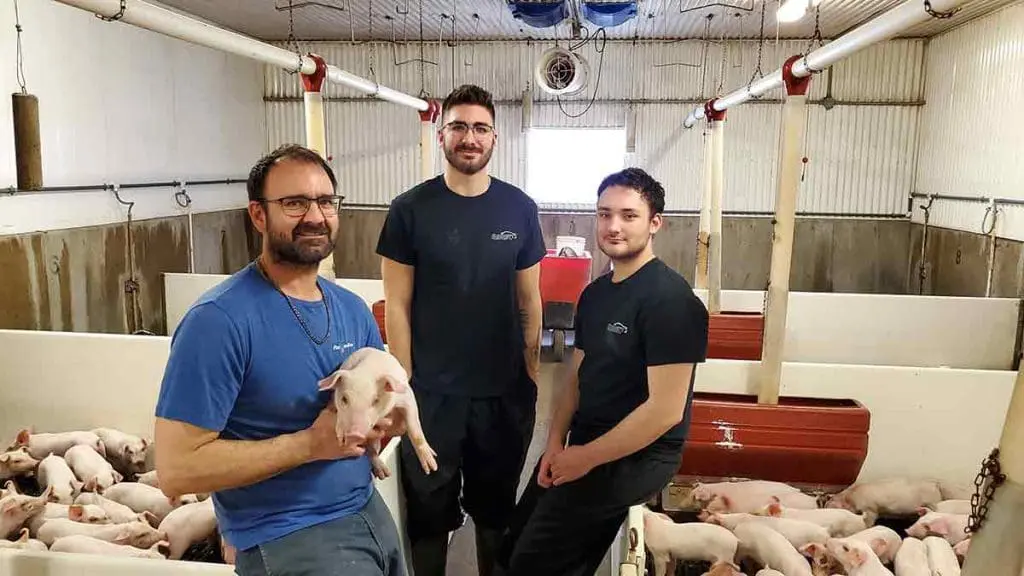
Family farms often have long‑standing ties to nearby communities through school boards, local businesses, farm organizations, and service clubs. They purchase inputs such as fuel, feed, machinery, and services locally where possible and may provide employment for non‑family workers during peak seasons or year‑round.
Some family farms also engage directly with consumers through farmers’ markets, farmgate sales, community‑supported agriculture programs, agritourism, and social media, which can offer additional income streams and avenues for dialogue.
What this means for you
When you see Canadian products marketed as coming from family farms, this often reflects not only ownership structures but also deep historical and economic connections between the farm and its surrounding community.
How can you support family farms through everyday choices?
Different purchasing decisions connect to family farms in different ways:
- Choosing Canadian grown products, where available, supports domestic farms operating under Canadian standards and market conditions.
- Buying from farmers’ markets, farm stores, or CSAs can direct a larger share of the food dollar to family farms that also handle marketing and distribution.
- Paying attention to origin statements or branding that highlight Canadian farm sources can signal demand for domestic production to retailers and processors.
What this means for you
You do not need to know every detail about farm structure to support family farms; choosing Canadian products when they fit your budget and occasionally buying directly from farms or local programs are practical ways to connect with and support family‑run operations.
Key takeaways
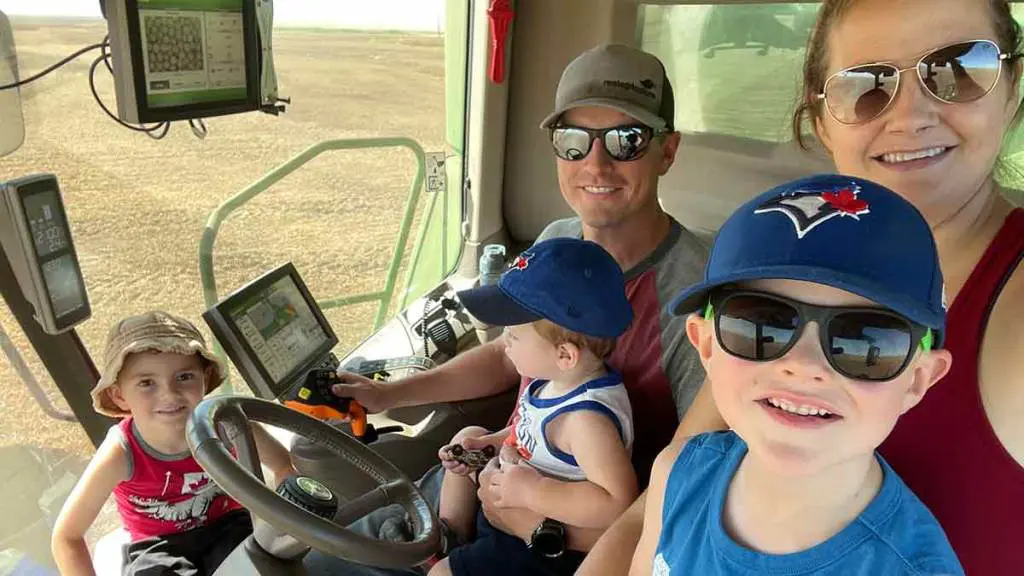
- In Canada, a family farm generally means an operation managed and operated by a family, with decisions and a significant share of the labour coming from the household, regardless of legal form or size.
- Most Canadian farms remain family‑operated, even as total farm numbers decline and average farm size increases, especially in land‑intensive sectors.
- Mixed farms combine multiple enterprises, such as crops and livestock, to spread risk and make use of resources across the year.
- Farm size alone does not indicate ownership or care standards; large and small family farms operate under the same broad regulatory frameworks for food safety, environment, and animal welfare.
- Everyday choices such as buying Canadian products and occasionally purchasing directly from farms can support family‑run operations across Canada.

 Equipment for Handling Cattle Safely