
Broiler chickens are chickens raised for meat, and they supply the chicken that is purchased at grocery stores. Many Canadians are unsure what broiler barns look like, how they are raised in barns, what they eat, and how safety is checked. This article answers Canadians’ most frequently asked questions about raising broiler chickens in Canada.
What is a broiler chicken?
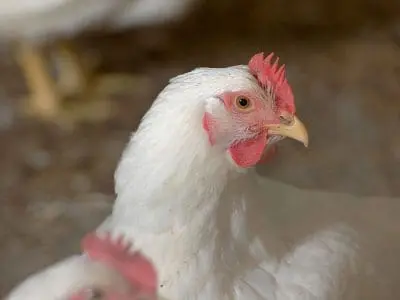
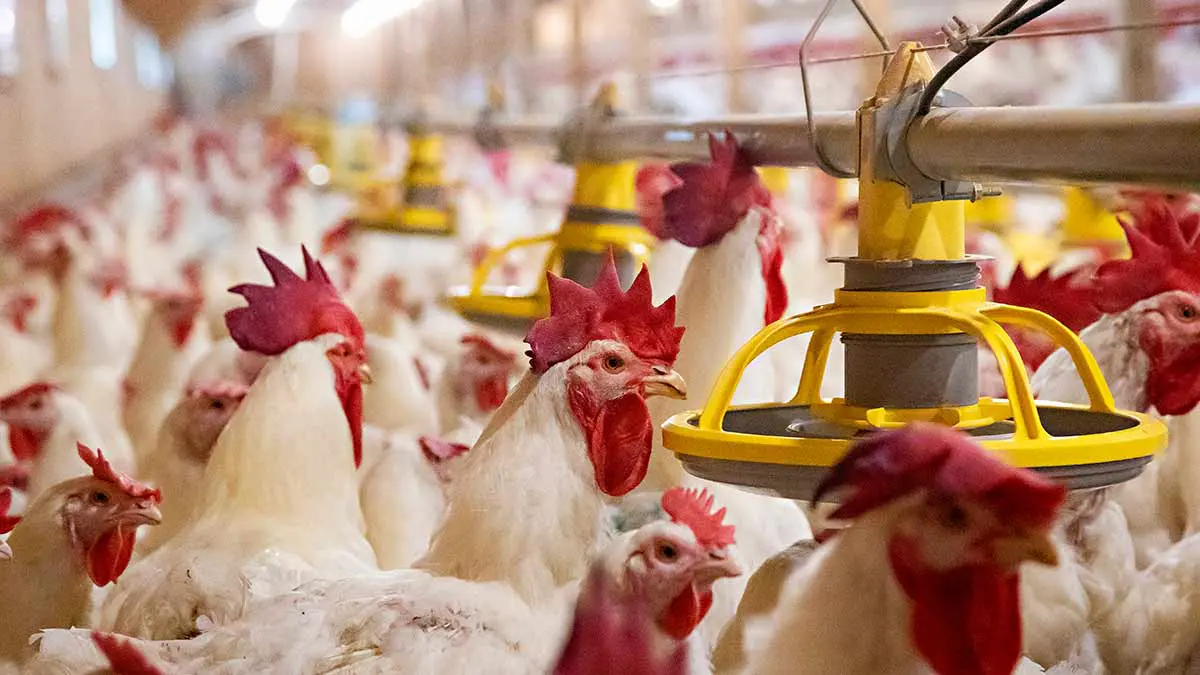
A broiler chicken is a chicken raised specifically for meat, as opposed to a layer hen, which produces eggs. In Canada, broiler chickens are typically breeds based on Plymouth White Rock and Cornish White genetic lines, developed to produce good quality meat efficiently. These birds almost always have bright white feathers, yellow feet and a red comb on the top of their head (both males and females). They are raised from day-old chicks to market weight and then processed into the whole chicken and other cuts you see in stores and restaurants.
What this means for you
When you buy chicken pieces or a whole roasting chicken, you are buying meat from broiler chickens that have been raised under a specific meat production system, not from laying hens.
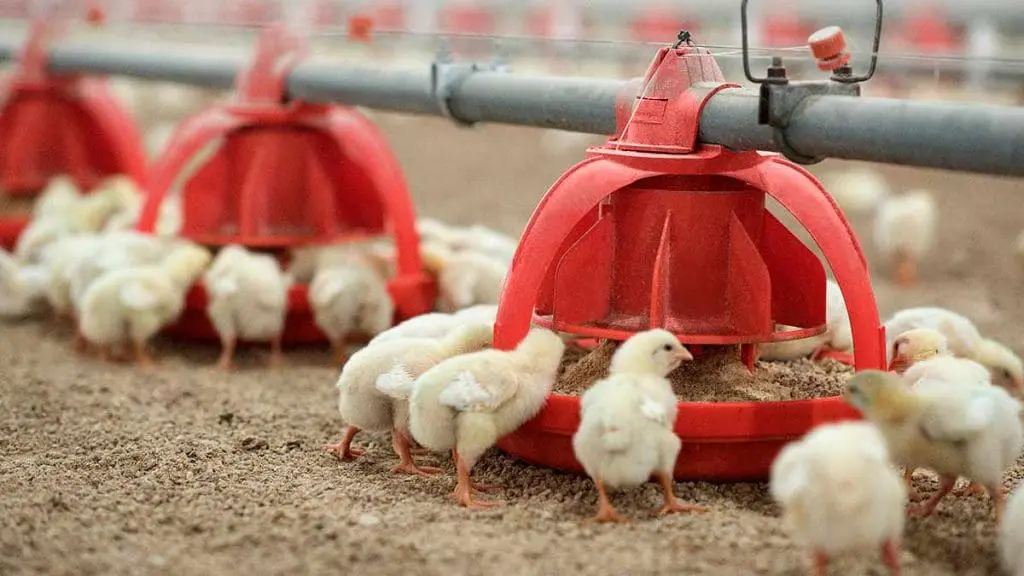
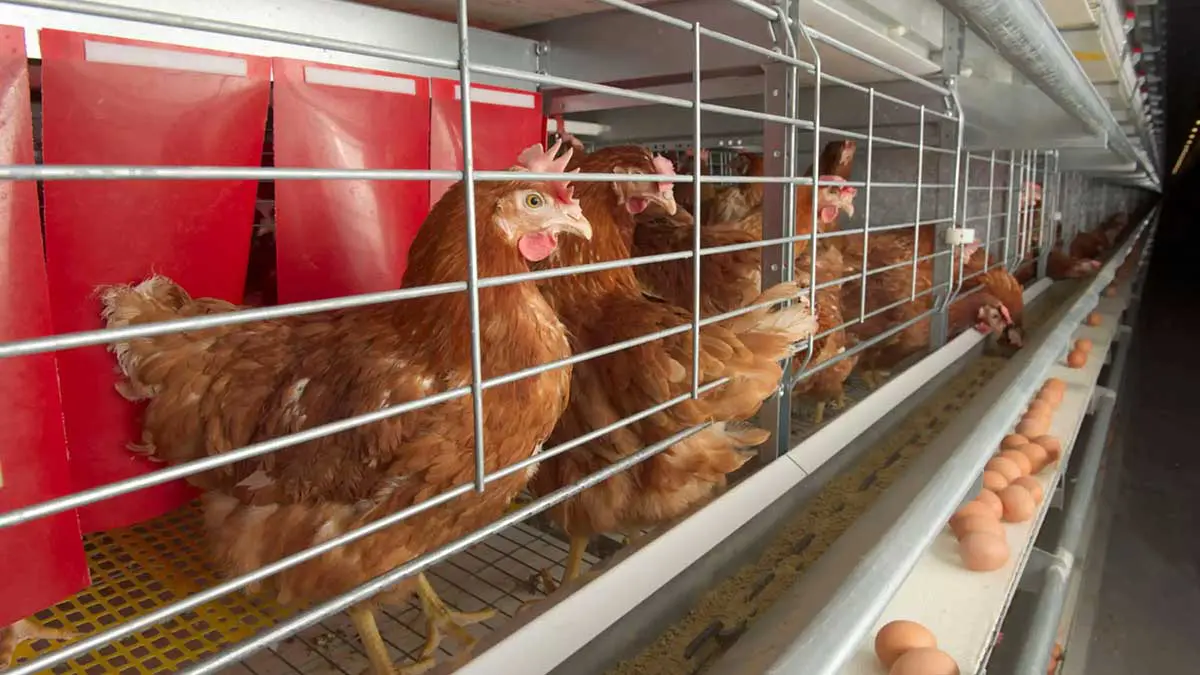
Do broiler chickens live in cages in Canada?
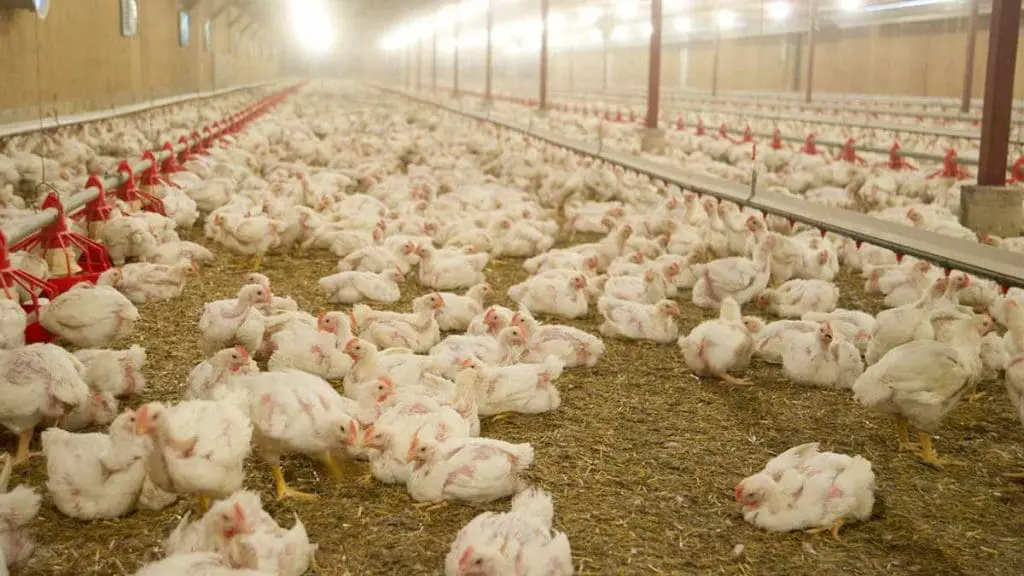
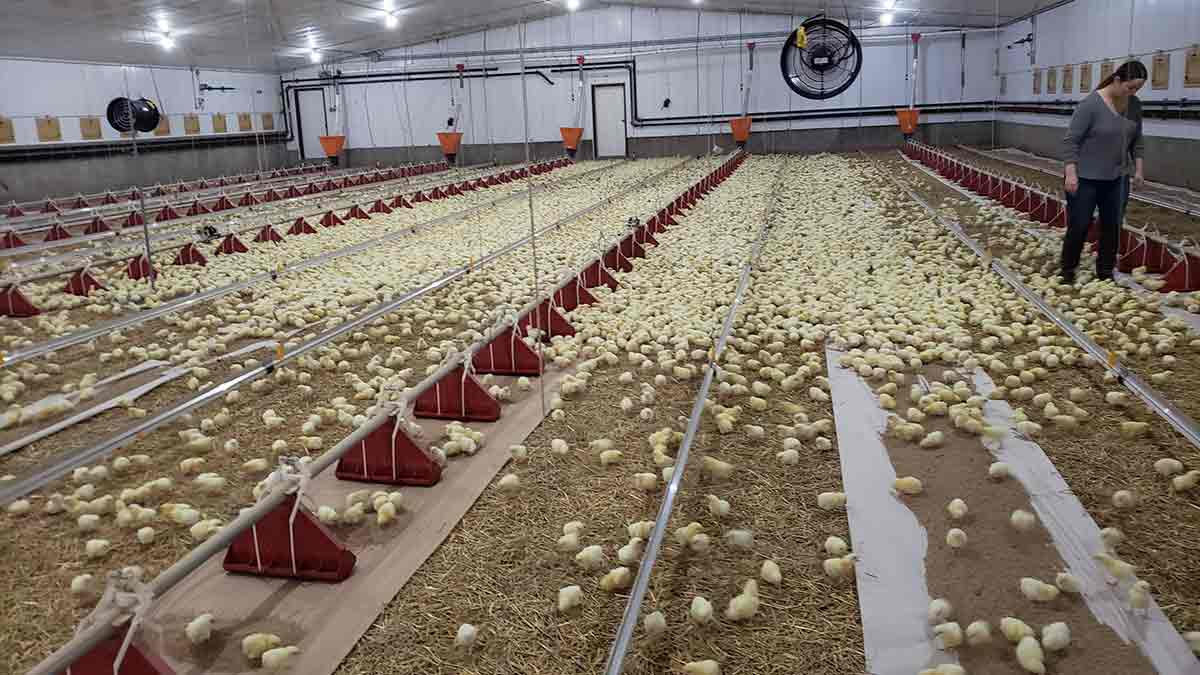
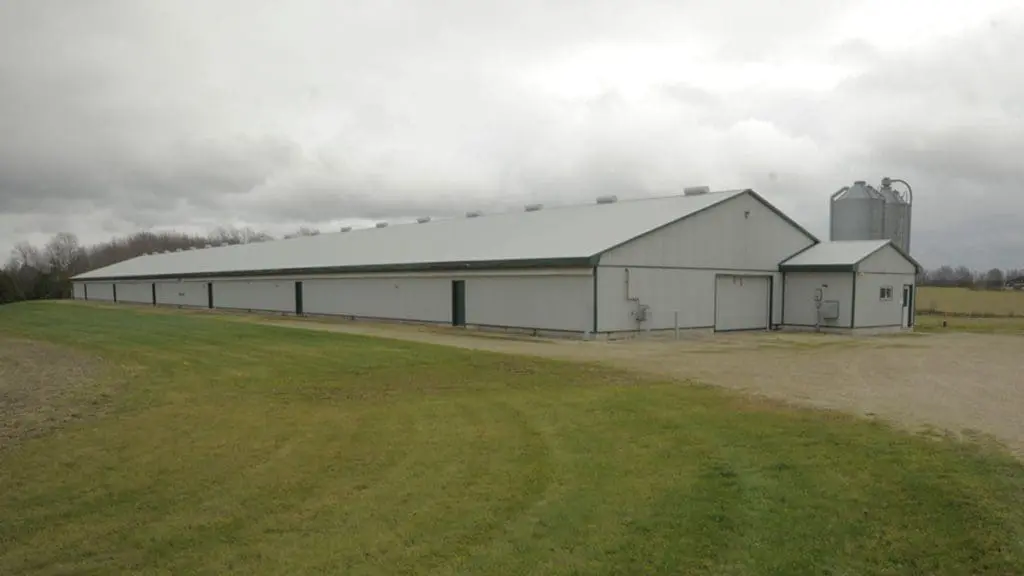
In Canada, broiler chickens are not raised in cages. They live free‑run in large, climate‑controlled barns, meaning they can move freely around the barn floor, with access to feed and water lines. The barns are designed to protect chickens from predators, weather extremes, and some disease risks, and they include ventilation systems and controlled lighting.
What this means for you
Chicken raised for meat in Canada are housed in free run barns. All broiler chickens are on bedding‑covered floors with room to move around inside the barn; they do not live in cages.
What does a broiler chicken barn look like inside?
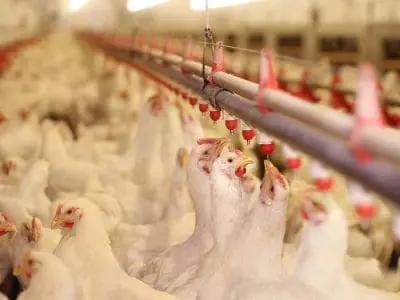
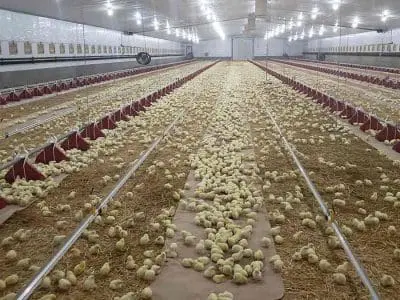
Inside a broiler barn, you will see a large open space with bedding material such as wood shavings or straw that helps absorb moisture and gives birds a dry surface to walk and rest on. There are rows of feeders and watering systems that run through the barn. Ventilation fans, heating systems, and controllers manage temperature and air quality so young chicks stay warm and older birds do not overheat.
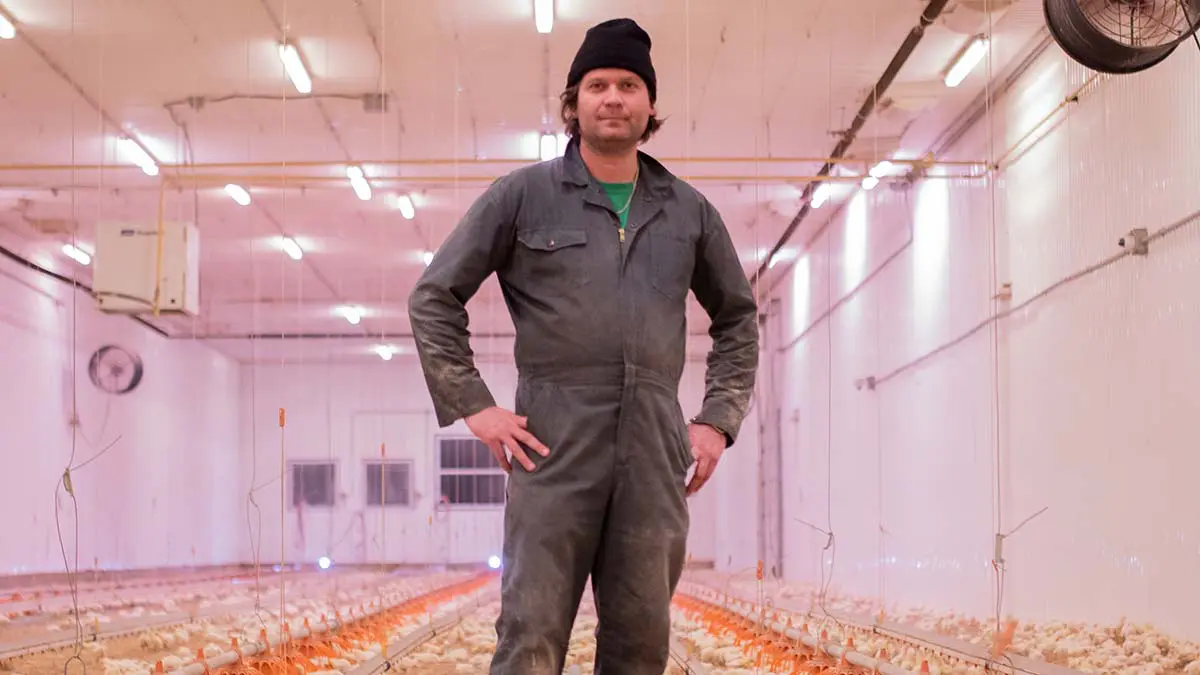
Farmers walk the barns several times a day to check equipment, feed and water access, and bird health. Chickens are very responsive to light. Farmers carefully manage how long lights are on, the brightness and colour spectrum to influence bird behaviour and optimize growth. Lighting programs and stocking densities are guided by the National Code of Practice for the Care and Handling of Hatching Eggs, Breeders, Chickens and Turkeys.
What this means for you
A typical Canadian broiler barn is an indoor, free‑run environment with controlled temperature and ventilation, where chickens always have access to feed and water and are monitored daily.
How long are broiler chickens on the farm?
Broiler chickens are usually raised from day-old chicks to a live weight of around 2 kilograms in about 35 to 40 days, depending on the market and region. Heavier birds for further processing may be kept slightly longer.
The basic timeline is:
- Day‑old chicks arrive from hatcheries and are placed in a clean, pre‑warmed barn with fresh bedding.
- Over the first week, they adapt to the barn and are kept under warmer temperatures.
- As birds grow, barn temperature is gradually reduced, and feed formulations change to match their needs.
- Around 5 to 7 weeks, when chickens reach target market weight, catching crews load them for transport to inspected processing plants.
What this means for you
The chicken in your grocery cart comes from birds raised for several weeks in a controlled barn environment before being transported under regulated conditions to a federally or provincially inspected processing plant.
What do broiler chickens eat, and are hormones used?
Broiler chickens in Canada eat balanced rations made mainly from grains (such as corn, wheat, or barley) and plant based protein sources (such as soybean meal or canola meal), plus added vitamins and minerals. The feed formula changes as the birds grow so that nutrient levels match each growth stage (starter, grower, finisher diets).
Added hormones and steroids are not permitted in Canadian poultry production and have been banned for decades. That means no added growth hormones are used in feed or otherwise for chicken meat in Canada.
What this means for you
Broiler chickens eat grain-based feed formulated for health and growth, and Canadian regulations do not allow added hormones or steroids in chicken production.
Are antibiotics used in broiler chickens, and is the meat safe?
Antibiotics may be used under veterinary oversight to control or treat disease in flocks, but their use is regulated and has been reduced and targeted over time. Some chicken is raised under specific “Raised Without Antibiotics” or similar programs, which follow defined criteria and verification.
Regardless of the program, all chicken that reaches consumers must comply with Canadian residue limits. If antibiotics are used, farmers must follow strict withdrawal times, which are the minimum periods between the last treatment and processing. All chicken meat sold in Canada must be free of antibiotic residues. This means that chicken on the market is considered antibiotic‑free in terms of residues.
What this means for you
Some flocks receive antibiotics under veterinary guidance and others are raised without them, but all chicken meat sold in Canada must meet federal residue standards.
How does supply management work for chicken?
Chicken in Canada is produced under a supply management system, similar in structure to dairy, turkey and eggs. Chicken Farmers of Canada works with provincial boards, processors, and other stakeholders to decide how much chicken is needed to supply the domestic market over rolling eight‑week periods. Production quota allocations are then set so that farmers collectively produce that amount, aiming to keep supply aligned with Canadian demand.
This system helps reduce large swings in farmgate prices and supports steady availability of chicken in stores, while still allowing imports within defined limits. Levies collected from farmers help fund national programs for food safety, animal care, and marketing.
What this means for you
The chicken you buy is produced within a coordinated system that plans how much chicken is raised for the Canadian market and supports national on farm food safety and animal care programs.
What animal care standards apply to broiler chickens?
Canadian broiler farmers follow the National Code of Practice for the Care and Handling of Hatching Eggs, Breeders, Chickens and Turkeys, which sets requirements for housing, stocking density, lighting, air quality, and health management. Chicken Farmers of Canada’s Raised by a Canadian Farmer Animal Care Program is based on this Code and includes third‑party audits on farms.
These programs require documented procedures and regular reviews, and they cover areas such as daily barn inspections, handling practices, euthanasia methods where needed, and emergency planning. Animal care is important to Canadians and independent audits are seen as important for maintaining trust in agriculture.
What this means for you
Broiler chickens in Canada are raised under a defined Code of Practice and audited animal care programs which are designed to provide consistent standards across farms rather than leaving conditions entirely to individual choice.





How is chicken checked for food safety?
Food safety checks occur from farm to processing plant. On farms, the Raised by a Canadian Farmer On‑Farm Food Safety Program requires biosecurity measures, record‑keeping, feed and water management, and sanitation practices. Transporting chickens is regulated, with requirements to reduce stress and protect animal welfare and product quality.
Processing plants are federally or provincially inspected and use systems such as Hazard Analysis Critical Control Point (HACCP) to manage food‑safety risks. Chickens are inspected before and after slaughter, and temperatures are controlled throughout processing and distribution.
What this means for you
Canadian chicken goes through multiple checks at the farm, during transport, and in inspected processing plants before reaching retail. Proper handling and thorough cooking at home are the final steps in food safety.
How can you use this information when buying and cooking chicken?
As a grocery decision maker, a few practical points can make choices clearer when buying and cooking chicken:
- All Canadian broiler chickens are free‑run and are not raised with added hormones; that does not depend on a label claim.
- Labels such as “Raised Without Antibiotics” or specific certification marks indicate particular programs on top of baseline regulations.
- Safe handling (keeping raw chicken cold, avoiding cross‑contamination) and cooking to a safe internal temperature remain essential, regardless of product type.
What this means for you
Understanding the basics of broiler chicken housing, feed, medication rules, and safety systems can reduce confusion and help you focus on cooking methods, budget, and taste when you choose chicken for your household.
Key takeaways
- Broiler chickens are meat chickens raised free‑run in climate‑controlled barns, not in cages.
- They reach typical market weight in about 35–40 days and are fed grain‑based diets. Added hormones or steroids are not permitted to be used in Canadian poultry production.
- Antibiotic use is regulated, with withdrawal times and residue limits, ensuring that chicken meat sold in Canada does not contain antibiotic residues.
- Farmers follow a national Code of Practice and audited animal care and food safety programs, and chicken is produced under a supply management system that supports steady domestic supply.





 What It Means to Be a Family Farm in Canada