
Raising bison in Canada is a unique blend of tradition, sustainability, and conservation. The North American bison, often mistakenly called buffalo, has become a symbol of Canada’s natural heritage and a keystone species in prairie ecosystems.
Is It Buffalo or Bison?
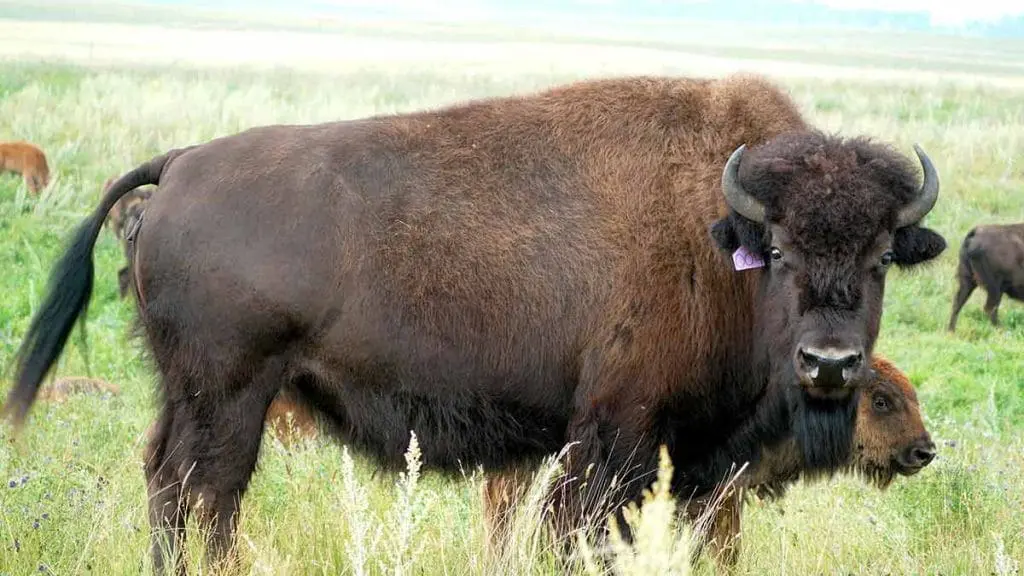
Although “buffalo” is commonly used in North America, the correct name for these animals is “bison.” True buffalo are actually native to Africa and Asia, such as the Cape Buffalo and water buffalo. North American bison have shaggy coats, a substantial hump, and are better suited to the harsh winters of the Canadian plains. For clarity and to avoid confusion with imported water buffalo products, Canadian producers and industry advocates encourage the use of the name “bison”.
How Bison Are Raised
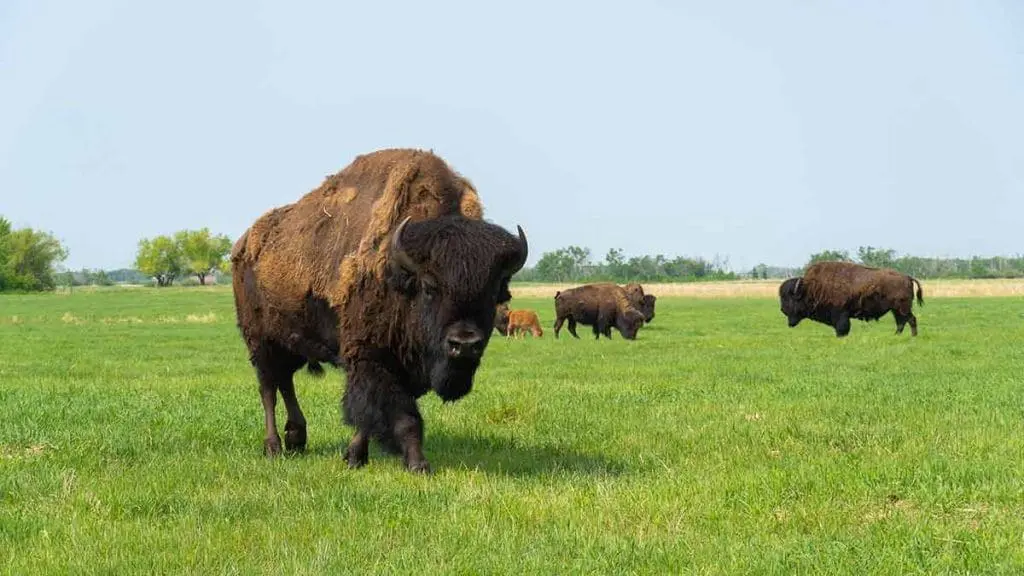
Bison in Canada are primarily raised on open rangelands and pastures that mirror their natural habitats. These animals are hardy and thrive in the northern climate, with thick fur and robust physiology that lets them withstand harsh winters. Most ranchers utilize low-intervention handling, respecting bison’s wild nature—they are not routinely branded or castrated, and herd handling is kept to a minimum to maintain low stress. Calving and breeding follow natural cycles, with calves typically born in late spring and the breeding season spanning the summer months.
Bison ranching requires strong fencing, access to clean water, and attentive yet minimal handling, with herd sizes and land usage tailored to maintain animal well-being and ecological balance. While most bison in Canada are found on the prairies, producers across almost every province successfully raise both plains and wood bison, from British Columbia to the Yukon.
Sustainability and Conservation Success
Nearly all of bison’s nutritional needs are met by grazing natural, perennial grasses. Further, the return of bison to Canada’s prairies represents a major conservation success. Bison had once neared extinction, but dedicated efforts by federal parks, ranchers, Indigenous communities, and conservation organizations have seen their numbers grow to over 150,000 on Canadian farms and wild lands. Sustainable bison ranching aligns with broader environmental goals by restoring native grasslands and maintaining healthy ecosystems, benefiting not just bison but other species as well.
What Do Bison Eat?
Bison primarily graze on native and tame grasses. In addition to grass, ranchers may provide hay, silage, and mineral supplements as needed to maintain animal health—especially in winter or during times when nutrient needs are higher, such as breeding season. Some producers finish bison on grain for a short period before market, which impacts the taste and fat color of the meat, but many herds remain largely grass-fed throughout their lives. Bison are rarely sick and there is minimal use of antibiotics.
Protecting Canadian Grasslands
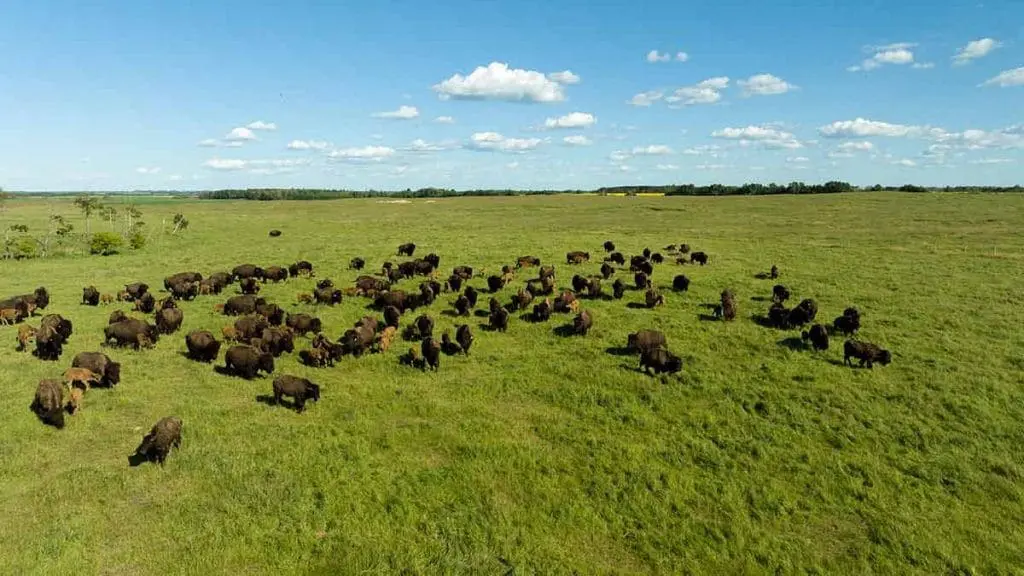
Canada’s native prairie grasslands are among the world’s most endangered ecosystems. By maintaining grasslands for bison and cattle grazing, ranchers help preserve vital habitat for wildlife, foster plant diversity, and mitigate wildfire threats by balancing plant growth and nutrient cycling.
What Is a Keystone Species—and Why Bison?
A keystone species is one whose presence and habits exert a significant influence, benefiting many other organisms and their environment. If a keystone species is removed, it can lead to a dramatic shift in the ecosystem, similar to what would happen if the keystone in an arch structure was removed. Bison are considered keystone species because their foraging patterns, wallowing, and movement across the land create conditions that nurture biodiversity—removing old grasses, fertilizing soil, aerating the ground and making space for a wide range of plants and animals on the lands that they graze.
Importantly, both bison and well-managed cattle herds help ensure that Canada’s grassland ecosystems remain resilient, vibrant, and able to support wildlife for generations to come.
Related Articles



 Seven Things You May Not Know About Mussels