Sioux Valley Dakota Nation FACTS Camp
In the heart of the Canadian Prairies, the Sioux Valley Dakota Nation is nurturing something extraordinary: a new generation of youth deeply connected to their land, their food, and their culture. Through the innovative FACTS Camp—short for Food, Agriculture, Climate Change, Traditional Knowledge and Synergies—young people are rediscovering the power of traditional Dakota agricultural practices, hands-on learning, and community resilience.
Reclaiming Food Sovereignty, One Lesson at a Time
Food sovereignty—having control over how, where, and what food is produced and consumed—is a central goal for Sioux Valley Dakota Nation. With rising grocery prices and the unpredictable impacts of climate change, the community recognizes the importance of being able to feed themselves, just as their ancestors did. FACTS Camp brings together youth, elders, and community leaders to pass on generations of agricultural wisdom, from gardening and beekeeping to bison stewardship and traditional cooking.
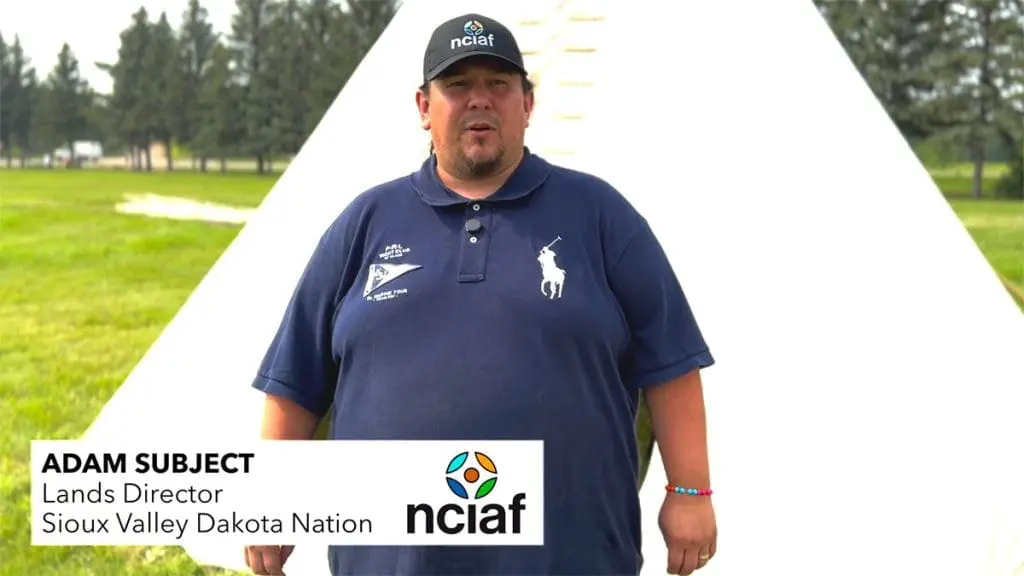
Adam Subject, Lands Director for Sioux Valley Dakota Nation, explains, “We wanted to create an event where everyone working towards food sovereignty and food security for Indigenous Nations could come together. It’s about helping families, relieving stress, and returning to traditional ways of farming and agriculture.”
Hands-On Learning: From Garden to Table
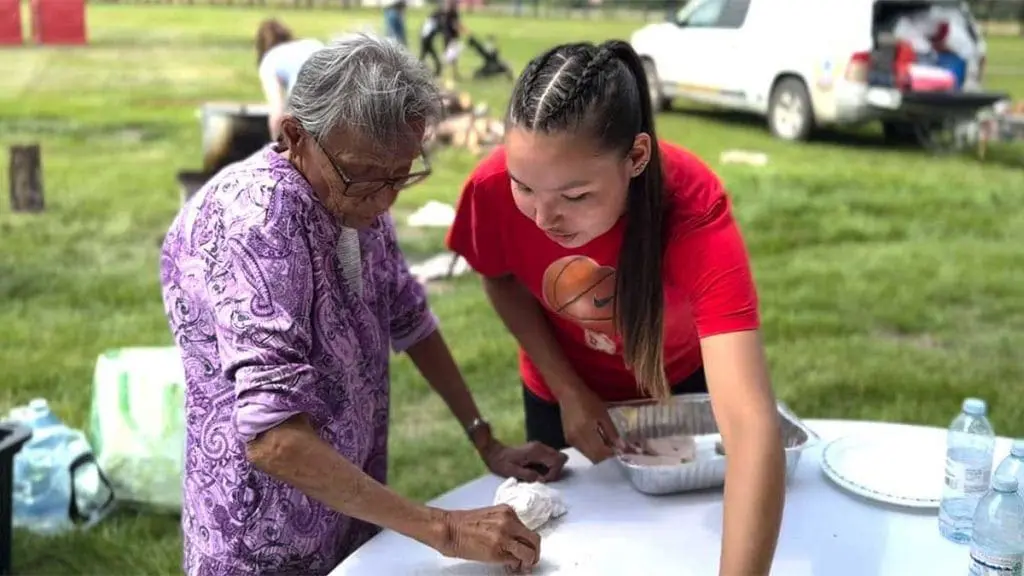
At FACTS Camp, learning is immersive and practical. Youth are taught how to plant and tend gardens, harvest wildflowers and native seeds, and even build traditional tipis. They cook over open flames, learning ancestral recipes and emergency preparedness skills that could serve them in times of crisis.
But it’s not just about food. The camp is a vibrant space for language learning, cultural teachings, and intergenerational connection. Elders share Dakota language and stories, reinforcing the importance of keeping these traditions alive. As one youth participant shared, “A lot of our elders are leaving us. I think it’s important for youth to know how to do these things too. If we don’t learn, our culture could just become history, not a living thing.”
Bison: The Heart of Dakota Food and Culture
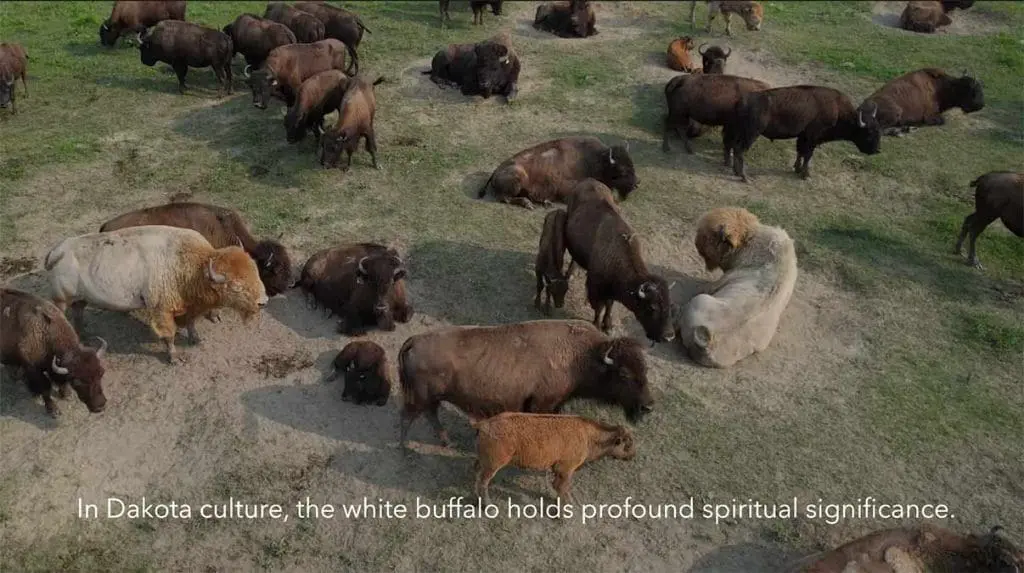
The community’s buffalo program is a source of both pride and sustenance. Sioux Valley Dakota Nation has cared for a herd of buffalo for years, including several rare white buffalo. The camp teaches youth how to care for, harvest and honour the buffalo—using every part of the animal, just as their ancestors did. This not only provides healthy, local food but also connects youth to the land and the animals that sustained their people for generations.
Building Resilience for the Future
FACTS Camp is about more than just survival skills—it’s about empowerment. Youth learn how to be stewards of the land, how to adapt to changing climates, and how to ensure their community remains self-sustaining. Projects like geothermal greenhouses, community gardens, and fruit tree planting are laying the groundwork for a future where Sioux Valley Dakota Nation can thrive, no matter what challenges come their way.
As one elder put it, “If something bad were to happen, like a flood or food shortage, we can look after ourselves—just like our ancestors did.”
Why This Matters for All Canadians
The Sioux Valley Dakota Nation FACTS Camp is a shining example of how Indigenous knowledge, traditional practices and modern agriculture can work together to build food security and resilience. As Canadians, there is much to learn from these approaches—about respecting the land, valuing intergenerational knowledge, and making confident food choices rooted in local, sustainable practices.
Learn more: Watch the FACTS Camp video to see these lessons in action.
More inspiring stories


 Real Beer, Real Stories: Spirit Of Manitoulin