Redefining “Local” Food: Benefits, Myths and Sustainability
The decision to ‘eat local’ is influenced by many factors: environmental concerns, the need for safe and healthy food, food security, food availability and much more.

Canadian Food Focus
#loveCDNfood

The decision to ‘eat local’ is influenced by many factors: environmental concerns, the need for safe and healthy food, food security, food availability and much more.
The field of genomics improves the crops we grow and the animals we raise for food, it also allows us to grow more food on the same amount of land.
The well-being of animals during transport is not only a moral imperative but also a critical component of ensuring food safety.
Byproducts are the unsung heroes of the agricultural world, and they deserve our attention, especially for those of us with a keen interest in food and sustainability.
Tiffany Martinka explains the audited programs that all Canadian farmers must follow and describes how this system of raising chickens is unique in a global setting.
Health Canada reviewed the risk of neonics to pollinators; As a result of the reviews, changes were made. With these changes, the government determined neonics were safe for use in Canada.
Carbon farming is just one-way farmers are making a difference in helping protect the soil, our natural resources and the planet.
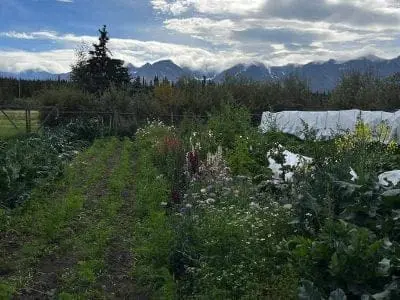
A common misconception about farming in the Yukon is that it’s a vast barren wasteland where nothing grows, but that is simply not true.
Canadian farmers and ranchers recognize that producing food more efficiently and sustainability will help meet the needs of a growing world population. As such, they will continue to look towards adopting technology and innovation to improve production practices.
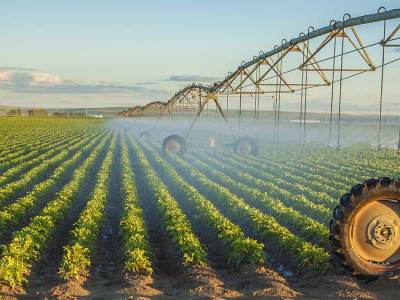
Although farmers have no control over how much rain or snow they get, they do have ways to manage water to make the most of precipitation.
Registered dietitian, Erin MacGregor helps us understand what’s behind some of the marketing information we see online and in food packaging.
Ontario wineries came together to create formal quality standards for Ontario wine. They called it the Vintners Quality Alliance program (VQA).
Timothy Caulfield explains why there is a fear of food in today’s society. He points out how important it is to reflect on information before passing it on.
CRSB measures the Canadian beef sector’s sustainability performance through robust science-based assessments, sets goals to improve it and identifies areas that still need work.
In the podcast Ian Affleck discusses how science has developed new technologies that ensure the safety, affordability and abundance of food.
Figuring out how to grow food on the Moon and Mars will be a major milestone in space exploration, and in the process, will also help sustain us on Earth.
Grain farmer, Jake Leguee, explains how farmers are adopting new technologies and focusing on what soils need to produce food that feeds the world.
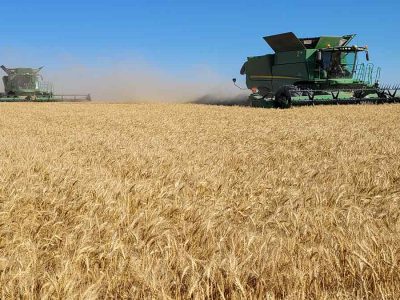
Wheat is a staple food for 35% of the world's population and it is Canada's largest field crop. Wheat is grown on nearly 50,000 farms in Canada and our country is the fifth-largest wheat producer in the world.
Cleanfarms’ goal is to keep recyclable materials that are no longer useful on the farm out of landfills and burn piles.
Patricia Chuey outlines six healthy eating truths that you can adopt in your own life. They include overall health, purchasing quality products, ensuring your or someone in your household is cooking and remembering that healthy aging is possible!
"*" indicates required fields