Encouraging Responsible Use Of Pesticides: Pesticide Applicator Licence
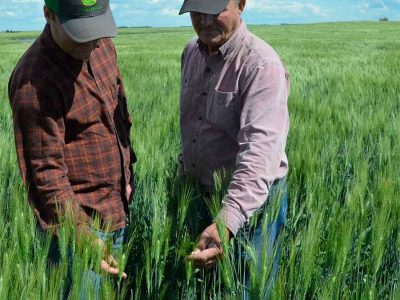
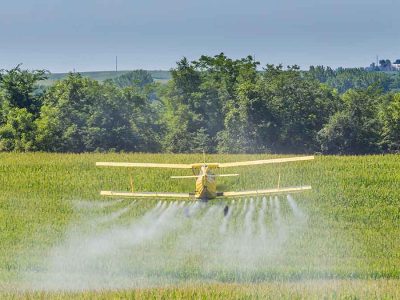
Some provinces require farmers to hold a Pesticide Applicator Licence to ensure that they understand how to properly read pesticide labels, and handle and apply pesticides.

Canadian Food Focus
#loveCDNfood

Some provinces require farmers to hold a Pesticide Applicator Licence to ensure that they understand how to properly read pesticide labels, and handle and apply pesticides.
4R Nutrient Stewardship is an internationally recognized Canadian innovation. It is a voluntary program that advocates for responsible and effective management of fertilizer by using a science-based approach to guide farmers in the proper use of plant nutrients.
New technologies and innovation are pivotal to ensuring that the farms remain sustainable now and into the future. In this podcast Andrew Campbell, aka Fresh Air Farmer, describes the new dairy barn his family built.
We spoke with Trent Richards, a farmer from Saskatchewan to learn more about how peas are grown in Canada.
Year-round migrant workers can apply for permanent residency through a national pilot program provided they have at least one year of non-seasonal, full-time work experience in Canada.
SAWP work agreements are protected by regulations set by both governments and signed by the worker and the employer. As well, SAWP workers have the same rights and privileges as Canadian workers as soon as they arrive.
Working in Canada, through the Seasonal Agricultural Worker Program (SAWP) and the agriculture stream of the federal Temporary Foreign Worker (TFW) program, is helping build better lives for migrant workers, their families, and their communities in their home countries.
Investing in technology like new cattle genetics and alternative grazing practices have been key factors in the Colborn farm’s longevity.
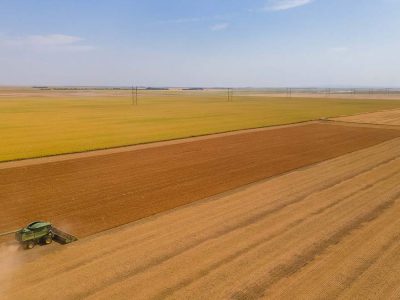
The Colborns have always made investments in new technology a key part of their farm business plan. This applies to their egg production and cattle herds, and also to their grain production operation, where there have been dramatic changes since the first Colborns started planting wheat in 1910.
Trying to make sense of Canada’s Food Guide and how to implement some of their recommendations? We sought the expertise of Sue Mah, a registered dietitian from the Toronto area.
Shawn Colborn is a fifth-generation poultry producer at Delisle, Saskatchewan, but he’s not likely to be the last Colborn in the egg business. For more than a century, the Colborn family has made egg production a part of their multi-generation family farm.
Consumers often wonder what is being done to ensure cattle are raised sustainably and humanely. Rancher Erika Stewart explains the audited (VBP+) program for Canadian cattle producers.
The Colborn family of Delisle, Saskatchewan, has found the secret to keeping a farm in the family for at least six generations. As Ron Colborn, a fourth-generation farmer, puts it: “It’s family first, then farm.”
This podcast walks through different ways that you can make the most of your food budget in times of inflationary pressures.
An Alberta feedlot takes the peelings and any french fries or other potato products the processor couldn’t use and feeds them to their cattle.
It’s all about planning. There are multiple decisions that farmers make when choosing the right crops to use in their rotations.
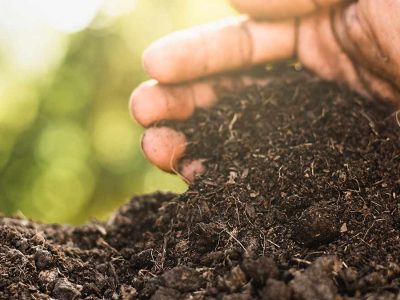
If you’ve ever grown a garden, you’ll understand that plants need healthy soil to grow. But just what is soil?
In Canada, cattle are part of the prairie grasslands ecosystem, helping keep our native grasslands intact.
Genetic engineering refers to specific methods of plant breeding that use laboratory methods to change an organism’s DNA.
We asked Dr. Christian Artuso of the Migratory Bird Conservation Unit of the Canadian Wildlife Service - can beef cattle be good for the environment?
"*" indicates required fields