
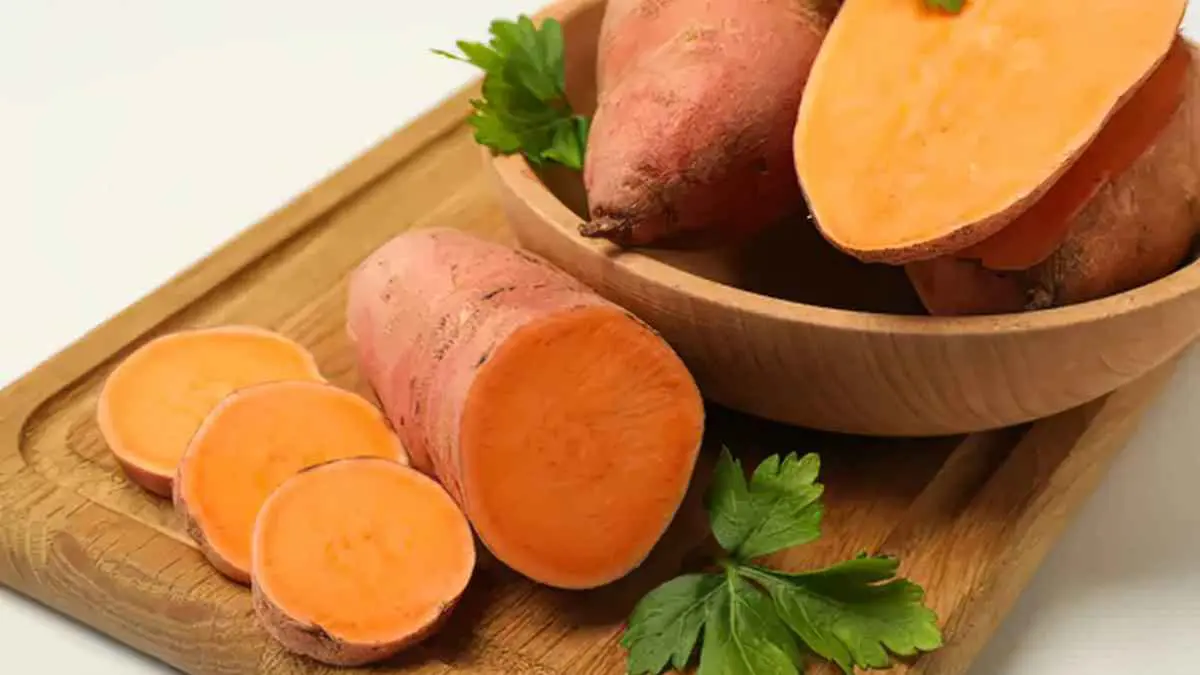
Sweet potatoes have a reputation for lasting well, and they can, but only when stored correctly. The most common mistake is refrigerating them, and it is one that costs flavour in a way that cannot be reversed once the damage is done. The good news is that the right storage approach is simple, requires no special equipment, and lets you stretch your sweet potato purchase across several weeks without waste.
For more on buying, choosing, and using sweet potatoes, start with What’s in Season? Sweet Potatoes.







How Long Do Sweet Potatoes Last?
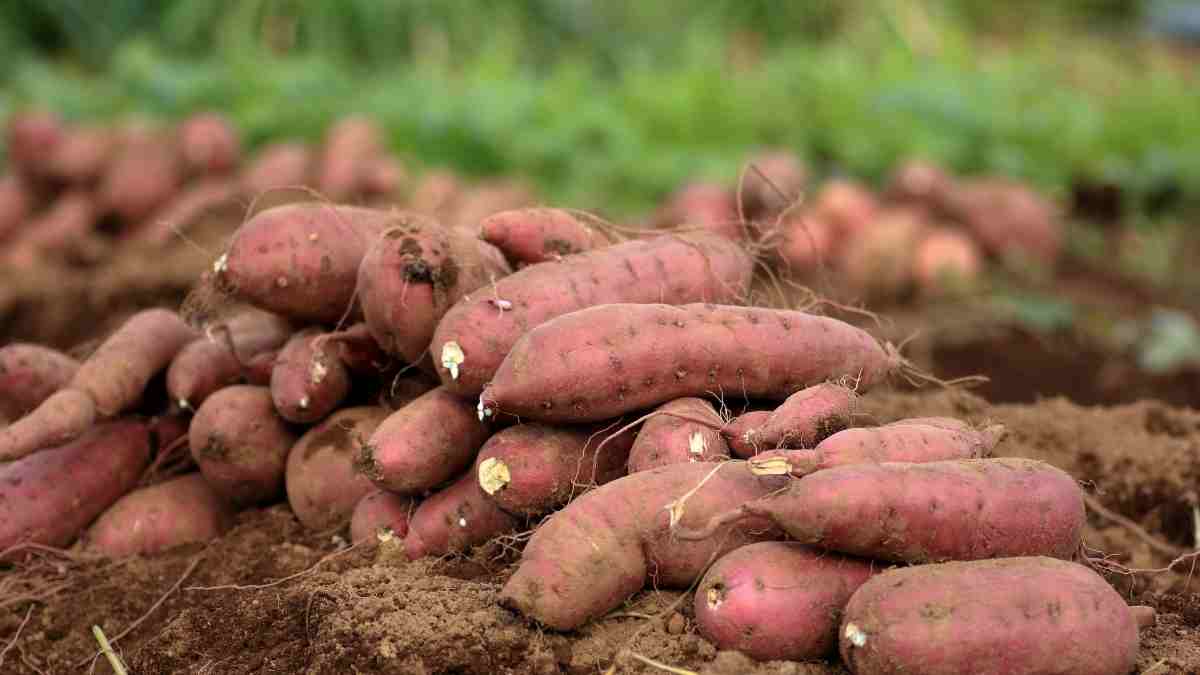
Storage life depends on whether the sweet potatoes have been washed and how they are stored. Store-bought sweet potatoes, which are pre-washed before retail sale, typically last about one week at room temperature and up to four weeks in a cool, dry, dark location. Unwashed sweet potatoes bought directly from a farmer or farmgate can last considerably longer in proper conditions, sometimes several months, because the outer layer remains intact.
One of the more interesting qualities of this vegetable is that sweet potatoes continue converting starches to sugars throughout storage, which means they actually get sweeter the longer they sit. Older sweet potatoes are not past their prime; they are often better than freshly harvested ones. This is unlike most produce where time only works against you.
For a quick reference on general vegetable storage timelines, see How Long Can I Store This?
How to Store Sweet Potatoes at Room Temperature and in the Pantry
The ideal storage spot for sweet potatoes is cool (around 13–16°C), dry, and dark, with good air circulation. A basement shelf, a cool pantry, or a kitchen cupboard away from the stove and oven all work well. Avoid storing sweet potatoes in plastic bags, which trap moisture and accelerate decay. A paper bag, a mesh bag, or an open basket allows air to circulate.
Do not store sweet potatoes near onions. Both emit natural gases that accelerate spoilage in the other if stored in close proximity.
What to avoid:
- Do not refrigerate. Cold temperatures halt the starch-to-sugar conversion that gives sweet potatoes their flavour and causes the interior to harden in a way cooking cannot fix.
- Do not store near heat sources (ovens, sunny windowsills, or warm appliances).
- Do not store in sealed plastic bags or airtight containers.
- Do not stack heavily. Sweet potatoes bruise easily, and a bruised spot deteriorates the whole potato over time.
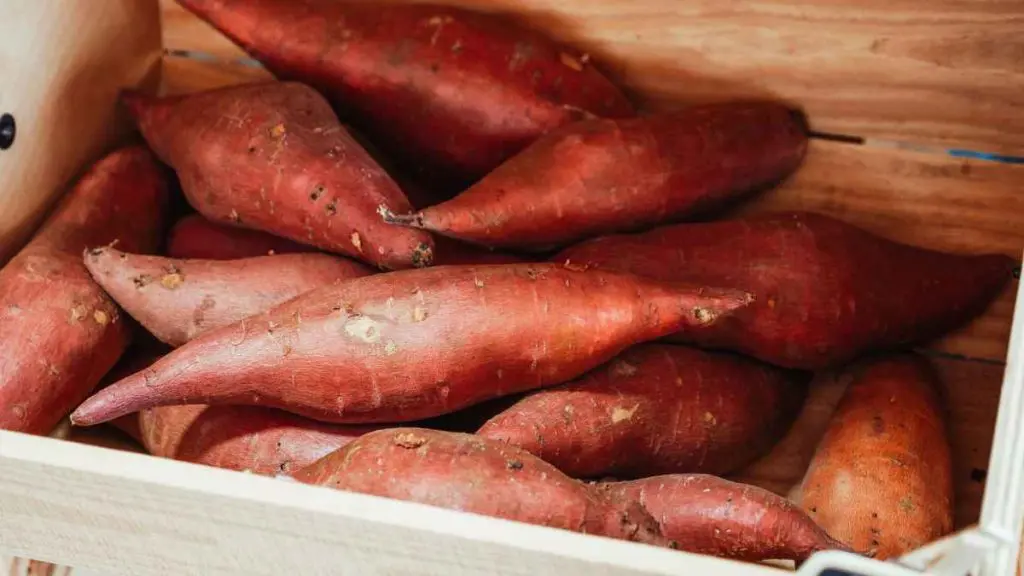
Check stored sweet potatoes every few days. If one begins to go soft or shows a soft, discoloured patch, remove it before the decay spreads to others.
Can You Freeze Sweet Potatoes?
Raw sweet potatoes do not freeze well. The cellular structure breaks down during freezing, resulting in a watery, unpleasant texture when thawed. Cooked sweet potato, however, freezes successfully and is a practical way to extend the season or avoid waste.
To freeze cooked sweet potato:
- Cook the sweet potato fully: bake, steam, or boil until tender.
- Let cool completely before freezing.
- For mashed sweet potato: portion into freezer-safe containers or silicone bags, leaving a small amount of headspace.
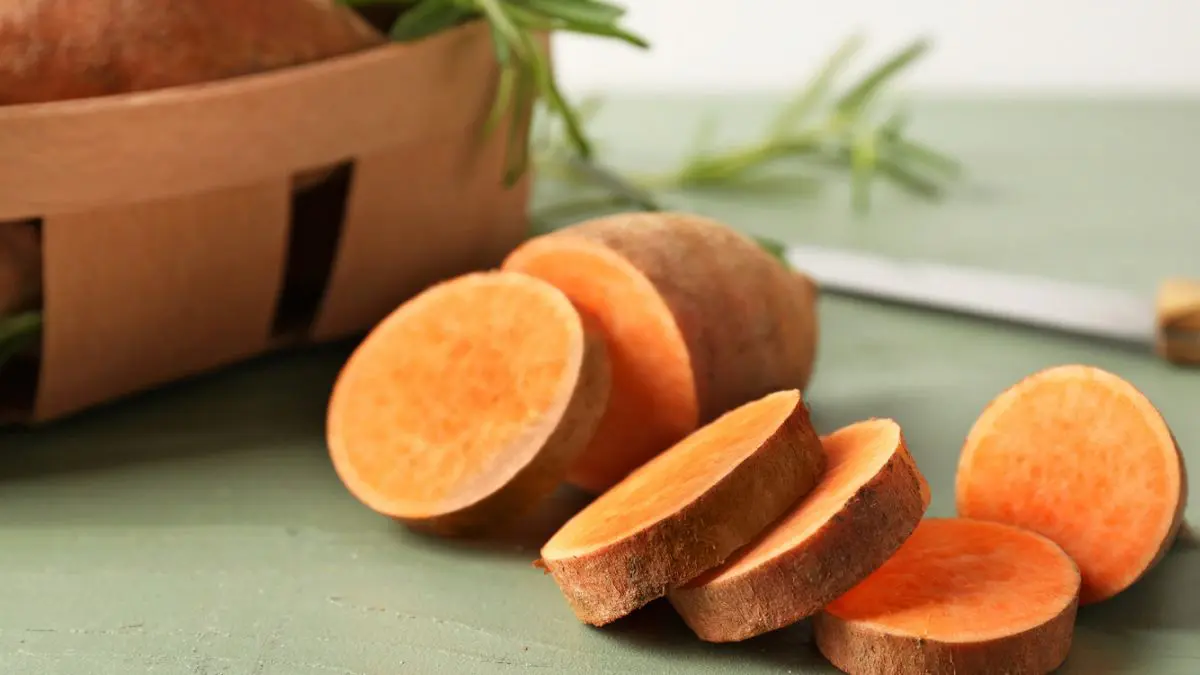
- For slices or cubes: spread in a single layer on a parchment-lined baking sheet and freeze until solid (about 2 hours), then transfer to freezer bags. This prevents pieces from clumping together.
- Label with the date. Frozen cooked sweet potato keeps well for up to 10 to 12 months.
Frozen sweet potato is best used in cooked applications (soups, stews, curries, mashed dishes, and baking) where the change in texture is not noticeable. It does not work as well in applications where you want defined, firm pieces.
Using “Less-Perfect” Sweet Potatoes
A soft spot or slightly wrinkled skin on a sweet potato is not necessarily a reason to discard the whole thing. Knowing the difference between “still good” and “time to discard” saves money and reduces food waste.
Still good to use:
- Minor soft spots or slightly wrinkled skin at the ends, provided the rest of the potato is firm
- A darker or drier area on the cut surface after the potato has been sitting cut for a day
- Small fibrous roots or “sprouts” developing from the skin (cut these away; the potato is still fine)
- Very large or misshapen potatoes (size does not affect safety)
Time to discard:
- Widespread softness or mushiness throughout the potato
- Strong off-odour
- Large areas of black, sunken, or wet rot
- White, watery liquid seeping from a cut
Once decay affects a significant portion of the sweet potato, the off-flavour spreads through the whole root even where the flesh looks intact. Unlike a blemish on an apple or a soft tip on a carrot, sweet potato decay is not easily isolated by cutting away a section.
Ideas for less-perfect sweet potatoes (soft but not rotten):
- Blend into soup or bisque where texture is no longer a factor
- Mash and fold into muffin or loaf batter
- Add to a slow cooker stew or curry where the potato will break down anyway
- Puree and freeze in portions for future baking use
For tips on reducing food waste with all your seasonal produce, see 6 Tips to Reduce Food Waste.
Simple Habits to Waste Fewer Sweet Potatoes
- Buy in the quantity you can realistically use within two to four weeks, not the largest bag available.
- Store in a cool, dark, airy spot with good air circulation the moment you bring them home.
- Check your stash every few days and remove any that are softening before the decay spreads.
- If you have more than you can use, cook and freeze the surplus rather than letting them go.
- For soft or wrinkled sweet potatoes, pivot to soup, mash, or baked goods rather than roasting.
- Buy directly from a farmer at a fall market when possible. Unwashed, freshly cured sweet potatoes store significantly longer than pre-washed retail product.
For more on storing sweet potatoes and reducing grocery spending, see Seasonal Sweet Potatoes and Your Grocery Budget in Canada.
Additional articles to Explore






 Beef in the Kitchen: How to Choose, Store, Cook and Enjoy It