
Sweet potatoes prompt a surprising number of questions, from storage rules to the yam confusion that has persisted in North American grocery stores for decades. This article brings together the most common questions in one place, with short answers and links to the deeper guides where each topic gets fuller treatment.
For a complete overview of Canadian sweet potato seasonality, growing regions, and uses, start with What’s in Season? Sweet Potatoes.





Seasonality Questions
When are sweet potatoes in season in Canada?
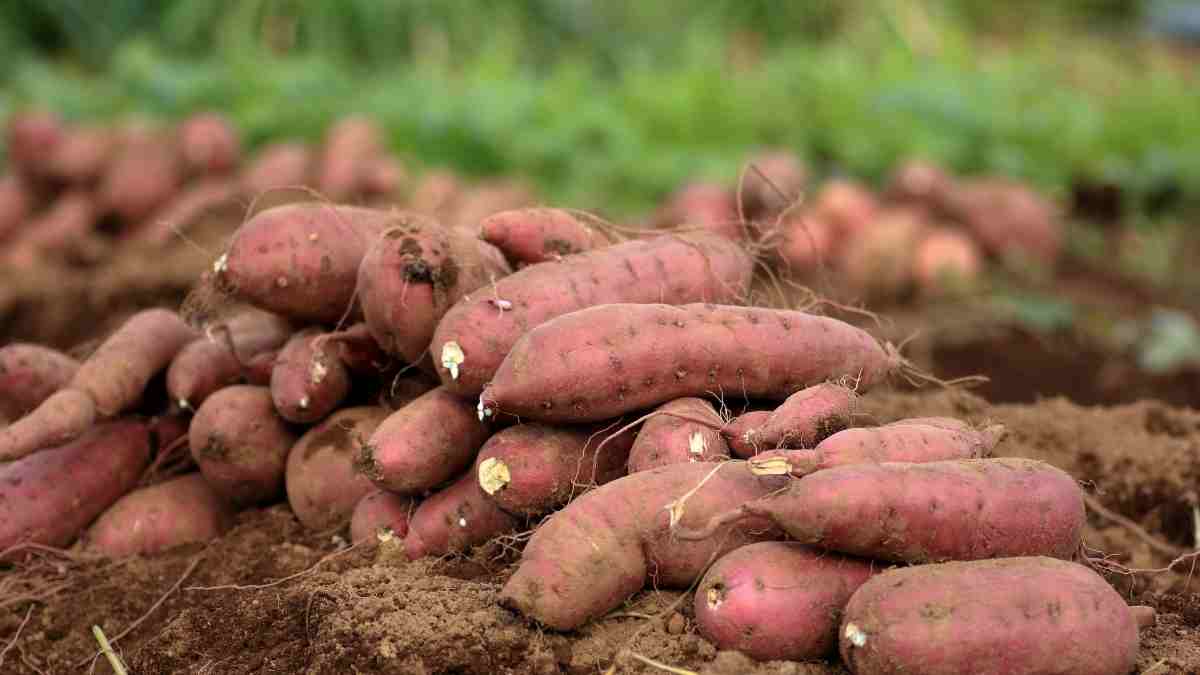
Canadian-grown sweet potatoes are harvested in September and October and then move into storage after a curing period. Canadian-origin supply is most likely to appear in stores and at farmers markets from October through February, with some supply stretching into spring from long-term storage. For a full seasonal breakdown, see What’s in Season? Sweet Potatoes.
Are Canadian sweet potatoes available year-round?
Canadian-grown supply is concentrated in the fall and winter months. Imported sweet potatoes, primarily from the United States, are stocked at most Canadian retailers year-round, so sweet potatoes are never truly out of season at the grocery store. For tips on identifying Canadian-origin product, see Canadian Sweet Potato Varieties: Taste, Texture and Best Uses.
What months are sweet potatoes cheapest in Canada?
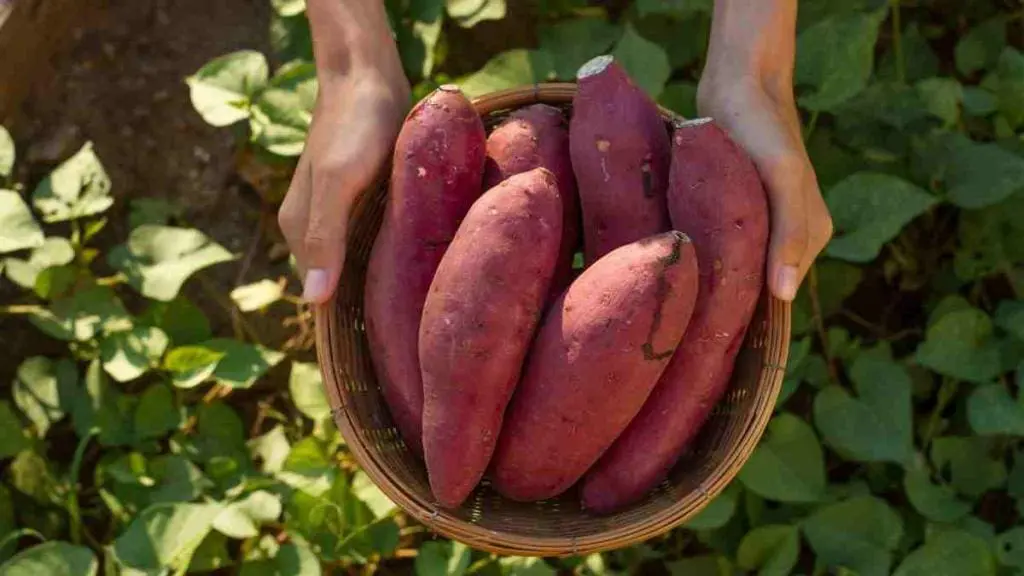
Pricing varies by retailer, region, and year. Sweet potatoes are generally among the more affordable root vegetables throughout the year. Buying larger quantities directly from farmers at fall markets in October and November often offers a lower per-pound cost than buying loose from a grocery store. For more, see Seasonal Sweet Potatoes and Your Grocery Budget in Canada.
Why is the Canadian sweet potato season so short?
Sweet potatoes are subtropical plants that need a long, warm growing season. In Canada’s climate, even in the warmest southern regions, growers have a tight window between last frost in spring and first frost in fall. The Covington variety commonly grown in Canada requires approximately 120 days to maturity, which leaves little margin. Researchers at the Vineland Research and Innovation Centre in Ontario developed the Radiance variety specifically to mature earlier and fit Canada’s shorter season. For more on how Canadian growers manage these challenges, see Sweet Potatoes in Canada?
Growing and Origin Questions
Where are most Canadian sweet potatoes grown?
The majority of Canadian sweet potato production is centred in Norfolk County in southwestern Ontario. There is also commercial production in British Columbia, Quebec, Manitoba, and Nova Scotia’s Annapolis Valley. Canadian farmers supply roughly 25 percent of the sweet potatoes consumed in this country; the remainder is imported, primarily from North Carolina. For more, see What’s in Season? Sweet Potatoes.
How do I tell if sweet potatoes are Canadian?
Look for a “Product of Canada” label. Canadian-grown sweet potatoes are most likely to be labelled and present in stores from October through January. Buying directly from a farmer at a fall market is the most reliable way to know the origin. For more, see Seasonal Sweet Potatoes and Your Grocery Budget in Canada.
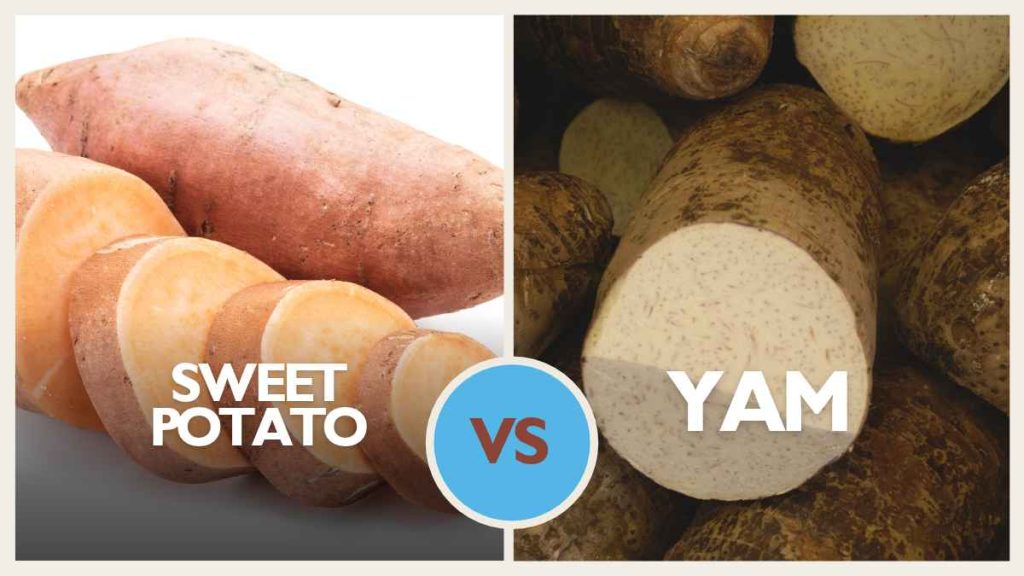
What is the difference between sweet potatoes and yams?
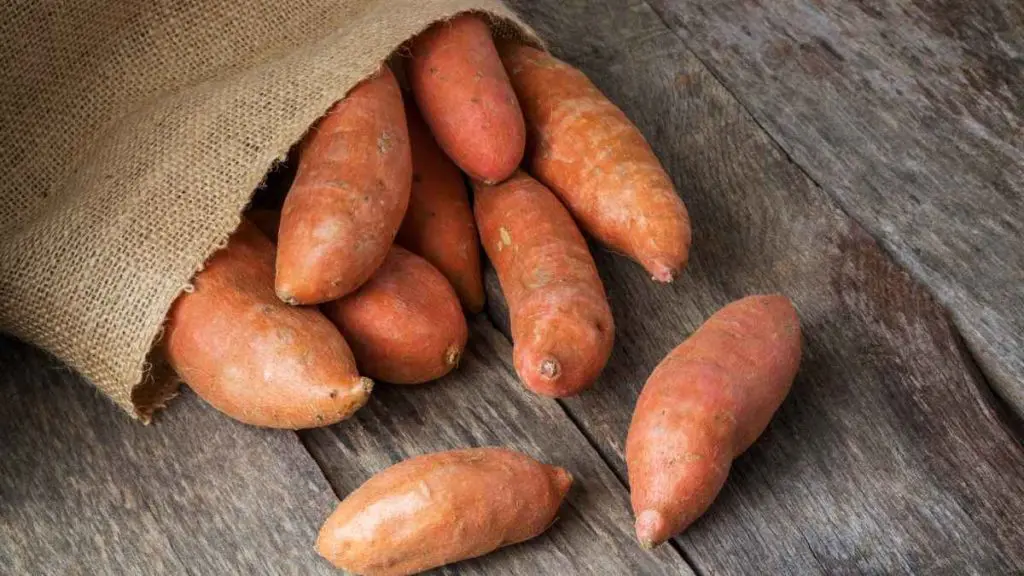
True yams are a different plant entirely, native to Africa and Asia, with bark-like skin and starchy, dry, white or reddish flesh. They are rarely found in Canadian mainstream grocery stores. What most Canadian (and American) retailers label as “yams” are actually orange-fleshed sweet potatoes. The labelling confusion dates to North American grocery marketing practices that used the term “yam” to distinguish the softer, sweeter orange-fleshed variety from the firmer white-fleshed type, although they were still referring to sweet potatoes, not yams. For a full comparison of sweet potato types, see Canadian Sweet Potato Varieties: Taste, Texture and Best Uses.
Are there Canadian-bred sweet potato varieties?
Yes. The Vineland Research and Innovation Centre in Ontario released a variety called Radiance in 2019. It matures 11 to 20 days earlier than the Covington variety commonly imported from North Carolina, making it better suited to Canada’s shorter growing season. Radiance is still establishing itself in Canadian commercial production. For more, see Sweet Potatoes in Canada?
Buying and Storage Questions
How do I pick the best sweet potatoes at the store?
Look for firm, smooth skin with no soft spots, blemishes, cracks, or signs of shrivelling. Smaller to medium-sized sweet potatoes tend to be less starchy and more evenly sweet than very large ones. Avoid any with dark, sunken, or wet patches. For a full buying guide, see Canadian Sweet Potato Varieties: Taste, Texture and Best Uses.
Why should I never refrigerate sweet potatoes?
Refrigeration halts the natural conversion of starches to sugars that gives sweet potatoes their sweetness and creamy texture when cooked. It also causes the interior flesh to harden in a way that does not reverse during cooking. Store sweet potatoes in a cool, dry, dark spot instead, such as a pantry shelf or basement. For complete storage guidance, see How to Store Sweet Potatoes to Cut Food Waste.
How long do sweet potatoes last?
Store-bought (pre-washed) sweet potatoes last about one week at room temperature and up to four weeks in a cool, dry, dark location. Unwashed sweet potatoes bought directly from a farmer can last considerably longer in proper conditions. For the full guide, see How to Store Sweet Potatoes to Cut Food Waste.
Can I freeze sweet potatoes?
Raw sweet potatoes do not freeze well. Cooked sweet potato, including baked, mashed, or steamed, freezes successfully for up to 10 to 12 months and works well in soups, stews, curries, and baking. For step-by-step instructions, see How to Store Sweet Potatoes to Cut Food Waste.
Nutrition and Use Questions
Are sweet potatoes good for you?
Sweet potatoes are a nutritionally dense vegetable. Orange-fleshed varieties are particularly high in beta-carotene, which the body converts to vitamin A, and also provide vitamin C, potassium, manganese, and dietary fibre. Purple-fleshed varieties are high in anthocyanins. Nutritional values vary by variety and preparation method. For authoritative guidance, see Canada’s Food Guide.
What can I do with sweet potatoes that are starting to soften?
Slightly soft sweet potatoes are still usable in cooked, blended applications where texture matters less. Soups, stews, curries, mashed sides, muffins, and quick breads are all excellent options. The Lentil, Barley and Sweet Potato Soup and Chunky Sweet Potato and Peanut Soup are both good fits. For a full list of ideas, see Easy Ways to Use Sweet Potatoes.
What is the easiest way to cook a sweet potato?
Baking whole in the oven at 200°C for 45 to 60 minutes is the easiest method and produces the best flavour, as the natural sugars caramelize during baking. For faster results, pierce the skin and microwave on high for 5 to 8 minutes. For a full guide with recipe ideas organized by cooking method, see Easy Ways to Use Sweet Potatoes.
Additional Articles to Explore








 How to Store Sweet Potatoes to Cut Food Waste