
It’s easy to bring home a bag of apples with good intentions and then find them soft or wrinkled at the back of the drawer a few weeks later. Proper storage can help apples stay fresh longer, which means fewer last-minute “what’s for snack?” emergencies and less money lost to food waste.
In Canada, apples are carefully cooled and stored after harvest in refrigerated and sometimes controlled-atmosphere rooms that help them stay crisp for months. A few simple steps at home build on that system so you can enjoy apples over days and weeks instead of watching them go to waste. Learn more about How Apples Are Grown in Canada.
This guide covers how long apples typically last, how to store them in the fridge, freezer, and pantry, and what to do with less-perfect apples so more of what you buy gets eaten.
How Long Do Apples Last?
How long apples last depends on where you store them, the variety, and how fresh they were when you bought them. In general, apples keep their quality much longer in the fridge than at room temperature because cooler temperatures slow ripening and softening.
Typical ranges from consumer and food-waste guidance:
- At room temperature (counter or fruit bowl): Usually about 5–7 days for good quality; apples ripen and soften several times faster at room temperature than in the fridge.
- In the refrigerator crisper, stored properly: Often several weeks, and sometimes longer for firmer, longer-keeping varieties when conditions are ideal.
- Once cut: Best within a few days in the fridge in a covered container; freezing can extend their use in cooked dishes.
These are approximate ranges, not guarantees, and timeframes vary by variety, starting quality, and how long apples have already been in cold storage before you buy them. When in doubt, check for signs of spoilage such as mould, off smells, or a fermented taste rather than relying only on the calendar.
How to Store Apples in the Fridge
The fridge is usually the best place to store apples at home if you’d like them to stay crisp for more than a few days.
Step-by-step fridge storage
- Use the crisper drawer: Place apples in the low-humidity drawer, which is designed to keep produce cool and help maintain moisture.
- Choose a breathable bag or container: Store apples in a ventilated or perforated plastic bag, mesh bag, or other breathable container so moisture can escape and mould is less likely to form.
- Keep them away from strong odours: Apples can absorb odours from foods like onions or garlic, so try to store them separately.
- Separate from other produce when possible: Apples release ethylene gas, which can speed up the ripening of some fruits and vegetables; if space allows, keep sensitive produce in another drawer.
Ongoing checks
- Check the drawer regularly: Once or twice a week, quickly look through the apples for bruises, soft spots, or leaks.
- Remove damaged apples promptly: One bruised or spoiled apple can affect others nearby, so it’s helpful to use up or discard damaged fruit quickly.
- Wash just before eating: Rinse apples under cool, running water when you’re ready to eat or cook them; washing before storage can add moisture and increase the risk of spoilage.
Can You Freeze Apples?
Freezing can be a good option if you’ve bought more apples than your household can eat fresh or if some apples are starting to soften but are still safe. Frozen apples work well in pies, crisps, muffins, oatmeal, smoothies, and sauces.
When freezing makes sense
- You have a large bag from a promotion and know you won’t use them all within a couple of weeks.
- Some apples are slightly soft for snacking but have no mould or off smells and are still good for cooking.
How to freeze apples: A simple guide for preserving
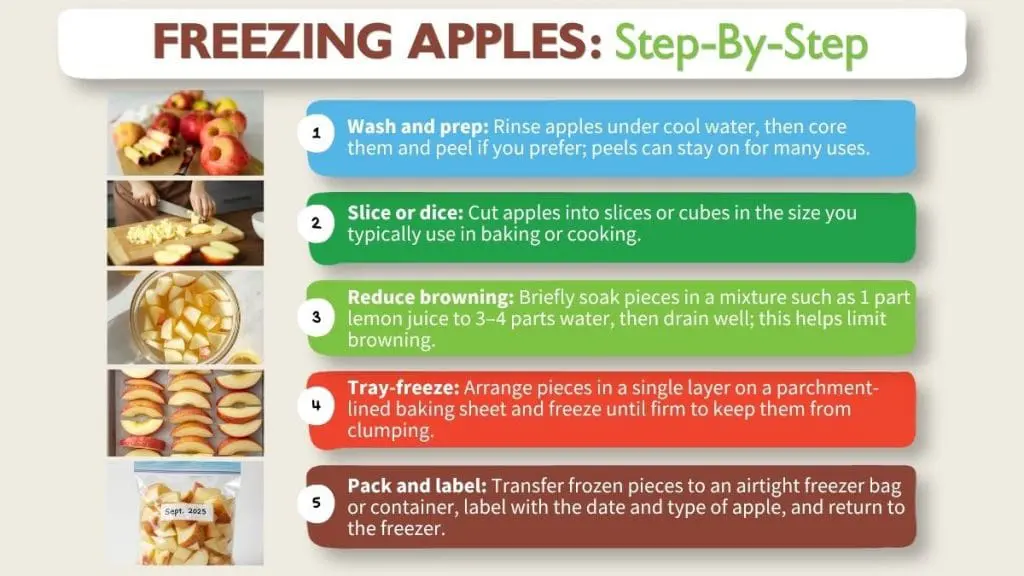
Properly prepared frozen apples are often recommended for use within several months for best quality, especially for baked goods or sauces, though many food-safety sources note that apples can be kept longer if continuously frozen and protected from freezer burn.
How to use frozen apples
- Baking: Use directly from frozen in pies, crisps, crumbles, muffins, or loaves; you may need to adjust baking time slightly.
- Breakfast and snacks: Add frozen apples to oatmeal, yogurt bowls, or smoothies for quick flavour and fibre.
- Sauces and purées: Simmer frozen apple pieces with a small amount of water and spices to make applesauce or stewed apples.




Pantry Storage: When the Fridge Is Full
If your fridge is full, you can still store some apples in a cool, dark spot like a pantry, cold room, or unheated closet. This works best for whole, unwashed apples and for cooler Canadian homes, especially in fall and winter.
- Choose a cool, dark, well-ventilated space away from direct heat and sunlight.
- Keep apples in a single layer, shallow box, or breathable crate rather than a sealed plastic bag.
- At typical room temperature, apples keep their best quality for about 5–7 days on the counter, then start to soften.
- In a cooler, pantry-style space, whole apples can often stay good for several weeks; check them weekly and move any that are ripening quickly into the fridge to extend their life.
For most households, especially with kids, keeping the bulk of your apples in the fridge and only a few on the counter for the next couple of days offers a good balance between convenience and freshness.
Using “Less-Perfect” Apples
Seeing bruises or soft spots doesn’t always mean an apple needs to be thrown out immediately. Learning how to assess and use “less-perfect” apples can reduce waste while still keeping food safety in mind.
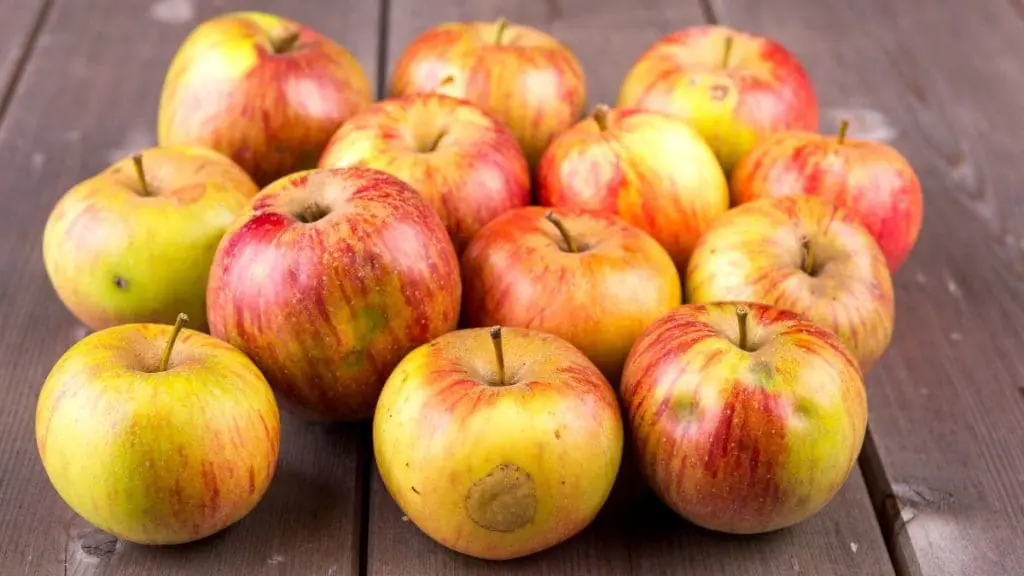
How to check if an apple is still usable
- Look: Check for mould, extensive dark or sunken areas, or any signs of rot that go beyond a small bruise.
- Smell: Discard apples that smell fermented, alcoholic, or otherwise “off.”
- Feel: If the apple is generally sound but has a bruise or minor soft area, you can often cut away the damaged part and use the rest promptly in cooked dishes.
Quick “use-it-up” ideas
- Small-batch applesauce: Simmer chopped apples with a splash of water and optional cinnamon until soft; softer apples work very well for this.
- Stewed apples: Cook apples with a bit of water and spices for topping yogurt, pancakes, or oatmeal.
- Baking: Chop into muffins, loaves, crisps, or a simple baked dessert where texture matters less.
- Smoothies: Blend with other fruit, yogurt, or milk; softer apples are fine once blended.
Simple Habits to Waste Fewer Apples
A few simple habits can make a noticeable difference in how many apples your household throws away and align with research showing that planning, storage, and small prompts help reduce household food waste.
Checklist for grocery buyers:
- Store apples in the fridge crisper in a breathable bag instead of leaving them on the counter all week.
- Put “use-first” apples near the front of the drawer or in a visible container so they don’t get forgotten.
- Buy volumes that match what your household usually eats in 1–2 weeks; a smaller bag used fully is more budget-friendly than a larger bag that goes partly to waste.
- Plan at least one “use-it-up” recipe each week if you often have softer apples by the weekend.
- Freeze surplus apples before they become too soft if you enjoy baking or smoothies.
Check Out These Related Articles





 Apple Recipes: Sweet and Savoury Dish Ideas