
Potatoes are one of the most long-lasting vegetables in the Canadian kitchen, but only when stored correctly. The two most common mistakes are refrigerating them (which ruins the flavour and cooking quality) and leaving them on a bright kitchen counter (which turns them green). Both problems are easy to avoid once you know what potatoes actually need, and getting it right means a bag of potatoes can last weeks rather than days.
For an overview of Canadian potato varieties and how to choose the right one for your cooking, see What’s in Season? Potatoes.





How Long Do Potatoes Last?
Storage life varies significantly by variety, maturity, and conditions.
New potatoes, harvested young with thin, delicate skin, do not store well and are best used within a few days of purchase. Keep them in the refrigerator if you plan to use them within a day or two; otherwise buy only what you will use promptly.
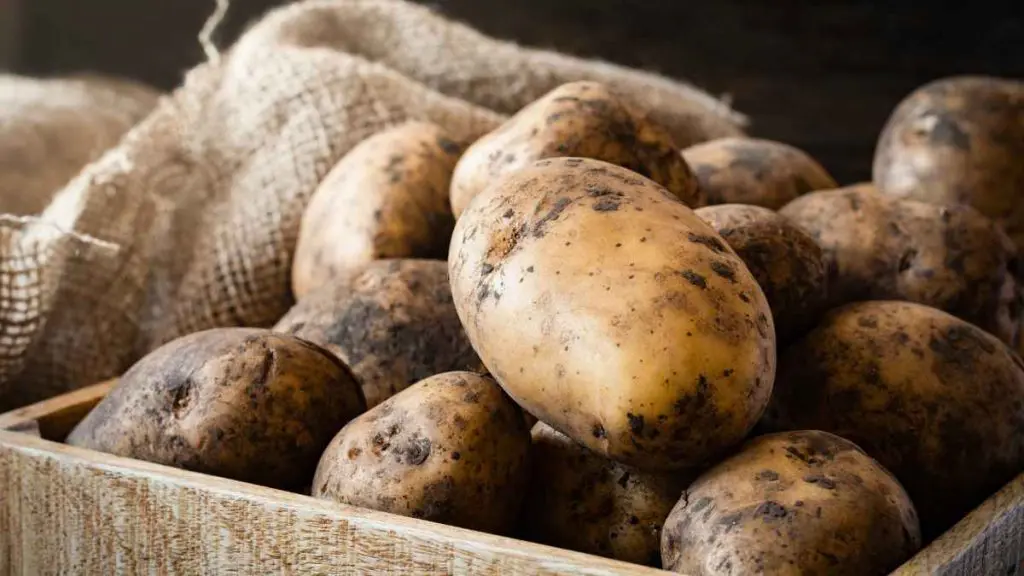
Storage potatoes, the full-sized russets, yellows, reds, and whites sold in bags, can last considerably longer with proper care. At room temperature in a reasonably dark spot, they will typically keep for one to two weeks. In a cool, dark, well-ventilated location (around 7 to 10°C), they can last for several months. Commercially stored potatoes under controlled conditions can be held for up to 11 months, which is why Canadian-grown potatoes are available in stores year-round.
For a general reference on produce storage timelines, see How Long Can I Store This?.
How to Store Potatoes at Home
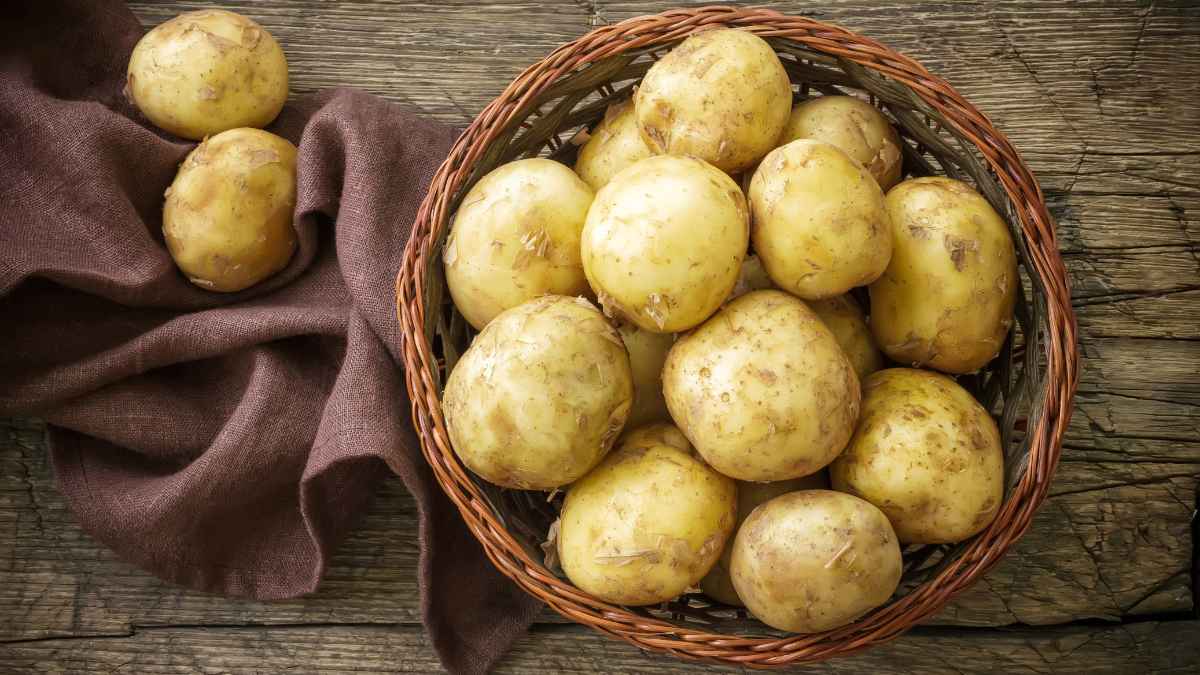
The ideal home storage spot for potatoes is cool, dark, and ventilated. A cool basement, a pantry cupboard away from the stove, or a paper bag in a dark corner of a kitchen cupboard all work. Avoid storing potatoes in airtight plastic bags, which trap moisture and encourage mould. A mesh bag, paper bag, cardboard box with ventilation holes, or open basket are all better choices.
Temperature matters. Between 7 and 10°C is the sweet spot. Warmer than that and potatoes will sprout and deteriorate faster. Colder than that (below about 4°C, including refrigerator temperature) and the starch begins converting to sugar, which changes the flavour and causes the potato to darken unattractively when cooked.
Light causes greening. Keep potatoes covered or in a dark spot. Exposure to light triggers the production of solanine, a naturally occurring compound that makes the skin and flesh turn green. Solanine is bitter and should not be eaten in quantity. Always cover potatoes in storage, and if a potato has developed significant green colouration, trim the green areas away generously before cooking. Widespread greening is a reason to discard.
Keep potatoes away from onions. Both emit gases that accelerate each other’s deterioration and sprouting. Store them in separate locations. Similarly, keep potatoes away from ethylene-producing fruits like bananas and apples, which will cause potatoes to sprout more quickly.
Do not wash before storing. Moisture on the skin encourages mould and bacterial growth. Wash potatoes just before cooking.
Can You Freeze Potatoes?
Raw potatoes do not freeze well. The high water content causes the cell structure to break down during freezing, resulting in a mushy, discoloured product when thawed. For home use, freeze only cooked potatoes.
To freeze cooked potatoes:
- Cook fully first: bake, boil, steam, or mash as usual.
- Let cool completely before freezing.
- For mashed potato: portion into freezer-safe containers or silicone bags. Frozen mashed potato works well in soups, shepherd’s pie, and potato bread.
- For roasted or boiled pieces: spread in a single layer on a parchment-lined baking sheet, freeze until solid (about 2 hours), then transfer to freezer bags. This prevents clumping.
- Label with the date. Frozen cooked potato keeps well for 10 to 12 months.
Frozen cooked potato is best used in applications where texture is less critical, such as soups, stews, mashed dishes, and baked goods. Frozen mashed potato also makes a ready-made topping for a classic Shepherd’s Pie.
Using “Less-Perfect” Potatoes
A sprouting or slightly soft potato is not necessarily garbage. Knowing the difference between “still usable” and “time to discard” reduces food waste and saves money.
Still usable:
- Small sprouts: snap or cut off and use the potato if the flesh is still firm throughout. Do not eat the sprouts themselves.
- Minor soft spots: cut away the soft area and any discoloured flesh around it; use the rest promptly.
- Slightly wrinkled or dried-out skin: the potato is past its peak but may still be fine inside. Check the flesh.
Discard:
- Extensive green colouration throughout the skin or flesh (not just a small patch easily trimmed away)
- Widespread softness, mushiness, or wet rot
- Strong unpleasant odour
- Large, established sprout growth with significant shrivelling of the potato
Ideas for potatoes that are a bit past prime but not spoiled:
- Boil and mash for shepherd’s pie, potato bread, or potato pancakes
- Add to a soup or stew where the potato will break down anyway
- Roast at high heat; soft spots cook out and the flavour concentrates
- Blend into a creamy potato soup where texture differences are not noticeable, such as a Baked Potato Soup
For tips on reducing food waste with all your seasonal produce, see 6 Tips to Reduce Food Waste and Better Potatoes Mean Less Food Waste.
Simple Habits to Waste Fewer Potatoes
- Buy in the quantity you can use within two weeks, unless your storage conditions can sustain a longer hold.
- Store in a cool, dark, ventilated spot immediately after bringing home, not on the counter or in a plastic bag.
- Keep potatoes covered to prevent light exposure and greening.
- Store separately from onions and ethylene-producing fruit.
- Check your potato supply every few days and pull any that are sprouting heavily or softening.
- When potatoes are past their prime for roasting, pivot to soup, mash, or baking rather than discarding.
- For budget-conscious buying, consider larger bags when your storage conditions can support the quantity. See Seasonal Potatoes and Your Grocery Budget in Canada for more.
Additional Article to Explore







 Seasonal Potatoes and Your Grocery Budget in Canada