
Potatoes are one of the most cost-effective foods in the Canadian grocery store, and not by accident. They are grown in every province, can last for months under the right storage conditions, work in countless preparations from breakfast hash to Sunday roast, and stretch across multiple meals from a single purchase. Potatoes hold an important place in Canadian agriculture. According to Agriculture and Agri-Food Canada’s Potato Market Information Review 2024–2025, they are Canada’s largest vegetable crop. If there is one vegetable worth understanding from a budget perspective, this is it.
This guide covers when Canadian potatoes are most available, how to buy and store them to get the most value, and how pairing them thoughtfully with other seasonal ingredients can make a real difference to your grocery bill. For storage details, see How to Store Potatoes to Cut Food Waste.
When Are Potatoes Most Available in Canada?
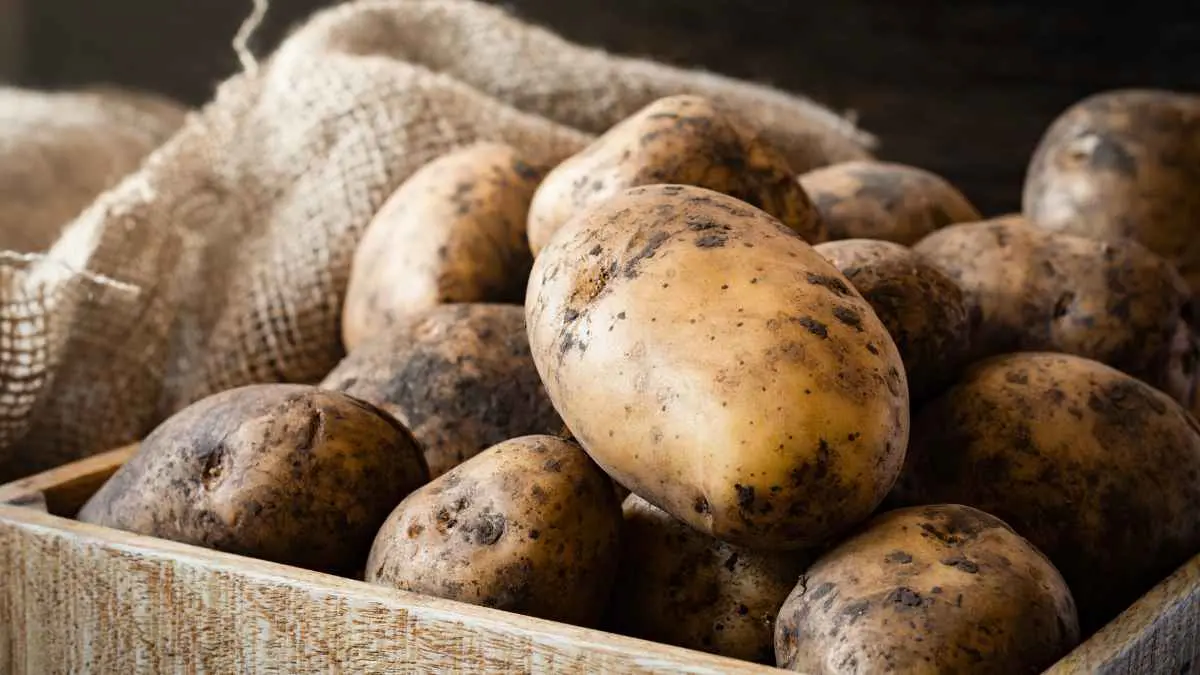
Canadian potatoes follow two distinct market windows. New and mini potatoes arrive at farmers markets and grocery stores from July through September, harvested young and best used fresh. Full-sized storage potatoes come into peak harvest from late August through October, then move into commercial storage where they remain available through to the following summer.
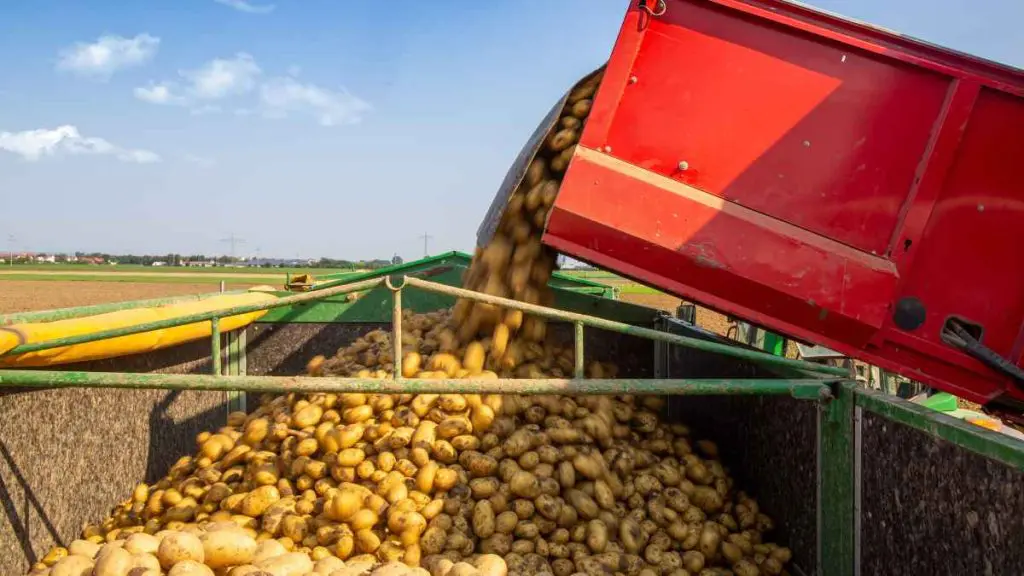
Because Canadian potatoes store for up to 11 months under the right conditions, there is no true “off season” for domestic supply. The potatoes in Canadian grocery stores in February or March are overwhelmingly Canadian-grown, held in storage since the fall harvest. This is one of the qualities that makes potatoes such a reliable year-round budget staple. Availability and pricing vary by province, retailer, and year.
Are Seasonal Potatoes Really Cheaper?
Potatoes are consistently among the most affordable vegetables in Canadian stores throughout the year, and the price difference between peak season and off-season is generally less dramatic than with more perishable produce like berries or asparagus.
That said, buying larger bags during the fall harvest season at farmers markets or farmgate stands can offer a lower per-pound cost than buying loose or in small bags at grocery retail. New potatoes in July and August tend to cost more per pound than storage potatoes in the fall, reflecting the earlier harvest and shorter shelf life.
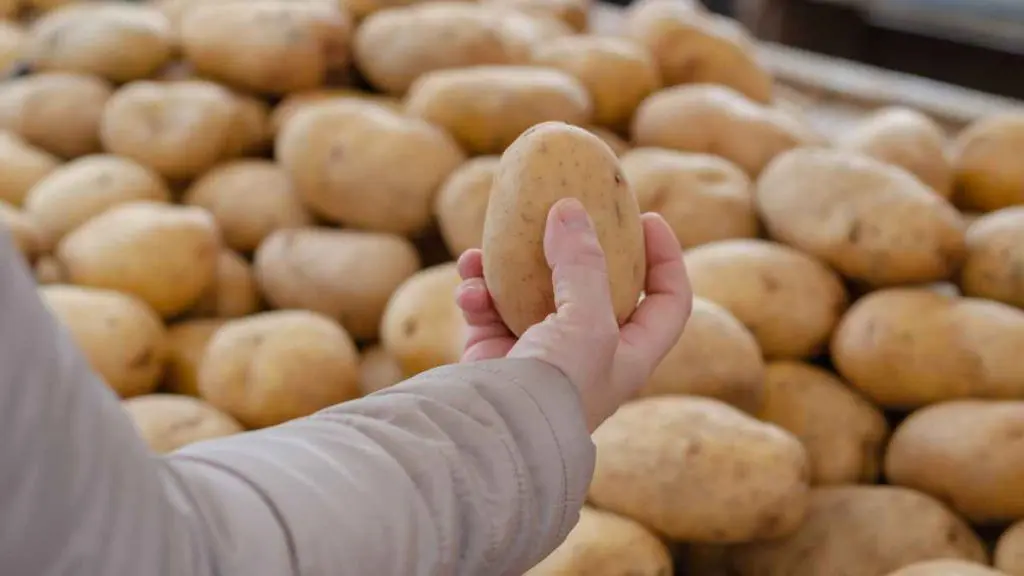
Buying a 10-pound bag of russets or yellow potatoes when they are well priced is a straightforward strategy if your storage conditions can support the quantity. Given proper storage (cool, dark, ventilated), a large bag can keep for several weeks to months without waste.
Plan Around What’s in Season
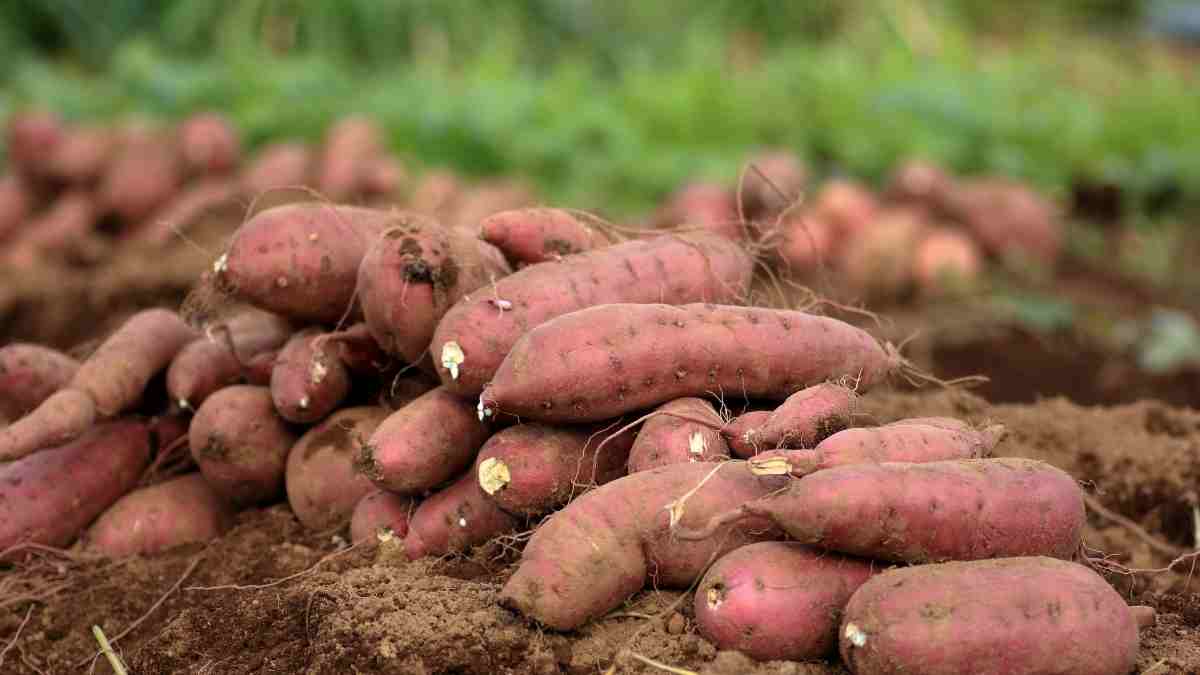
In fall, potatoes overlap with a group of equally affordable, long-lasting storage vegetables: sweet potatoes, carrots, onions, beets, squash, and cabbage. Meals built around this group during fall and winter are among the most cost-effective and satisfying options in the Canadian kitchen. A pot of soup, a sheet pan roast, or a stew drawing from this group can feed a family well at low cost. The Saskatchewan prairie tradition of the Bison Stew is a perfect example: potatoes anchor the dish, carry the flavour, and make a relatively small amount of protein go much further.
Use Across Multiple Meals
One pot of boiled or roasted potatoes can anchor more than one meal. Roasted potatoes from Sunday dinner become a hash for Monday breakfast or a base for a quick weekday frittata. Leftover mashed potato goes into potato bread, potato pancakes, or thickens a soup. Planning for this kind of carry-forward use reduces both food spending and waste. Leftover boiled potatoes also give you a head start on Easy Home Fries for a quick breakfast side.
Right-Size How Much You Buy
New potatoes have a short shelf life and should be bought in quantities you can use within a few days. Storage potatoes are a different calculation entirely: if your pantry or basement can sustain cool, dark conditions, buying a larger bag when price is favourable is a low-risk strategy. Check your supply every few days and cook any that are beginning to sprout or soften before they become waste.
Freeze the Surplus
If you find yourself with more potatoes than you can use before they deteriorate, cook and freeze them. Mashed potato freezes particularly well and can be pulled directly into soups, shepherd’s pie, or potato bread from frozen. Frozen mash is a ready-made topping for a classic Shepherd’s Pie. Cooked potatoes keep well in the freezer for 10 to 12 months. For step-by-step instructions, see How to Store Potatoes to Cut Food Waste.
How Seasonal Potatoes Help Reduce Food Waste
Potatoes are naturally low-waste for the same reason they are good value: their long storage life gives you time to use them. The most common source of potato waste is not buying too many but storing them incorrectly. Potatoes left in a plastic bag on a warm, bright counter deteriorate far more quickly than potatoes stored in a cool, dark, ventilated spot at 7 to 10°C.
Knowing how to use slightly past-prime potatoes also extends their useful life significantly. Soft or sprouting potatoes (with sprouts removed) are still excellent for mashing, soups, stews, and baked goods where firmness is not the point. The History of Perogies in Canada shows us that potato-based comfort food has always been a practical way to use up staple ingredients rather than let them go to waste. For the full history, see The History of Perogies in Canada. Only widespread greening or rot is a reason to discard the whole potato.
For more on reducing produce waste at home, see 6 Tips to Reduce Food Waste and Better Potatoes Mean Less Food Waste.
Quick Budget Checklist for Buying Potatoes
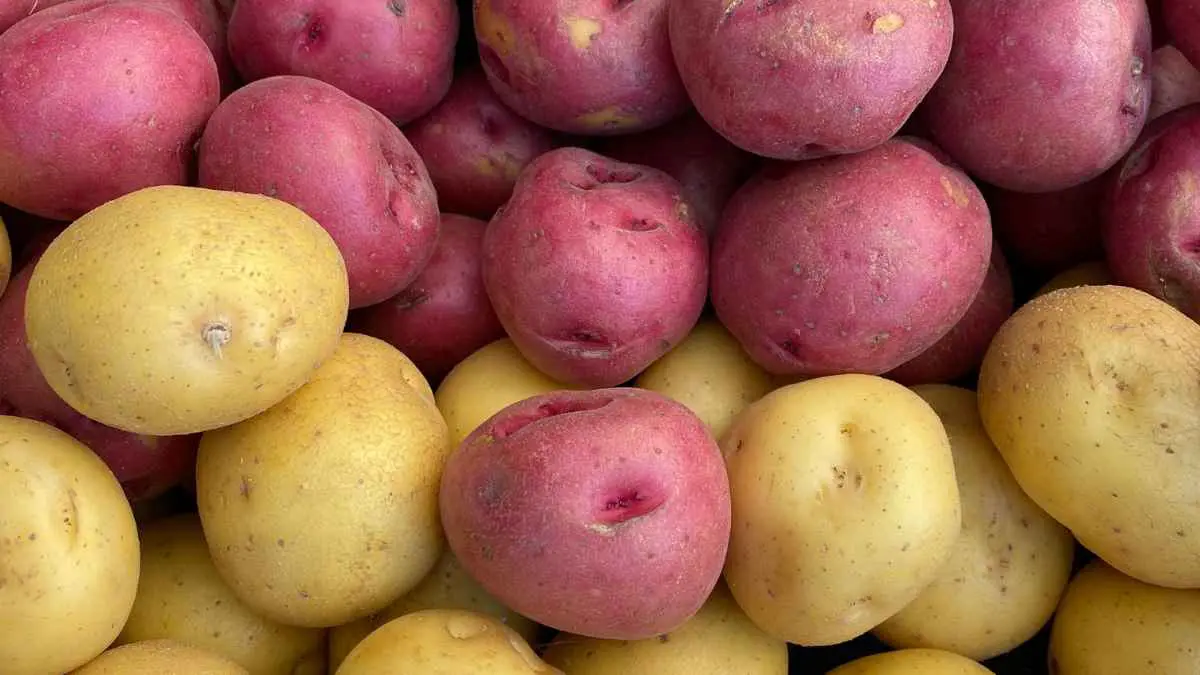
Match the variety to the cooking method before you buy; using the right potato for the job reduces failed recipes and wasted ingredients. See Canadian Potato Varieties: Taste, Texture and Best Uses.
Buy new potatoes only in quantities you will use within a few days.
For storage potatoes, larger bags generally offer better per-pound value if your storage can support the quantity.
Pair potatoes with other fall storage vegetables (sweet potatoes, carrots, onions, squash) for the most cost-effective seasonal meals.
Cook and freeze surplus rather than letting it go to waste.
Store correctly from day one: cool, dark, ventilated, away from onions and fruit, and do not wash until ready to cook.
Additional Articles to Explore







 Cheesy Zucchini and Orzo Casserole