
Walk into any Canadian grocery store and you will find at least four or five different types of potato in the produce section, often more. Unlike most vegetables where one type dominates the bin, potatoes reward shoppers who pay attention to the label. A russet and a red potato look different, cook differently, and produce very different results in the same recipe. The variety you choose is genuinely one of the most useful decisions you can make before you start cooking.
This guide organizes Canadian potatoes by their best uses, the same way most shoppers naturally think about them. Each section covers what the potato looks and tastes like raw, what happens to it when it cooks, and which dishes it does best. The guide closes with a quick decision helper for when you are at the store and not sure which bag to grab.
For an overview of Canadian potato seasonality and where potatoes are grown, see What’s in Season? Potatoes.





How to Read This Guide
Potato varieties sort naturally into two broad camps based on starch content. High-starch potatoes are fluffy and light when cooked and tend to fall apart in liquid. Waxy (low-starch) potatoes are denser and moister and hold their shape after cooking. Medium-starch potatoes sit in between and offer the most flexibility across cooking methods.
Most of the variety names you will see in Canadian stores (Russet, Yukon Gold, Red, Fingerling) correspond to these starch categories. Once you understand which camp a potato falls into, the rest follows logically.
Potatoes Great for Baking, Frying and Fluffy Mash

Russet
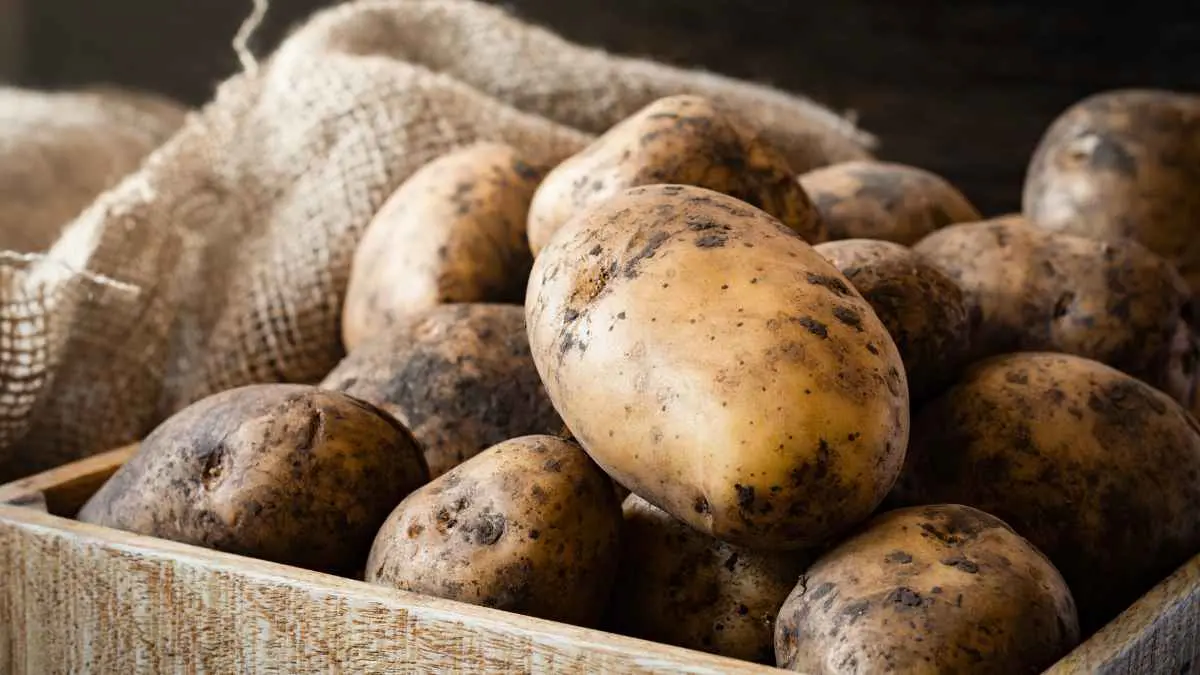
The russet is Canada’s most popular potato and the one most people picture when they hear the word. It has rough, netted brown skin, bright white flesh, and the highest starch content of any common variety. When baked, the interior becomes light and fluffy. When fried, it crisps up beautifully at the edges. When mashed, it produces a smooth, airy texture that holds butter and seasoning well.
Russets are the standard french fry potato, the classic baked potato, and the go-to for potato wedges. They are grown across Canada, with Alberta, Manitoba, and PEI producing significant quantities. For an easy oven-baked side, Crispy Baked Potato Wedges show off exactly what a russet does best.
The trade-off with russets is that they do not hold their shape in liquid. Added to a soup or stew, they will begin to disintegrate and thicken the broth, which is either a feature or a problem depending on what you are making.
Best for: baked potatoes, french fries, potato wedges, fluffy mashed potatoes, potato gnocchi, and any dish where a light, dry texture is the goal.
Idaho-Style Russets
The term “Idaho” on Canadian packaging refers to the russet-style potato rather than a specific Canadian variety. These are russets grown and sold for their characteristic size and starch content. Treat them the same way as a standard russet.
Potatoes Great for Mashing, Roasting and All-Purpose Cooking
Yellow (Yukon Gold and Similar)
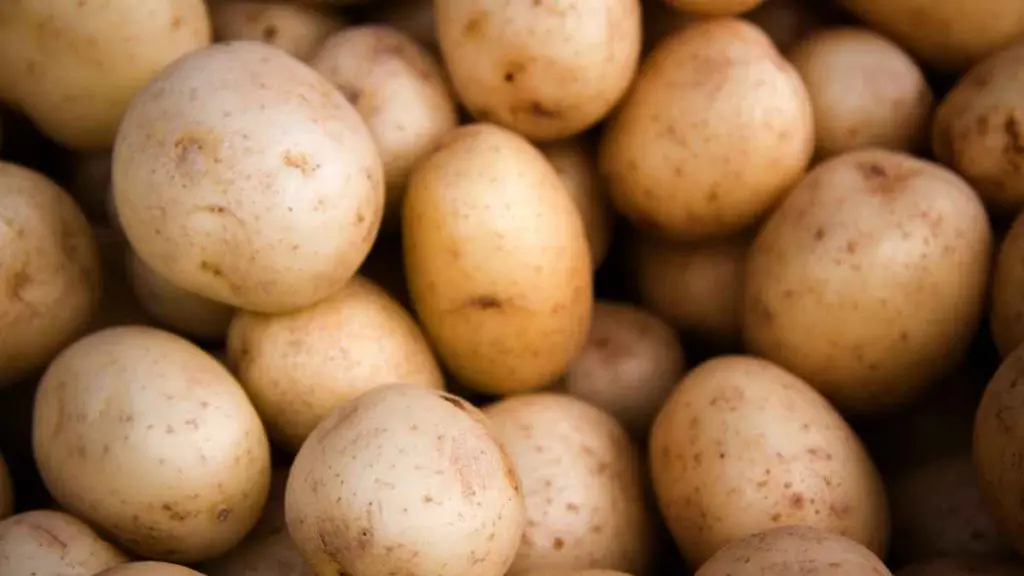
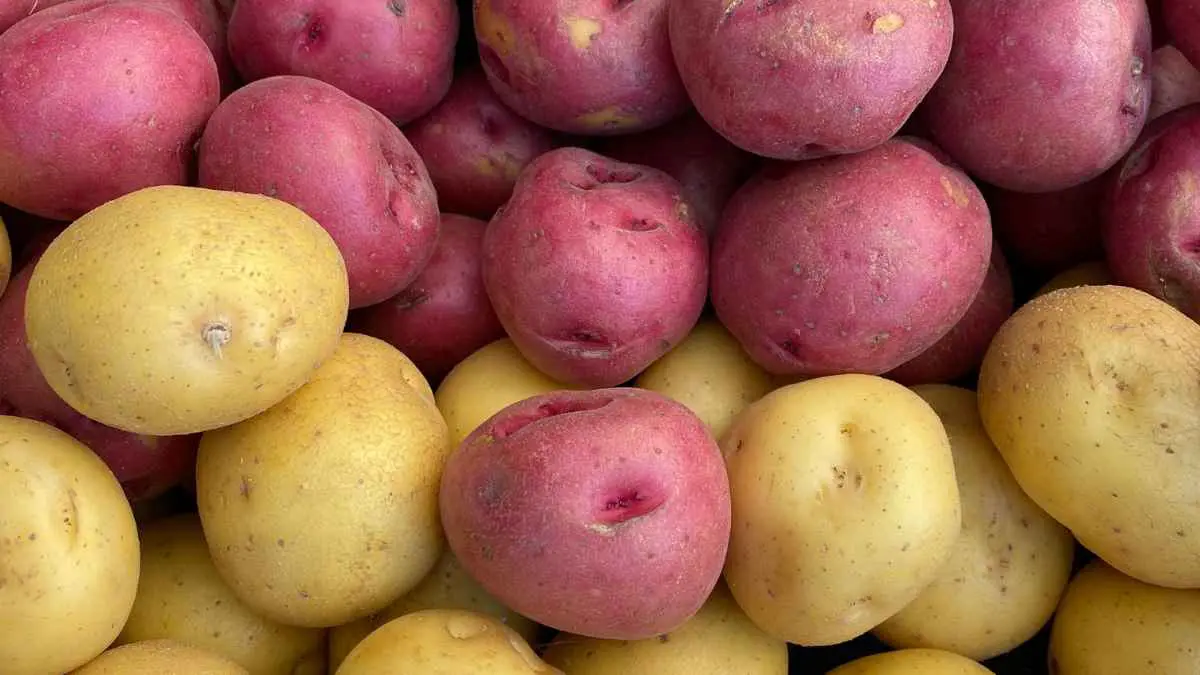
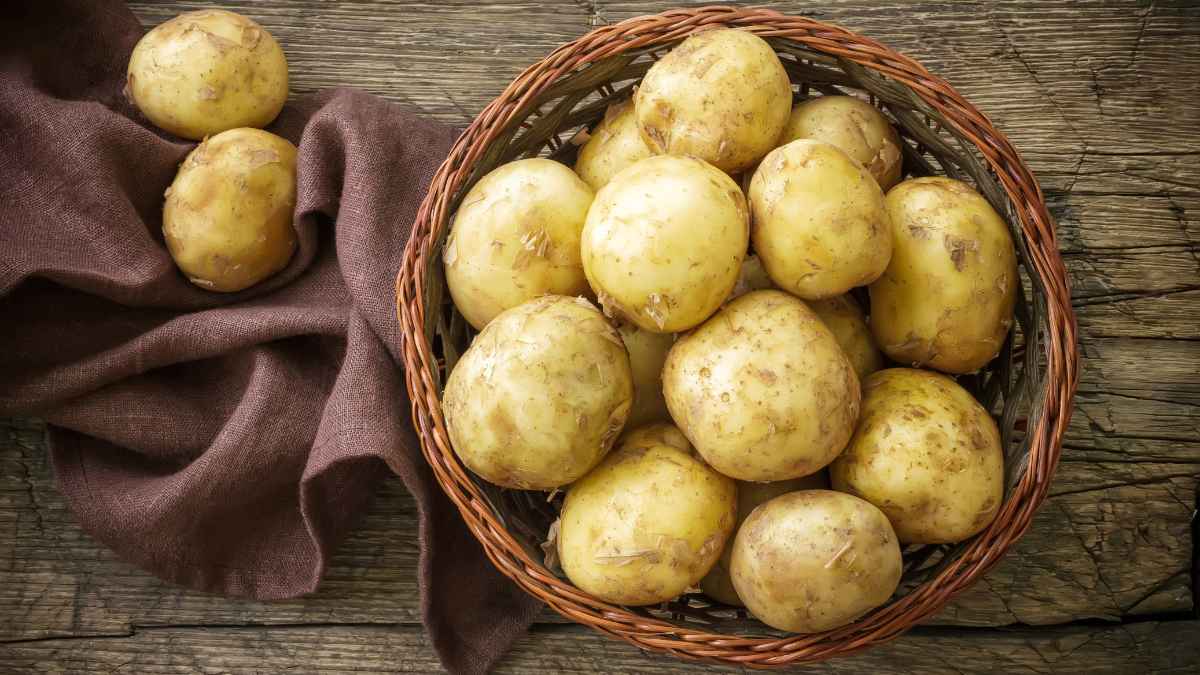
Yellow-fleshed potatoes with golden or tan skin are among the most versatile potatoes in Canadian stores. Yukon Gold is the most recognized name, though other yellow varieties are also sold under generic “yellow potato” labels. Their medium starch content and naturally rich, buttery flavour make them exceptional for mashing, where the result is denser and more flavourful than a russet mash but still smooth and satisfying.
Yellow potatoes roast beautifully, developing crisp edges while staying creamy inside. They hold their shape better than russets in soups and stews, though they will soften with long cooking. Their flavour is more forward than a russet, which makes them shine in simpler preparations where the potato is the main event. The Oven Roasted Potatoes recipe is a simple place to start.
Yukon Golds were developed in Canada at the University of Guelph in Ontario, released in 1980, and have become one of the most widely grown potato varieties in the country.
Best for: mashed potatoes, roasted potatoes, potato soups, gratins, and any dish where you want flavour and versatility in a single variety.

White
White potatoes have pale tan or off-white skin and white flesh with a medium starch content slightly lower than yellow varieties. They are mild and slightly sweet, with a creamy, dense texture after cooking. White potatoes hold their shape well after boiling, which makes them a solid choice for potato salads and steamed sides.
Historically, white potatoes were the dominant potato chip variety in Canada, valued for their consistent moisture content and even frying behaviour. They are less common in Canadian stores than russets or yellows but appear regularly in bags and at farmers markets.
Best for: potato salads, steaming, boiling, potato chips, and dishes where a mild flavour and firm texture are useful.
Potatoes That Hold Their Shape
Red
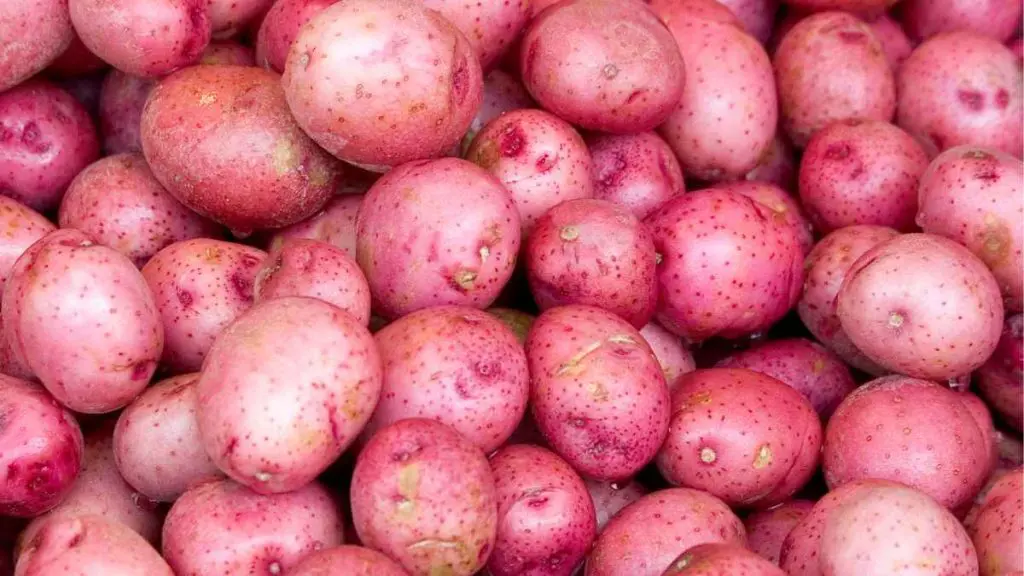
Red potatoes are waxy: low in starch, high in moisture, and resistant to falling apart during cooking. Their red skin ranges from pale pink to deep crimson, and the flesh is white and dense. They have a mildly sweet, earthy flavour that works well in savoury applications.
The key characteristic that makes red potatoes useful is that they hold their shape reliably after boiling, steaming, or roasting, which makes them the default potato for potato salads, soups, stews, and roasted dishes where you want defined pieces on the plate. Their thin skin does not require peeling, which saves time and preserves texture. In a one-pot meal like Spiced Beef with Spinach and Potatoes, that sturdiness keeps every piece intact.
Red potatoes are grown across Canada and are available at most retailers year-round. At farmers markets, you may encounter heritage red varieties with more pronounced flavour than commercial reds.
Best for: potato salads, soups, stews, roasted potatoes, steamed or boiled sides, and any dish where holding shape after cooking is important.
Versatile Potatoes for Specialty Uses

Fingerling
Fingerling potatoes are small, elongated, and waxy, with thin skin that comes in yellow, red, purple, or a combination. They are prized for roasting whole, where their small size means quick, even cooking and their waxy texture produces a creamy interior with a crisp exterior. The flavour is often nuttier and more complex than standard varieties, with some fingerlings having a distinctly earthy depth.
They are the most visually striking potato on the table and require the least preparation of any variety: rinse, toss with oil and salt, and roast. Fingerlings are grown in smaller quantities in Canada and tend to be found at specialty grocery stores and farmers markets more than mainstream retail. A batch of Crispy Baked Fingerling Potatoes, finished with Parmesan, is ready in about 30 minutes.
Best for: roasting whole, warm potato salads, side dishes where presentation matters, and applications where a smaller, more flavourful potato is preferable.
Mini and Baby Potatoes

Mini or baby potatoes are simply small versions of standard varieties, harvested before full maturity. They come in assorted skin colours and are sold pre-washed in bags at most Canadian grocery stores. Their consistent small size means they cook quickly and evenly, and their thin skins do not need peeling.
Mini potatoes are among the most convenient potatoes to cook: rinse, halve or leave whole, roast or boil for 20 to 25 minutes, and serve. They are excellent for sheet pan meals, pasta salads, and as a quick weeknight side dish.
Best for: roasting, boiling whole, sheet pan meals, potato salads, and any application where quick, even cooking and no-peel convenience are priorities.
How to Choose a Variety When You’re Not Sure
If the recipe or the occasion does not specify a variety, use this as your guide.
Making mashed potatoes: Yukon Gold for rich flavour; russet for the lightest, fluffiest result. Both work. The Classic Mashed Potatoes recipe is a solid reference.
Baking a potato: Russet. Always. The high starch and dry texture are what produce the fluffy interior and crisp skin that define a proper baked potato.
Roasting: Yellow, fingerling, or mini potatoes. All produce crisp edges and creamy interiors. Red potatoes roast well too.
Potato salad: Red or white. Their waxy texture means the pieces stay intact after boiling rather than crumbling into mash. Check the 6 Hearty Potato Salad Recipes roundup for inspiration.
Soup or stew: Red or yellow if you want the potato to hold its shape. Russet if you want it to break down and thicken the broth.
Sheet pan meal: Mini, fingerling, or cubed yellow potatoes. They cook at roughly the same rate as most proteins and vegetables at 200 to 220°C.
No preference listed and you have russets: Use them. Russets are the most forgiving all-purpose choice and work acceptably in almost every application, though a waxy variety will outperform them in salads and soups.
Additional Articles to Explore






 Easy Ways to Use Potatoes