
Potatoes are the most used vegetable in Canada, and for good reason. They are filling, affordable, available year-round, and work in virtually every meal from breakfast through dinner. The challenge is rarely finding a use for them; it is more often about choosing which direction to go. This guide organizes the best uses by cooking method, with links to specific CFF recipes at every step.
For help choosing the right variety before you start cooking, see Canadian Potato Varieties: Taste, Texture and Best Uses and What’s in Season? Potatoes.






Baked, Roasted and Sheet Pan
Baking a whole russet potato is one of the easiest things you can do in a kitchen. Pierce the skin several times with a fork, rub with a little oil and salt, and bake at 400°F (200 °C) for 60 to 75 minutes until the skin is crisp and the interior is completely tender. The result is a complete base for almost any topping: sour cream and chives, cheese and broccoli, chili, or simply butter and black pepper. For a more indulgent version, Loaded Baked Potatoes are stuffed with a cheesy, buttery filling and baked a second time.
Roasted potatoes are equally hands-off. Cube or wedge yellow, red, or mini potatoes, toss with oil and seasoning, and roast at 425°F (220°C) for 30 to 35 minutes. No watching, no stirring, no fuss. The Bubbly Potato Skin Dip takes the baked potato concept in a shareable direction, capturing all the flavours of loaded potato skins in a format perfect for entertaining.
For something more substantial, sheet pan dinners built around potatoes are a reliable weeknight approach. The potato cooks at the same temperature and time as most proteins, which means one pan, one oven, and minimal cleanup.
Mashed, Pureed and Blended
Mashed potatoes are one of the most satisfying and forgiving preparations in the Canadian kitchen. Yukon Gold produces the richest, most flavourful mash with the least effort; russet gives you the lightest, fluffiest result. Both are excellent. The Classic Mashed Potatoes recipe covers the technique clearly and includes flavour variations to take the base in different directions depending on the meal.
The Parsnip Potato Pureé with Vegetable Gravy extends the mashed potato idea by blending potatoes with parsnips for a more complex, slightly sweet side dish. It pairs well with roast chicken or holiday mains.
For a blended soup, potatoes are the natural thickener. Simmer cubed potato with onion and broth, blend until smooth, and season. The result is a velvety, filling soup from ingredients most Canadians have in the pantry at any time of year. For a heartier bowl, Baked Potato Soup brings in cheddar and bacon.
Soups, Stews and One-Pot Meals
Potatoes hold their own in long-cooked dishes, absorbing the surrounding flavours while contributing body and substance to the pot. Red or yellow potatoes are the best choice for soups and stews where you want defined pieces; russets will break down and thicken the broth, which works well in some preparations and less well in others.
The Spiced Beef with Spinach and Potatoes is a spiced one-pot dish that uses potatoes to anchor a flavourful, protein-forward meal. Saskatchewan Bison Stew is a prairie classic inspired by Chef Jenni Lessard’s family recipe, where potatoes do exactly what they are best at: making a smaller amount of protein feel like a complete, satisfying meal.
Potato Salads
Cold potato salads are a cornerstone of the Canadian summer table and are more varied than they first appear. Red or white potatoes are the standard choice because they hold their shape after boiling; yellow potatoes work when a creamier texture is welcome. Dressings range from classic mayonnaise-based to vinaigrette, mustard-forward, or herb-bright.
The 6 Hearty Potato Salad Recipes roundup covers six different approaches, giving you enough variety to take potato salad in a different direction every time. Potato salad also makes excellent use of cooked potatoes that did not get eaten at the previous night’s dinner.
Perogies and Heritage Dishes
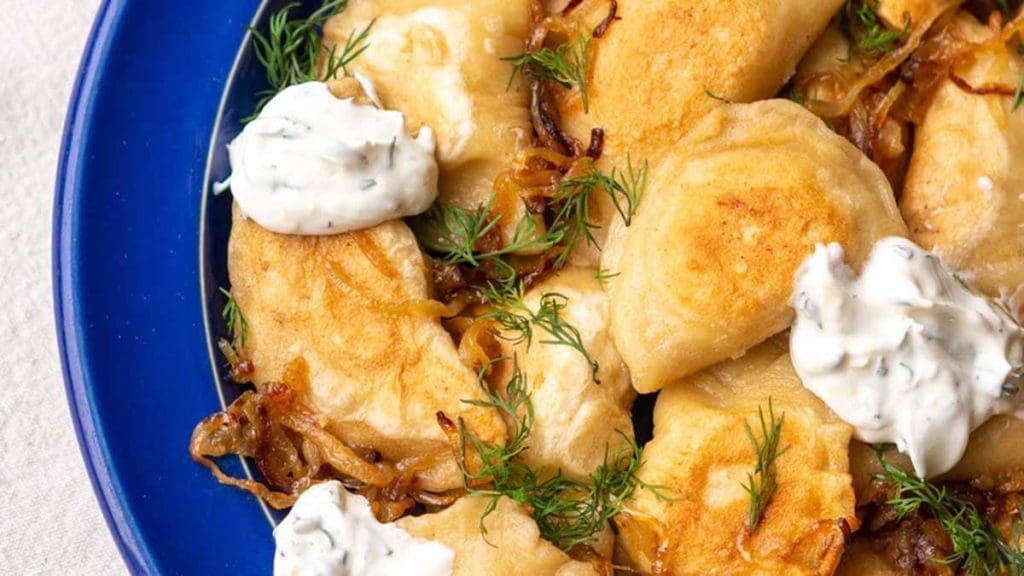
Perogies are one of Canada’s great prairie food traditions, brought by Ukrainian and Eastern European settlers and woven deeply into the culture of Alberta, Saskatchewan, and Manitoba. The filling is typically mashed potato and cheddar or cottage cheese, stuffed into hand-folded dough and boiled, then finished in butter. They are a celebration dish, a comfort food, and a practical way to use up leftover mashed potato.
The Canadian Classic Potato and Cheddar Perogies with Lemon Dill Sour Cream is a weekend project that rewards the effort. For more on the history of perogies in Canada, see The History of Perogies in Canada.
Save Some for Later
Cooked potatoes keep well in the refrigerator for three to four days and freeze successfully in mashed or fully cooked form. A batch of roasted or mashed potatoes prepped on the weekend can anchor quick meals through the week. Mashed potato in particular freezes well for up to 12 months and goes directly from frozen into soups, shepherd’s pie, or potato bread without needing to thaw first. For full storage instructions, see How to Store Potatoes to Cut Food Waste.
Additional Articles to Explore







 Frequently Asked Questions About Canadian Potatoes