
Potatoes are so familiar that they often go unquestioned, until something goes wrong. Why did the mash turn gluey? Why did the roasted potato stay pale? What is the actual difference between a Yukon Gold and a russet, and does it matter? This guide answers the most common questions about Canadian potatoes, from seasonality to storage to cooking science.
For a full overview of Canadian potato varieties, growing regions, and uses, start with What’s in Season? Potatoes .





Seasonality Questions
When are Canadian potatoes in season?
New and mini potatoes are harvested from July through September. Full-sized fresh potatoes hit peak supply from late August through late October, then move into storage for sale throughout the year. Because Canadian potatoes store for up to 11 months, domestic supply is available year-round. For the full seasonal breakdown, see What’s in Season? Potatoes.
Are Canadian potatoes available year-round?
Yes. Canadian-grown potatoes can be held in temperature-controlled storage for up to 11 months, which means the potato you buy in February or March is very likely Canadian. This distinguishes potatoes from most other vegetables, which rely on imports to fill the off-season gap.
When are potatoes least expensive in Canada?
Pricing varies by retailer, region, and year. Potatoes are consistently among the most affordable vegetables in Canadian stores throughout the year. In general, buying larger bags of storage potatoes in the fall, at farmers markets or on promotion at grocery stores, tends to offer a lower per-pound cost than buying small bags or loose potatoes. New potatoes in summer tend to cost more per pound than fall storage potatoes, reflecting their shorter shelf life and early harvest. For more, see Seasonal Potatoes and Your Grocery Budget in Canada.
What is the difference between new potatoes and regular potatoes?
New potatoes are harvested young, before the skin has fully set and before the sugars have converted to starch. They are sweeter, more delicate, and have thinner, more tender skin than storage potatoes. They do not keep as long and are best used within a few days of purchase. A simple tray of Oven Roasted Potatoes is one of the easiest ways to enjoy them. Storage potatoes are harvested at full maturity, cured to toughen the skin, and held in controlled conditions for long-term availability.


Growing and Origin Questions
Which province grows the most potatoes in Canada?
Since 2022, Alberta has been the largest potato-producing province in Canada, followed by Manitoba and Prince Edward Island. Alberta is also Canada’s leading exporter of certified seed potatoes. Potatoes are grown in every province, with New Brunswick, Quebec, and Ontario also contributing significant production. For more detail on Canadian potato growing regions, see Potatoes From Farm to Table.
What is a seed potato?
A seed potato is not a seed in the botanical sense. It is a potato grown specifically to be replanted as the starting material for a new potato crop. Seed potatoes are certified to be free of disease and pests, which makes them more reliable than using leftover table potatoes for replanting. There are more than 400 varieties of seed potatoes registered in Canada through the Canadian Food Inspection Agency. Alberta is internationally recognized for the quality of its certified seed potato exports.
How do I know if my potato is Canadian-grown?
Look for a “Product of Canada” label. Canadian-grown potatoes are most reliably labelled at farmers markets and specialty retailers. In mainstream grocery stores, labelling can be less consistent, but the domestic supply window runs from late summer through the following summer thanks to storage. For more on identifying Canadian produce, see Seasonal Potatoes and Your Grocery Budget in Canada.
Buying and Storage Questions
What should I look for when buying potatoes?
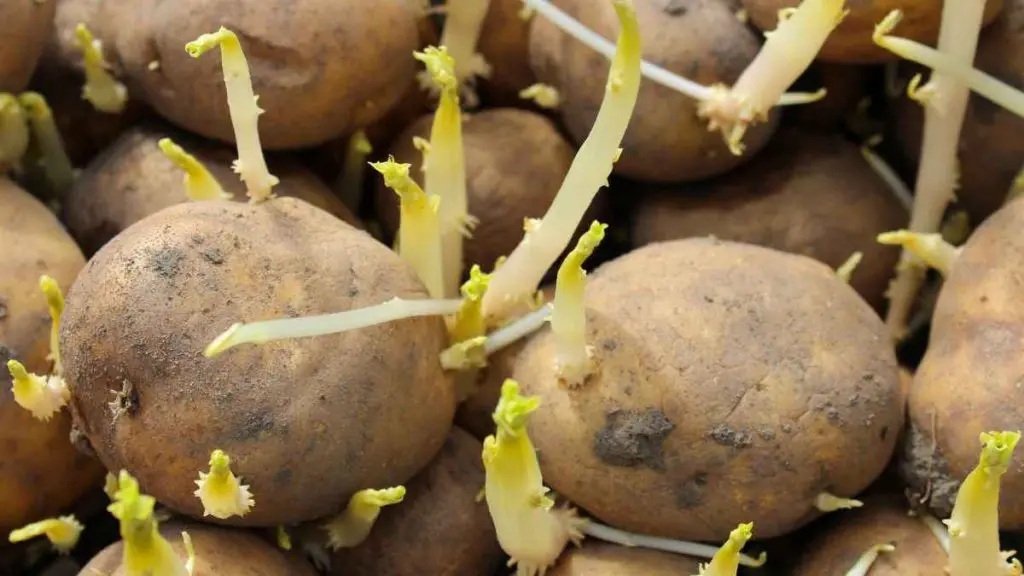
Choose potatoes that are firm and free of cuts, soft spots, bruises, or blemishes. Avoid any with green patches, which indicate solanine (see below). Sprouting potatoes are past their prime but still usable if the flesh is firm; small sprouts can be removed. For variety-specific buying guidance, see Canadian Potato Varieties: Taste, Texture and Best Uses.
What does the green on my potato mean, and is it safe to eat?
Green colouration on potato skin or flesh indicates the presence of solanine, a naturally occurring compound produced when potatoes are exposed to light. Solanine is bitter and should not be consumed in significant quantities. For small green patches, trim the green area and a generous margin of flesh around it. If the greening is widespread throughout the potato, discard it. Store potatoes in a dark location to prevent greening. For more, see How to Store Potatoes to Cut Food Waste.
Why should I not refrigerate potatoes?
Storing uncooked potatoes in the refrigerator converts the starch to sugar, which changes the flavour and causes potatoes to darken and develop an off taste when cooked. Store uncooked potatoes in a cool (7 to 10°C), dark, well-ventilated location instead. The exception is new potatoes, which can be refrigerated for a day or two if you plan to use them promptly. For the full storage guide, see How to Store Potatoes to Cut Food Waste.
Can I freeze potatoes?
Raw potatoes do not freeze well because the cell structure breaks down during freezing. Cooked potatoes freeze successfully. Mashed potatoes keep well in the freezer for 10 to 12 months and work well in soups, shepherd’s pie and baking. Roasted or boiled potato pieces can also be frozen after cooking. For step-by-step instructions, see How to Store Potatoes to Cut Food Waste.
Cooking and Nutrition Questions
What is the difference between a starchy potato and a waxy potato?
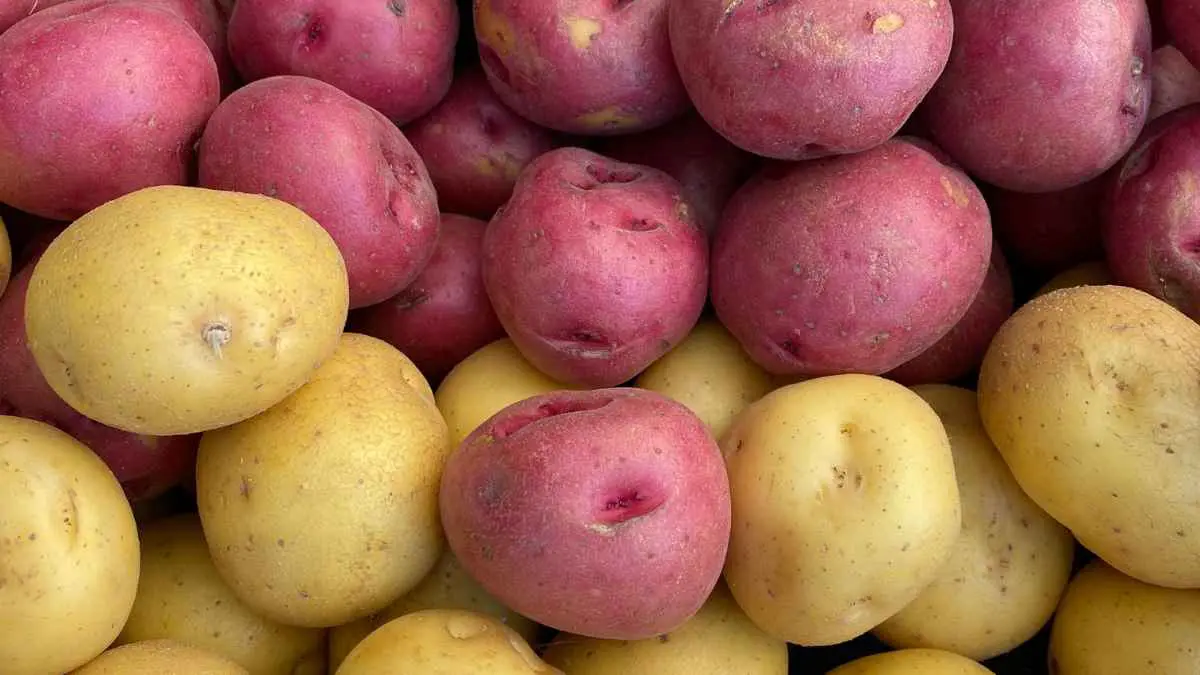
Starchy potatoes (like russets) have high starch and low moisture. They cook up light and fluffy, making them ideal for baking, frying, and mashing. Waxy potatoes (like red and fingerling varieties) have low starch and high moisture. They hold their shape after cooking, making them better for salads, soups, and dishes where you want defined pieces. Medium-starch potatoes (like Yukon Gold) sit between the two and offer flexibility. For a full guide, see Canadian Potato Varieties: Taste, Texture and Best Uses.
Are potatoes nutritious?
Yes. Potatoes are an excellent source of potassium, a good source of vitamin C, and provide fibre and folate, particularly when the skin is left on. The nutritional profile of a potato is often better than people expect. Cooking method matters: boiling and baking preserve more nutrients than deep frying. Cooled cooked potatoes also develop resistant starch, which functions differently in the body than regular starch. For more on resistant starch, see Carbohydrates: Understanding Resistant Starches. For authoritative nutrient information, refer to Canada’s Food Guide.
Why did my mashed potatoes turn gluey?
Over-mixing or using an immersion blender breaks down the starch cells and releases excess starch into the mash, producing a gluey, paste-like texture. Mash by hand or with a ricer, mix gently, and stop as soon as the lumps are gone. Choosing a high-starch potato like russet or Yukon Gold also helps, as waxy potatoes are more prone to glueyness when mashed. For a reliable mashed potato technique, see the Classic Mashed Potatoes recipe.
Additional Articles to Explore







 How to Store Potatoes to Cut Food Waste