
Walk into most Canadian grocery stores and you will find one or two types of sweet potato in the bin, usually distinguished only by skin colour. Unlike apples, where shoppers routinely compare Honeycrisp against Ambrosia by name, sweet potatoes are not variety-shopped at retail. Most Canadians choose by type (orange, white, or purple-fleshed) and by how they plan to cook them, not by the specific variety on the tag.
This guide organizes sweet potatoes the way most shoppers actually encounter them: by flesh type and production method. Understanding those two dimensions is genuinely all you need to make better decisions at the store, the farmers market, or the farmgate.
For a broader overview of Canadian sweet potato seasonality and where to find them, see What’s in Season? Sweet Potatoes.





How to Read This Guide
Each type section below covers what that flesh colour looks and tastes like, what it does best in the kitchen, and which named varieties you are most likely to encounter in a Canadian context. None of these names will appear on a bin label at the grocery store, but they matter to growers and can come up at farmers markets and farmgate stands where growers know their crop in more detail.
The guide closes with a production methods section (field-grown versus greenhouse-grown) and a use-case decision helper.
The Three Main Types of Canadian Sweet Potatoes
Orange-Fleshed Sweet Potatoes (Copper or Red Skin)
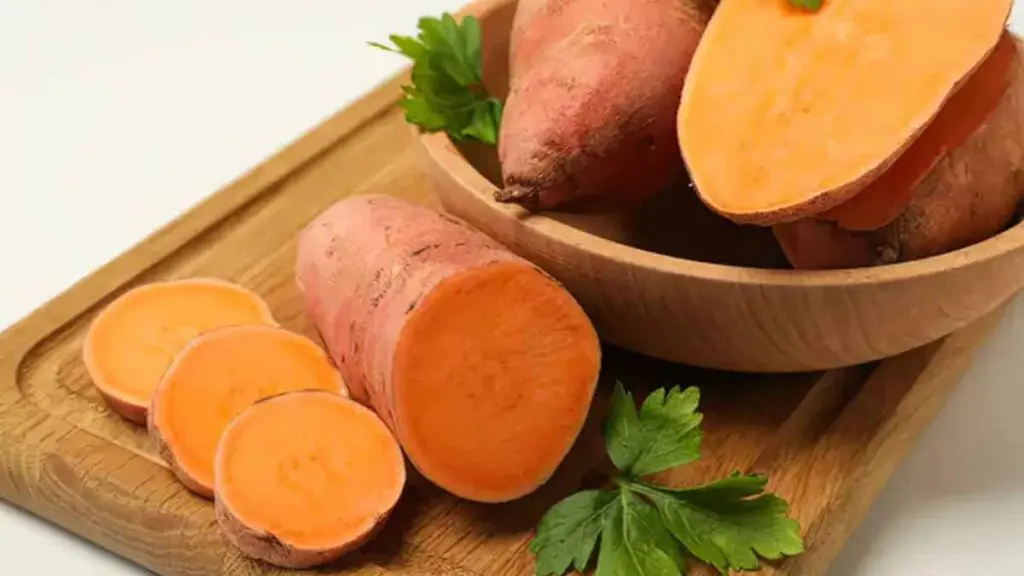
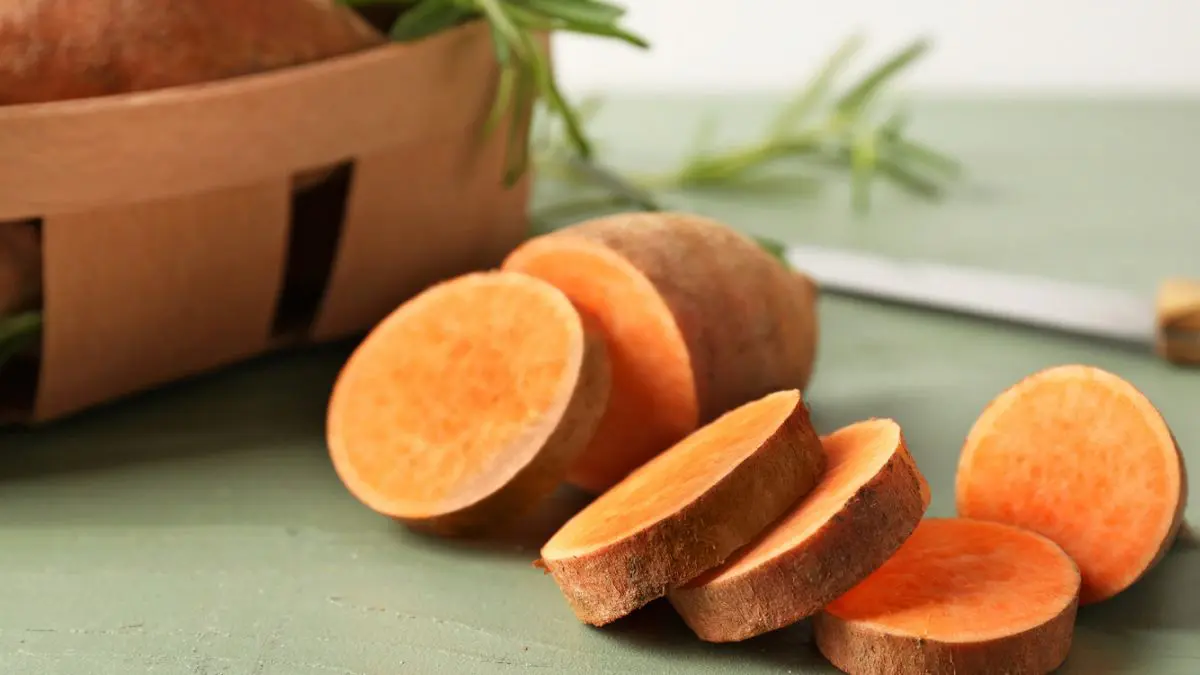
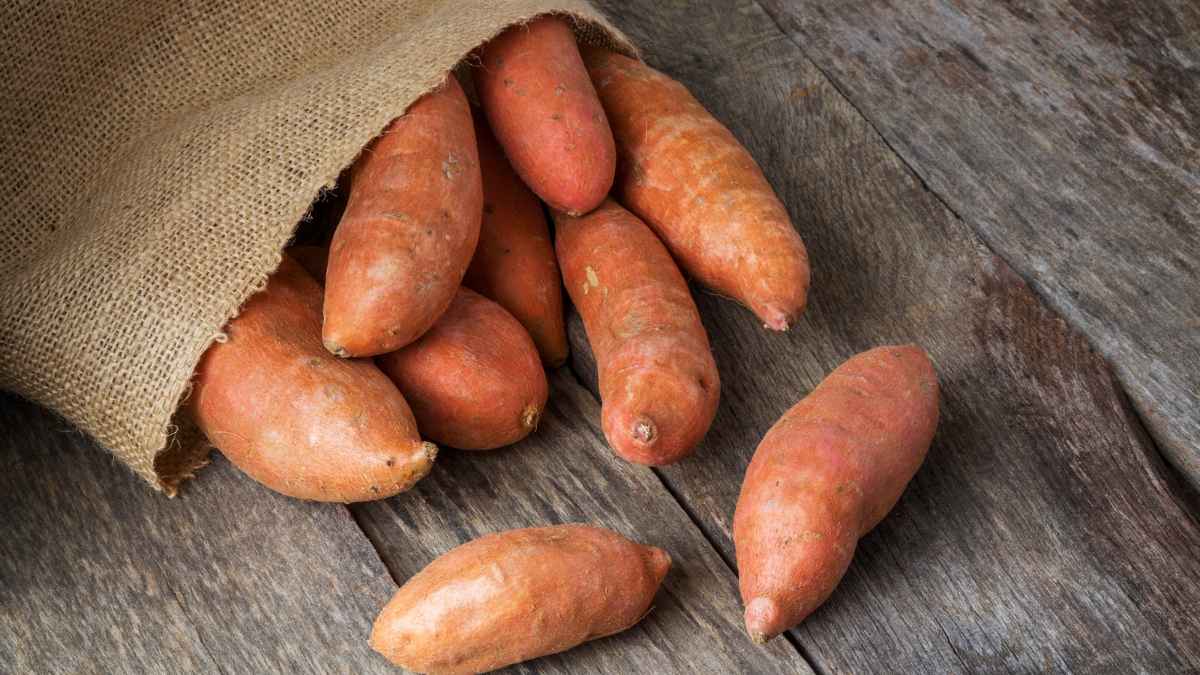
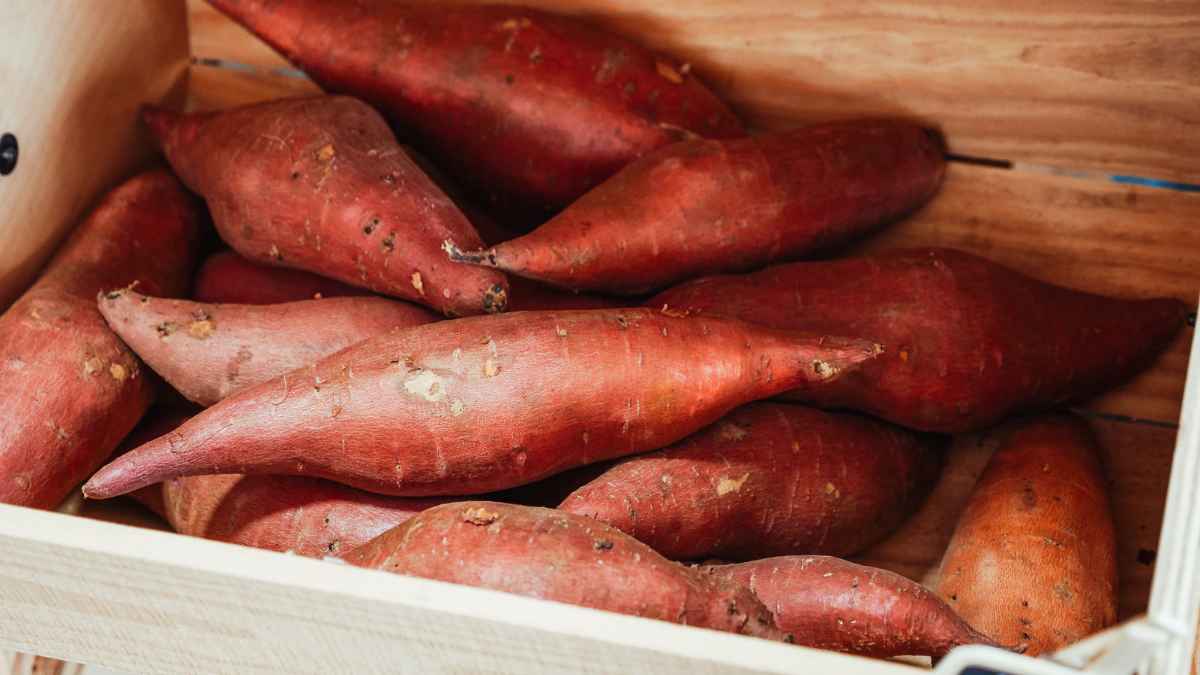
The orange-fleshed sweet potato is what most Canadians picture when they hear the name. It has copper or reddish-brown skin, vivid orange flesh, and a pronounced natural sweetness that intensifies during cooking as starches convert to sugars. The texture is soft and moist after roasting or baking, often almost creamy at the centre.
The dominant variety grown by Canadian farmers is Covington, which originated in North Carolina and was bred for reliable yield and the rich orange colour consumers expect. Canadian growers in Norfolk County, Ontario, and Nova Scotia’s Annapolis Valley grow Covington almost exclusively. The Beauregard variety, also orange-fleshed, is another common name in Canadian production, though Covington has largely replaced it on most commercial farms. Researchers at the Vineland Research and Innovation Centre in Ontario released the Radiance variety in 2019, which matures 11 to 20 days sooner than Covington and is better suited to Canada’s shorter season. Radiance is still building its presence in Canadian production. To learn more, watch Sweet Potatoes in Canada?
Best for: roasting, mashing, baking in the skin, soups, stews, curries, sweet potato fries, and baking (muffins, loaves, desserts where you want natural sweetness and colour). Try this Hearty Pork and Sweet Potato Stew or Sheet Pan Madras Turkey with Sweet Potato and Cauliflower for an easy weeknight meal.
White or Cream-Fleshed Sweet Potatoes (Lighter Skin)
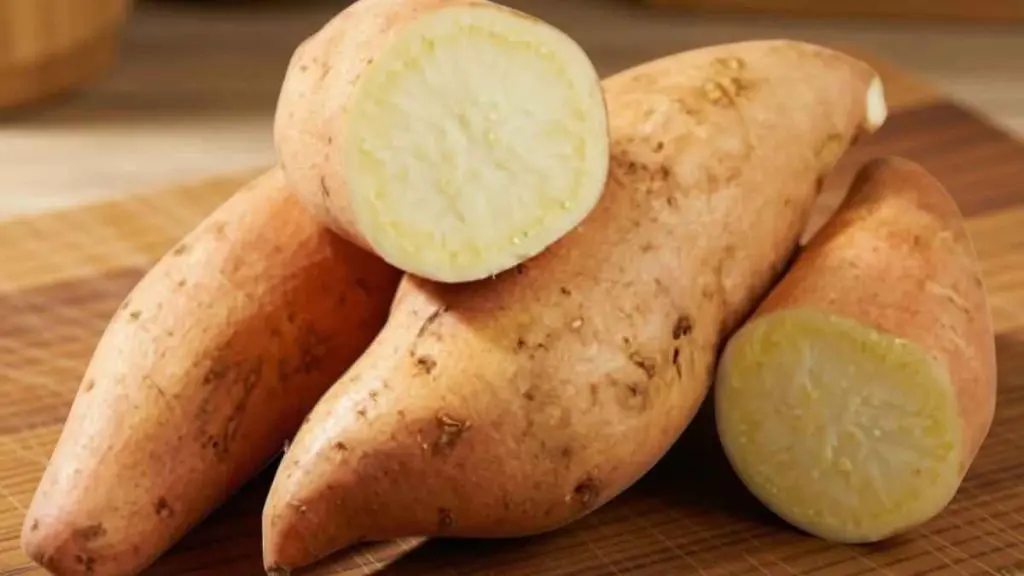
White and cream-fleshed sweet potatoes have tan, yellow, or pinkish skin and pale flesh ranging from off-white to light yellow. They are less sweet than orange-fleshed types, with a firmer, slightly drier texture after cooking that holds its shape better in dishes where you want defined pieces rather than a creamy mash.
These are less common in mainstream Canadian retail but appear regularly at farmers markets and some specialty grocery stores, particularly in Ontario and BC. The Japanese sweet potato (sometimes called Murasaki, though true Murasaki has purple skin and white flesh) is one of the types shoppers occasionally see at specialty markets. White sweet potatoes are grown in smaller quantities by some Canadian farmers who supply local and specialty markets.
Best for: savoury roasting, stir-fries, curries, grain bowls, dishes where a firmer texture is desirable, and applications where you want sweetness that is more subtle and background than forward.
Purple-Fleshed Sweet Potatoes
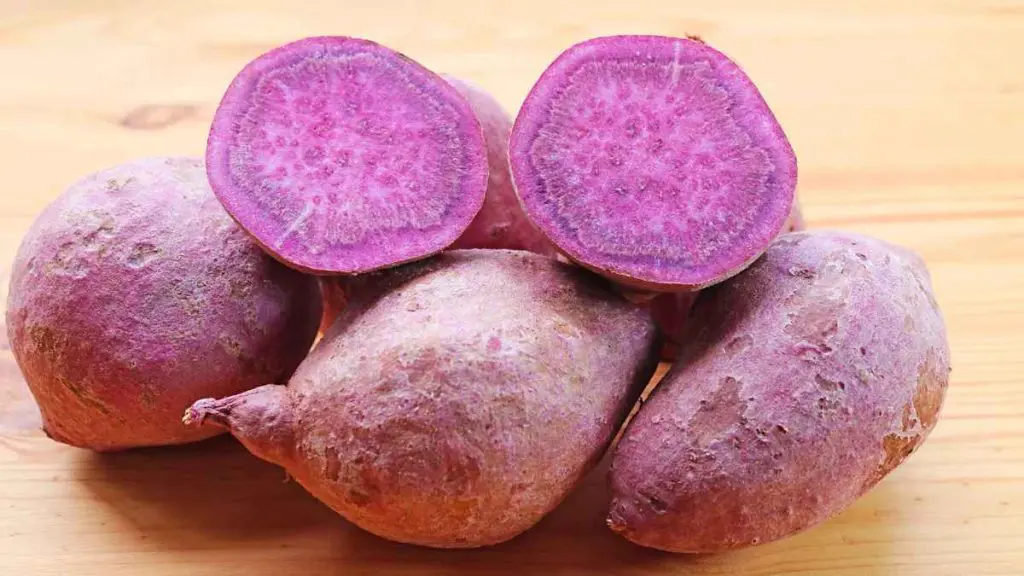
Purple-fleshed sweet potatoes, which may have purple, reddish, or tan skin, get their colour from anthocyanins, the same class of antioxidants found in blueberries, red cabbage, and purple carrots. The flavour is less sweet than orange-fleshed varieties, with an earthier, slightly nuttier profile. The texture varies by variety but tends to be drier and firmer than orange-fleshed sweet potatoes.
These are the least common type in Canadian grocery stores but turn up at specialty and Asian grocery stores, and at some farmers markets in Ontario and BC. The Stokes Purple and Okinawan are two of the varieties occasionally seen in Canada. Because the pigment is water-soluble, it will leach into cooking water if boiled, which is worth knowing before you plan a dish around the visual impact.
Best for: roasting (which preserves the colour better than boiling), specialty dishes where colour is part of the presentation, smoothies, and dishes where a drier, earthier flavour profile is welcome.
The Two Main Production Methods
Field-Grown
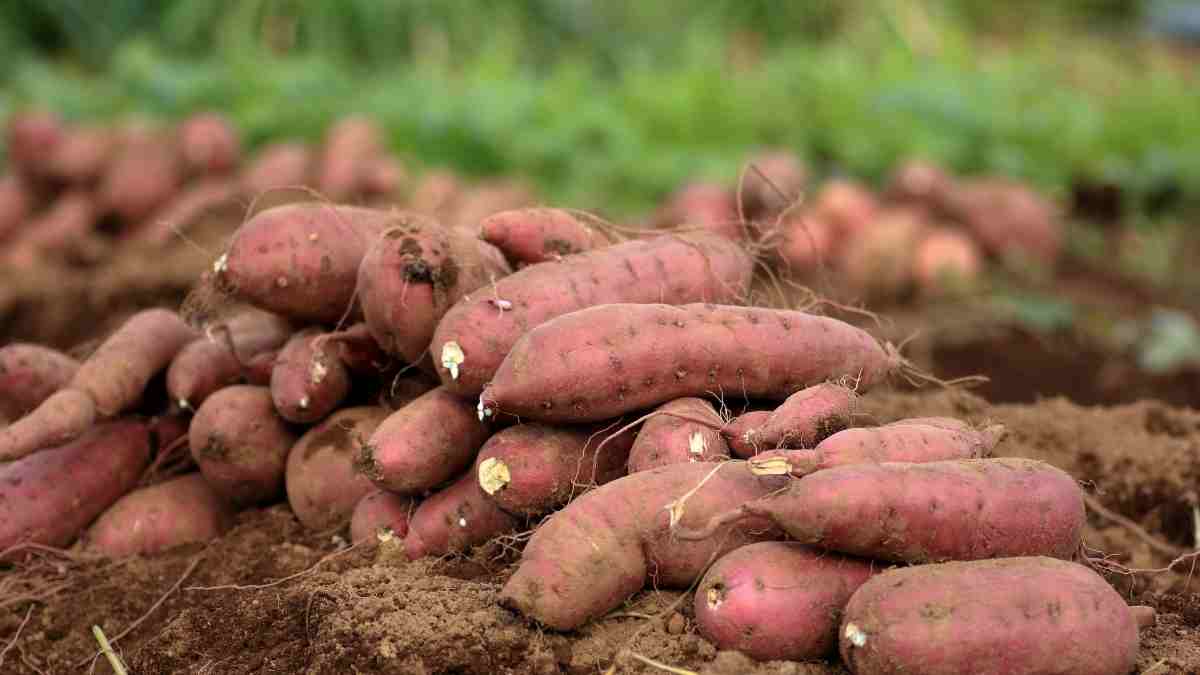
Virtually all commercially grown sweet potatoes in Canada are field-grown. Canadian farmers plant vine slips (vegetative cuttings imported from growers in North Carolina) into mounded, well-drained soil, typically in May or June, and harvest by hand in September and October. Black plastic mulch is widely used to warm the soil and extend the effective growing season in Canada’s shorter summers.
Field-grown sweet potatoes are harvested with thin, delicate skin that must be cured (a 7 to 10 day period in a warm, ventilated room) before the tougher skin shoppers see in stores develops. After curing, they can be stored for many months, and they continue to sweeten in storage as starches slowly convert to sugars.
The field-grown season means Canadian-origin sweet potatoes are most likely to appear in stores from October through February, with some supply extending further into spring from long-term storage. At other times of year, what you buy in most stores is imported, primarily from the United States.
Greenhouse-Grown
Unlike many other vegetables in the Canadian What’s in Season cluster, sweet potatoes are not grown in commercial Canadian greenhouses at any meaningful scale. The crop needs a long in-ground growing season and the warmth of open field conditions to develop properly. Some limited greenhouse propagation of sweet potato slips (the cuttings used for field planting) does exist in Canada, but sweet potatoes themselves are not a greenhouse crop here.
This means there is no year-round domestic greenhouse sweet potato supply equivalent to what exists for tomatoes, cucumbers, or peppers. The sweet potatoes available in Canadian stores outside the fall and winter storage window are imported.

How to Choose Sweet Potatoes by Use
Not sure which type to reach for? This quick reference covers the most common use cases.
Roasting and sheet pan meals: Orange-fleshed. The natural sugars caramelize beautifully at high heat, and the creamy interior pairs well with almost any protein or seasoning.
Mashing or as a side: Orange-fleshed. The moist, soft texture mashes easily and holds butter, cream, and seasoning well. White-fleshed varieties also mash, but the result will be firmer and less sweet.
Soups and purees: Orange-fleshed. The colour and creaminess make it the natural choice for a velvety sweet potato soup, bisque, or blended curry base.
Savoury grain bowls and curries: White or cream-fleshed, or orange-fleshed if you want more sweetness. White-fleshed holds its shape better in dishes with a sauce.
Baking (muffins, loaves, pie): Orange-fleshed. The moisture and natural sweetness reduce the amount of added sugar needed in most recipes.
Visual impact or specialty dishes: Purple-fleshed, roasted. The colour is striking when sliced and plated, though it requires roasting rather than boiling to preserve the pigment.
Where to Find Canadian Sweet Potatoes
Canadian-grown sweet potatoes are most reliably found at farmers markets in Ontario, Nova Scotia, BC, Quebec, and Manitoba during the fall season, typically from September through November. Some grocery retailers stock Canadian-origin sweet potatoes during this window, though labelling is not always consistent. Looking for a “Product of Canada” label is the most reliable indicator at the grocery store.
U-pick is not a common option for sweet potatoes the way it is for strawberries or apples, but some farms in Ontario’s Norfolk County and Nova Scotia’s Annapolis Valley sell directly at farmgate or through local markets during harvest season. Checking with your regional farmers market association is a good starting point. Outside the fall window, what you find at most major retailers will be imported product, primarily from the United States.
For more on where to buy, how to identify Canadian product, and how to shop by budget, see Seasonal Sweet Potatoes and Your Grocery Budget in Canada.
Additional Articles to Explore







 Easy Ways to Use Sweet Potatoes