
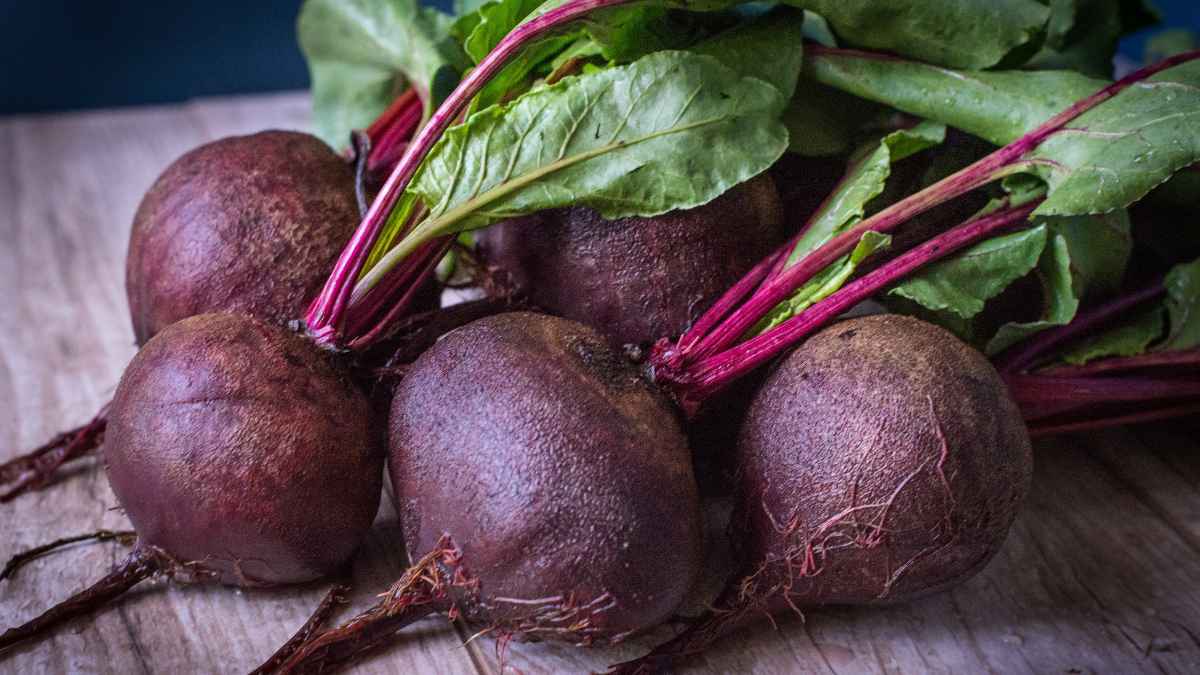
Beets are one of the best-storing vegetables you can bring home from a Canadian grocery store or farmers’ market, and a little know-how goes a long way toward stretching that storage life even further. Here is how to keep beets at their best in the fridge, freezer, and pantry, plus a simple way to use up beets before they go to waste.
Why Beets Store So Well
Beets are biennial root vegetables, meaning they are built to survive a full off-season underground before sending up flowers the following year. That natural ability to hold moisture and nutrients in a dense, thick-skinned root is exactly what makes beets so forgiving in storage compared to more delicate summer vegetables like cucumbers and tomatoes. It is also why Canadian growers can harvest beets in late summer and fall and still have good-quality product to sell well into winter. The vegetable itself is simply built for the long haul.
In the Fridge
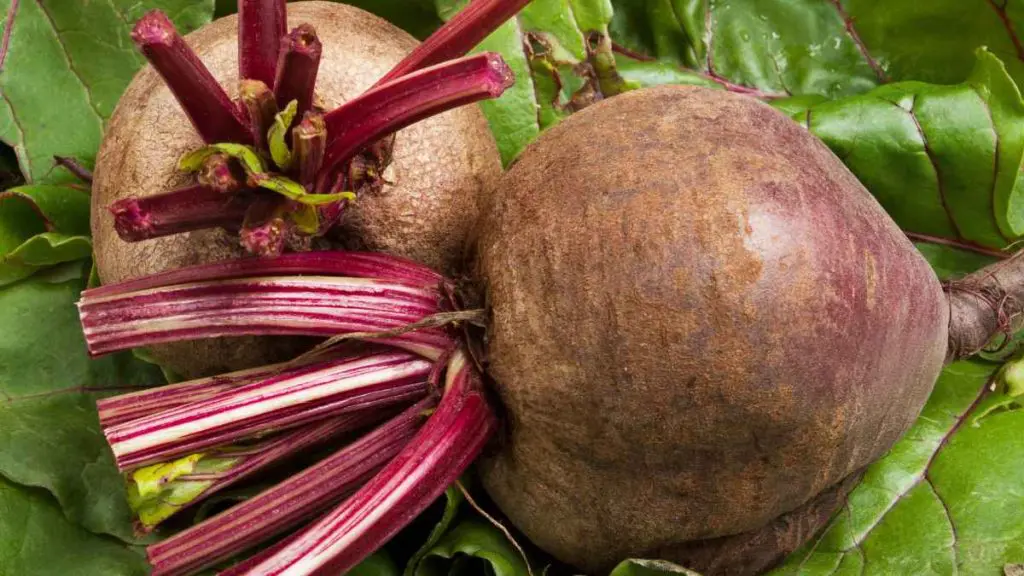
Beets keep well in the fridge for up to two weeks when stored properly. The key step is separating the greens from the root as soon as possible if you bought bunched beets: the leafy tops continue to draw moisture out of the root even after harvest, which shortens the root’s storage life. Trim the greens, leaving a short stem on the root, and store the beet roots in a loosely closed plastic bag in the crisper drawer. The greens themselves should be stored separately, ideally wrapped loosely in a damp paper towel inside a bag, and used within a few days, since they wilt much faster than the root. Beet greens can be sauteed in butter and garlic for a delicious side dish.
If you bought topped beets that already had the greens removed, simply transfer them to a loosely closed bag in the fridge; there is no need to do anything further before storing. Avoid washing beets before storing them, since extra surface moisture can encourage spoilage; save the scrubbing for just before you cook them.
In the Freezer
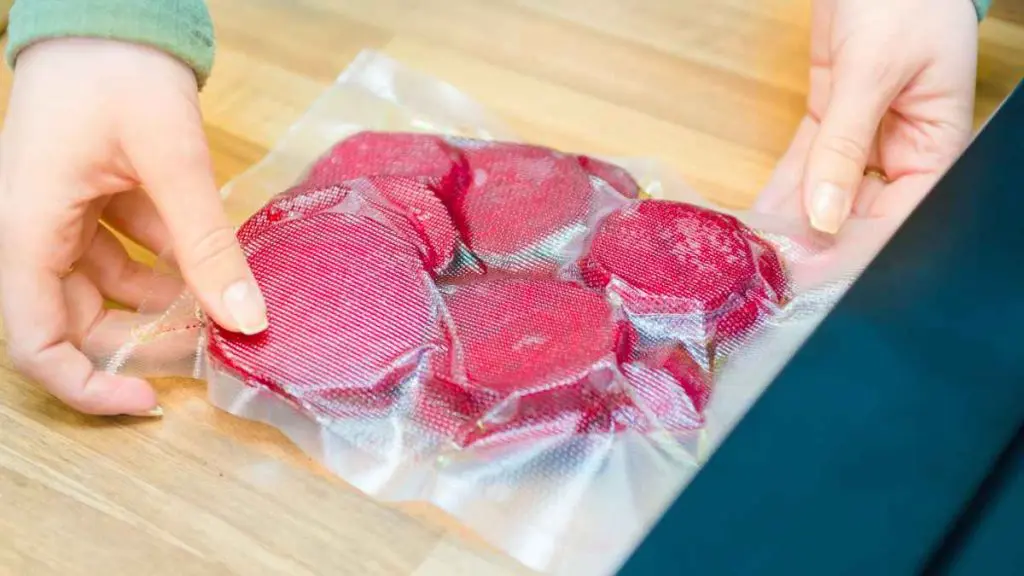
Raw beets do not freeze well: the texture turns watery and mushy once thawed, which makes them unappealing for most uses. Cooked beets, however, freeze beautifully and are a great way to bank a good batch for months. To freeze beets, wash and trim them, leaving about half an inch of stem, then boil or roast whole until tender. You want to leave that bit of stem on while cooking because cutting too close to the flesh opens a place for water-soluble vitamins and minerals to leak out into the cooking water or pan. Plus it helps contain the red juices from getting on hands and cutting boards. Once cool enough to handle, slip off the stem and skins, then slice or chop the beets as you like. Pack them into airtight containers or freezer bags, removing as much air as possible, and freeze for up to a year. Cooked, frozen beets thaw quickly and can go straight into soups, salads, or a quick reheated side dish.
Beet greens can also be blanched and frozen, much like spinach or chard, if you have more than you can use up fresh. Blanching for about a minute in boiling water, then plunging into ice water before freezing, helps preserve their colour and texture.
In the Pantry or Root Cellar
Because of their dense structure and thick skin, beets are naturally well-suited to longer-term cold storage, which is part of why Canadian-grown beets stay available on store shelves well past the late-summer and fall harvest window. If you have a cool, humid storage space, such as a root cellar or an unheated basement room that stays just above freezing, unwashed, untrimmed beets (greens removed but a little soil left on) can keep for months packed loosely in a container with a bit of damp sand or peat to maintain humidity. This is the same basic principle commercial growers rely on when they hold beets in cold storage to extend the season into winter. A standard kitchen pantry, by contrast, is generally too warm for long-term beet storage; the fridge is the more practical option for most households without a dedicated cold room.
Signs a Beet Has Gone Past Its Best
A fresh beet should feel firm and heavy for its size. As beets age, they may soften, shrivel slightly, or develop a wrinkled skin; the greens, if attached, will wilt and yellow well before the root itself is a problem. Soft spots, an off smell, or visible mould are signs the beet should be discarded. A beet that has only gone slightly soft or rubbery, without any off odour or mould, can often still be cooked and used in soup or purée, even if it is no longer ideal for roasting or eating raw.
A Simple Way to Use Up Softening Beets
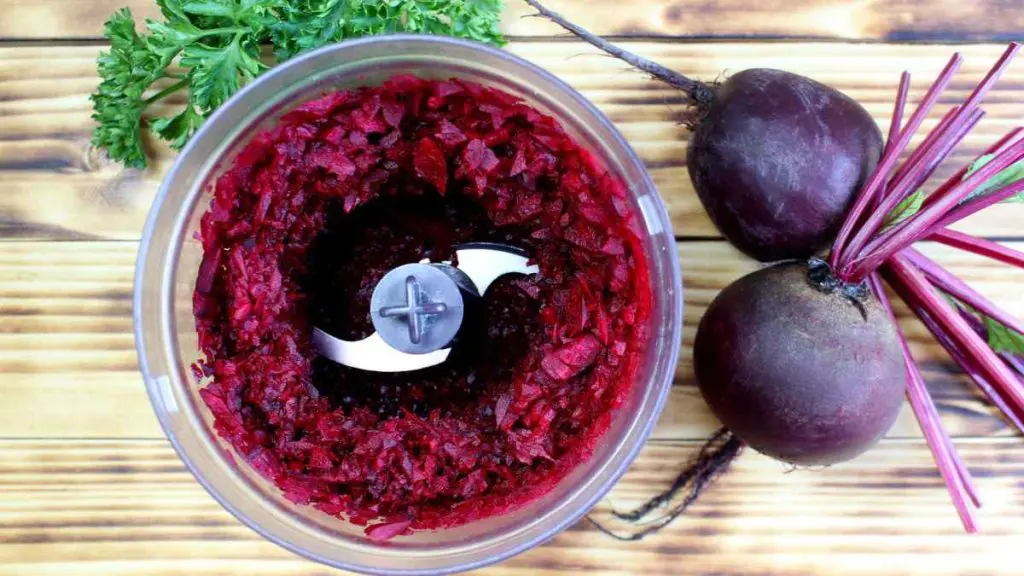
If you have beets that are starting to soften and look like they will not last much longer raw, do not toss them. Boil them until tender, slip off the skins once cool, and blend the cooked beets into a smooth purée, adding a little water if needed to loosen the blender. This purée can be stirred into risotto for colour and earthy depth, folded into chocolate cake batter (beets pair surprisingly well with chocolate), or simply frozen in an airtight container for up to two months for later use. It is a practical, low-effort way to avoid sending softening beets to the compost bin, and it works just as well for beets that have already been cooked and are sitting in the fridge unused.
For more ways to use beets fresh, see Easy Ways to Use Beets, and for guidance on choosing the freshest beets at the store, see Canadian Beet Varieties: Taste, Texture and Best Uses. For the full picture of when Canadian beets are in season, see What’s in Season? Beets, or browse other What’s in Season topics.
Additional Articles to Explore









 Seasonal Beets and Your Grocery Budget in Canada