
Beets are not a vegetable Canadians shop for by variety name the way they might shop for a specific apple or potato. Walk into most grocery stores or farmers’ markets and you will find a small handful of types, distinguished mainly by colour and how messy they are to work with, plus a choice between beets sold with their leafy greens still attached and beets sold topped and loose. Here is what actually shows up at Canadian retail, what each type is best suited for, and how to choose the right one for what you are cooking.
The Main Types of Beets
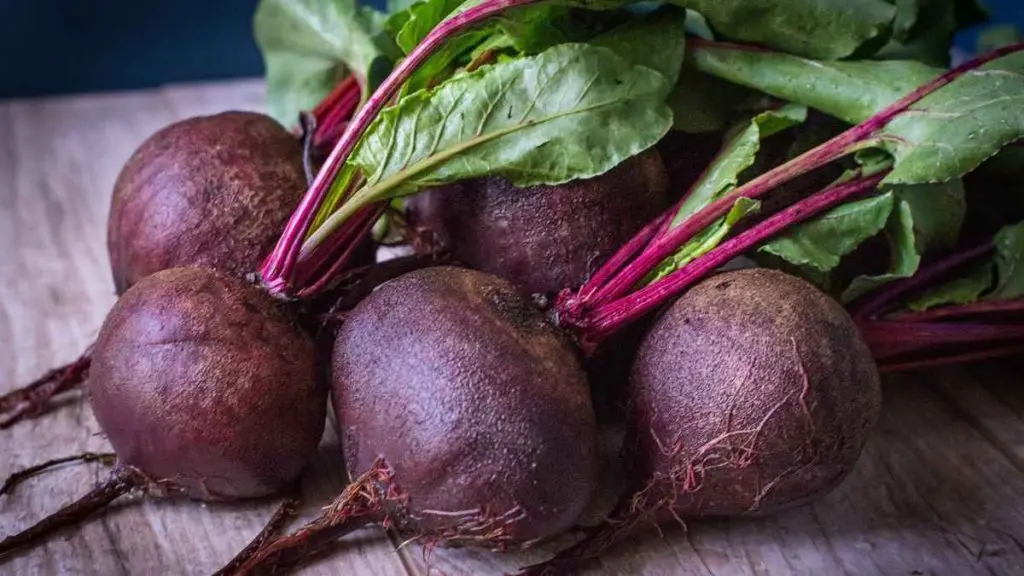
Red Beets
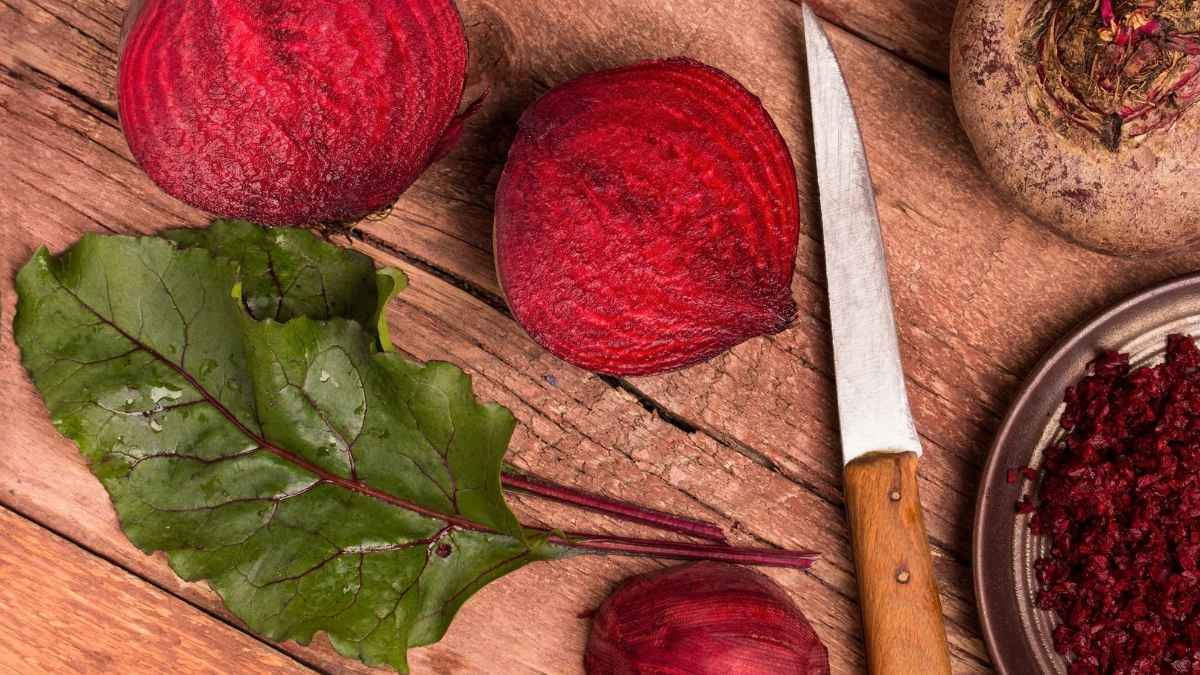
Red beets are the everyday default and the type most people picture when they hear the word “beet.” They have a deep crimson colour, an earthy sweetness, and a firm texture that holds up well to roasting, boiling, and pickling. The flavour is the most assertively “beet-like” of the common types: sweet, slightly mineral, and unmistakable in a bowl of borscht. Their one drawback is that the same pigment that gives them their colour, anthocyanin, will stain cutting boards, hands, and anything porous it touches, so a dedicated cutting board or a quick wipe-down right after cooking goes a long way.
Best for: Borscht, roasting, pickling, and any dish where you want that classic deep red colour and the most traditional beet flavour.
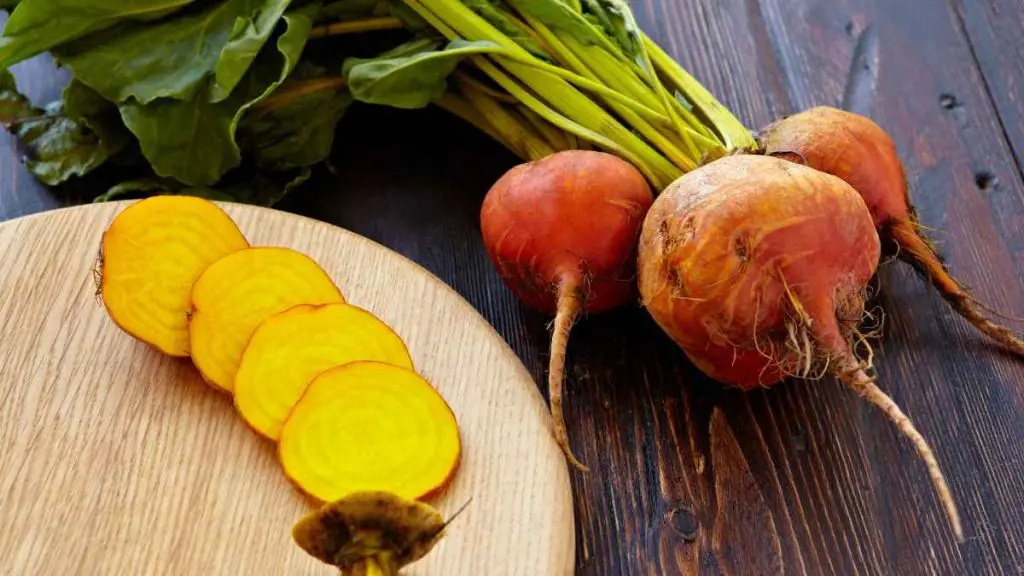
Golden or Yellow Beets
Golden beets have a milder, slightly less earthy flavour than red beets, with a touch more sweetness and less of the mineral edge. They will not bleed onto everything else on your plate or cutting board, which makes them a practical choice for salads, grain bowls, or any dish where you want to layer beets with other colourful ingredients without everything turning pink. Some of their yellow-orange hue comes from beta-carotene, the same pigment family found in carrots and sweet potatoes. Golden beets also tend to taste slightly sweeter once roasted, since roasting concentrates their natural sugars.
Best for: Salads, roasted vegetable medleys, and dishes where you want colour variety without the staining.
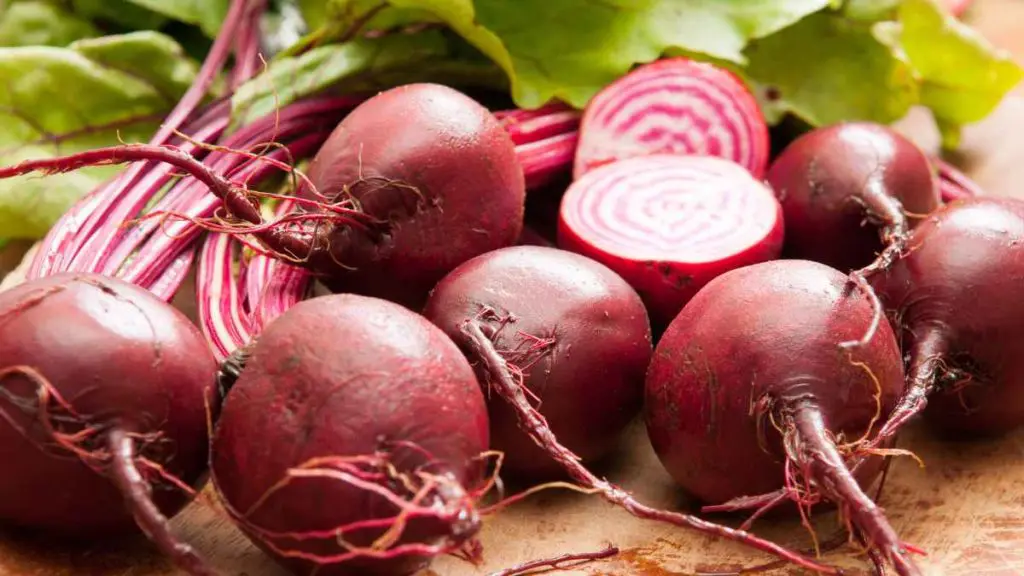
Chioggia Beets
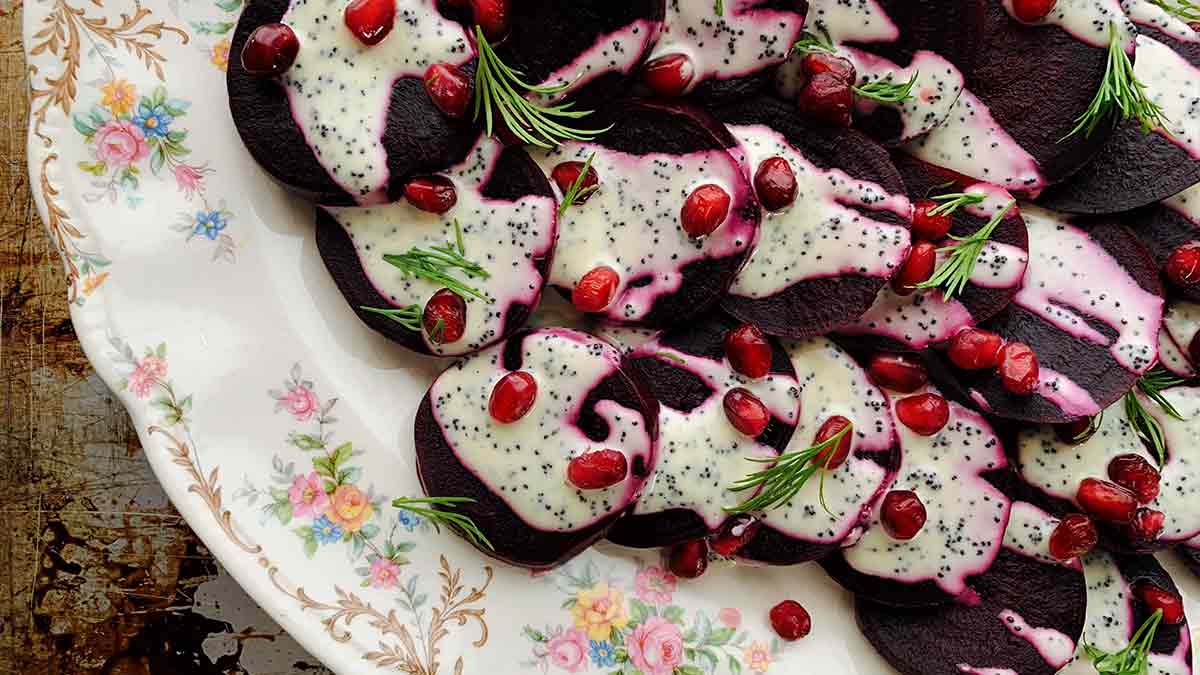
Also called candy cane beets, Chioggia beets have a striking pink-and-white striped interior that is best appreciated raw or very thinly sliced, since the pattern fades and the colours blend together somewhat with cooking. Their flavour is mild and slightly sweeter than red beets, with less of the earthy intensity, which makes them an easy entry point for anyone who finds red beets too strong. Because their visual appeal is part of the draw, Chioggia beets are most often used where they will actually be seen: thin raw shavings on a salad, a quick pickle, or a garnish.
Best for: Raw salads, thin shavings, quick pickles, and dishes where you want a visually striking, mild-flavoured beet.
A Note on Sugar Beets
You may occasionally see “sugar beets” mentioned alongside table beets, but they are a different crop entirely. Sugar beets are grown mainly in Alberta and Ontario and processed exclusively into sugar; they are never sold as a fresh vegetable, and they look quite different from table beets in the field, with a larger, paler, more conical root bred for sugar content rather than flavour or texture. The Canadian Sugar Beet Producers Association represents growers of this separate, industrial crop, which supplies Canada’s only domestic source of beet sugar. If you are shopping for something to roast, boil, or toss in a salad, sugar beets are not it.
Learn more about how sugar beets are grown in Canada.
Bunched vs. Bulk: How Beets Reach Canadian Stores
Because beets are not a Canadian greenhouse crop the way tomatoes, peppers, and cucumbers are, the more useful distinction for shoppers is not field versus greenhouse, but how the beet was harvested and prepared for sale.
Bunched Beets
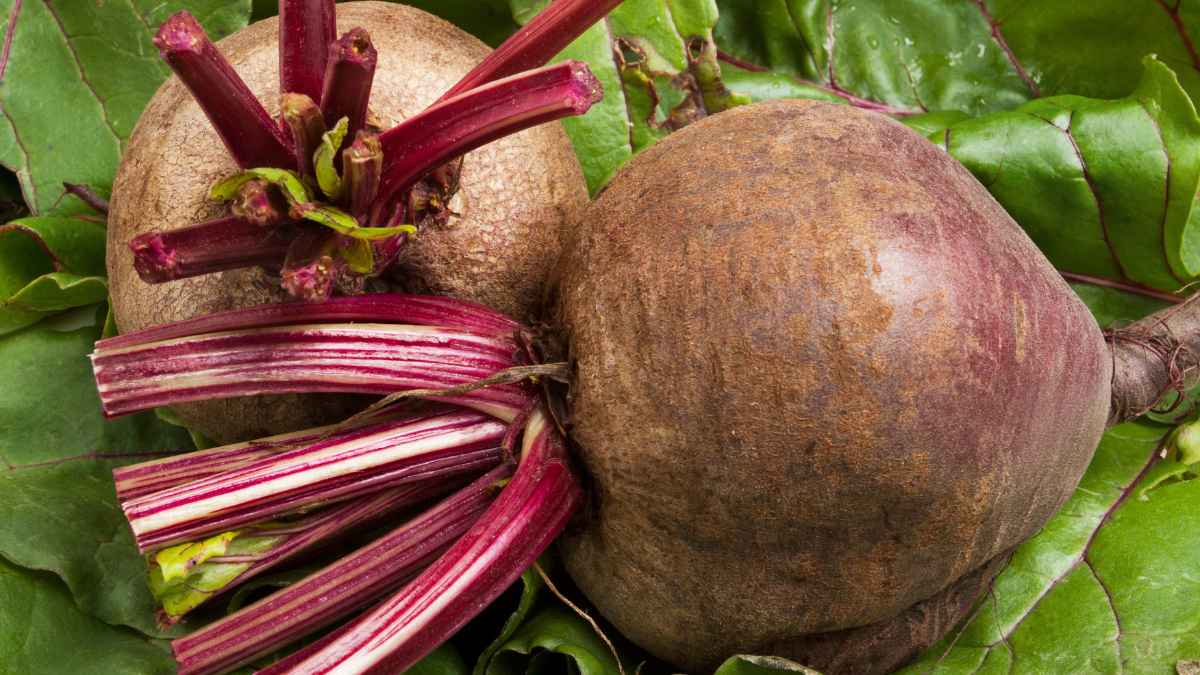
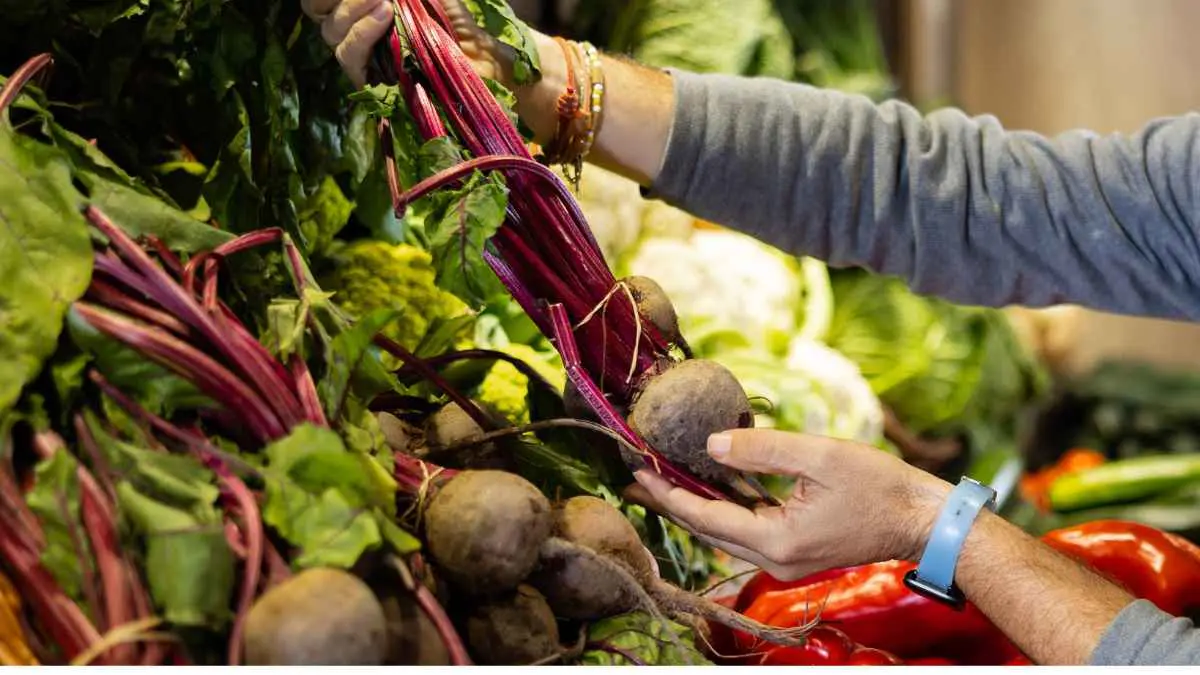
Early and mid-season, beets are commonly sold bunched, meaning several roots are tied together with their leafy green tops still attached. Bunched beets are usually a sign of recent harvest, since the greens wilt noticeably faster than the root and growers have less incentive to leave them on once beets head into longer storage. Buying bunched beets gets you two vegetables for the price of one: the root for roasting or boiling, and the greens for sautéing or adding to soup. The greens themselves are worth treating as a bonus ingredient rather than a discard; they cook down quickly and taste similar to chard, with a slightly earthier note.
Best for: Shoppers who want the freshest possible beet, plan to use the greens too, and are buying during the late-summer and early-fall harvest window.
Bulk or Topped Beets
Once the fresh, bunched season winds down, most beets sold in Canada are topped (greens removed) and sold loose or bagged. This is the standard format for beets pulled from cold storage through fall and winter, and it does not indicate lower quality. Topped beets are simply prepared for a longer shelf life. Removing the greens early on prevents them from drawing moisture out of the root, which helps the beet stay firm in storage for months. Because they are stored in volume and sold over a longer window, topped beets are also often the more competitively priced option.
Best for: Everyday cooking through fall and winter, and stocking up since these tend to be the more shelf-stable, often better-value option.
Working with Beet Greens
If you buy bunched beets, do not toss the tops. Beet greens are a genuinely good vegetable in their own right, with a flavour similar to Swiss chard and a texture that softens quickly once cooked. A quick rinse to remove any field grit, followed by a few minutes sautéed in oil with garlic, is usually all they need; the thicker stems can be chopped finely and cooked a minute or two longer than the leaves themselves. Wrap full leaves around bread dough and bake them to top with dill and onion sauce and you’ve got yourself a Ukrainian Beetnik.
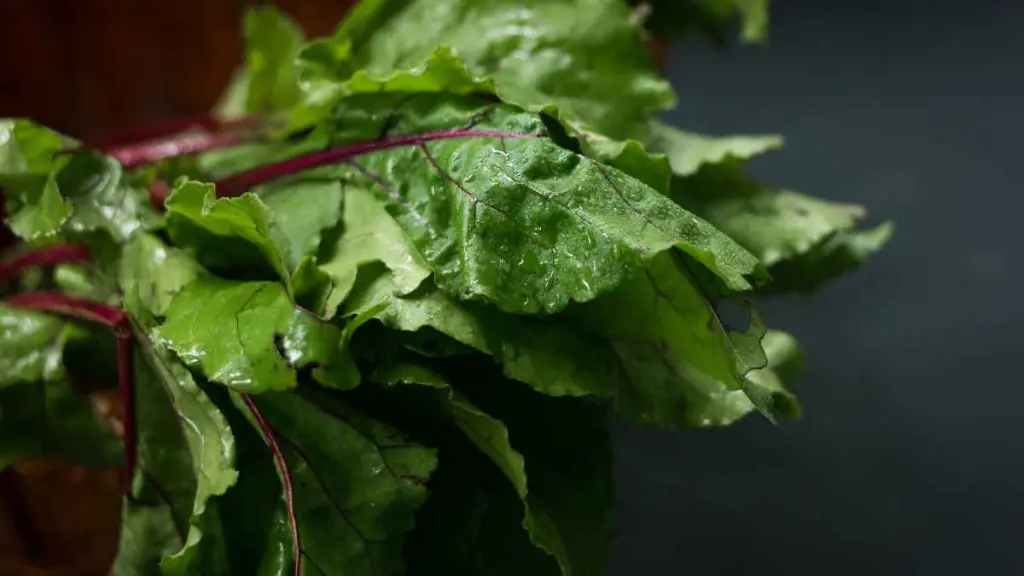
Beet greens also work well stirred into soup near the end of cooking, including in borscht alongside the root. If you are not ready to use the greens right away, trim them from the root and store them separately in the fridge, since they wilt faster than the beet itself and will only shorten the root’s storage life if left attached.
Quick Comparison at a Glance
Red beets offer the most traditional flavour and colour but the most staining. Golden beets offer a milder, sweeter taste with no staining, making them the easiest type to cook with on a weeknight. Chioggia beets offer the mildest flavour and the most visual interest, best enjoyed raw because their signature stripes fade in the pot. Bunched beets offer freshness and a bonus vegetable in the greens, while bulk or topped beets offer better value and a longer shelf life once the fresh season has passed.
How to Choose by Use
If you are making borscht or want that classic deep red colour and traditional flavour, reach for red beets. If you are building a salad and want to avoid pink-stained lettuce and hands, golden beets are the safer choice, especially for entertaining when presentation matters. If you want a beet that looks impressive raw and sliced thin, perhaps for a holiday platter or a salad meant to be the centrepiece, Chioggia is worth seeking out. If you are buying beets with the greens in mind, such as for a soup that uses both root and leaves, look for bunched beets while they are available. And if you simply want the best value and longest shelf life for everyday weeknight cooking, topped beets from storage are a reliable, budget-friendly option for most of the fall and winter.
Where to Find Canadian Beets
Canadian-grown beets are widely available at grocery stores, farmers’ markets, and through farm-direct sales, particularly from Ontario and Quebec growing regions such as the Holland Marsh, where the area’s dark, rich soil supports a range of root vegetables alongside beets. Look for “Product of Canada” or province-of-origin labelling, and check in with your local farmers’ market for bunched beets during the late-summer and fall harvest window. For more on when Canadian beets are in season and how the crop is grown, see the What’s in Season? Beets overview, or explore other What’s in Season topics.
Additional Articles to Explore








 How to Preserve Food at Home Safely