
Beets rarely get credit as a budget vegetable, but they deserve it. Between their typically modest price, their long shelf life, and the fact that one purchase can give you two vegetables in one (the root and the greens), beets are one of the more cost-effective additions to a Canadian grocery cart, especially from late summer through winter.
Why Beets Tend to Be Affordable
Beets are a sturdy field crop grown at meaningful volume in Ontario and Quebec, and their excellent storage life means growers and retailers are not racing against the clock the way they are with more delicate produce. According to Agriculture and Agri-Food Canada, Canadian beet production is about 50,000 tonnes a year, a steady supply that helps keep prices reasonable across most of the year. Because beets can be held in cold storage for months without significant quality loss, retailers can sell Canadian-grown beets through fall and winter without relying on costlier imported alternatives, which can help keep prices more stable than for vegetables with a short, narrow harvest window.

How Beets Compare to Other Storage Vegetables
Beets belong to the same general category as carrots, cabbage, and potatoes: hardy, field-grown vegetables that store well and tend to anchor a budget-conscious produce section through the colder months. Like those vegetables, beets are typically priced lower per kilogram than delicate, short-season produce such as berries or leafy greens, simply because the crop is easier to grow at volume and easier to hold without spoilage. If you already build winter meals around carrots, cabbage, or potatoes, beets are a natural, similarly priced addition to that same root-cellar style of cooking.
Bunched vs. Bulk: A Price and Value Trade-Off
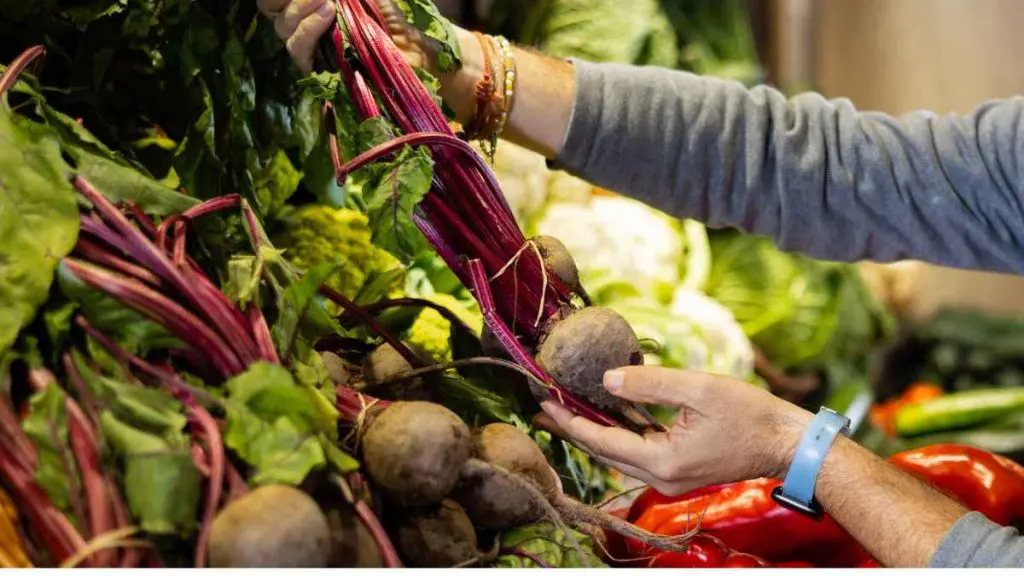
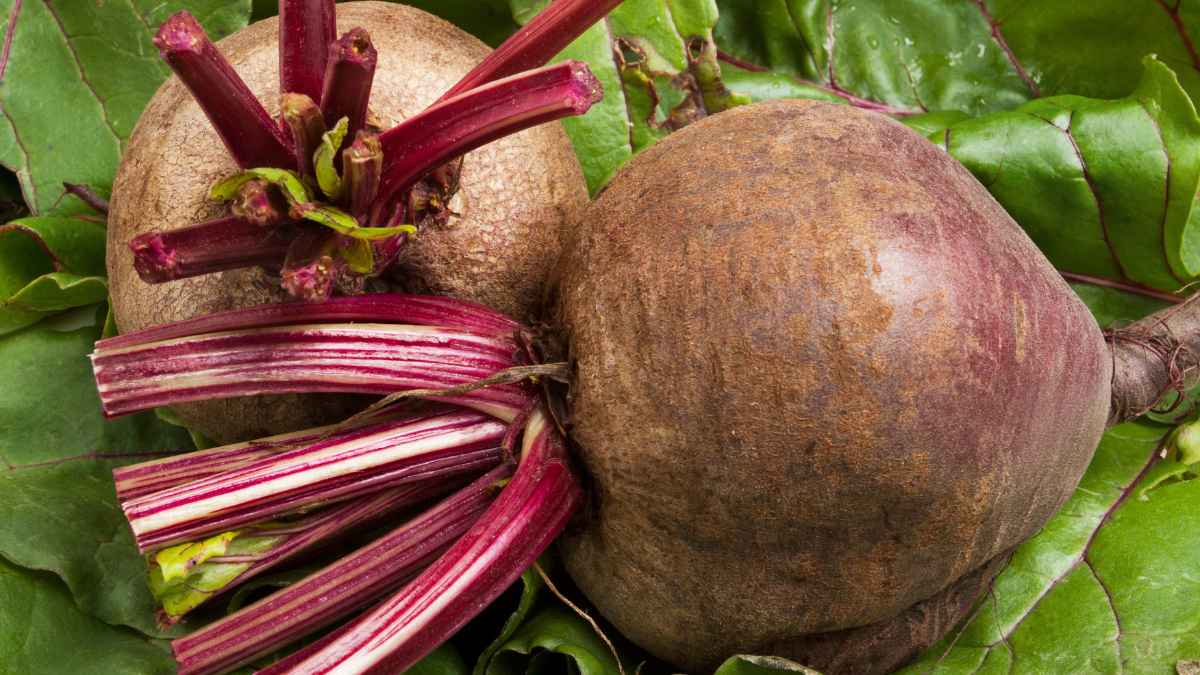
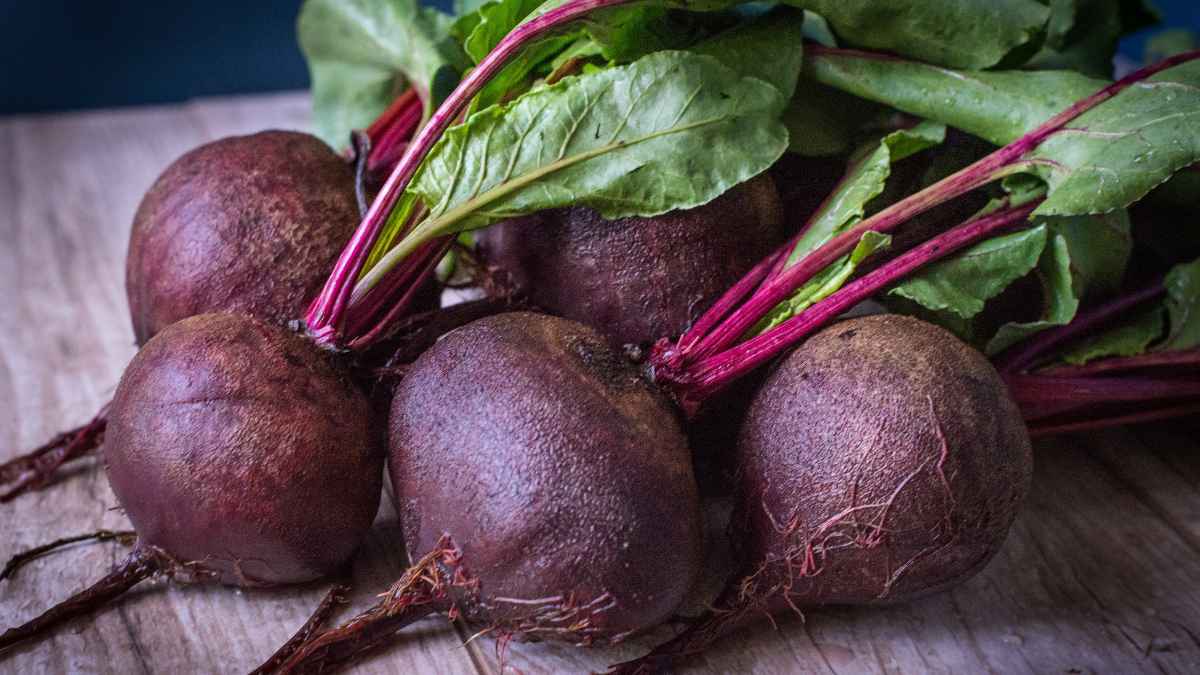
Bunched beets, sold with their greens attached, are typically available earlier in the season and can come at a slightly higher price, partly because they require more careful handling and have a shorter shelf life. They do, however, give you two vegetables in one purchase: the root and the greens. Bulk or topped beets, sold loose or bagged once the fresh season tapers off, are usually the better straightforward value, since they store longer and are typically sold in larger, more economical formats. If your goal is stretching a grocery budget, buying topped beets in bulk and cooking them in batches is usually the more economical route; if you want the bonus greens and do not mind paying a little more, bunched beets are worth it.
Getting the Most Out of One Bunch or Bag
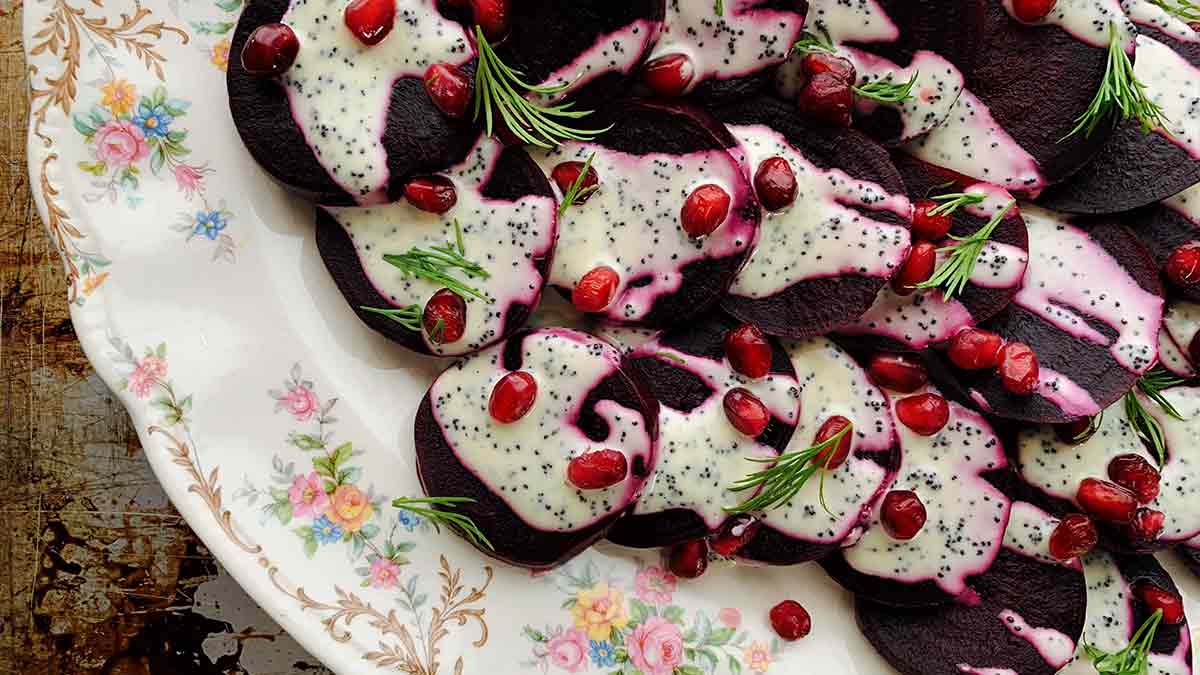
A single beet, root and greens together, can realistically contribute to two separate meals. Roast or boil the roots for one dish, such as a salad or side, and sauté the greens separately for another, treating them like a quick side of chard or spinach. This kind of full-vegetable use is one of the simplest ways to reduce food waste and get more value out of every dollar spent on produce.
Buying beets when they are in peak season and storing them properly, whether in the fridge for a couple of weeks or frozen after cooking for up to a year, is another straightforward way to take advantage of favourable pricing. If you spot a good price on beets during the fall harvest window, boiling or roasting a larger batch and freezing the cooked beets in portions means you can enjoy that value through the winter without needing to buy fresh, higher-priced produce as often.
Stretching Beets Across the Week
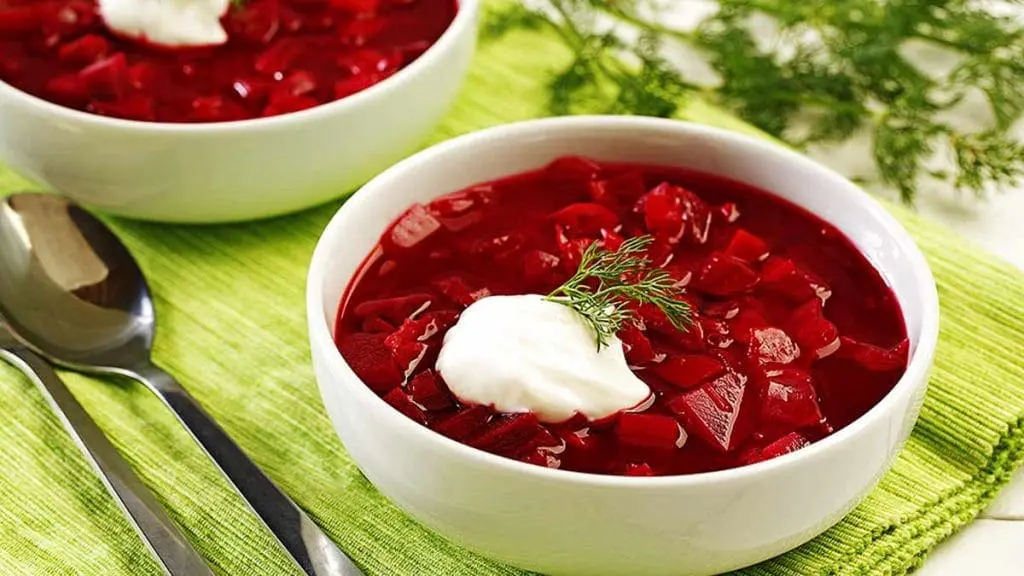
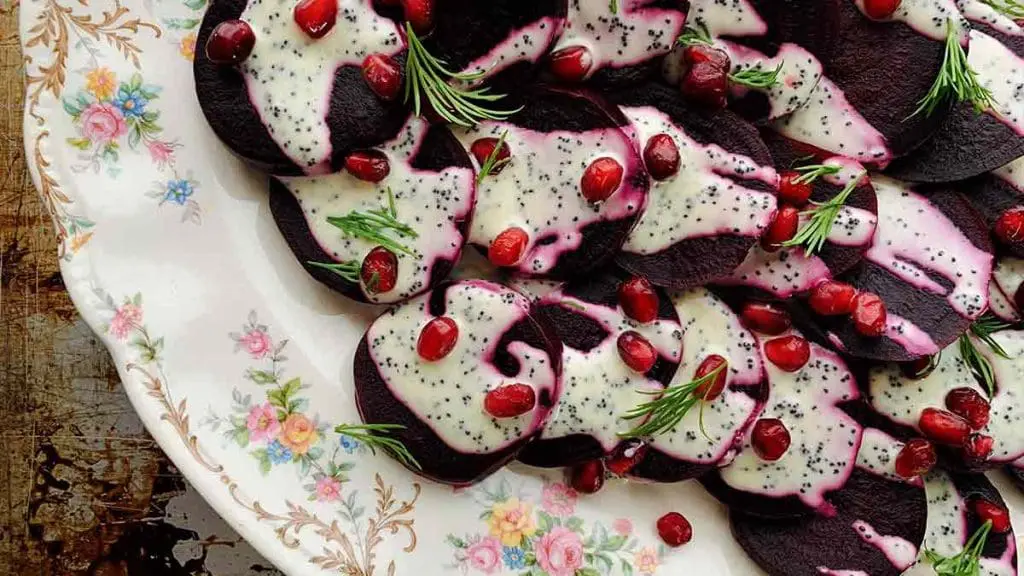
Because cooked beets keep well in the fridge for several days and freeze well for much longer, batch-cooking a larger quantity at once is an efficient way to get more meals out of one purchase. A single batch of roasted beets can become a salad one night, a tasty side dish another night, and a blended addition to soup later in the week. Borscht in particular is a budget cook’s best friend: a single pot built around beets, carrots, cabbage, and potatoes can feed a family for several meals at a fraction of the cost of many protein-centred dinners. This kind of batch cooking also reduces the energy and time spent on small, repeated cooking sessions, which is a less obvious but real part of the value beets offer.
Frozen Beets as a Budget Tool
Because cooked beets freeze so well, buying a larger quantity while prices are favourable and freezing portions for later is a practical way to manage a grocery budget across the season. Unlike many vegetables that lose meaningful texture or flavour when frozen, cooked beets hold up well, which means there is little quality trade-off involved in stocking up. This makes beets a useful vegetable to buy in bulk during the fall storage-crop window, when supply is highest, rather than purchasing smaller quantities more frequently.
Reducing Waste, Reducing Cost
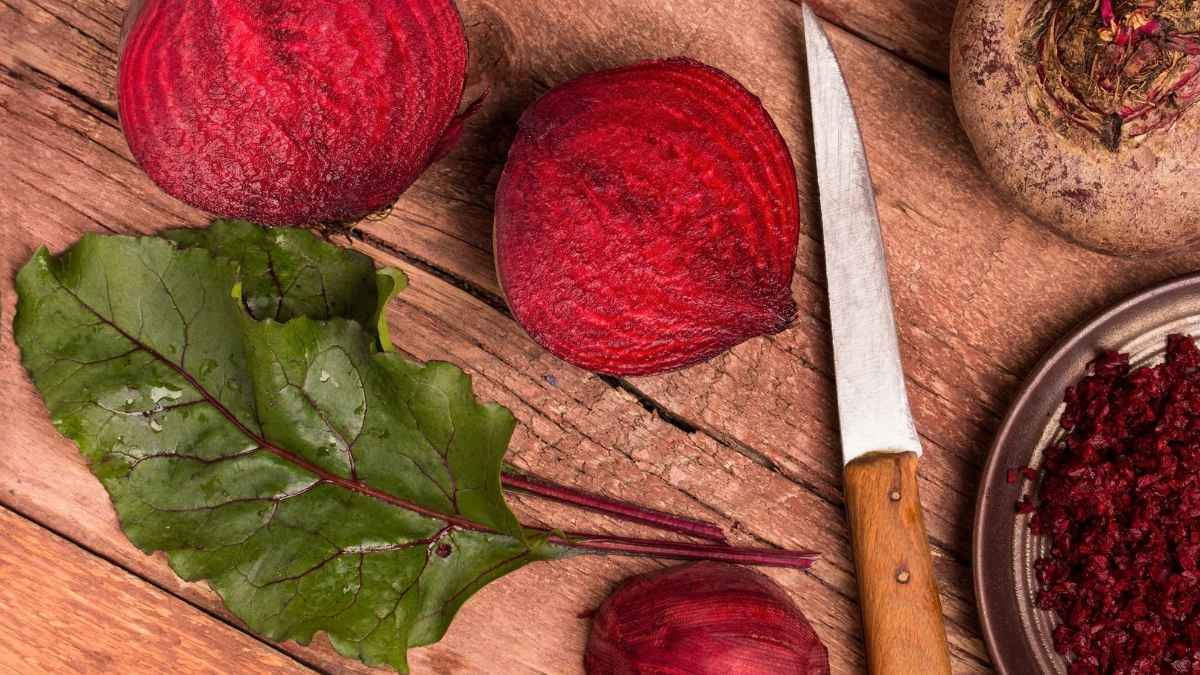
Beets are naturally low-waste: the skin is thin enough to eat in many preparations, the greens are edible and nutritious rather than a throwaway, and softening beets can still be cooked down into a purée rather than discarded. Treating the whole vegetable, root and greens together, as useful rather than treating the greens as a garnish-only afterthought is one of the simplest ways to get full value out of every beet you buy. For more on storing beets to avoid waste, see How to Store Beets to Cut Food Waste, and for cooking ideas that make use of the whole vegetable, see Easy Ways to Use Beets.
For the full picture of when Canadian beets are in season and most likely to be at their best price, see What’s in Season? Beets, or browse other What’s in Season topics.
Additional Articles to Explore







 Canadian Beet Varieties: Taste, Texture and Best Uses