
Beets have a reputation for being a one-trick vegetable, pickled and not much else, but that undersells them. Here are simple, approachable ways to cook beets, plus a couple of our favourites worth trying.
Roasting
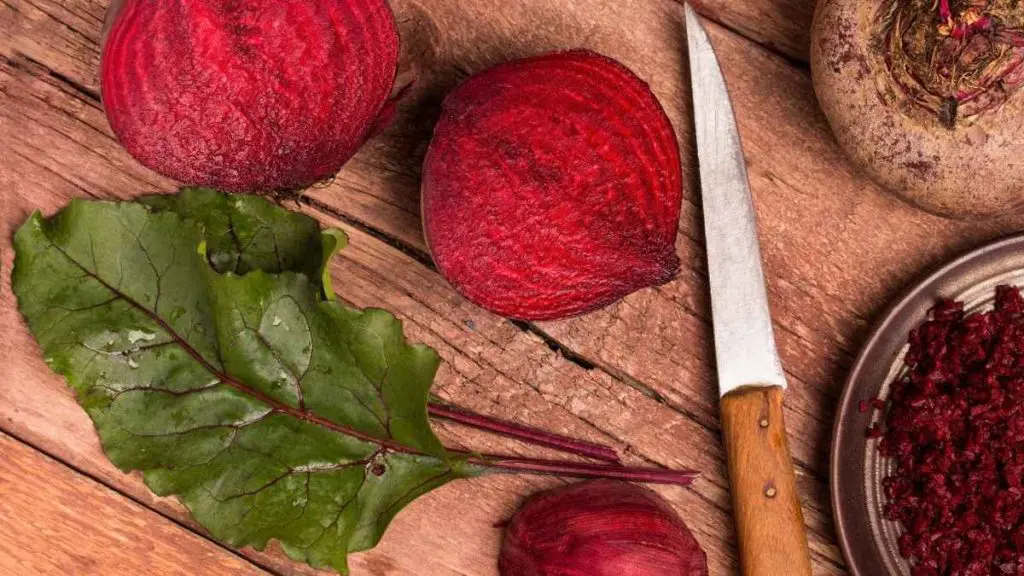
Roasting is the easiest way to bring out a beet’s natural sweetness. Scrub the beets, trim the tops, and either leave them whole, wrapped loosely in foil, or cut into chunks tossed with a little oil. Roast at a high heat, around 375 to 400°F, until tender, which usually takes 30 to 45 minutes depending on size. Whole roasted beets can be peeled once cool enough to handle, since the skins slip off easily after roasting. Try tossing roasted beet chunks with fresh herbs, a drizzle of vinegar, or crumbled cheese for an easy side dish. Roasting a large tray at once is an efficient way to have cooked beets ready for several meals through the week.
Boiling
Boiling is the classic method, and it is hard to beat for simplicity. Cover whole, unpeeled beets with water, add a pinch of salt, bring to a boil, then reduce to a simmer and cook until a knife slides in easily, usually 45 minutes to an hour depending on size. Once cooked and cooled, the skins peel off easily. Boiled beets, sliced and chilled, are the base of countless simple salads, and the cooled cooking water itself takes on a deep red colour that some cooks save to use as a natural addition to soups or even baking.
Raw and Shredded
Beets do not have to be cooked at all. Peeled and grated or shredded raw, beets add crunch, colour, and a slightly earthy sweetness to slaws and grain bowls. Chioggia beets in particular are popular eaten raw, since their striped interior is most visible before cooking. A simple raw beet slaw with a light vinaigrette is a quick, no-cook way to work beets into a meal, and shredded raw beet also blends easily into smoothies for anyone looking to add a vegetable without changing the flavour too dramatically.
Cooking with the Greens
If you have bunched beets, the greens are worth cooking too. Rinse well to remove any grit, then sauté in a little oil with garlic, much as you would spinach or chard. The thicker stems can be chopped and cooked a couple of minutes longer than the leaves. Beet greens also work well stirred into soup near the end of cooking, or wilted down and folded into an omelette or frittata for a quick breakfast use.
Try these Sauteed Beet Greens from SpendWithPennies.com or Ukrainian Beetniks.
Flavour Pairings Worth Trying
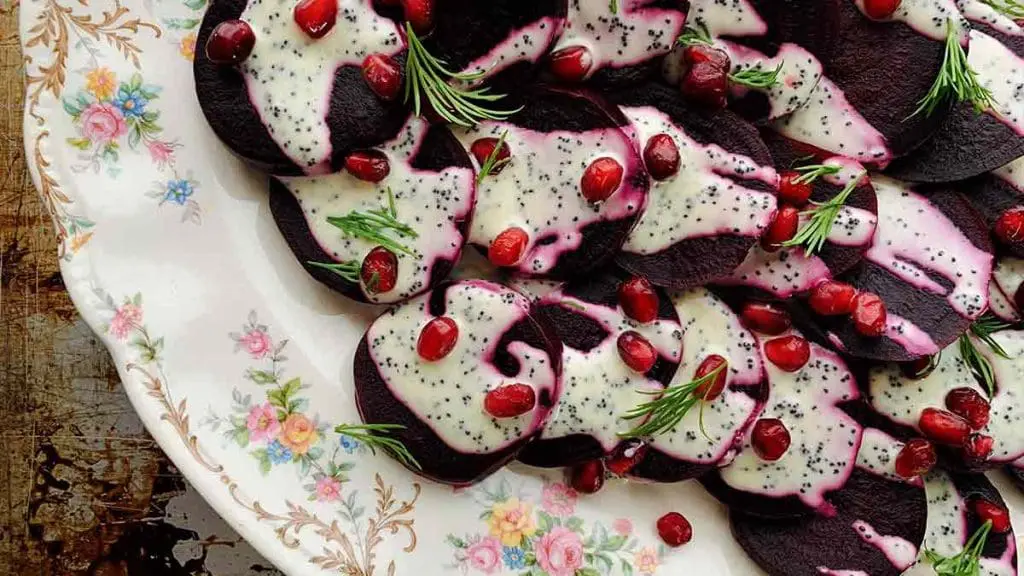
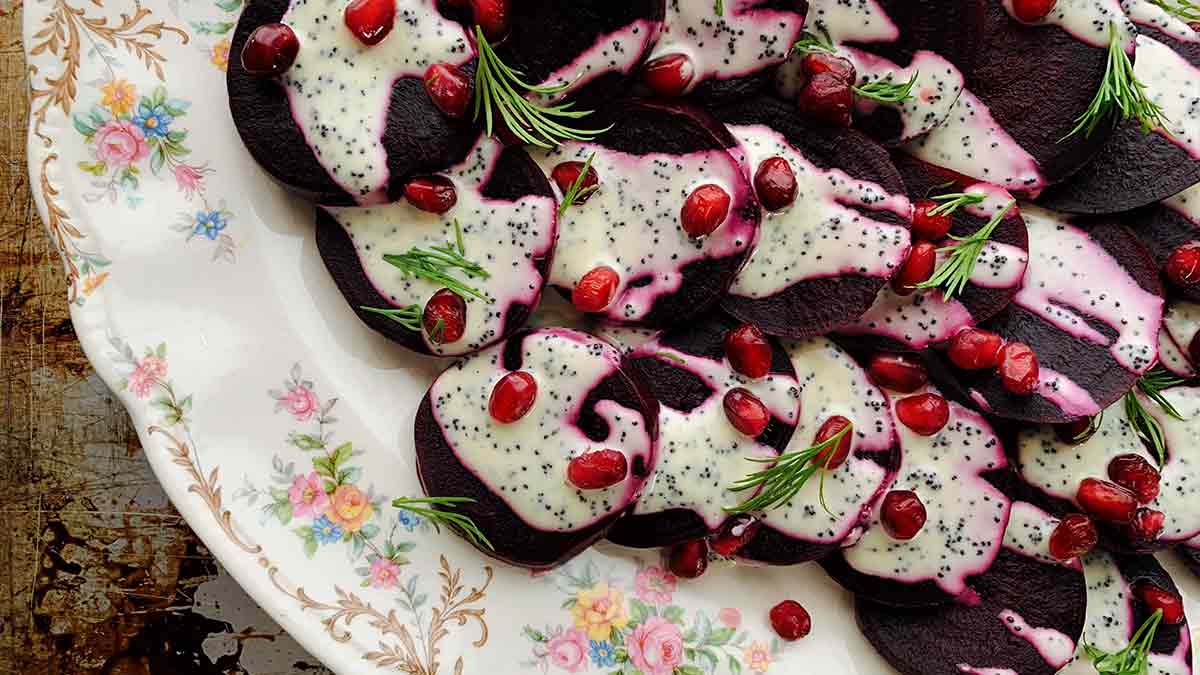
Beets pair especially well with a handful of ingredients that balance their earthy sweetness. Citrus, particularly orange or lemon, brightens beets and cuts through their richness. This Beet and Pomegranate Salad with Lemon Poppy Seed Dressing is a potluck crowd pleaser. Goat cheese or feta add a tangy contrast that works well in both warm and cold beet dishes. Fresh dill is the classic pairing in Eastern European cooking, especially in borscht, while walnuts or pumpkin seeds add useful crunch to a beet salad. Balsamic vinegar is another reliable match, helping round out the vegetable’s natural sweetness.
Borscht: The Classic
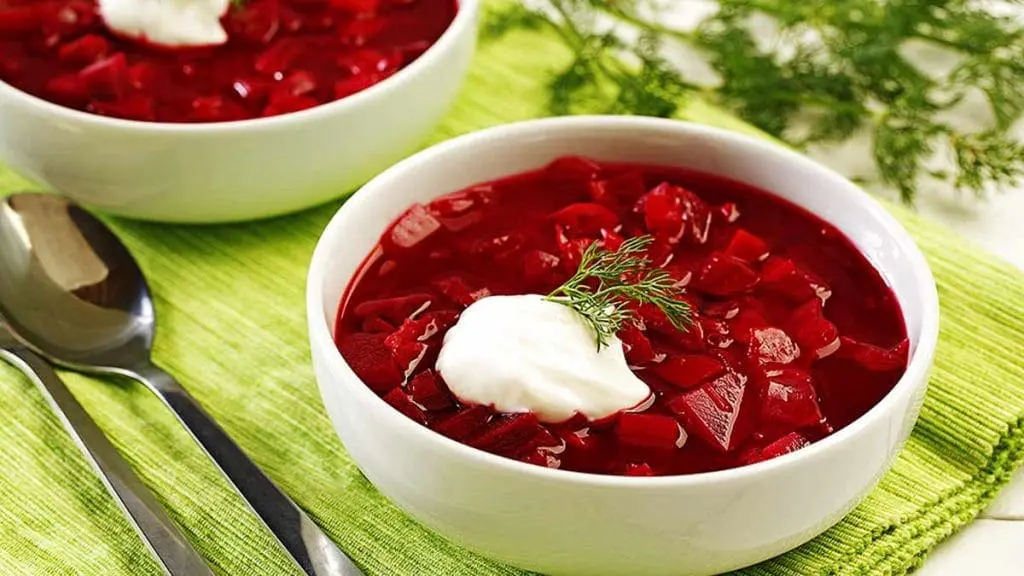
No discussion of beets is complete without borscht, the hearty Eastern European soup built around beets, often with cabbage, carrots, and potatoes. Try Healthy Borscht, a meatless version that makes good use of carrots and cabbage alongside the beets, finished with fresh dill and parsley.
Pickling
Pickled beets remain a Canadian classic for good reason. A simple vinegar brine with a touch of sugar and spice turns boiled beets into a tangy, long-lasting condiment that pairs well with everything from sandwiches to charcuterie boards. Pickled beets also keep well in the fridge for weeks, making them a convenient make-ahead item to have on hand.
Make-Ahead Tips
Because cooked beets keep well in the fridge for several days, batch-cooking a tray of roasted or boiled beets at the start of the week makes it easy to build quick meals later on: toss a portion into a salad one night, a grain bowl the next, and stir the rest into soup later in the week without starting from scratch each time.
For more on choosing the right type of beet for each of these preparations, see Canadian Beet Varieties: Taste, Texture and Best Uses, and for storage tips that help you keep beets ready to cook, see How to Store Beets to Cut Food Waste. For the bigger picture on Canadian beet season, see What’s in Season? Beets, or browse other What’s in Season topics.
Additional Articles to Explore







 How to Store Beets to Cut Food Waste