
Are beets and beet greens both edible?
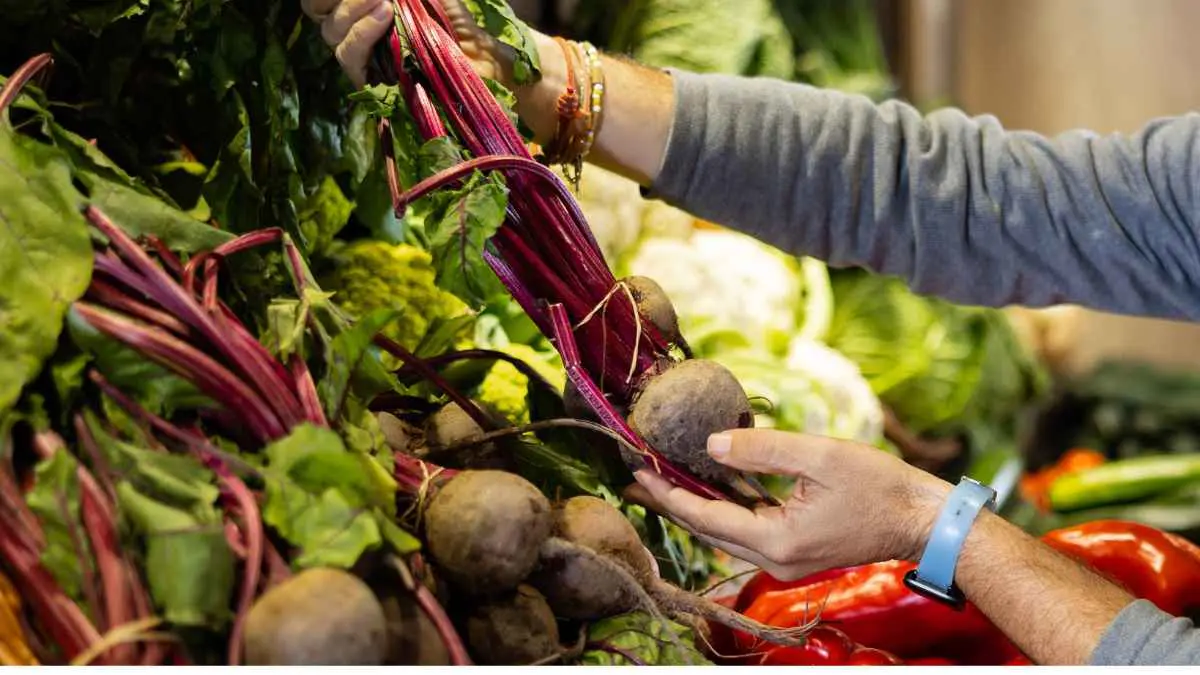
Yes. Both the root and the leafy green tops are edible and nutritious. Beet greens can be cooked much like spinach or chard, sautéed with a little garlic and oil, or stirred into soup near the end of cooking. Many cooks consider them a bonus vegetable when buying bunched beets rather than an afterthought to discard. For more ideas on using the greens, see Easy Ways to Use Beets.
Why do beets stain everything?
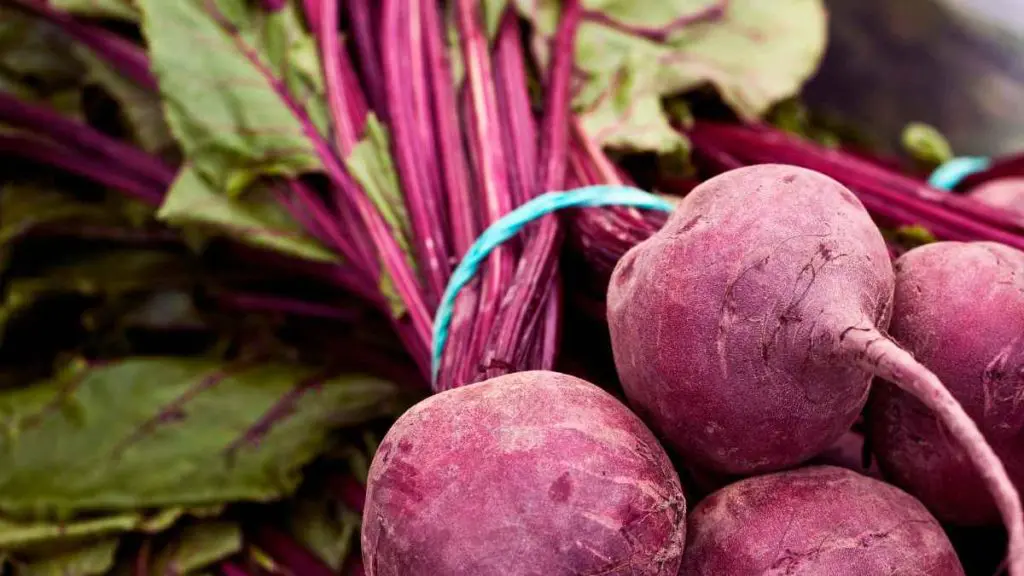
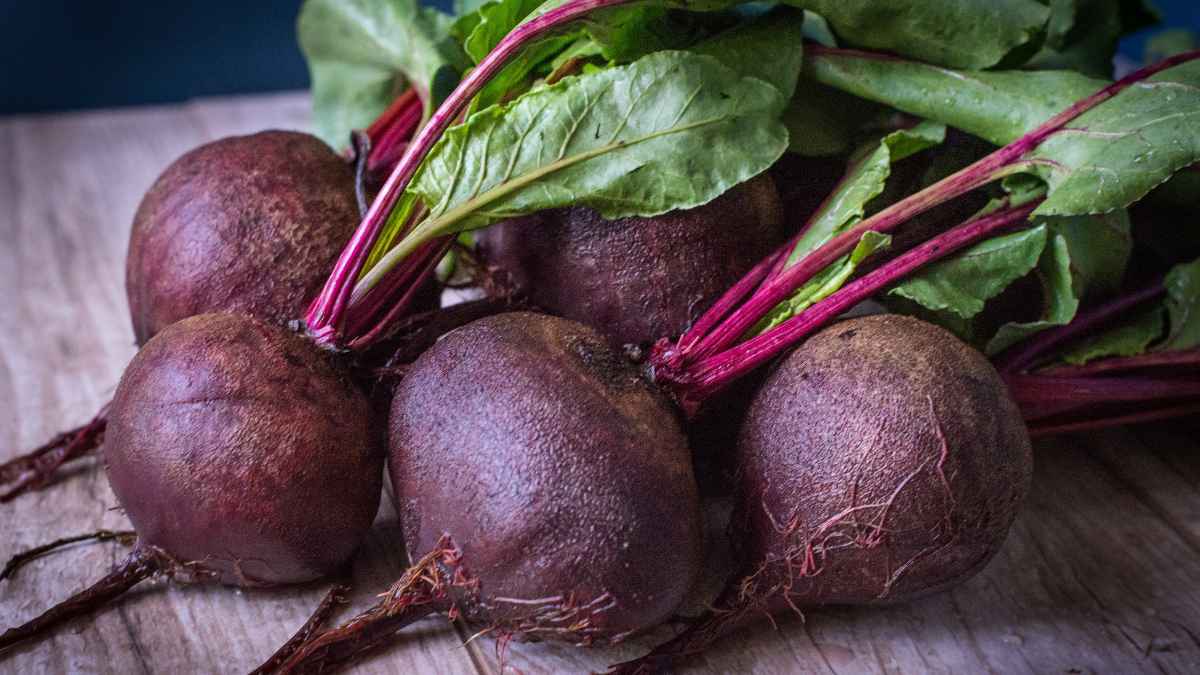
Red beets contain anthocyanin, the same type of pigment responsible for their deep colour, which readily transfers to cutting boards, hands, and clothing. Golden and Chioggia beets are far less prone to staining since they contain little to no anthocyanin, which makes them a practical choice when you want to avoid the mess. Using a dedicated cutting board, wearing an apron, or wiping down surfaces promptly after cooking can help avoid stubborn stains. For more on how the different types compare, see Canadian Beet Varieties: Taste, Texture and Best Uses.
Do beets need to be peeled before cooking?
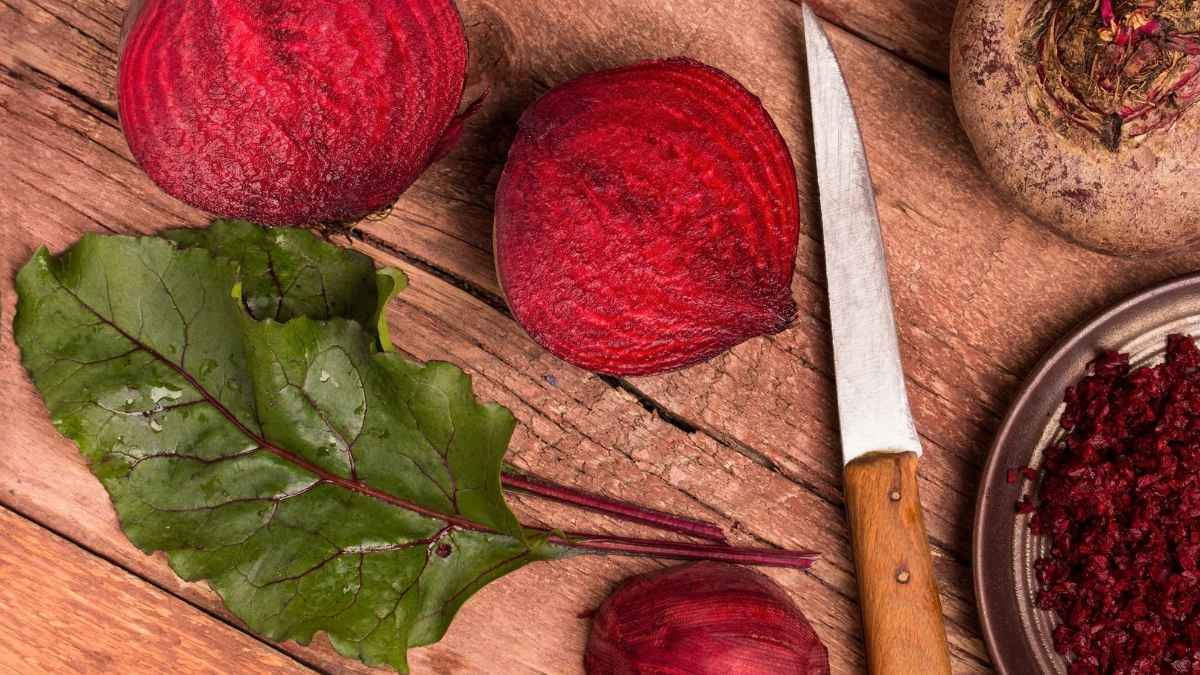
Not necessarily, and in fact it is usually easier not to. Most cooks boil or roast beets unpeeled, then slip the skins off once the beets are cooked and cool enough to handle, often simply by rubbing the skin with a paper towel or your fingers. Peeling raw beets is more difficult, wastes more of the vegetable, and is generally only worth doing for raw preparations like shredded salads.
Can you eat beets raw?
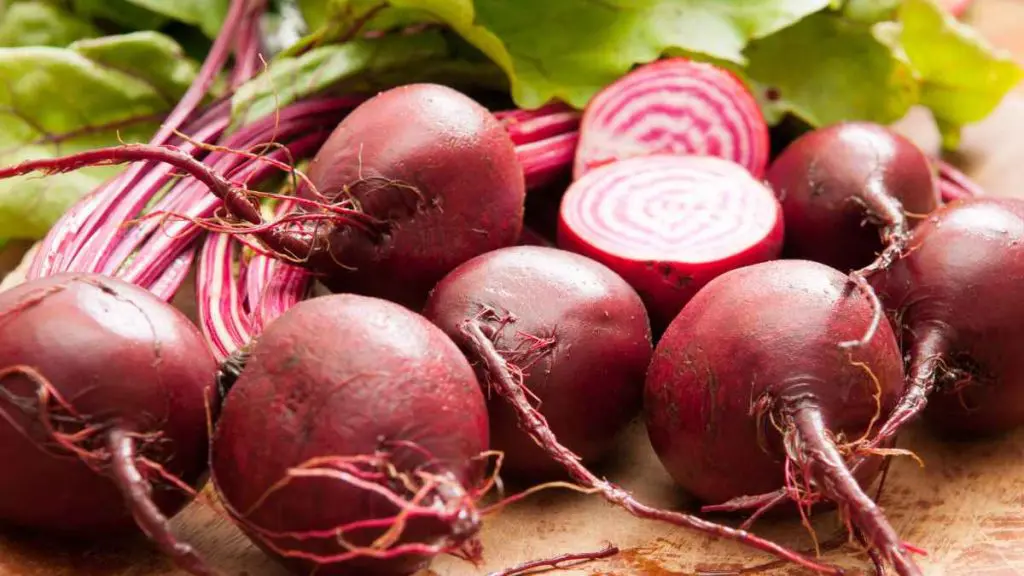
Yes. Raw beets can be grated, shredded, or thinly sliced into salads and slaws, and they hold up well in grain bowls or as a crunchy addition to a sandwich. Chioggia beets in particular are popular eaten raw, since their striped interior holds its appearance best uncooked.
Are canned or pickled beets as nutritious as fresh beets?
Canned and pickled beets retain much of the vegetable’s core nutrient profile, though pickled versions typically add sodium and sugar during processing, and canned versions can lose a small amount of nutritional value compared to fresh. Fresh and frozen beets remain the most versatile, lowest-sodium options for everyday cooking, while pickled beets are best treated as an occasional condiment rather than a primary serving of vegetables.
How long do fresh beets last?
Properly stored in a loosely closed bag in the fridge, fresh beets keep for up to two weeks. Cooked and frozen beets keep for up to a year. Raw beets do not freeze well, so it is best to cook them first if you plan to freeze a batch. Full guidance is available in How to Store Beets to Cut Food Waste.
Why are some beets sold with greens attached and others without?
Beets sold bunched, with the greens still attached, are typically closer to harvest and available earlier in the season. Once the fresh, bunched season tapers off, most beets sold are topped (greens removed) and sourced from cold storage, which extends their availability through fall and winter. Neither format indicates better or worse quality; they simply reflect different points in the season and different intended uses. See Canadian Beet Varieties: Taste, Texture and Best Uses for more detail.
Are beets a good source of nutrition?
Yes. Beets are an excellent source of folate and a good source of manganese, with smaller contributions of vitamin C, potassium, iron, magnesium, and thiamin. Beet greens add their own nutritional value, including vitamin A, vitamin C, and potassium, so cooking the greens alongside the root is an easy way to get more out of one purchase. See the What’s in Season? Beets overview for more on beet nutrition.
Why do beets sometimes taste like dirt?
The earthy flavour some people notice in beets comes from a naturally occurring compound called geosmin, which is also found in soil and is responsible for the smell of rain on dry ground. It is a normal part of beets’ flavour profile rather than a sign of poor quality, though pairing beets with acidic ingredients like citrus or vinegar can help balance that earthiness for those who find it strong. Roasting also tends to mellow the earthy notes compared to boiling.
Is it normal for urine to turn pink or red after eating beets?
Yes, this is a common and harmless effect called beeturia, caused by the same pigments that give beets their colour passing through the body in some people. It typically resolves on its own within a day and is not a cause for concern, though anyone with ongoing or unexplained changes in urine colour unrelated to beets should speak with a healthcare provider.
Can beets be grown at home in a Canadian garden?
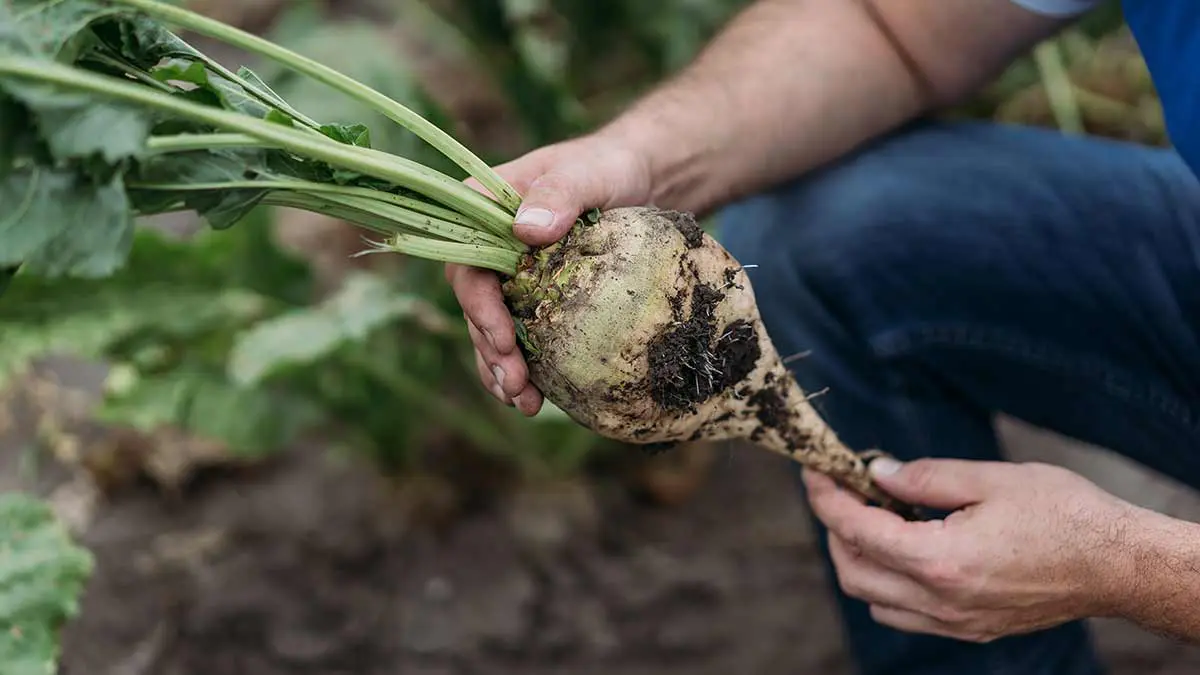
Yes. Beets are a relatively easy, cool-season crop for home gardeners across much of Canada. They are typically direct-seeded into the garden in spring, thinned once seedlings emerge, and can be harvested anywhere from about seven to ten weeks after planting, depending on the variety and desired size. Learn more about growing your own beets.
Are beets a budget-friendly vegetable?
Generally, yes. As a sturdy storage crop grown at meaningful volume in Ontario and Quebec, beets tend to be among the more reasonably priced fresh vegetables through fall and winter. See Seasonal Beets and Your Grocery Budget in Canada for more detail.
For the full picture of when Canadian beets are in season and how the crop is grown, see What’s in Season? Beets, or browse other What’s in Season topics.
Additional Articles to Explore







 Easy Ways to Use Beets