
Strawberries are one of the most loved fruits in Canada and also one of the most likely to end up in the compost. They are highly perishable, mould spreads quickly from one berry to the rest of the package, and a flat bought with the best intentions can go soft within a day or two if it is not stored well. The good news is that a few simple habits make a big difference. This guide covers how long strawberries usually last, how to store them in the fridge and freezer, what to do with berries that are past their prime, and the small routines that help waste fewer strawberries at home. For the bigger picture of when strawberries are in season in Canada and which type to buy when, see Strawberries in Season in Canada.
How Long Do Strawberries Last?
Strawberries are short-lived once they are picked. Unlike apples, which can be stored for many months in controlled-atmosphere rooms, strawberries need to be eaten quickly. How long a specific package lasts depends on the variety, how fresh the berries were when you bought them, and whether they have been stored at the right temperature throughout the trip from farm to your fridge.
As a general guide:
- At room temperature: about a day. Best eaten the day you buy them.
- In the refrigerator, properly stored: usually two to three days, sometimes up to a week if the berries were very fresh at purchase.
- In the freezer: up to about 12 months, according to Canada’s Food Guide.
Timeframes vary, and strawberries bought at peak local season in June or July often last a little longer because they have spent less time in transit. Canadian-grown greenhouse strawberries are also generally fresh when they reach stores. For a quick reference on storage times for other foods in your kitchen, see our guide: How Long Can I Store This?
How to Store Strawberries in the Fridge
Most household strawberry waste comes from how they are stored in the fridge. The single most important step is to keep them dry until you are ready to eat them.
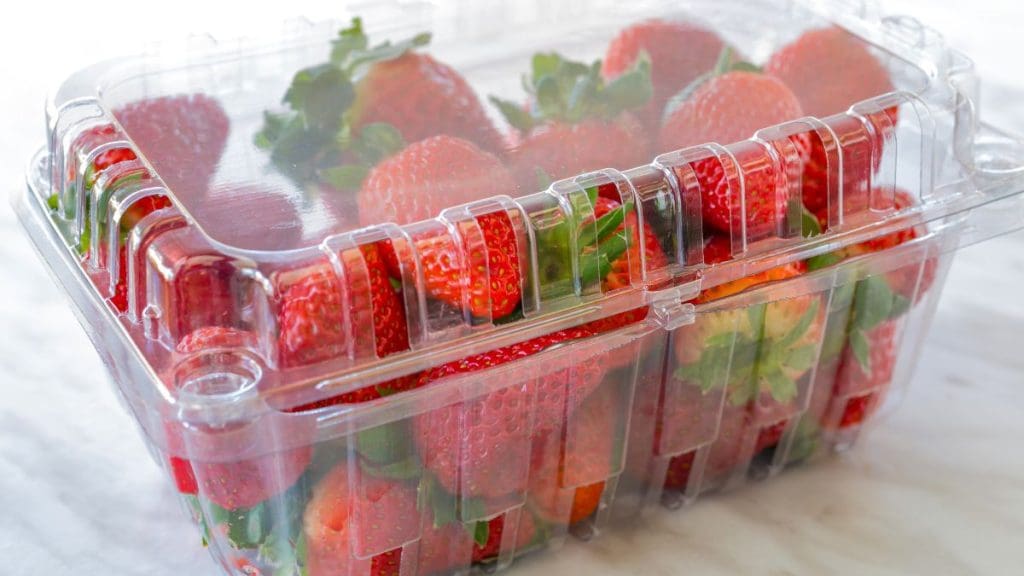
Step by step:
- Do not wash strawberries before storing them. Added moisture speeds up mould and spoilage.
- Keep berries in a ventilated container. The clamshell they came in works well if you crack the lid open slightly. A glass dish or other container lined with a paper towel is another good option.
- Place them in the fridge crisper drawer rather than on the door, where the temperature fluctuates.
- Check the package daily. Remove any berries with soft spots or signs of mould as soon as you spot them. Mould spreads quickly from one berry to the next, so removing one or two early can protect the rest of the package.
- Rinse berries in cool water and remove the green caps just before eating, not before storing.
These steps line up with general guidance from Foodland Ontario and Health Canada’s safe food storage tips.
Can You Freeze Strawberries?
Yes, and freezing is one of the best ways to enjoy Canadian strawberries beyond the short field season. Frozen strawberries are excellent in smoothies, baking, oatmeal, yogurt, and homemade sauces. They are not the same as fresh berries for garnish or whole-fruit eating because freezing changes their texture, but for any cooked or blended use they work beautifully.

Step by step:
- Wash strawberries gently in cool water and dry them well. Excess water before freezing leads to icy clumps.
- Remove the green caps and hull the berries.
- Slice or halve if you wish, or leave whole.
- Spread the berries in a single layer on a parchment-lined baking sheet.
- Freeze until firm, typically four to six hours.
- Transfer the frozen berries to a labelled freezer bag or container with as much air pressed out as possible.
- Use within about 12 months for best quality.
Freezing is a great option when you have brought home a flat from a U-pick visit or a farmers’ market in June or July and want to stretch the season. It is also a useful rescue for berries that are starting to soften but are still safe to eat.
Using “Less-Perfect” Strawberries
A bruised or soft strawberry is not the same as a spoiled one. A few simple checks help you decide what to do with berries that look a little past their prime.
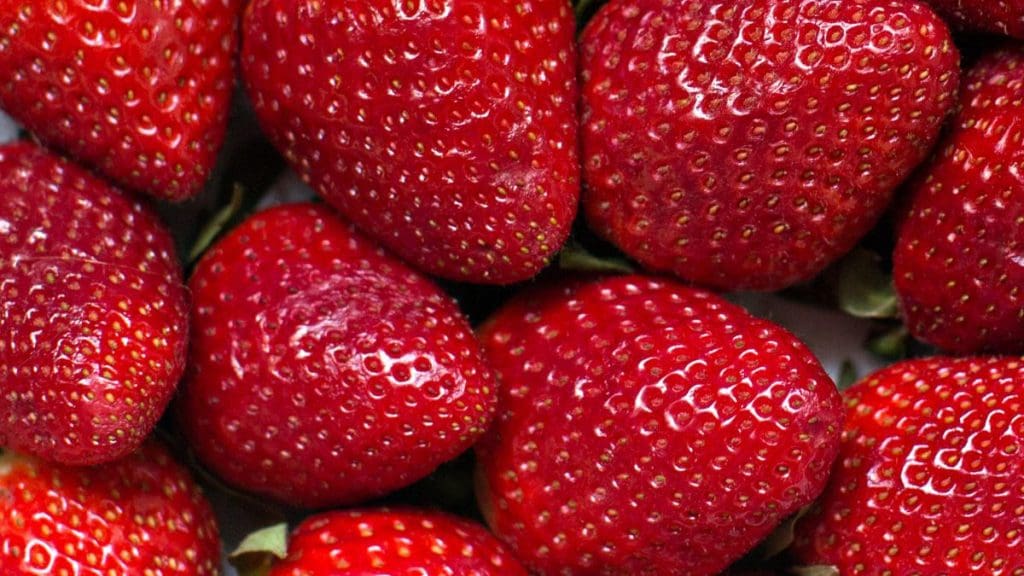
Still good to use:
- Soft spots or slight bruising.
- Pale or unripe-looking patches.
- A few berries with surface dents from being packed too tightly.
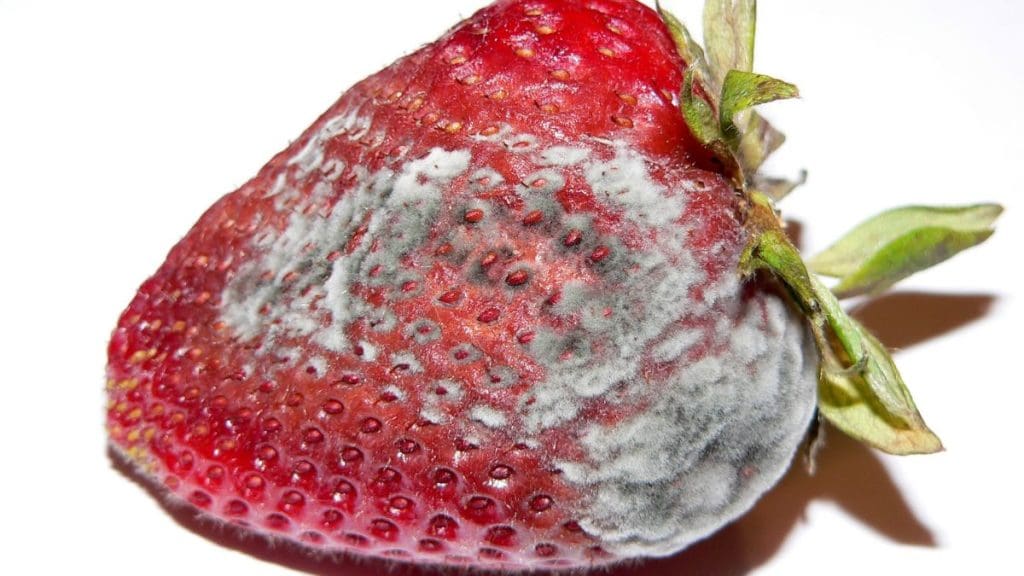
Discard:
- Berries with visible mould (and discard any nearby berries that touched them).
- Berries that smell fermented, sour, or off.
- Berries that feel slimy or are leaking juice in a way that suggests they have started to break down.
When in doubt, trust your senses. Less-perfect berries that pass the look and smell test can be used in:
- Smoothies. Soft berries blend beautifully and the texture difference does not matter.
- Quick stovetop strawberry sauce or compote to spoon over yogurt, oatmeal, pancakes, or ice cream.
- Strawberry chia jam, a simple no-canning option that lasts about a week in the fridge.
- Baking, such as muffins, scones, or shortcake, where small bruises disappear in the oven.
- Roasted strawberries with a drizzle of maple syrup, which concentrates the flavour and works as a topping for toast, ice cream, or cheese boards.
For more cooking ideas, including specific recipes that use up softer berries, see Easy Ways to Use Strawberries.
Simple Habits to Waste Fewer Strawberries
Most strawberry waste at home comes from buying too many at once, washing them too early, or forgetting them at the back of the fridge. A short checklist of habits can turn a typical waste pattern into a typical use pattern.
- Buy what you can realistically use or freeze within a week. A bigger flat is only a better deal if you actually eat or freeze all of it.
- Store unwashed in a ventilated container in the fridge crisper. Wash just before eating.
- Check the package daily and remove any berries with mould or soft spots before they spread.
- Plan at least one “use-it-up” idea each week during peak season, whether that is smoothies, a yogurt parfait, or a quick sauce.
- Freeze any berries you will not use in time. A few minutes spent freezing now saves a full package from the compost later.
- Buy in season when you can. Field-grown strawberries from late May through October, and Canadian greenhouse-grown strawberries year-round, tend to be fresher and last longer than berries that have travelled farther.
For more on saving money during peak season and stretching a strawberry flat across the year, see Seasonal Strawberries and Your Grocery Budget in Canada. For broader food-waste habits across your kitchen, see 6 Tips To Reduce Food Waste.
Storing strawberries well is one of the simplest ways to enjoy more of the short Canadian season, spend less at the grocery store, and waste less food at home. A package of berries that lasts an extra few days is a package of berries that makes its way into breakfasts, snacks, and smoothies instead of into the compost.
Additional Articles to Explore









 Easy Ways to Use Strawberries