
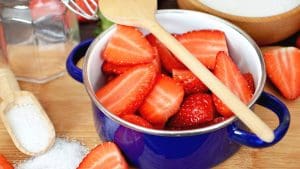
Canadian strawberry season is short, intense, and worth savouring. From the first U-pick haul in June through the late day-neutral berries in September and October, there are dozens of simple ways to make the most of a flat or clamshell before the berries soften. This guide walks through fresh and no-cook ideas, smoothies and drinks, simple baking, sauces and jams, and ways to save some of the season for later. Each suggestion is built around easy techniques and short ingredient lists, so a flat of Canadian strawberries can move from peak-season showpiece to weeknight workhorse without much fuss. For the broader picture of when strawberries are in season and which type to buy when, see Strawberries in Season in Canada.




Fresh and No-Cook Ideas
The simplest way to enjoy peak-season Canadian strawberries is to barely touch them. Field-grown strawberries at the height of June and July carry the full flavour the sun put into them, and the less you do, the more that flavour shows up.
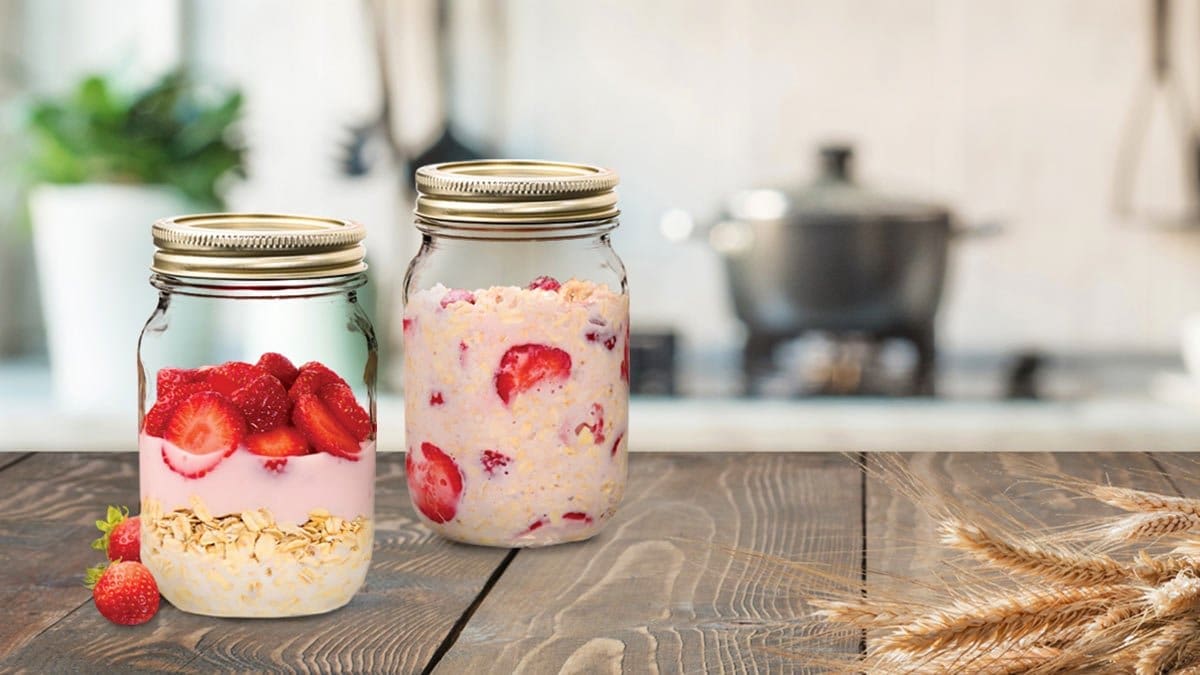
- Sliced over yogurt, oatmeal, cottage cheese, pancakes, or waffles. A bowl of plain yogurt becomes a small celebration with a handful of halved strawberries on top.
- Strawberries and cream. A classic for a reason. A few sliced berries with whipped cream, plain or with a teaspoon of vanilla, is one of the great Canadian summer desserts.
- In a green salad with baby spinach or arugula, goat cheese or feta, a handful of toasted nuts, and a simple vinaigrette. The Barley Salad with Spinach and Strawberries on Canadian Food Focus is a hearty version that doubles as lunch.
- In a fresh salsa with finely diced strawberries, red onion, jalapeño, lime, and cilantro, spooned over grilled fish, chicken, or tacos. Canadian Food Focus has a White Fish with Fresh-Cut Strawberry Salsa recipe that builds on the same idea.
- On a cheese board alongside aged cheddar, brie, or chèvre. Strawberries pair beautifully with both creamy and sharp Canadian cheeses.
- In ice water or sparkling water. A few slices in a pitcher with mint leaves makes a no-sugar refresher that works for an afternoon at home or a dinner party.


Smoothies and Drinks
Smoothies are one of the most useful ways to use strawberries because they shine with berries at every stage of ripeness. In fact, slightly soft strawberries that are no longer perfect for slicing make some of the best smoothie bases.
- Strawberry-banana smoothie. Frozen strawberries, half a banana, yogurt or kefir, and a splash of milk or a non-dairy beverage. Sweetness comes from the fruit, so no added sugar is required.
- Strawberry-spinach smoothie. A handful of baby spinach disappears into the colour of the berries and adds an easy serving of leafy greens.
- Strawberry oat breakfast smoothie. Frozen strawberries, rolled oats, yogurt, milk, and a small spoonful of honey or maple syrup makes a filling breakfast in a glass.
- Strawberry lemonade. Blend strawberries with cold water and a small amount of honey or sugar, then mix with fresh lemon juice and ice. Strain if you want a clearer drink.
- Strawberry shrub. Macerate strawberries with sugar and vinegar (apple cider or white wine vinegar work well) for a day or two, strain, and use as a base for sparkling drinks. A small-batch project that captures peak-season flavour in a bottle.
For a quick way to use up softer berries before they tip over the edge, see the “less-perfect strawberries” guidance in How to Store Strawberries to Cut Food Waste.
Simple Baking
Strawberries take well to baking and pair particularly nicely with classic Canadian flavours like maple, oats, and rhubarb. Slightly soft or end-of-season berries are often even better in baked goods because the texture difference disappears in the oven, and roasting or baking concentrates their flavour.
- Strawberry shortcake. A classic for good reason. Halved or sliced fresh strawberries macerated with a small spoonful of sugar, layered with biscuits and whipped cream.
- Strawberry muffins. Fold chopped strawberries into a basic muffin batter for a breakfast that bridges the season. Whole-grain flour and a sprinkle of oats on top dial up the everyday feel.
- Strawberry scones. Cream scones with diced strawberries fold the fruit into a tender, slightly sweet base. Excellent for brunch.
- Strawberry crumble or crisp. A pan of sliced strawberries (or strawberries and rhubarb during the brief overlap in June) topped with an oat-and-butter crumble. Quick, comforting, freezer-friendly.
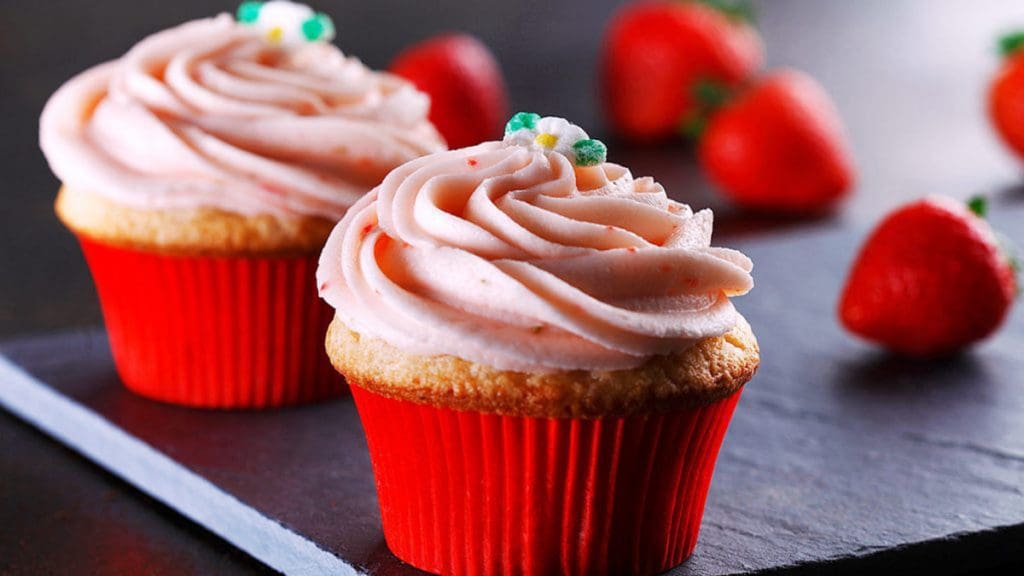
- Strawberry cupcakes. Canadian Food Focus has strawberry cupcakes as part of its strawberry recipe collection.
- Strawberry-rhubarb pie or galette. A nod to two of Canada’s classic spring crops at the same time. A rustic galette is the easiest version: roll out one round of pastry, pile the fruit in the middle, fold up the edges, bake.
Sauces, Jams and Compotes
Cooking strawberries down into sauces and jams is one of the most rewarding ways to use a peak-season haul. The flavour intensifies, the texture softens, and a small batch can sit in the fridge for a week of breakfasts and desserts.
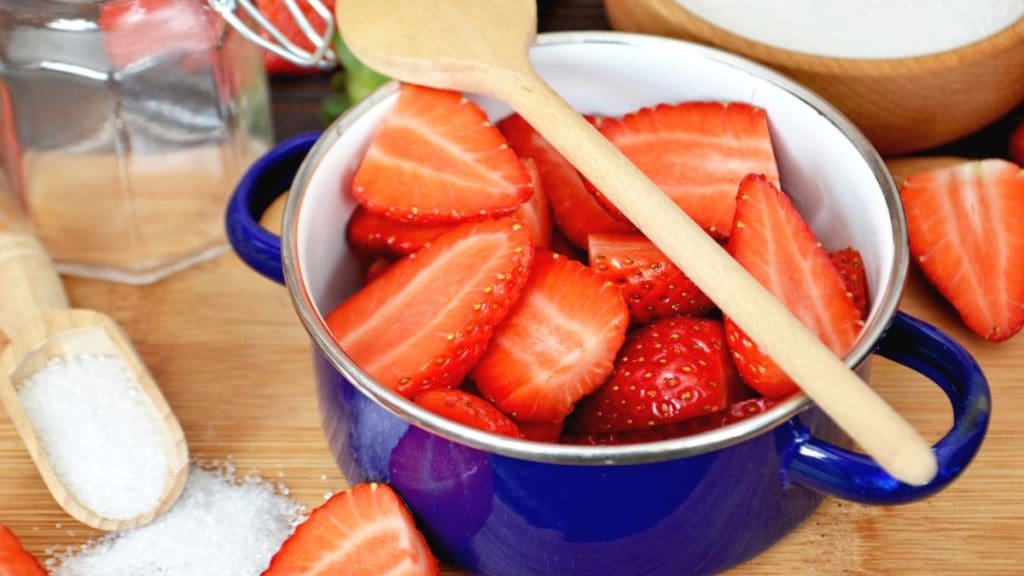
- Quick stovetop strawberry sauce. Hulled, halved strawberries with a small spoonful of sugar and a squeeze of lemon, simmered for 10 to 15 minutes until thickened. Excellent on yogurt, oatmeal, pancakes, ice cream, or toast.
- Strawberry chia jam. A no-canning version made by simmering strawberries with a little maple syrup or sugar, then stirring in chia seeds to thicken. Keeps about a week in the fridge.
- Strawberry-balsamic compote. A more grown-up sauce with a splash of balsamic vinegar and a grind of black pepper. Especially good with vanilla ice cream or alongside grilled meats.
- Roasted strawberries. Strawberries tossed with a little maple syrup or sugar and roasted at 200°C until concentrated and jammy. A simple technique that elevates softer berries into something special on toast, ice cream, or cheese.
- Traditional strawberry jam. A more involved project, but a Canadian summer tradition for a reason. Use a tested recipe from a source like Bernardin or your provincial Ministry of Agriculture food preservation guide for safe canning instructions.
Save Some for Later
The Canadian strawberry season is short, so capturing a little of it for later in the year is one of the most satisfying habits an in-season fruit can teach. Both freezing and small home-preserving projects work well.
- Freezing. The simplest way to extend the season. Wash, dry, hull, freeze in a single layer on a tray, then transfer to a labelled freezer bag. Frozen Canadian strawberries are excellent in smoothies, baking, oatmeal, and sauces, and keep for about 12 months. Full step-by-step in How to Store Strawberries to Cut Food Waste.
- Refrigerator jam. Small-batch strawberry-chia jam or a simple cooked jam stored in the fridge skips the canning equipment and lasts about a week. A great low-effort entry point.
- Strawberry syrup. Simmer berries with sugar and water, then strain. Use in drinks, over pancakes, or stirred into yogurt.
- Strawberry leather or fruit roll-ups. Puréed strawberries dried low and slow in the oven. A make-ahead snack for lunchboxes.
- Dehydrated strawberries. With a home dehydrator, sliced strawberries become a sweet, chewy pantry item that works in granola, oatmeal, and trail mix.
For more on building a season-long plan around peak strawberry timing, see Seasonal Strawberries and Your Grocery Budget in Canada. For the bigger picture of Canadian strawberry types and growing methods, see Canadian Strawberry Varieties: Taste, Texture and Best Uses and How Do Strawberries Grow?.
Canadian strawberries hit Canadian kitchens for only a handful of weeks at full strength, and a flat from a U-pick farm or a clamshell from a June grocery shop can show up in breakfasts, lunches, snacks, dinners, and desserts across the same week. With a few simple ideas, a little planning, and a freezer bag at the ready, the season can stretch from one quick clamshell into a year of strawberry moments.
Additional Articles to Explore




 Frequently Asked Questions About Canadian Strawberries
