
Cranberries are easy to overspend on, not because they’re an expensive fruit, but because so many of us buy a bag for one holiday recipe and let the rest go forgotten in the fridge. A few smart, doable habits, timed around when Canadian cranberries are actually in season, can stretch a single purchase much further and cut down on what ends up in the compost. None of this requires buying in bulk or changing how you cook; it’s mostly about timing, choosing the right form for the job, and a little planning. For background on when cranberries are harvested and how long they keep, see What’s in Season? Cranberries and How to Store Cranberries.






When Are Cranberries Most Available in Canada?
Canadian cranberries are harvested from late September through October and into November, and thanks to an unusually long storage life, fresh and stored Canadian cranberries typically remain on shelves into January. That window, roughly fall through midwinter, lines up with when local supply is at its peak, which is generally when Canadian-grown cranberries are easiest to find and most likely to be fresh from a recent harvest rather than held in storage for a long stretch or shipped in from elsewhere. Availability still shifts somewhat from year to year depending on the weather in Quebec and BC, the two provinces that grow the large majority of Canada’s crop.
Are Seasonal Cranberries Really Cheaper?
Local, in-season produce can often be more competitively priced than produce that’s been shipped a long distance or held in storage for months, simply because supply is highest and transportation costs are lower. Canadian cranberries fit that pattern reasonably well. The fall harvest period is typically when you’ll see the most promotions and the widest selection of fresh, Canadian-grown bags. That said, exact pricing varies by retailer, region and year, so it’s worth treating “in-season is cheaper” as a general tendency rather than a guarantee, and comparing what’s actually in front of you at the store.
Comparing Forms by Value
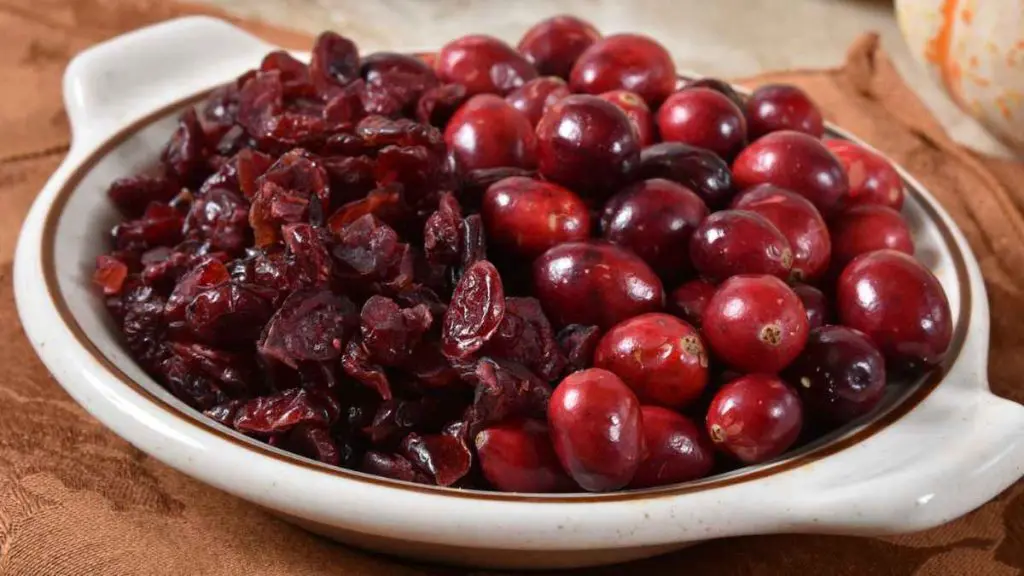
Which cranberry form gives you the most for your money often depends less on the price tag and more on how much processing has gone into the product. A bag of fresh or frozen whole berries is usually the most economical starting point per use, since you control how much sugar or sweetener goes in rather than paying for it as part of the product. Dried cranberries tend to cost more per gram, since drying and added sugar both add to the price, but a relatively small amount goes a long way stirred into oatmeal, baking or a salad. Pre-made sauces, juices and juice blends generally carry the highest cost per serving of the bunch, since you’re paying for convenience and processing on top of the fruit itself. None of this means skipping the convenient forms, just being aware that a bag of whole berries, prepared at home, is typically the more budget-friendly route when you have a few extra minutes.
How to Plan with Seasonal Cranberries to Save Money
Plan Around What’s in Season
Building a meal plan around the fall cranberry harvest, rather than only thinking about cranberries once a year at the holidays, makes it easier to catch the window when fresh, Canadian-grown berries are most available and often best priced. Cranberry sauce, baked goods, and savoury dishes alongside roasted meats are all easy ways to work fresh cranberries into regular fall and winter meals, not just a once-a-year spread. Even a simple habit, like adding a handful of frozen cranberries to a weekend pancake or muffin batch, helps a bag get used steadily rather than sitting untouched for weeks.
Use Across Multiple Meals
A single bag of cranberries goes further than most people plan for. Cranberries that don’t go into a holiday sauce can flavour a batch of muffins, get folded into oatmeal, simmered into a quick relish for roasted chicken or pork, or blended into a smoothie. Splitting one bag across several uses is one of the simplest ways to make sure none of it goes to waste, and it means a single purchase covers several meals rather than just one. Dried cranberries also star in Herb Roasted Chicken with Cranberry Barley Pilaf, a Sunday dinner that stretches a bag even further.
Right-Size How Much You Buy
Since fresh cranberries keep for up to about three months in the fridge, there’s rarely a need to buy more than you can realistically use across that window unless you’re planning to freeze the extra. If a recipe calls for a partial bag, the rest will store easily, so there’s little upside to letting a second or third bag pile up unless you have a specific plan for it.
Freeze the Surplus
Cranberries are about as easy to freeze as any fruit gets: no rinsing, no pre-treatment, just straight from the bag into the freezer. Buying extra during the fall harvest and freezing what you won’t use right away locks in peak-season pricing and availability for use well into the winter and spring, long after fresh bags have disappeared from shelves. When you’re ready to use them, frozen berries simmer straight into a pot of Cranberry Sauce without thawing.
How Seasonal Cranberries Help Reduce Food Waste
Buying cranberries with a plan, rather than picking up a bag out of habit around the holidays, naturally cuts down on waste. Because cranberries keep so well in both the fridge and freezer, there’s less pressure to use a whole bag immediately, which reduces the rushed, last-minute cooking that often leads to spoiled produce. Cooking softer or less-perfect berries into sauce, relish or baked goods, rather than discarding them, also stretches a single purchase further and keeps usable fruit out of the compost. Over a winter, that adds up to noticeably less waste from a fruit that, handled with even modest planning, rarely needs to go bad before it’s used. Leftover cranberry sauce and turkey can also become a Cranberry Turkey Cobbler.
Quick Budget Checklist for Buying Cranberries
Buy fresh, Canadian-grown cranberries during the fall harvest and into winter, when local supply and selection tend to be at their best.
Start with fresh or frozen whole berries when budget matters most; you control the sweetening rather than paying for it.
Plan more than one use for a bag: sauce, baking, a savoury pairing, so nothing sits unused.
Buy only as much as you’ll realistically use within about three months, unless you’re freezing the extra.
Freeze surplus berries right away rather than letting them sit and risk spoiling.
Double a batch of cranberry sauce and freeze half for later in the season.
Use softer or less-perfect berries in cooked dishes instead of discarding them.
For more on stretching a cranberry purchase in the kitchen, see Easy Ways to Use Cranberries, and for storage details that support all of the above, see How to Store Cranberries.
Additional Articles to Explore





 Canadian Beef From Farm to Plate