
How Cattle Are Raised
Many Canadians enjoy beef and many have questions about how cattle are raised, what they eat and what happens before beef reaches the grocery store. Canadian beef production involves several stages, including pasture based cow-calf farms and ranches, backgrounding operations and feedlots before processing.
Cattle may live in more than one setting during their lives, depending on the region, season, farm business and market. Across these stages, farmers and ranchers manage nutrition, water, health, shelter, handling and records. Regulated inspection and food-safety systems help protect the beef supply.
This guide answers common questions about where cattle live, what they eat, how they are cared for, and how Canadian beef safety is managed, so you can make grocery and meal decisions with more confidence.
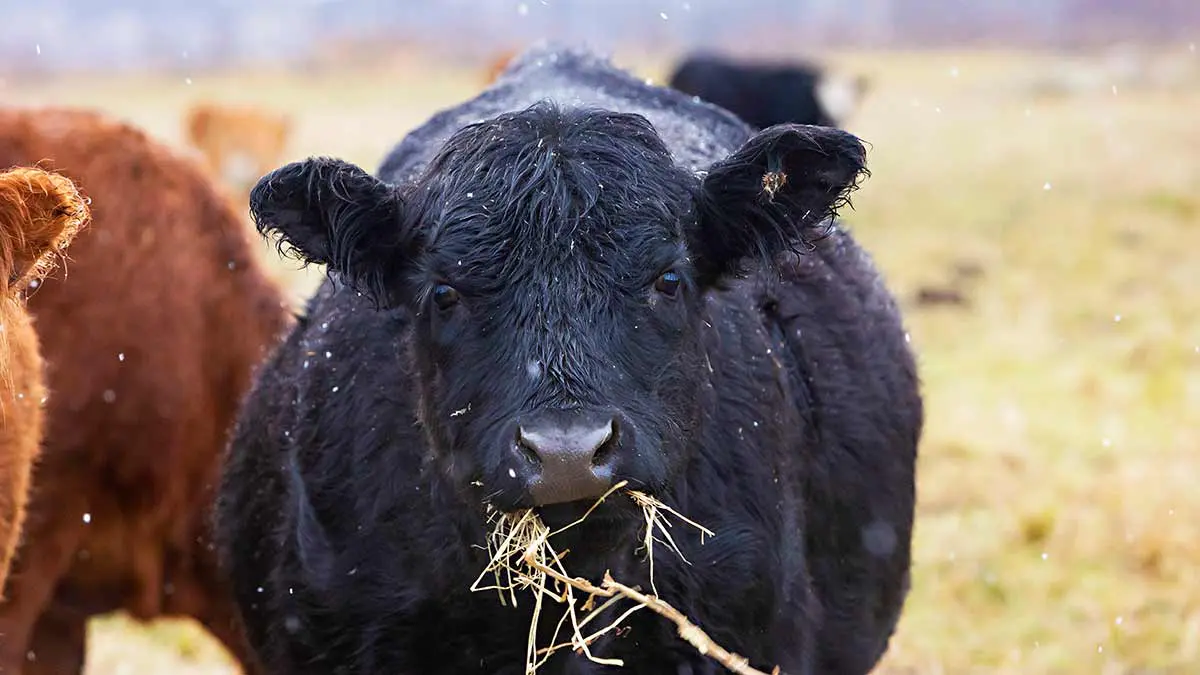
Where are beef cattle raised in Canada?
Beef cattle are raised in every province, with the largest cattle populations in Western Canada, particularly Alberta and Saskatchewan, and significant herds in Manitoba, British Columbia, Ontario, Quebec and the Atlantic provinces. Statistics Canada shows that Canadian farmers held 10.9 million cattle and calves on as of January 1, 2025.
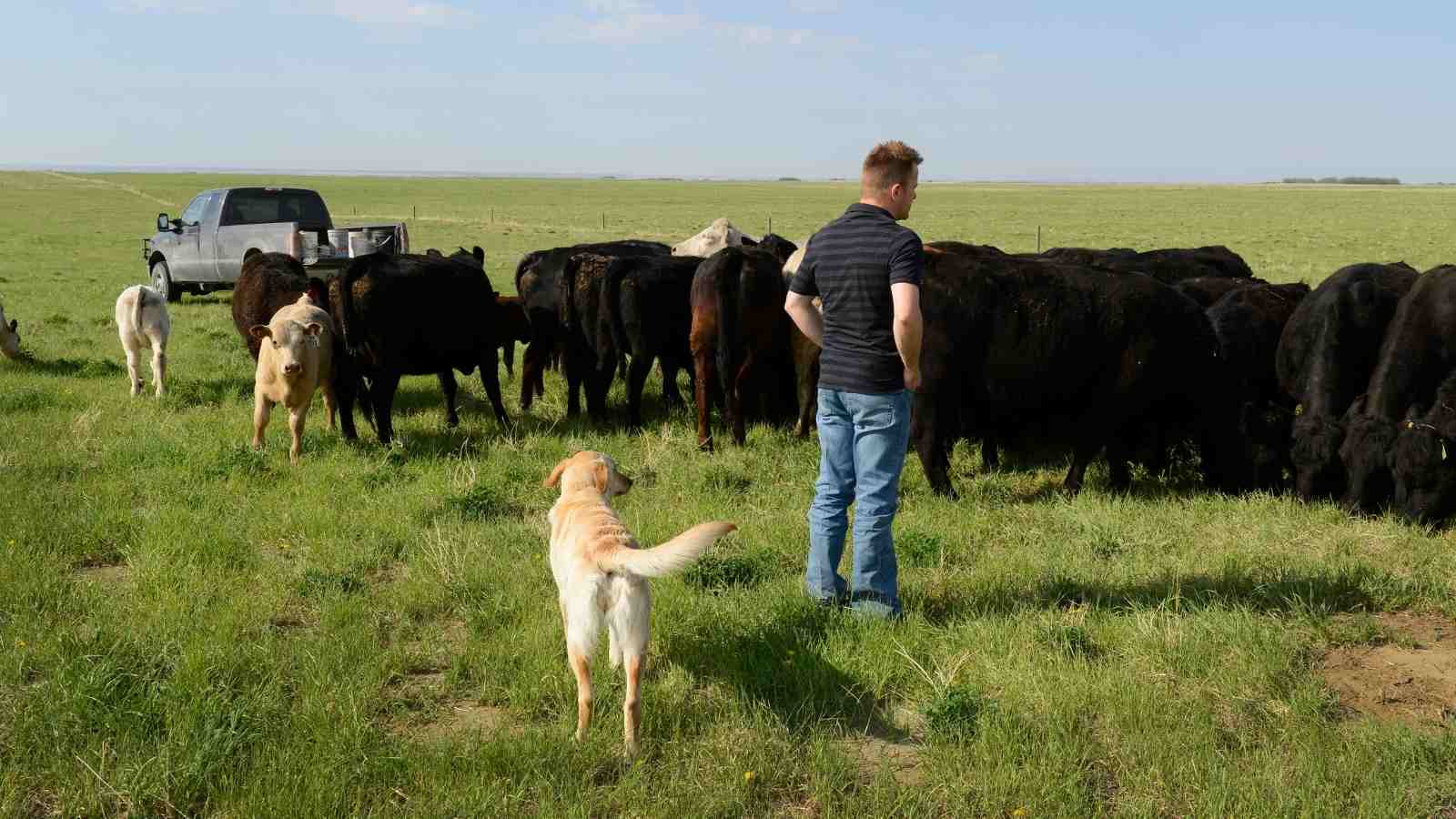
Many beef farms are called cow-calf operations. This means that these farms or ranches specialize in breeding cows that give birth to calves. The calves are raised alongside the cow, often on pastures, which are fields of grass or other plants that cattle eat. After calves are weaned (separated from the cow), they may remain on the same farm, move to a backgrounding operation to continue growing, or move to a feedlot for a later finishing stage.
Canadian beef cattle operations range from small herds managed by one family to larger ranches and feedlots. A farm may be incorporated, partner with other businesses or supply a branded program, but day-to-day decisions are made by farm families and the management teams.
What this means for you
When you buy Canadian beef, it usually comes from cattle raised through several connected stages on Canadian farms and ranches. The specific path may vary, but Canadian cattle are raised within Canadian following specific requirements for animal -care, food- safety and transportation requirements.
More on Cattle

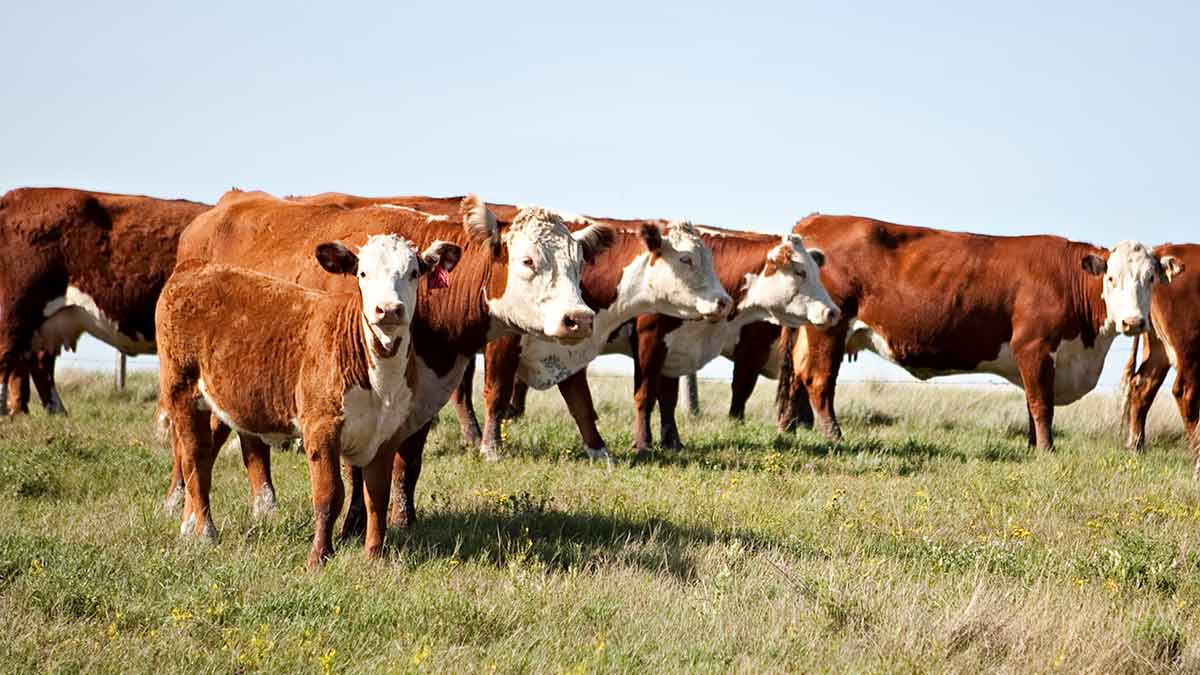

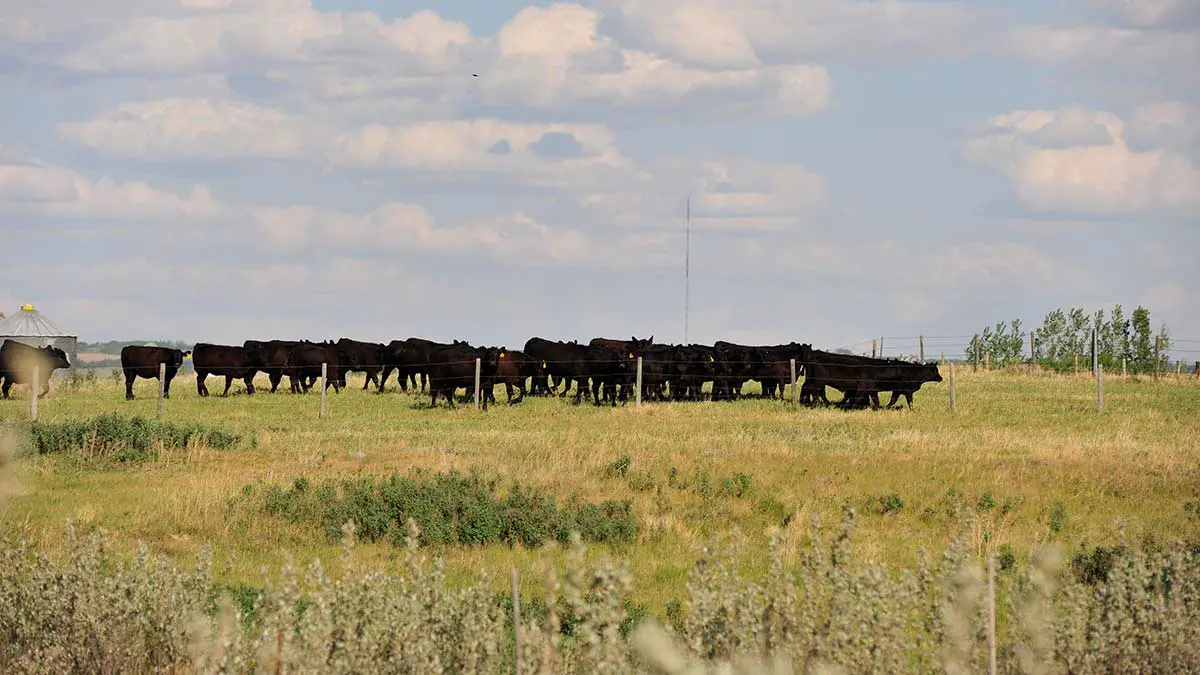

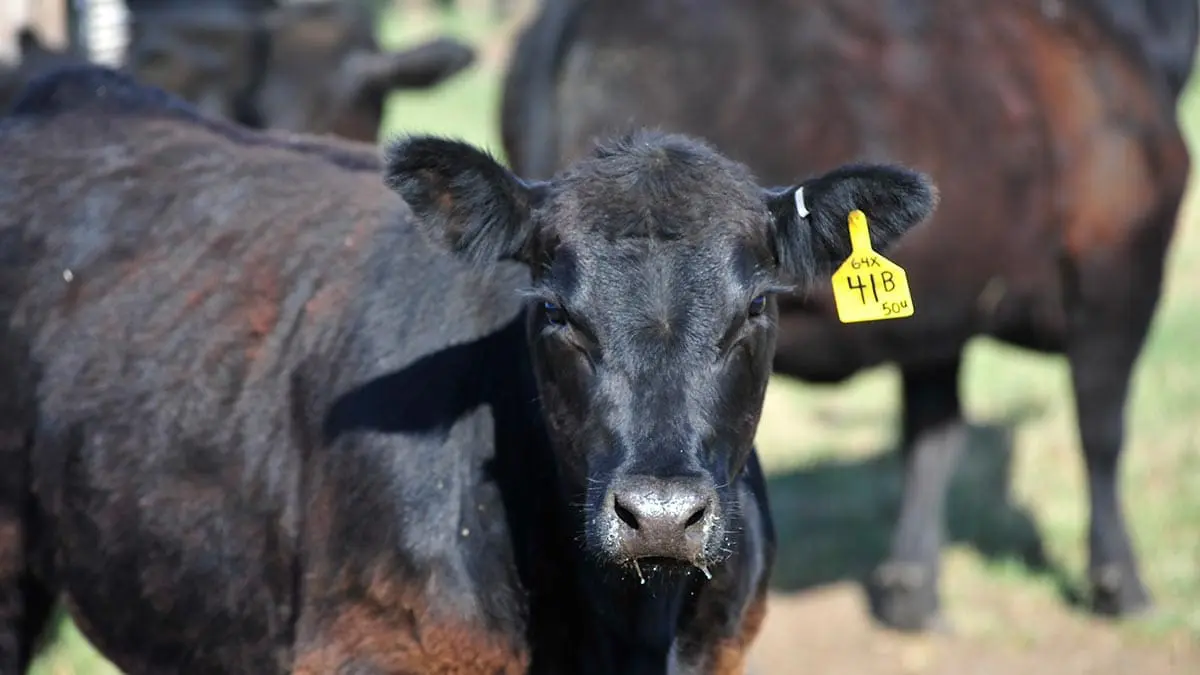

Do beef cattle spend their whole lives on pasture?
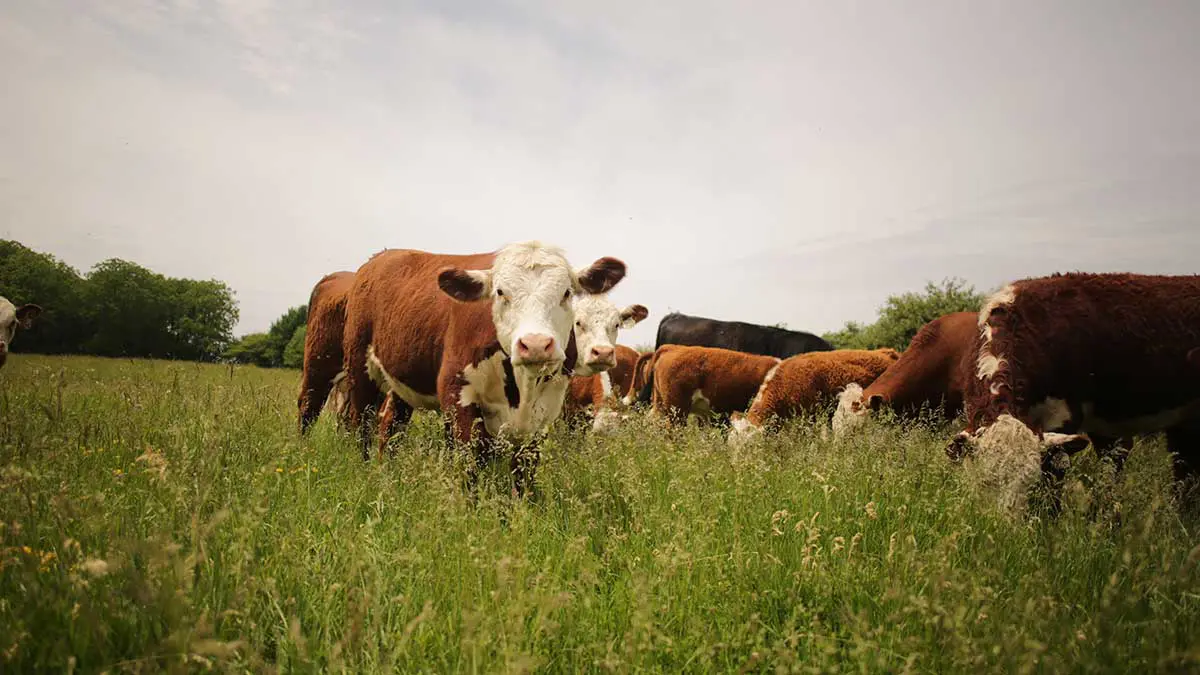
Most Canadian beef cattle spend the majority of their lives on pasture or eating forage, particularly during the cow-calf stage. Calves are commonly born in spring, stay with the cow while nursing, and graze alongside them as they grow. Most beef calves in Canada are weaned at around six to seven months of age.
After weaning, cattle may:
- Continue grazing pasture or crop residue.
- Eat stored forage such as hay or silage during winter.
- Spend time in a backgrounding program, where they continue growing on forage-based diets.
- Move to a feedlot for a finishing period before processing.
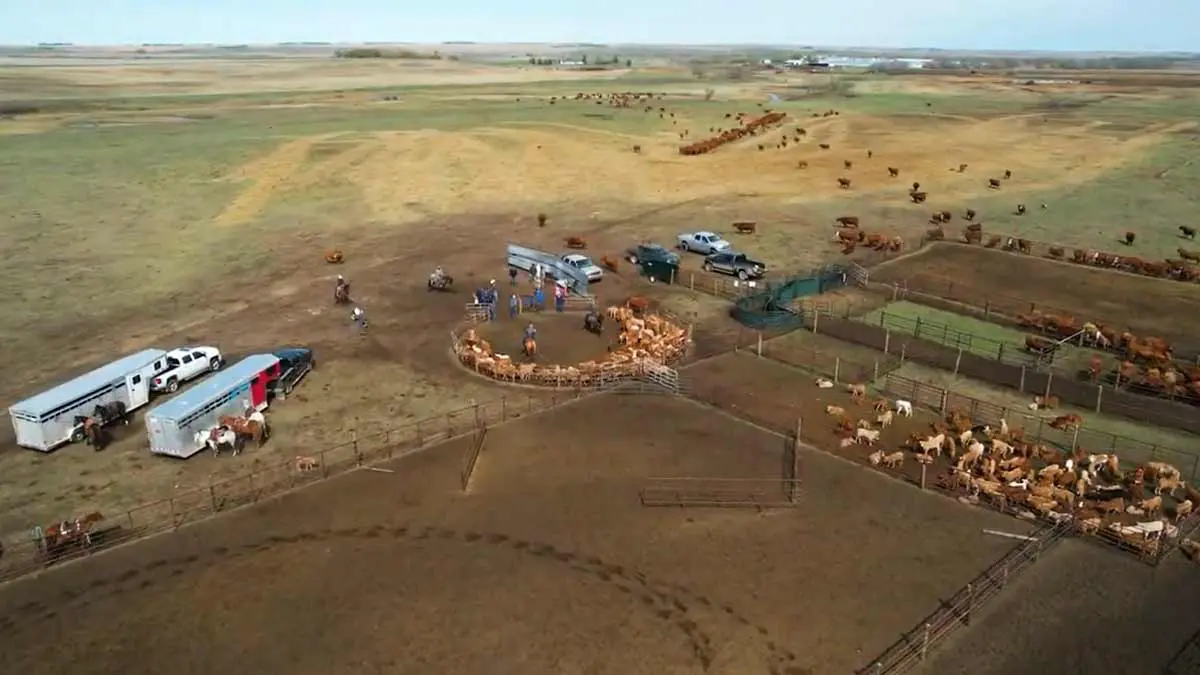
A feedlot is a specialized operation where cattle receive carefully balanced rations and close daily monitoring as they reach market weight. A ‘ration’ is the daily feed that cattle eat and cattle producers work with livestock nutritionists to plan rations that include cereal grains, forages or silage, and vitamins and minerals. Feedlots are generally a later stage in the production cycle, rather than where most cattle begin life.
The amount of time cattle spend grazing depends on location, weather, forage availability, and farm decisions. On many Canadian farms, cattle graze through spring, summer and fall, then receive stored feed during winter. Some cattle later move to a finishing program that includes a higher-energy ration of forage and grain.
Grazing can help maintain grasslands, which can by sharing and safeguarding lands that provide wildlife habitat and store carbon in soil. Environmental outcomes vary by location, grassland type, weather and management practices. Research continues into ways to improve grazing systems, soil health, water management and greenhouse- gas performance.

What does “grass-fed” or “grass-finished” beef mean?
All beef cattle eat grass or other forage at some point in their lives, particularly while they are calves and growing on pasture. That means the term grass-fed needs a little context.
In everyday use, “grass-fed” is often used to describe cattle raised mainly or entirely on forage. Grass-finished describes cattle that remain on a forage-based diet through the final stage before processing rather than moving to a grain-based finishing ration. Cattle that move to a feedlot and receive grain as part of a finishing ration may be described as grain-finished or grain-fed. The reason for cattle change to a more grain-based diet is because grain is higher in energy and grain-finishing produces tender, more marbled beef.
Canada does not have a single nationally standardized definition that sets exactly how all “grass-fed,” “100% grass-fed” or “grass-finished” claims must be used on beef labels. Food-label claims must still be truthful and not misleading, but the specific feeding protocol can differ among farms, brands and certification programs.
If grass-fed production matters to you, look beyond the label. Check whether the package or producer explains:
- Whether cattle were forage-fed for their whole life after weaning.
- Whether the cattle were grass-finished.
- Whether grain was included at any stage.
- Whether a third-party certification or documented farm protocol supports the claim.
Organic cattle are often grass-fed for much of their lives, but organic and grass-fed are not the same claim. Organic standards cover more than a cattle diet. They also set requirements for feed sourcing, pasture access, livestock health practices, and certification. A grass-fed product is not necessarily certified organic, and certified organic beef is not automatically the same as a product marketed as 100% grass-finished.
What do beef cattle eat on Canadian farms and ranches?
A cattle diet changes as animals grow and as seasons change. Farmers build rations around cattle’s nutritional needs, available feed and stage of production.
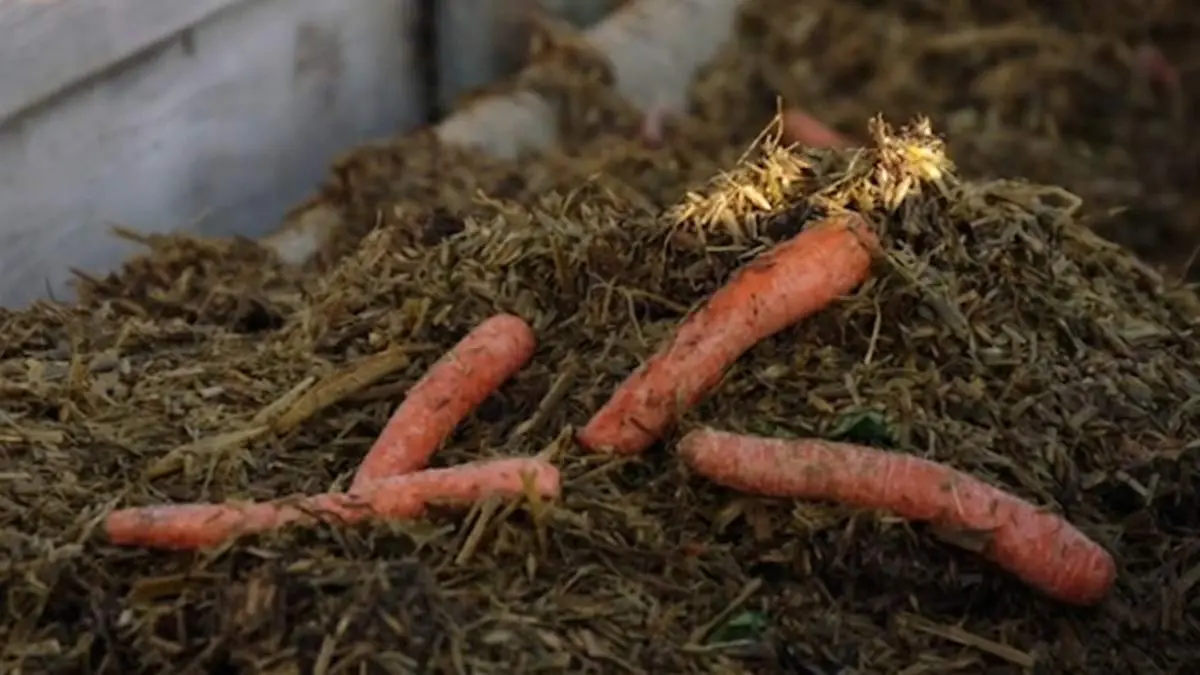
On pasture, cattle primarily eat grasses and other forage plants. In winter, when grazing is limited, farmers commonly feed stored forage such as hay, silage or baled forage. Minerals, vitamins and other supplements may be included when needed to balance the diet.
In a feedlot finishing stage, cattle receive a ration that includes both forage and grain. Ingredients can include barley, corn, oats, wheat by-products, silage, hay, canola meal, distillers’ grains, vitamins and minerals. The exact mix varies by province, season, feed availability and the cattle’s age and weight.
Cattle need reliable access to clean water at every stage. Farmers also monitor body condition, feed intake and animal behaviour to help identify when a feeding program or health plan needs adjustment. Many operations work with animal nutritionists or veterinarians to formulate and assess rations.
Grass-fed and grain-finished diets: what is the difference?
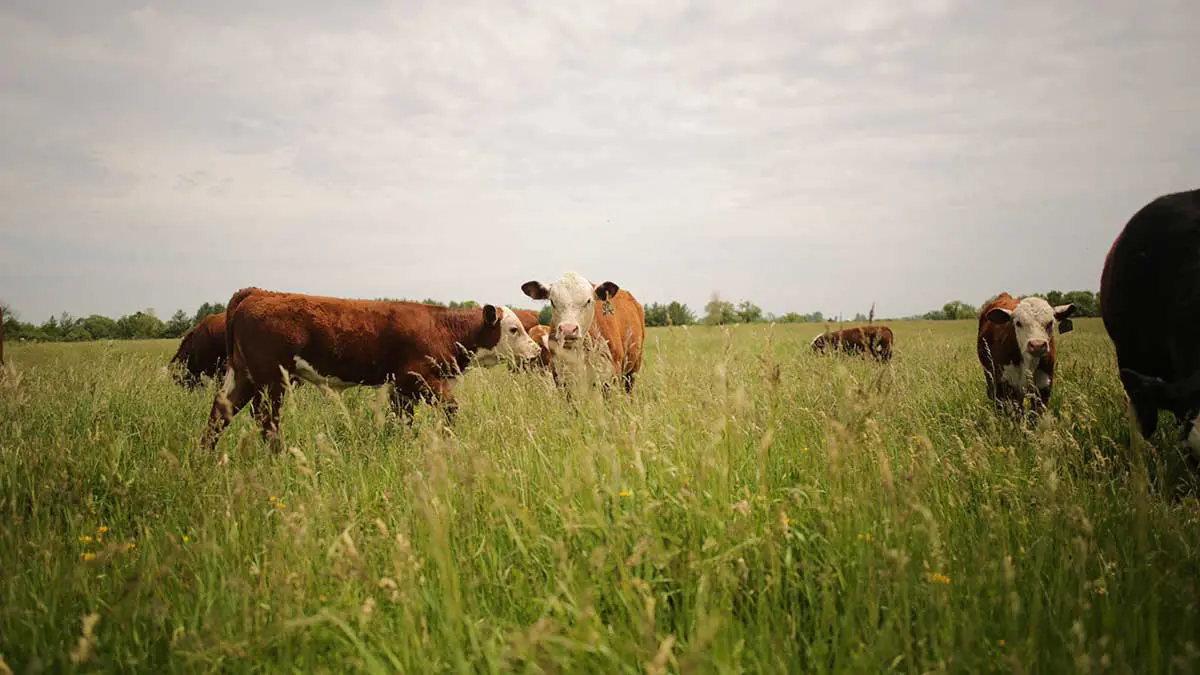
Forage includes pasture grasses, hay, silage and other plant-based feeds. A grass- or forage-finished program keeps cattle on forage-based diets through their final stage. A grain-finished program uses a balanced ration that includes grain along with forage as cattle approach market weight.
How does an organic cattle diet differ?
Organic cattle receive feed produced according to organic standards. That includes certified organic pasture, forage and other feed ingredients, with only limited exceptions allowed under certain standards.
Like all cattle, organic cattle need a balanced ration that meets their needs for energy, protein, fibre, vitamins and minerals. Organic production does not mean cattle only eat fresh grass. Depending on the season and location, they may eat pasture, hay, silage and other approved organic feeds. During the grazing season, mature cattle must receive at least 30% of their forage dry-matter intake from pasture; at least 60% of their daily dry-matter ration must be forage.
What this means for you
Grass-fed, grass-finished, grain-finished and organic are descriptions of different feeding systems or certified production standards, not simple quality grades. Choose based on the flavour, cooking result, price and production information that matter to you.
For curious home cooks
Grass- and forage-finished beef can be leaner and may have less marbling than some grain-finished beef, although individual results vary. Most often, the main differences are from the cuts of beef and cooking method. Leaner cuts are often best cooked carefully to avoid drying out: use a thermometer, avoid overcooking, slice thinly across the grain, or choose moist-heat methods such as braising for tougher cuts.
Grain-finished beef often has more consistent marbling, which can make some cuts well suited to grilling, pan-searing or roasting. In either system, the most useful shopping question remains: Which cut fits the recipe? Tender cuts suit quick, high-heat cooking making some cuts ill-suited to grilling, pan-searing or roasting.

Beef in the Kitchen: How to Choose, Store, Cook and Enjoy It
Find out how to simplify your beef choices in the kitchen with practical advice on cuts, cooking, and meal ideas.
How are beef cattle cared for and kept healthy?
Cattle care includes daily observation, preventive health planning, and prompt action when an animal is sick or injured. Farmers and ranchers monitor feed and water access, body condition, behaviour, physical soundness, weather stress and signs of illness.
The Code of Practice for the Care and Handling of Beef Cattle sets nationally developed guidance for beef-cattle care. The Code addresses nutrition, water, shelter, handling, transportation preparation, health management and euthanasia when necessary.
Routine care may include:
- Checking cattle daily or as often as conditions require.
- Providing feed, water, shelter, windbreaks or bedding appropriate to the weather and production setting.
- Maintaining dry, safe areas where cattle can rest.
- Working with veterinarians on disease prevention and treatment plans.
- Handling cattle with low-stress methods and suitable equipment.
- Treating illness or injury promptly and maintaining treatment records.
Many operations also participate in animal care assessments, verification or quality-assurance programs. Programs vary by province, processor, retailer and marketing arrangement. For example, Verified Beef Production Plus incorporates practices based on the national Codes of Practice.
Organic farms follow the national animal -care expectations that apply to beef cattle, while also meeting additional organic standards for livestock production. These standards include requirements related to organic feed, outdoor access and pasture during the grazing season, as well as restrictions on routine preventive drug use and growth-promoting substances.
What this means for you
Animal care on beef farms involves more than feeding cattle. It includes routine observation, weather protection, health planning and handling practices guided by nationally developed expectations and farm-specific protocols.
What happens to beef cattle in the winter?
Canadian winters can be demanding, so winter management is a major part of beef farming. Cattle may remain on winter pasture where conditions allow, or move to designated wintering areas, corrals, barns or sheltered feeding areas.
Cattle naturally grow winter coats and can tolerate cold conditions when they have enough feed, clean water, protection from severe wind and snow, and dry places to rest. Farmers may provide windbreaks, natural shelter, bedding packs, shelterbelts, barns or covered areas, depending on the farm and region.
Cold weather increases cattle’s energy needs, so farmers adjust rations or provide more forage. They also monitor animals closely during severe cold, snowstorms, freezing rain or muddy thaw conditions. Keeping water systems working in freezing temperatures is an important daily job.
What this means for you
Winter care is not an afterthought it is a serious concern on Canadian cattle farms. Farmers spend significant time managing feed, water, shelter, bedding and animal condition so cattle can stay healthy through changing weather.

Are hormones and antibiotics used in beef cattle, and is the meat safe?
Hormones and growth promotants
Certain hormonal growth promotants are permitted for use in conventional beef production in Canada under specific regulatory conditions. They are not used on every farm or with every animal. Before a veterinary drug is approved for use in food-producing animals, Health Canada conducts scientific reviews and establishes maximum residue limits.
Hormonal growth promotants are not permitted in certified organic livestock production.
Antibiotics
Antibiotics can be used in conventional beef production to treat, control or, in defined situations, prevent disease under veterinary oversight. They are not used to replace good management, nutrition, sanitation or animal care practices.
If an antibiotic is used, farmers must follow a withdrawal period: a required time between the final treatment and when an animal can enter the food supply. This allows time for residues to pass through the body and decrease to the regulated level before processing. Treatment records kept by individual farms support this process.
CFIA residue-monitoring programs test food from animals for a range of veterinary- drug residues, including antibiotics, hormones and other medicated products. At slaughter, inspectors can hold an animal or carcass for further assessment and testing when they suspect a residue concern.
In certified organic production, routine or preventive use of antibiotics and growth-promoting substances is prohibited. However, animal health comes first. If a sick or injured organic animal needs treatment, farmers must provide appropriate care under veterinary direction rather than withhold treatment to preserve the organic status. Depending on the medication and the standard, meat from a treated animal may no longer be marketed as organic.
You may also see products labelled “raised without antibiotics” or similar claims. These products follow program-specific rules. They offer a choice for consumers who prefer that production approach, but all beef sold in Canada, whether it is organic, conventional or raised without antibiotics, must meet Canadian food -safety requirements.
What this means for you
Beef sold in Canada must meet regulated residue limits, whether cattle received medicines or not. The safeguards include approved use, veterinary oversight, treatment records, mandatory withdrawal periods, inspection and monitoring.

Debunking Food Myths: Red Meat, Antibiotics and Hormones in Milk
Dietitian Lucia Weiler debunks food myths about red meat, antibiotics and hormones in milk.
How is beef inspected and kept safe?
Food safety relies on connected safeguards from the farm to your kitchen:
On the farm
Farmers keep health and treatment records, follow medicine withdrawal periods and work with veterinary professionals. Cattle that are ill may be treated, separated or managed according to the farm’s health plan. Animals must be fit for transport before leaving the farm.
During transport and processing
Canadian requirements address humane transport and food safety. At federally inspected processing facilities, animals are inspected before slaughter and carcasses are inspected afterward. Inspectors and plant personnel can identify conditions that require further examination, product removal or testing.
Processing plants use sanitation, temperature control, hazard-control systems and traceability practices to manage food- safety risks. CFIA sampling at slaughter can include testing for chemical residues, microbes, parasites and other hazards.
At retail and at home
Retailers manage refrigeration, sanitation and stock rotation. At home, safe storage and cooking complete the chain:
- Refrigerate or freeze beef promptly.
- Keep raw meat separate from ready-to-eat foods.
- Wash hands, cutting boards and utensils after handling raw beef.
- Cook ground beef thoroughly; use a food thermometer when possible.
- Refrigerate leftovers within two hours.

A Beginner’s Guide to Cooking Ground Beef
Ground beef is the perfect foundation for fledgeling chefs to hone their food safety & handling skills. Here are some guidelines for cooking ground beef.
What this means for you
Canadian beef passes through several safety checks before it reaches your kitchen. At home, proper refrigeration, avoiding cross-contamination and thoroughly cooking ground beef are important final steps.
How do beef farms and ranches affect the environment?
Beef cattle produce methane, and beef systems have environmental impacts that vary by region, production stage and management. That is only a part of the full picture.
Cattle play an important role in the ecosystem. Grazing cattle use large areas of pasture and rangeland that are not generally suited to annual crop production. When grasslands are maintained and well managed, they provide wildlife habitat, help protect soil, support water infiltration, and store carbon in soils.
Canadian beef sustainability assessments and research priorities examine both sides of this equation: the emissions associated with production and the ecosystem benefits associated with pasture and grassland management. Canadian beef sector research identifies grassland management, feed innovations, grazing strategies, soil carbon, biodiversity and water quality as ongoing areas of work.
Environmental outcomes are not identical across all farms. Rainfall, drought, soil type, stocking rate, grazing management, feed production, manure management and regional ecosystems all matter.
What this means for you
Canadian beef has environmental impacts and services, and both are being studied and addressed. Well-managed grazing can help maintain grasslands and their benefits, while farmers, researchers and the sector continue working to improve emissions, land stewardship and water management.
Who owns beef farms: families or companies?
Most Canadian beef farms and ranches are family-operated businesses. They vary widely in size, from small cow-calf herds to large ranches and feedlots with employees, and use sophisticated equipment, records and nutrition programs.
A family-owned farm does not always mean a farm is small. A family business may operate as a corporation for tax, succession or liability reasons, work with hired employees and sell cattle through contracts or branded programs. Farms often expand so that they can support several families from the business. Farms operate within supply chains that include auction markets, feed suppliers, veterinarians, transporters, processors, retailers and restaurants.
What this means for you
When you buy Canadian beef, you are supporting farm and ranch businesses that are run by families, even though the beef also moves through a larger network of processors, distributors and retailers before it reaches the store.
How can I make more confident choices with beef?
You do not need to understand every production detail to choose and cook beef with confidence. A few practical steps can help:
- Look for Canadian origin information on packages or ask your retailer about the beef’s source.
- Choose cuts based on how you plan to cook them, not only by price.
- Stretch higher-cost cuts with vegetables, beans, lentils, grains or mushrooms in tacos, bowls, pasta sauces and casseroles.
- Use ground beef in family-friendly meals such as chili, shepherd’s pie, spaghetti sauce or lettuce wraps.
- Store raw beef cold, keep it separate from ready-to-eat foods and cook ground beef thoroughly.
- If “grass-fed,” “grass-finished” or “grain-finished” matters to you, read beyond the front-of-pack phrase. Look for a detailed feeding description, a named certification program or a producer explanation of whether cattle were finished on forage or received grain.
- If another claim matters to you—such as “raised without antibiotics,” “organic” or a particular certification—read the label and look for information from the program behind it.
Beef labels can help you learn about a production approach, but they do not create one single right choice. “Grass-fed,” “grass-finished,” “grain-finished”, ”organic” and “raised without antibiotics” describe different standards, feeding systems or management choices. Canadian food-label claims must be truthful and not misleading. When a claim is important to you, look for details that explain what it means in that particular program.
What this means for you
The best beef choice is the one that works for your budget, recipe, values and household. Canadian origin, a suitable cut, safe handling and realistic meal planning matter more than trying to find a single “perfect” option.
Key takeaways
- Canadian beef cattle typically move through more than one production stage, beginning with cow-calf farms and pasture and sometimes including backgrounding and feedlot finishing.
- Cattle eat forage throughout their lives; their diet may also include stored feed, grains, vitamins and minerals depending on their stage and the season.
- Most Canadian cattle eat grass or other forage early in life. Beef marketed as grass-fed or grass-finished may reflect a forage-based finishing system, but Canada does not have one uniform federal definition for all of these labels, so it is helpful to look for a producer’s or certification program’s detailed explanation.
- Beef-cattle care includes daily monitoring, nutrition, water, weather protection, veterinary planning and nationally developed animal-care expectations.
- Approved hormones and antibiotics are regulated, withdrawal periods are required, and CFIA inspection and residue-monitoring programs help ensure beef meets Canadian safety standards.
- Canadian beef has environmental impacts and services, well-managed grazing can help maintain grasslands, wildlife habitat, soil health and stored soil carbon. Improvement and research continue.

 Caring For Our Grasslands