
Some Canadians who haven’t spent time in the prairies have the idea that it would be a dull place to visit. “Not much to see. Maybe the occasional herd of cows,” they might say.
But underneath and around those grazing cattle, Canada’s prairie ecosystem is home to wildlife running the gamut from tiny snails to moose. It’s also a critical stopover for millions of migratory birds every year. The grasslands where Canadian beef is produced definitely deserve a second look.
So Many Species
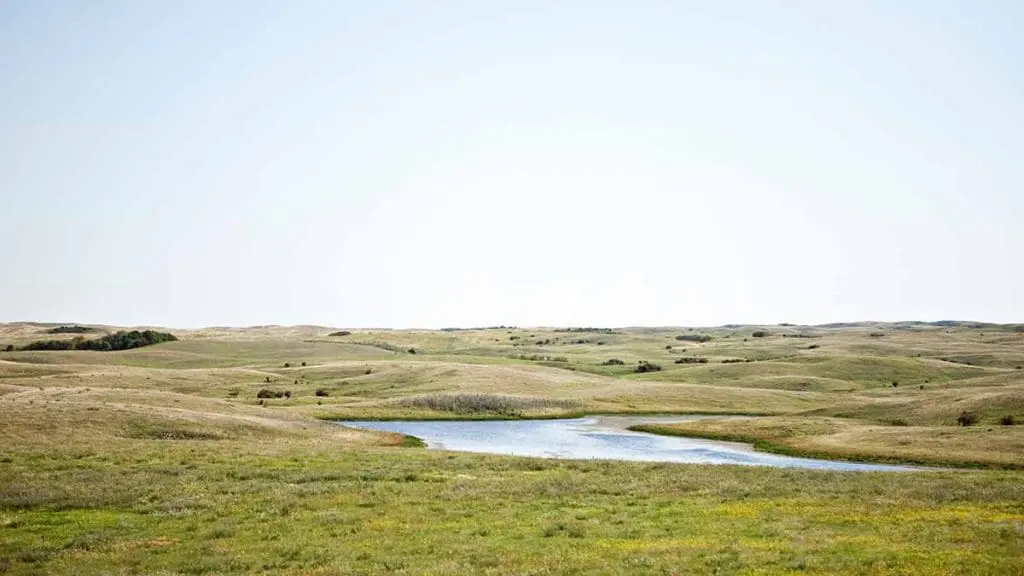
Some people see the grasslands from their car or plane window and think the scenery’s a little monotonous. But there’s a lot to see, once you know what you’re looking for and where and when to look.
Dr. Mitch Weegman holds the Ducks Unlimited Canada Endowed Chair in Wetland and Waterfowl Conservation at the University of Saskatchewan. Weegman relocated to Saskatoon to build the Chair program, which provides top-notch training opportunities for students to become leaders in wetland and wetland-dependent migratory bird conservation.
“There’s a lot of research to suggest that grasslands in Prairie Canada are seriously biodiverse,” Weegman says.
How can an area that passersby might think of as dull support biodiversity? It starts with the huge seed bank in native grasslands. “There is an amazing diversity of seeds,” Weegman says. Each year, moisture from the spring snow melt helps the seeds germinate, “even if they’ve been dormant for many years.” The variety of plants that grow from this seedbank supports a diverse range of other species.
While large grazing animals like cattle are the most well-known, many other species find food and shelter in sloughs or in riparian areas, the spaces where land meets freshwater at the edges of rivers, streams or ponds.
Freshwater Habitats for Invertebrates and Mammals
Many invertebrates (small animals with no backbones like snails and insects) thrive in clean, shallow water. During the spring and summer, melting snow and seasonal rainfall create freshwater habitats for these creatures throughout the grasslands. These invertabrates are a key part of the ecosystem. They serve as food for birds, mammals, and reptiles.
“Invertebrate growth and plant diversity result in a huge number of species,” Weegman says.
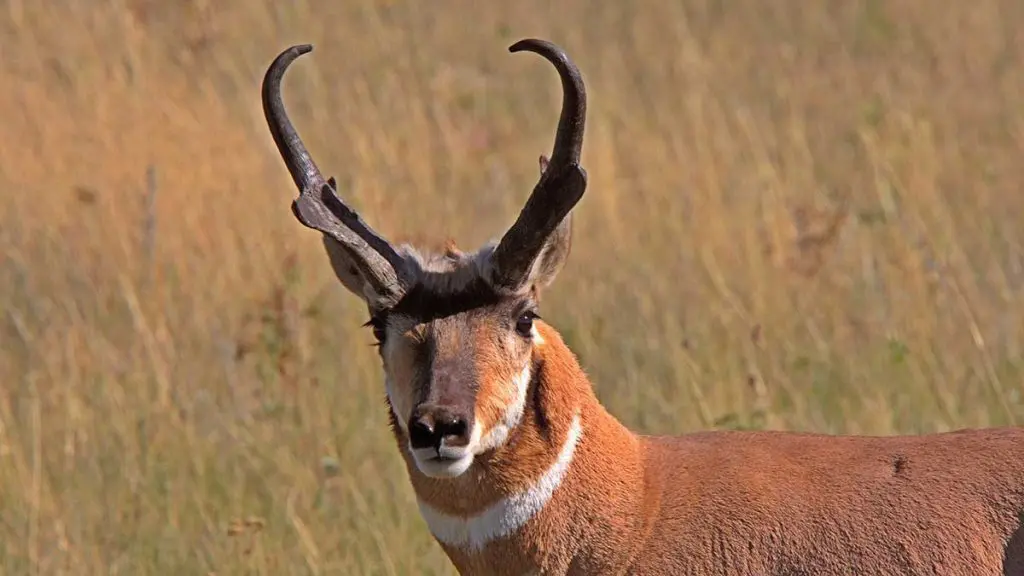
Deer, pronghorn, elk, coyotes, and ground squirrels are some of the more photogenic mammals that people tend to imagine when they think of the grasslands. These animals, along with their less glamorous counterparts like bats, voles and shrews, often seek shelter and water in sloughs and riparian areas across the grasslands.
Birds are the highlight for Weegman. He loves watching the huge concentrations of ducks, geese, and swans that migrate through the prairies in the spring and fall. Snow geese use Canada’s grasslands as a staging area during their annual migration. “They’re not going to overwinter, but it’s a place where they stop and refuel,” Weegman says. In the fall, snow geese flock together into groups numbering in the thousands. “That’s a total spectacle,” Weegman says.
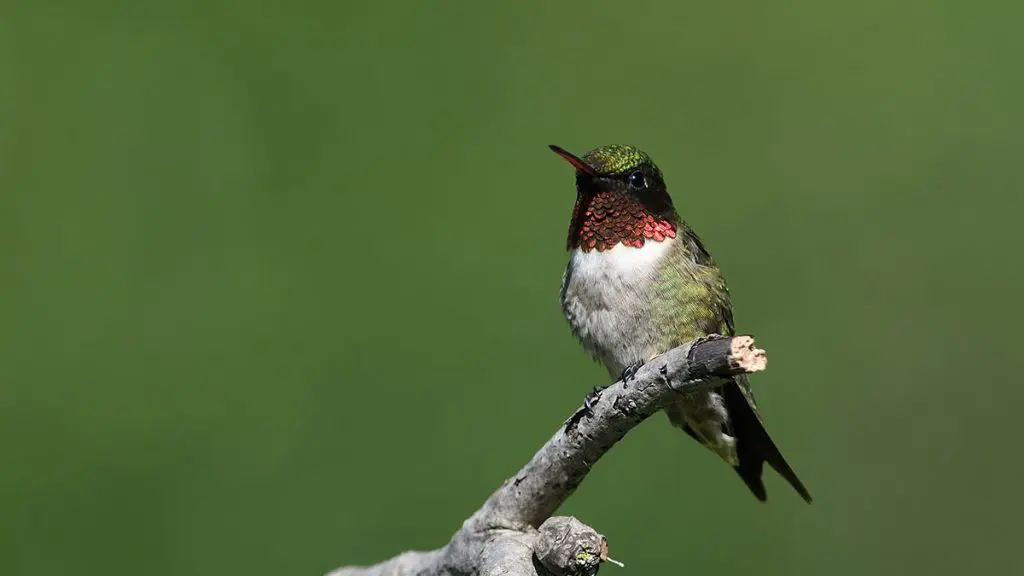
Not all migratory birds cause so much commotion. Tiny hummingbirds typically migrate through the grasslands in smaller groups, pollinating flowering plants and eating small insects. Meadowlarks, known for their iconic song, are more likely to be heard than seen when they visit the grasslands to breed.
Weegman wishes more Canadians could see the grassland ecosystem up close. “This is the privilege of a lifetime,” he says.
How do the herds of cattle fit in?
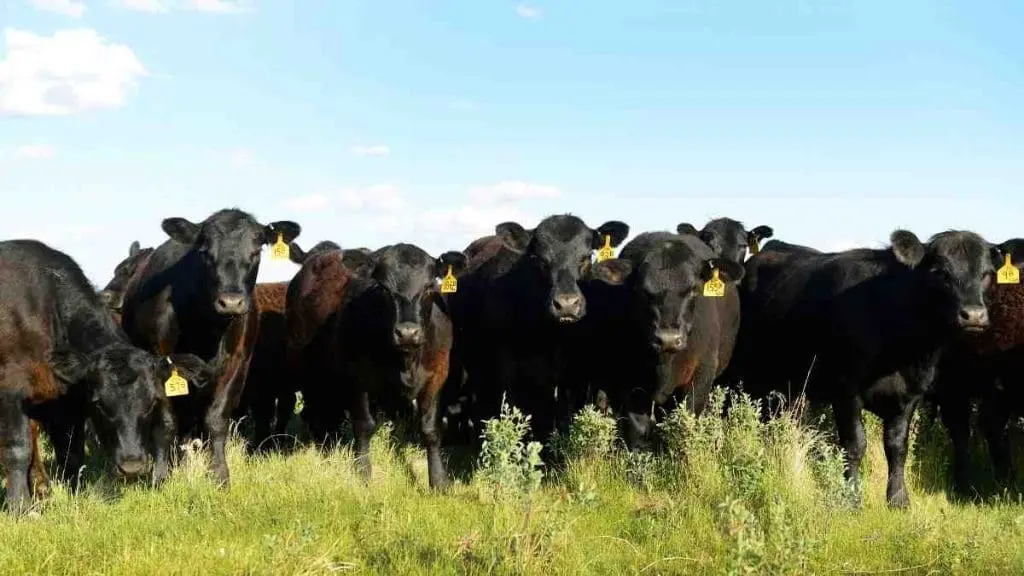
Originally, grazing bison helped maintain the grassland ecosystem’s soils and grasses by promoting new plant growth and recycling nutrients. Now beef cattle have largely taken on this ecological role. Food production helps maintain habitat for many other species.
Well-managed beef cattle herds don’t just help protect the grasslands physically; they also contribute to the economic viability of the grassland ecosystem. When native grasslands are used to produce beef, there is less financial pressure to convert the land to other valuable uses, such as field crop production or housing space.
Due to economic and environmental pressure, native grasslands are among Canada’s most threatened ecosystems. Only 20 percent of Canada’s original native grasslands are still intact. Using native grasslands for beef production is a stable way to maintain the ecosystem while also producing a reliable source of meat. On native grasslands, food production can coexist with conservation.
Many beef producers take extra care to preserve the grasslands where their cattle graze. They vary grazing intensity to prevent overgrazing, and they monitor rainfall and soil conditions to avoid keeping more cattle than the land can support. They also protect riparian areas and manage how cattle access streams, ponds and other water sources. These beef producers support their long-term economic livelihood by keeping the grasslands healthy.
Working Together on Conservation
Ducks Unlimited Canada is a non-governmental organization that helps beef producers protect the grasslands through agriculture production advice and specialized programming. “There are opportunities for producers who are conservation-minded to enroll,” Weegman says.
Weegman wishes more Canadians would take time to understand the grasslands that many beef producers, residents, and organizations like Ducks Unlimited are working to preserve.
“This is a spectacular place to call home, and we have a huge responsibility to safeguard it,” Weegman says.
If a trip to the prairies isn’t in your calendar, you can still help to support the production of grass-fed beef in the grasslands ecosystem. “It’s important for people to eat Canadian grass-fed beef,” Weegman says. “Eat a burger now and then. Protect these ecosystems to sustain wildlife populations and ensure future generations of Canadians can enjoy these special wild places.”

 One-Pot Penne With Lentil Ragout