
What Birdsong Can Tell Us About Rangeland Stewardship
2026 is The International Year of Rangelands and Pastoralists which highlights the people who manage rangelands as essential to the health of those landscapes. In Canada, that includes ranch families like Erika and Cycle Stewarts whose daily decisions about grazing, water, forage use and pasture recovery influence cattle production, habitat, soil and grassland resilience.
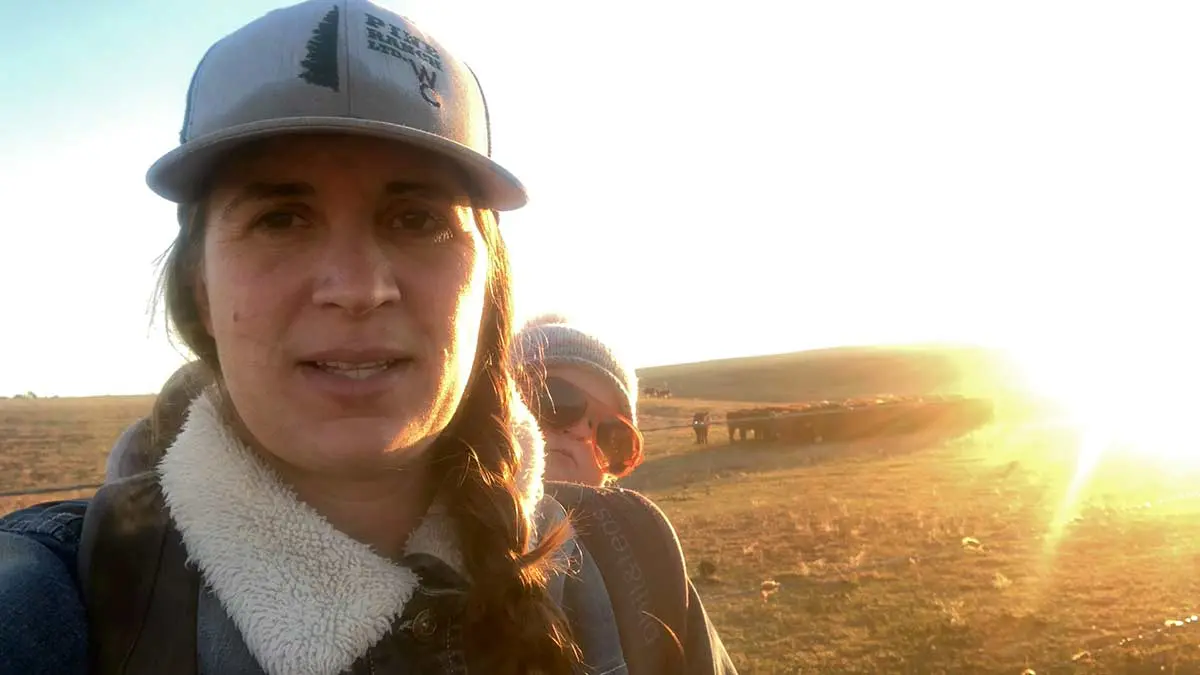
At Pine Ranch in southern Saskatchewan, Erika Stewart is giving Canadians a chance look into life on a cattle ranch. Erika Stewart has made it part of her work to show Canadians where their food comes from by sharing what ranch life is like and why stewardship matters to the food you bring home. From raising cattle on grasslands to helping document bird species living on their ranch, her family’s story shows how food production and stewardship can work together to manage the land with care.
That kind of care is often collaborative. Pine Ranch takes part in the Verified Beef Production Plus, a voluntary program focused on food safety, animal care, environmental stewardship and biosecurity. Those details matter because they show stewardship is not only a personal value. It can also be supported by training, standards and verification systems intended to build trust in how Canadian beef is raised.

Online series shows life at Pine Ranch
For several years, Stewart has shared the day-to-day reality of cattle ranching through videos and public-facing storytelling. Erika feels that it’s important for ranchers to tell their own story authentically, and that Canadians deserve a clear picture of how cattle are raised and cared for.
A Ranch Built on Family and Grass
Pine Ranch is a family-run cattle operation in southern Saskatchewan led by Erika and Cyle Stewart alongside their daughters and Erika’s parents, Bill and Terry Strande. Pine Ranch is a cow-calf operation, with a land base that includes native prairie grassland, tame grass pasture and hayland.
Erika grew up ranching near Merritt, British Columbia and in 2017, the family moved their cattle operation east as urban pressure made it harder to expand in B.C., adapting their ranching practices from a mountain landscape to open prairie grasslands.
That prairie grass base shapes how the ranch operates. The Stewarts have focused on making better use of available forage by using adaptive multi-paddock grazing (Splitting a larger pasture into smaller areas using electric fencing) on tame grass pasture, improving fencing on native grass, and developing water systems to distribute cattle more effectively across the land.
Stewardship You Can Hear
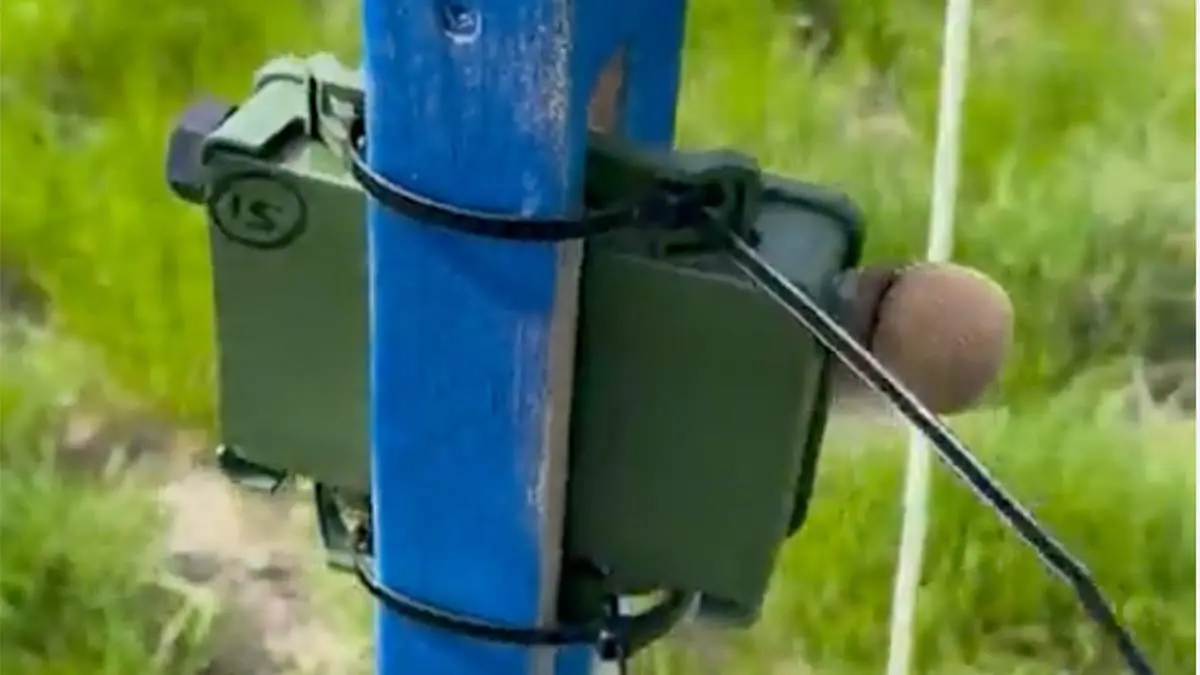
A strong example of that stewardship is Pine Ranch’s involvement in bird monitoring on pasture grasslands. It’s part of a collaborative project between Birds Canada and the Canadian Roundtable on Sustainable Beef. The ranch worked with Agriculture and Agri-Food Canada scientists to record bird song at six locations on their ranch, connecting everyday ranch management to a recorded measurement of wildlife activity. The recorders were placed on a mix of seeded tame grass, native grass and areas that were grazed by cattle and areas that were not grazed yet. The Stewarts were interested in finding out if the different types of grass or areas that had been grazed or not, made a difference to the results of the birdsong monitoring.
The Stewarts will also take part in the Bird Friendliness Index through South of the Divide Conservation Action Program (SODCAP) and Living Lab. Developed by Birds Canada and adapted for the Canadian Prairies, the Bird Friendliness Index is designed to assess how land management affects bird communities at the farm level and to help demonstrate biodiversity outcomes on working landscapes.
By participating, Pine Ranch is helping document which bird species are found on the grasslands on their ranch and how those habitats respond over time. “It was a very simple process,” Erika says. “We spent an hour with a researcher in the morning picking places and installing the recorders. Then we had to ensure they were installed in areas cows weren’t going to be grazing in because they could rub on the recorder and damage it. It was a simple process and very neat to learn more about the different species that live on our ranch.”

Species at Risk Identified
Past results of the Birds Canada survey, completed in 2022-2023, identified 47 different bird species on the surveyed area of Pine Ranch. Four of the species, the Baird’s Sparrow, Barn Swallow, Chestnut-collard Longspur, and Sprague’s Pipit are identified as Species at Risk. This information supports the conservation goals at Pine Ranch and helps the Stewarts better understand the biodiversity present on their ranch rangelands.
“We love learning and really value continuous education. We have totally changed how we manage our grasslands. For us, the bird monitoring work is another way to verify we are heading in the right direction of our goals. If there are more bird species than when we started in 2022, that means we are providing an even better habitat. For us, the number and diversity of species is like our report card, and if we have high diversity, that means we are doing some things right. We love trying new things on our operation that value our animals and the environment, and we also want to test the theories. The bird monitoring is part of that. Also, it is just interesting to see what other species calls our ranch home.”
Supporting Local Ranches
For many Canadians, choosing food is about more than what is on the plate. It can reflect values such as caring for animals, protecting land and water, supporting family businesses, and providing nutritious food for the people they love.
Those values are also part of daily life for many ranch families. Behind Canadian ranches are people caring for cattle, managing grasslands through changing weather, protecting the long-term health of their land, and working to understand the wildlife that shares it. Every ranch is different, but these shared priorities can help Canadians feel more connected to the people and places behind their food.
“I would love for Canadian consumers to know that when they are buying beef, they are supporting a business, typically a family business, that is dependent on healthy animals and healthy environment and ecosystem. Ranchers strive to ensure the best possible health for the animals and their grasslands,” Erika says.
Pine Ranch offers a clear picture of what modern ranch stewardship can look like in Canada: practical, transparent and rooted in everyday decisions on the land. By sharing her family’s work and helping connect cattle production with monitoring habitats for birds and grassland care, Erika Stewart is giving Canadians a deeper understanding of the people and places behind their food.

 Canadian Sweet Potato Varieties: Taste, Texture and Best Uses