
A rangeland that feeds more than us
From food and wildlife habitat to soil and water, Canada’s grazing landscapes serve many purposes. Understanding how they work offers a fuller understanding of the relationship between the land and cattle producers in Canada.
How do you connect the food on your plate to the landscape where the animal was raised? The grasses it grazed, the wildlife sharing that habitat, and the people making decisions about the land?
Those connections are part of the story of Canada’s grasslands. These rangelands provide forage for cattle while supporting wildlife, storing carbon in the soil, and contributing to water regulation. Understanding their role means looking at food production and conservation together, rather than as entirely separate activities.
The United Nations designated 2026 as the International Year of Rangelands and Pastoralists to draw attention to these relationships worldwide. It recognizes both the importance of grazing landscapes and the knowledge of the people whose livelihoods depend on them.
Here in Canada, that is an opportunity to explore how grasslands, livestock production and stewardship connect to the food we eat.
Articles featuring the International Year of Rangelands and Pastoralists
What are rangelands?
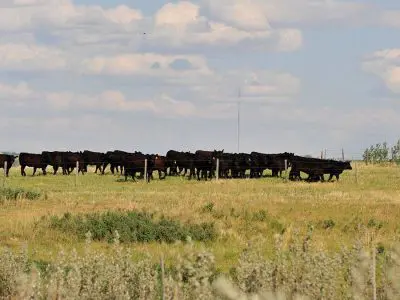
Rangeland describes landscapes dominated by grasses, other herbaceous plants, shrubs and sometimes trees that support grazing livestock and wildlife. Grasslands are one type of rangeland, but the term also includes other ecosystems such as desert shrublands, savannas, woodlands, and wetlands.
Pasture is a related term. It describes land maintained for livestock feeding and can include natural vegetation or deliberately seeded forage plants. Rangelands and pastures together provide an important foundation for grazing livestock systems around the world.
These landscapes are not the same as fields waiting to be planted with an annual crop. Rangelands have conditions that make annual crop production difficult or unsuitable, while still supporting plants that grazing animals can use for food.
That distinction matters when considering how different kinds of land contribute to our food supply.
How grass becomes food
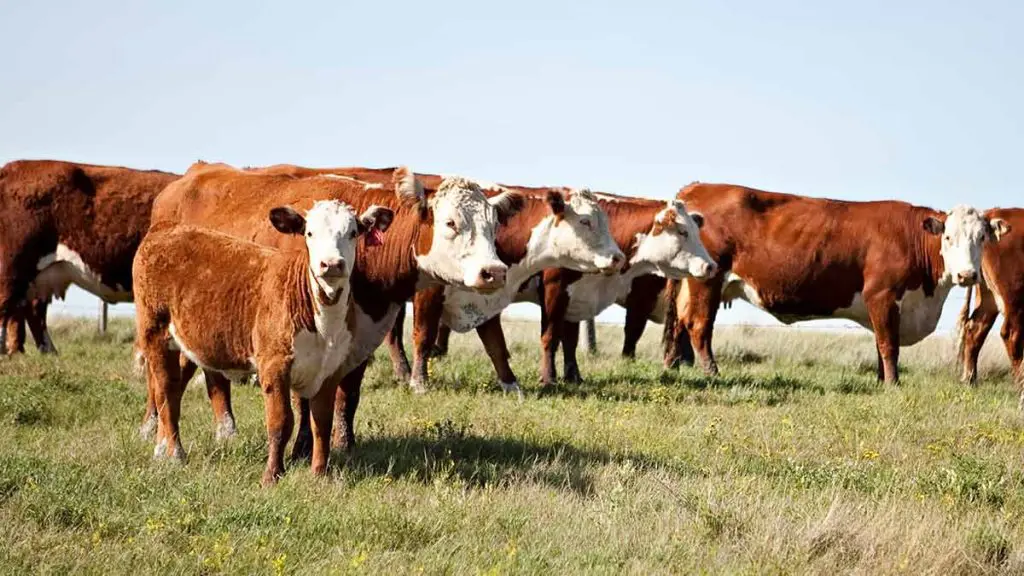
Cattle and other grazing animals can turn plant material that humans cannot use directly into a source of protein. Grazing provides a way to produce food from landscapes that may not be suitable for growing annual food crops.
It also gives grasslands an economic role within a working ranch or livestock operation. Maintaining land for grazing can help keep perennial vegetation in place, rather than converting it to other uses. The environmental value of a grazing system depends on the habitat present and how it is cared for, so retaining grassland and managing it well are both important.
The story extends beyond the grazing animals themselves. It includes what grows in that habitat, what lives nearby and the decisions pastoralists made across the rangeland.
Wildlife shares the grasslands
Grasslands are home to much more than grazing cattle. Plants, insects, birds and mammals depend on these habitats, and grassland landscapes can also include wetlands, streams and other areas that support wildlife.
Grazing helps conservation efforts because it influences plant growth and habitat structure. Different plants respond differently to grazing, and those responses help shape the conditions available to wildlife. The benefits depend on management suited to the landscape and the species using it.
Keeping habitat intact is another important part of the relationship. Native prairie provides functions that are difficult to replace once the land is converted, including wildlife habitat, biodiversity conservation and water infiltration.
Beef Production Supports Wildlife
Explore the connection. Canada’s prairie ecosystem is home to wildlife running the gamut from tiny snails to moose. It’s also a critical stopover for millions of migratory birds every year.
Grasslands matter below ground, too
Much of what makes grasslands valuable is less visible than the mammals or birds that call this rangeland home.
Prairie ecosystems store carbon and other nutrients, help water move into the soil, and filter and buffer water as it moves through the landscape. These functions connect grassland conservation with both climate and water management.
The distinction between storing existing carbon and removing additional carbon from the atmosphere is important. Canada’s beef sustainability assessment identifies soil carbon stocks on land used for beef production as something to safeguard and monitor. It also recognizes that beef production uses resources and creates environmental pressures. Carbon storage is one part of that broader picture, not a reason to overlook other impacts.
Protecting grasslands is a long-term undertaking. It involves maintaining ecological functions while keeping the businesses that manage these landscapes viable.
Those Working for Prairie Conservation Play the Long Game
Explore the connection. Canada’s prairie ecosystem is home to wildlife running the gamut from tiny snails to moose. It’s also a critical stopover for millions of migratory birds every year.
Stewardship starts with people and decisions
The word “pastoralist” refers to people whose livelihoods rely mainly on grazing animals. Around the world, pastoralism takes many forms, and is shaped by local environments, cultures, and knowledge. The International Year designation recognizes those differences while drawing attention to the shared importance of healthy rangelands.
Canadian ranch families are part of this wider story. Their work connects livestock production with decisions about grazing, vegetation, water and habitat. Conservation also involves collaboration. Canada’s beef sustainability strategy identifies partnerships between producers and conservation organizations, habitat improvements, and range and riparian health assessments as priorities.
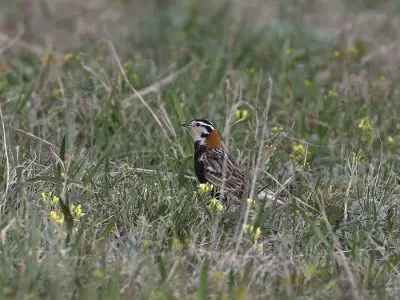
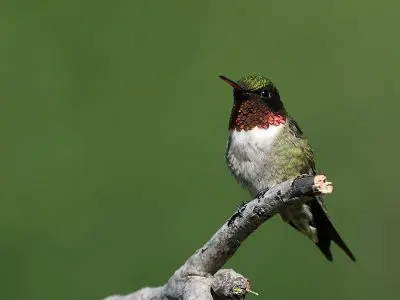
Stewardship becomes easier to understand when those activities are visible. At Pine Ranch in Saskatchewan, bird monitoring is helping document which species use the ranch’s grasslands and how those habitats respond over time.
This example of stewardship offers insight into the relationship between food production and conservation; looking beyond the cattle to learn more about the wildlife sharing the land.
Birdsong On The Range
Meet the people behind that work. Pine Ranch is helping document which bird species are found on the grasslands on their ranch and how those habitats respond over time.
What this means for your food choices
Caring for animals, protecting land and water, and producing food for families provide useful starting points for conversations between ranchers and everyday Canadians. At the grocery store, it is not always possible to see the management decisions behind a product. Learning about individual ranches and conservation projects helps make those decisions more understandable.
Not every ranch has the same landscape or participates in the same programs. A Canadian origin claim alone does not describe a particular farm’s habitat or environmental outcomes. Specific examples, credible research and documented practices offer a more useful basis for understanding how food production and stewardship can work together.
Canada’s grasslands illustrate that connection. They are sources of livestock feed, wildlife habitat, stored soil carbon, and important water functions. The future of these landscapes depends on keeping the rangelands intact and supporting informed, responsible management.
Understanding those connections adds context to the relationship between land, wildlife, and people behind our food.

 Canadian Eggs from Farm to Table: Your Complete Guide