
Eggs are one of the most versatile foods in a Canadian kitchen. They work at breakfast, lunch and dinner, and they come from farms in every province. This guide brings together how eggs are produced in Canada, how to choose and store them, how to cook them, and answers to common questions.

Who Produces Canada’s Eggs
There are more than 1,000 egg farmers and farm families in Canada, and Canadian egg farmers sell nearly 8 billion eggs each year. Many are multi-generation family operations. Meet one of them in Egg Farming Across Six Generations, the story of the Colborn family of Delisle, Saskatchewan.
Egg farming in Canada operates under supply management, a system that matches production to Canadian demand through quotas set by provincial marketing boards. Learn more in What Is Supply Management? and for national producer information, visit Egg Farmers of Canada.
How Laying Hens Are Raised
From pullet to laying hen
Laying hens start as chicks on pullet farms, where they are raised from one day old until about 19 weeks of age before moving to a laying barn. A hen lays around 340 eggs per year, and the rate varies with age, breed, health and environment. See inside a pullet barn in What is a Pullet Farm?
Note: Layer farms are different from broiler hatching egg farms, which produce fertilized eggs that hatch into chickens raised for meat.
Housing systems
Laying hens in Canada live in barns with one of several housing systems: traditional housing, enriched, free-run, free-range, and free-run aviary. Each system has its pros and cons, but all production methods on Canadian farms must be certified under the national Egg Quality Assurance program, which is third-party audited.
Explore further:
What hens eat
Hens eat a balanced diet that can include corn, wheat, barley, rye, oats, along with sources of protein, vitamins and minerals, with continuous access to fresh water. Feed follows Canadian Food Inspection Agency regulations, and pulses and oilseeds such as peas, soybeans, canola and flax may be added.
Hormones and antibiotics
In Canada, no chickens are ever given added hormones, regardless of the type of farm they live on. In fact, eggs sold in Canada are antibiotic free and free of added hormones. Antibiotics can be used to help prevent pain and suffering in animals when they have infections. However, Canada has strict regulations to ensure that antibiotics have cleared an animal’s system before any product from the animal is sold as food. When laying hens are given antibiotics, their eggs are thrown away until antibiotics can no longer be detected.
Choosing Canadian Eggs at the Grocery Store
Grades and sizes
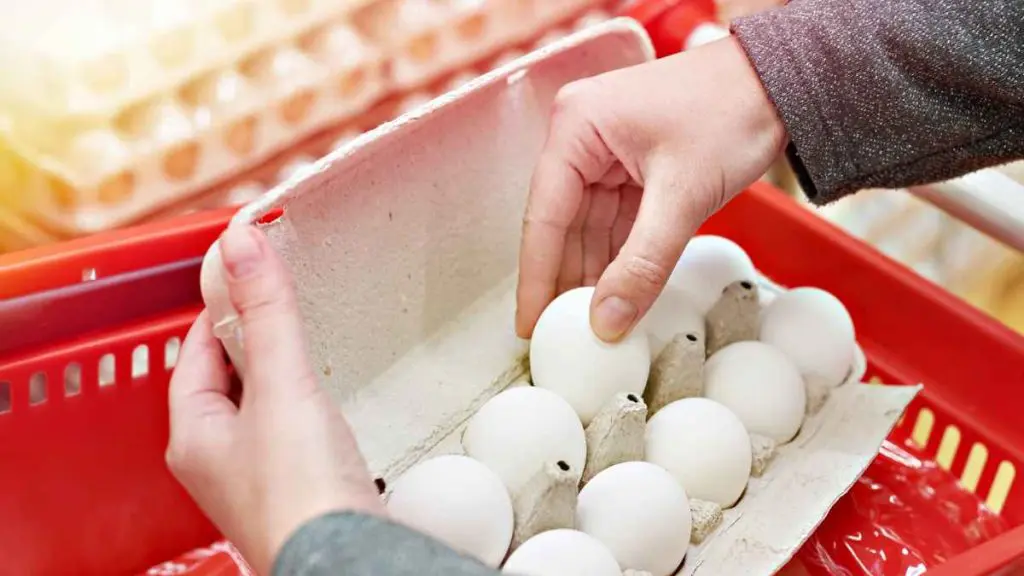
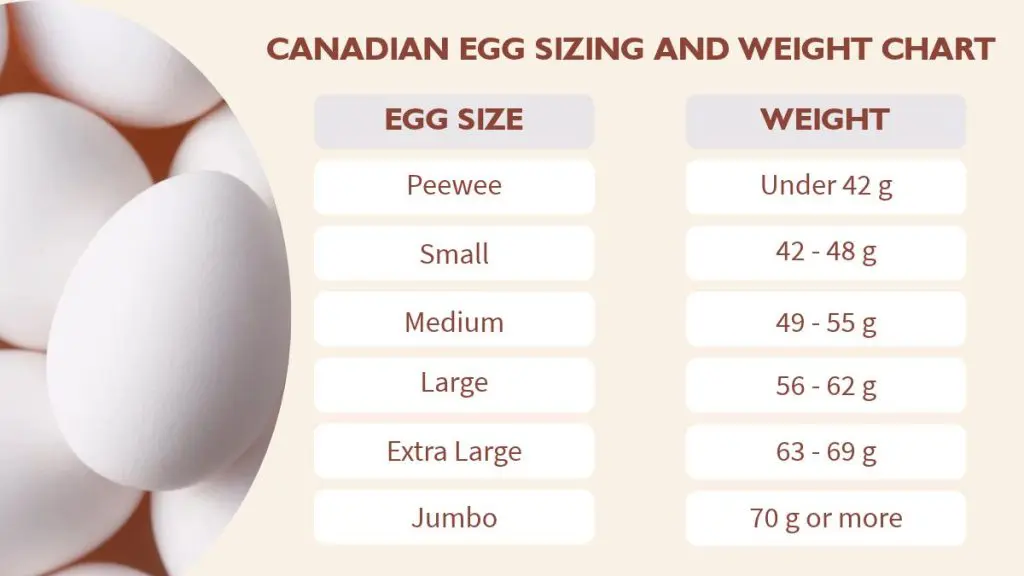
All eggs sold in Canadian grocery stores must meet Canada Grade A. Grade A eggs have no cracks, a centred yolk and a firm white. Grade B and C eggs go to commercial baking or processed egg products. At a grading station, eggs are washed, candled with a strong light to check for imperfections, weighed and sorted by size.
Sizes are based on weight, not appearance, so eggs in one carton may look slightly different.
Egg types
Regular white or brown, free-run, free-range, organic and omega-3 eggs give shoppers choices. Organic eggs come from hens fed certified organic feed and raised in free-range barns, with outdoor access when conditions permit. Omega-3 eggs come from hens fed a diet that includes flaxseed. Compare the options in A Case of Multiple Egg Options or listen to What’s with All the Different Types of Eggs?
White or brown? Pale or deep yellow yolk?
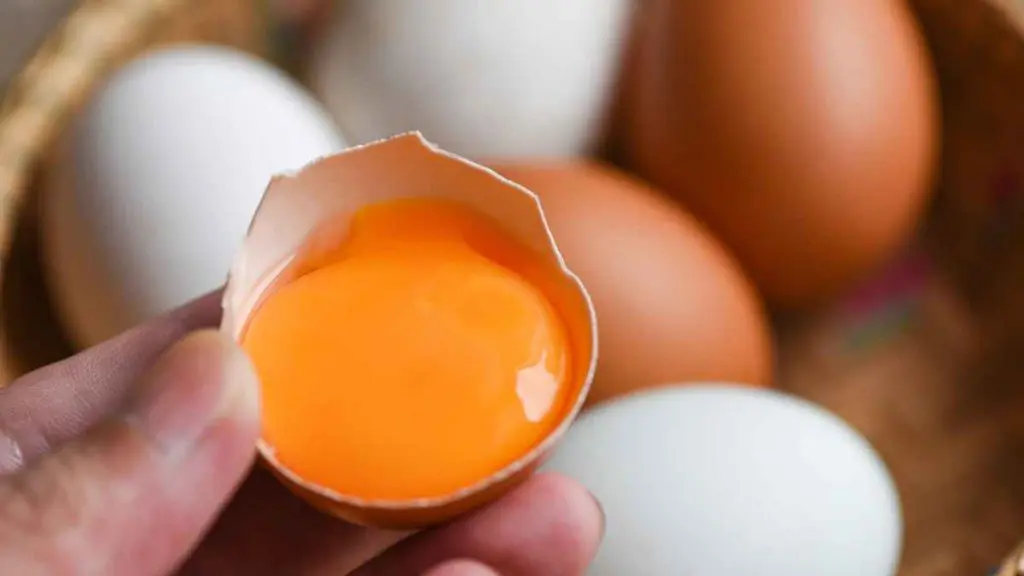
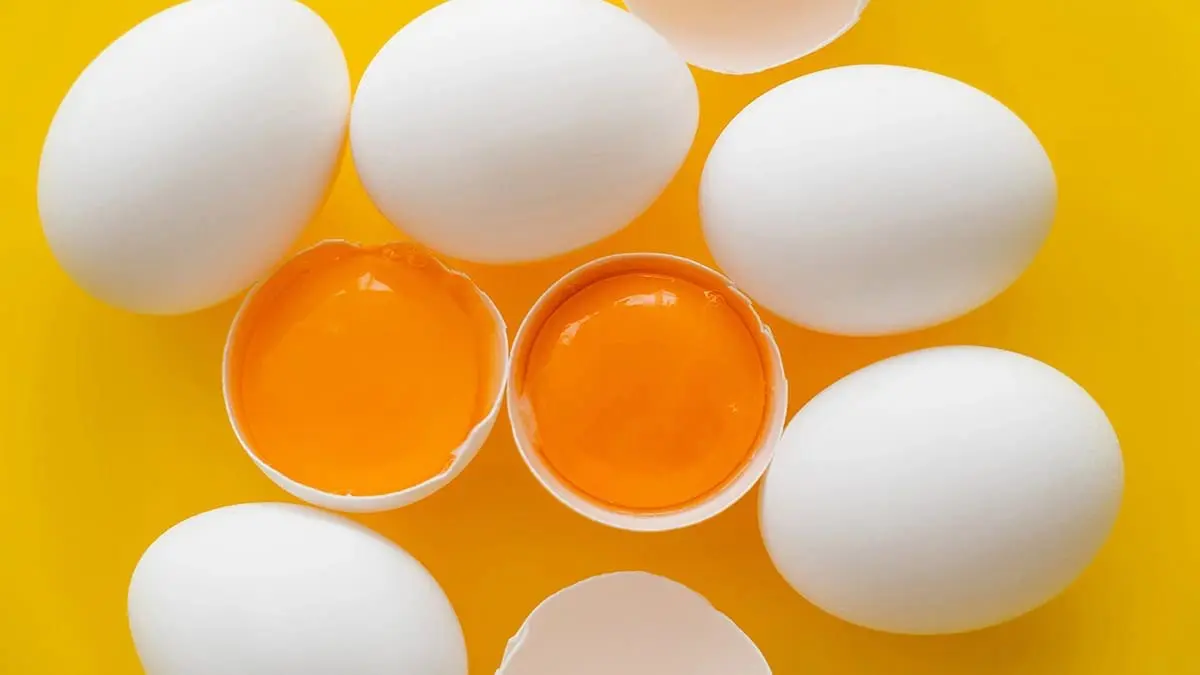
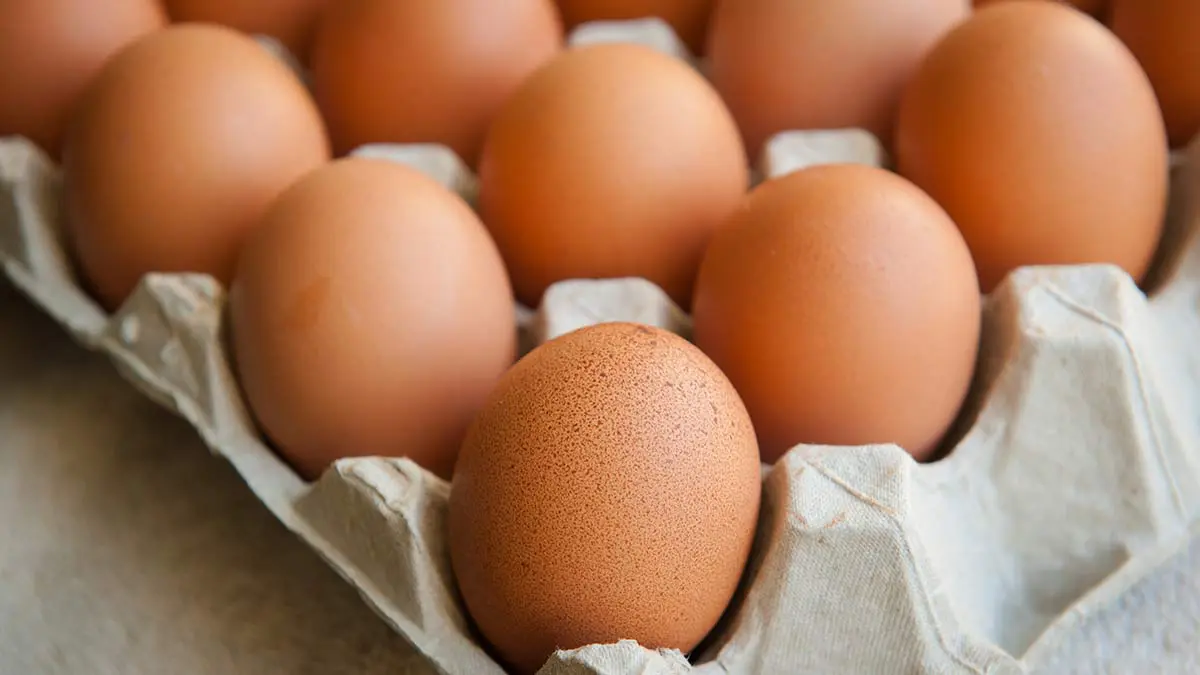
White and brown eggs have essentially the same nutritional value, quality and flavour. Shell colour reflects the hen’s breed, and brown-egg hens are generally larger and eat more feed, which can contribute to higher prices. Yolk colour depends mainly on feed: wheat-based diets often produce paler yolks and corn-based diets deeper yellow yolks, with no difference in nutrition or quality. Read more in Eggs and Yolk Colour: What You Should Know.
Storing Eggs and Checking Freshness
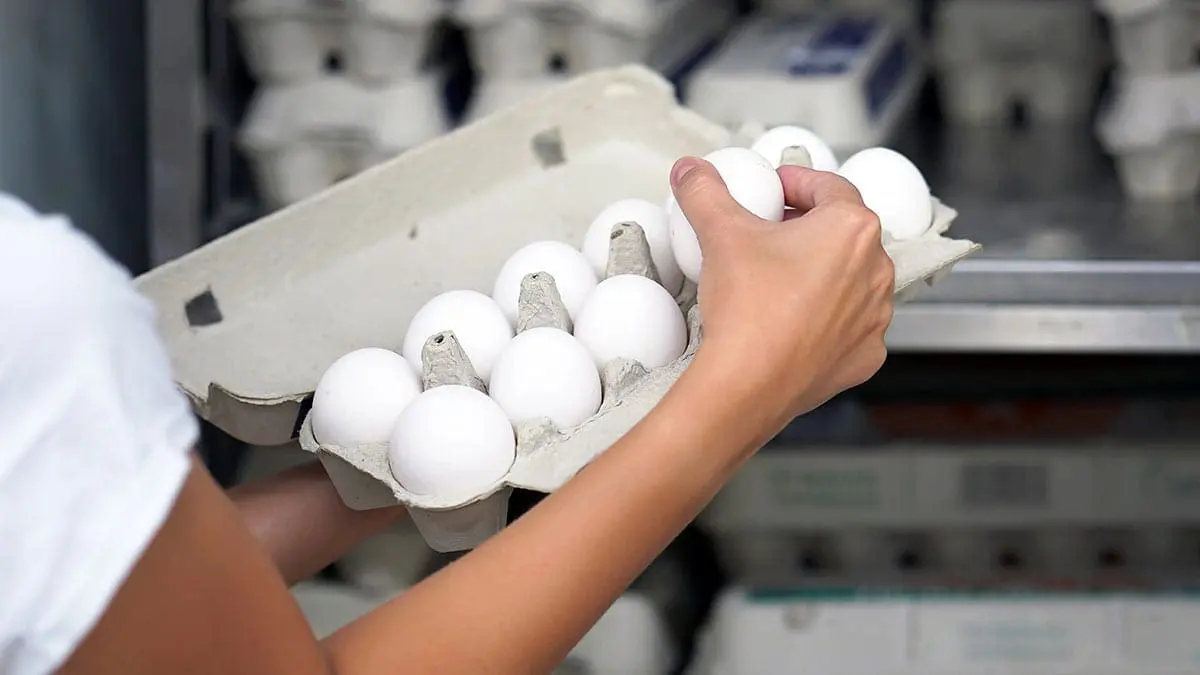
Keep eggs in their original carton in the main body of the refrigerator rather than in the door, because this provides a more consistent temperature. The carton helps protect them from damage and prevents them from absorbing strong odours and flavours of other food. Keeping them in their carton also keeps the best-before information handy.
Storage reminders
- Do not leave raw or cooked eggs at room temperature for more than two hours.
- Store hard-boiled eggs in a sealed container in the refrigerator for up to one week.
- Refrigerate cooked leftovers within two hours and use them within three to four days, or freeze them for later.
- Pack an ice pack with an egg salad lunch to keep it cold.
Can you freeze eggs?
Yes, but not in their shells. For whole eggs, crack them into a bowl, gently beat until blended, then transfer to an airtight freezer-safe container with room for expansion. Label it with the date and number of eggs.
Egg whites can also be frozen separately. Yolks need extra preparation because they can thicken when frozen. To help prevent thickening during freezing, mix in either 1/8 tsp (0.5 mL) of salt or 1 1/2 tsp (7 mL) of sugar or corn syrup for every 1/4 cup (50 mL) of egg yolks (about 4 yolks). Label the container with the number of yolks, the date, and whether salt or sweetener was added. Use salt-treated yolks for savoury dishes and sweetened yolks for baking and desserts. Thaw frozen eggs in the refrigerator and use them promptly in thoroughly cooked dishes or baking.
Recommended Storage Times for Eggs
| Fresh shell eggs | By best before date |
| Leftover yolks or whites | Within 2 to 4 days |
| Hard-boiled eggs | Within 1 week |
| Prepared egg dishes | Within 3 to 4 days |
| Pickled eggs | Within 1 month |
| Frozen whole eggs (blended) | Within 4 months |
Egg Nutrition
Eggs are a nutritious, versatile food that provides high-quality protein, healthy fats and essential nutrients. Two large eggs contain about 13 grams of protein and 160 calories, along with vitamins A, D and E, vitamin B12, iron, folate, selenium and choline. Eggs are also a complete protein source, meaning they contain all nine essential amino acids the body needs to build and repair tissues. Many of these nutrients are found in the yolk, so eating the whole egg helps you get the full nutritional benefits. Eggs can be enjoyed as part of a balanced diet alongside vegetables and fruits, whole grains and other protein foods.

Cooking and handling eggs safely
Raw eggs can contain bacteria even when they look clean. Wash your hands before and after handling eggs, and clean utensils and work surfaces that have touched raw egg.
Health Canada recommends cooking eggs and egg-based foods to an internal temperature of at least 74°C (165°F). Raw or lightly cooked eggs are especially risky for young children, older adults, pregnant people and people with weakened immune systems. For foods that will not be heated, such as some dressings or icing, use pasteurized egg products instead of raw eggs.
Did you know? Canadian eggs are subject to one of the most rigorous inspection and grading systems in the world, helping keep the risk of Salmonella contamination very low. However, raw eggs could still contain Salmonella, so cookie dough and cake batter made with raw eggs should not be eaten until they have been thoroughly cooked.
For cooking techniques, explore Eggs: Basic cooking skills. Apply the safety guidance above when preparing egg recipes.
Start with simple methods, then build from there:
- Hard-cooked eggs: Simply Egg Salad includes a reliable hard-cooking method.
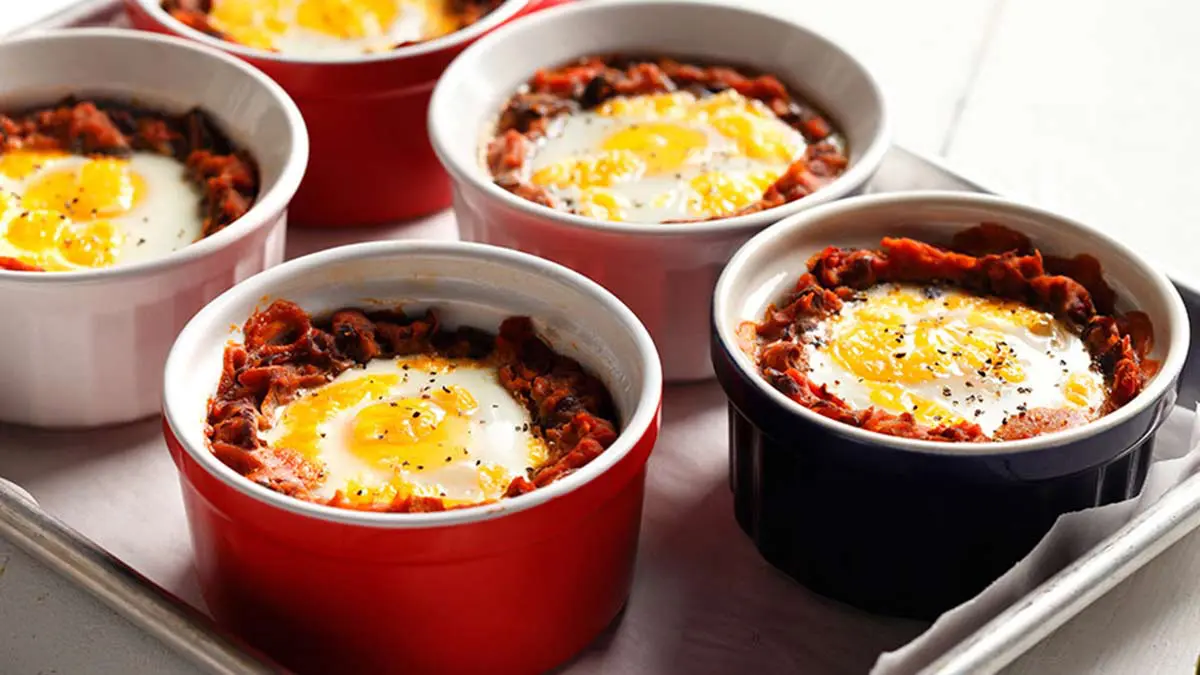
- Baked eggs: Mexican Baked Eggs on Black Beans.
- Feeding a crowd: make a sheet pan omelette.
For more Eggs 101 how-tos on how to cook the perfect omelette, how to make scrambled eggs or how to poach an egg like a pro, see Eggs.ca.
Common Egg Questions
Are grocery store eggs fertilized?
No. Hens lay eggs without a rooster, and federal regulations prohibit fertilized eggs from being sold as human food.
Are hens given hormones or steroids?
No. Hormones are not used in Canadian egg or chicken production.
Does a brown egg mean organic?
No. Both white and brown eggs can be organic; shell colour does not determine organic status.
Can I use eggs after the best before date?
Yes, if stored properly, though they are better for baking, hard cooking or scrambling.
Is it best to peel hard-boiled eggs while they’re hot or cold?
For easier peeling, it’s best to let hard-boiled eggs cool completely before peeling. After cooking, transfer the eggs to an ice-water bath and chill thoroughly. Cooling helps loosen the membrane between the shell and egg white, making the shells easier to remove.
What is the 5-5-5 rule for cooking eggs?
The 5-5-5 rule is a simple method for making hard-boiled eggs in an Instant Pot or pressure cooker. Cook the eggs at high pressure for 5 minutes, allow the pressure to release naturally for 5 minutes, then transfer the eggs to an ice bath for 5 minutes. This method helps produce consistently cooked eggs that are easier to peel.
Whether you choose brown or white eggs, understanding the carton and following storage and cooking guidance can help you use them confidently.
Additional Articles to Explore











 Broccoli, Lentil & Shrimp Sheet Pan Dinner