

What started as a simple idea for an easy family brunch at my house quickly turned into a full‑blown frittata “frenzy.” Family members came early, helped chop vegetables and whisk eggs, and together we turned three planned frittatas into five, including versions to fit different tastes and dietary needs. It was more fun than frenzy, and it showed just how flexible—and budget‑friendly—frittatas can be.

Why Frittata Belongs in Your Supper Rotation
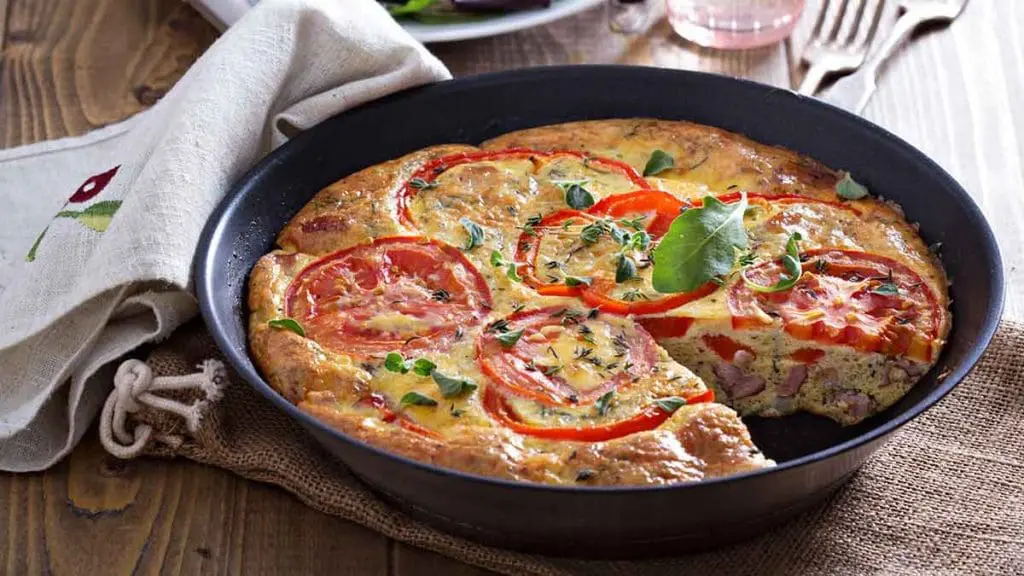
A frittata is an Italian egg dish often described as a crustless quiche or a pan‑sized omelette. Once you know a basic formula, you can mix and match ingredients to suit what is in your fridge, your family’s preferences and your budget.
- Works for brunch, mid‑week supper or packed lunches the next day.
- Helps you use “bits and pieces” of vegetables, cheese and cooked meat so less food ends up in the compost or garbage.
- Eggs offer affordable, high‑quality protein, so you can stretch small amounts of meat or skip meat entirely.
- Frittata tastes great warm or at room temperature, so leftovers make an easy lunch for the next day.
In my kitchen, frittata is often brunch but also one of our go-to “save it from the compost bin” meals. Everything goes into one pan and twenty minutes later, dinner is ready complete with a tasty golden top, crispy edges and a soft, custardy center. YUM!
Build-Your-Own Frittata Formula
Use this flexible formula rather than worrying about a strict recipe. It is written for a medium oven‑safe skillet (about 10 inches/25 cm). You can scale up or down once you get the hang of it.
Basic Formula
| 6-8 | large eggs |
| 2-3 Tbsp (30-45 mL) | milk or water |
| 1-2 cups (250-500 mL) | cooked or quick‑cooking vegetables (fresh or frozen, well drained) |
| 1/2-1 cup (125-250 mL) | cooked meat, beans or lentils (optional) |
| 1/2-1 cup (125-250 mL) | shredded or crumbled cheese |
| 1-2 Tbsp (15-30 mL) | canola or other vegetable oil |
| Salt, pepper and herbs or spices to taste |
Instructions
- Prep your fillings
- Chop vegetables into small, bite‑sized pieces so they cook quickly and evenly.
- Good choices: onions, peppers, mushrooms, broccoli, spinach, zucchini, leftover potatoes, frozen mixed vegetables or leftover roast vegetables.
- If using meat, crumble or dice cooked ground beef, turkey, ham, sausage, chicken or leftover roast meat; beans or lentils also work well.
- Cook the vegetables and meat
- Heat oil in an oven‑safe non‑stick or cast‑iron skillet over medium heat.
- Sauté harder vegetables (onion, carrot, celery, peppers, mushrooms, potatoes, broccoli stems) until tender‑crisp; add quick‑cooking vegetables (spinach, peas, tomatoes) near the end.
- Stir in cooked meat or beans, just until heated through.
- Whisk the egg mixture
- In a bowl, whisk eggs with milk or water, salt, pepper and any herbs or spices you enjoy.
- Stir in most of the cheese, saving a small handful for the top.
- Combine and cook
- Spread the vegetables and meat evenly in the skillet.
- Pour the egg mixture over top, tilting the pan so it spreads evenly.
- Cook on the stove over medium‑low heat for 3–5 minutes, gently lifting the edges with a spatula so uncooked egg can flow underneath.
- Finish in the oven
- Sprinkle with the remaining cheese.
- Transfer the skillet to a 350–375°F (180–190°C) oven and bake 10–15 minutes, until the centre is just set and the top is lightly golden.
- Let rest for 5 minutes before slicing into wedges.
If your skillet is not oven‑safe, cover and cook on the stovetop over low heat until set, or pour the mixture into a greased baking dish and bake until firm.
Mix-and-Match Ideas From Your Fridge
Use this table as inspiration, and swap in what you have.
| Theme | Vegetables & Extras | Protein | Cheese & Flavour Boosters |
|---|---|---|---|
| Garden veggie | Bell peppers, zucchini, spinach, tomatoes, onion | Chickpeas or lentils | Cheddar or mozzarella, dried Italian herbs |
| Cheeseburger style | Onions, peppers, maybe a few pickles | Cooked ground beef or leftover burgers, cut into pieces | Cheddar, a little mustard or ketchup on the side |
| Turkey leftovers | Onions, mushrooms, peas, roasted vegetables | Cooked turkey, lentils or beans | Swiss or mozzarella, thyme or poultry seasoning |
| Potato & spinach | Cooked potatoes, spinach, green onions | Cooked bacon or ham (optional) | Feta or cheddar, garlic and black pepper |
| Mediterranean | Peppers, spinach, tomatoes, red onion | Chickpeas or leftover chicken | Feta, olives and oregano |
| Breakfast Classic | Onions, peppers, mushrooms | Cooked sausage, bacon or ham | Cheddar or Monterey Jack, chives |
| Mexican-Inspired | Bell peppers, corn, black beans, tomatoes, jalapeños | Cooked ground beef or turkey | Monterey Jack or cheddar, cumin, cilantro, salsa on the side |
| Salmon & Dill | Spinach, green onions, cherry tomatoes | Smoked salmon or cooked salmon | Cream cheese or goat cheese, fresh or dried dill |
Tips to Save Money and Reduce Food Waste
Small kitchen habits around recipes like frittata can protect your food budget and cut down on what gets thrown away.
- Plan a weekly “frittata night” near grocery day to use up small amounts of vegetables, cheese and cooked meats.
- Mix fresh and frozen vegetables—just thaw and pat dry frozen veg so they do not water down the eggs.
- Leftover wedges store well in the fridge for up to 3 days and reheat easily, giving you ready‑to‑go lunches or quick breakfasts.
Serving and Storing
Frittata pairs nicely with simple sides and keeps well.
- Serve with whole grain toast and fruit, or a green salad, for a balanced meal at any time of day.
- Cool leftovers, cover and refrigerate for up to 3 days. Enjoy cold or reheat gently in the microwave or oven until warmed through.
With this flexible formula and a little creativity, frittata can become one of those dependable, budget‑wise recipes you keep in your back pocket—ready whenever the question “What’s for supper?” comes up.
Additional Articles to Explore



 What is “Fibremaxxing?”