
Cranberries have a reputation for being a once-a-year fruit, which is partly why so many bags end up forgotten at the back of the fridge. The good news is that cranberries are one of the easiest fresh fruits to keep around, and a little know-how turns a fall bag into something you can use for months rather than days. Here’s how to store fresh, frozen, dried and cooked cranberries so fewer end up in the compost. For an overview of when Canadian cranberries are in season and the forms they’re sold in, see What’s in Season? Cranberries and Canadian Cranberries: Taste, Texture and Best Uses.
.






How Long Do Cranberries Last?
Cranberries are unusually long-keeping for a fresh fruit. Unlike strawberries, which are best eaten within a few days of buying them, a sealed bag of fresh cranberries holds in the refrigerator for up to about three months. Dried, sweetened cranberries keep even longer, often six months to a year in a sealed container in a cool, dark pantry. Frozen cranberries, whether you freeze them yourself or buy them pre-frozen, keep their quality for roughly a year. Part of what makes fresh cranberries such good keepers is the berry itself. A tough skin and naturally low moisture content help them resist the rot that takes down softer, juicier fruit far more quickly. Exact timelines still depend on how ripe the berries were when picked and how consistently cold your fridge runs, so treat these as general guidelines rather than guarantees.
How to Store Cranberries in the Fridge
Fresh cranberries store best unwashed, since added moisture speeds up mould growth. Keep them in their original perforated bag or transfer them to a sealed, breathable container, and store them in the crisper drawer rather than the main body of the fridge, where temperatures fluctuate more. Don’t wash cranberries until you’re ready to use them. It’s worth doing a quick visual check every couple of weeks: cranberries that are soft, shrivelled or showing any mould should be removed promptly so they don’t affect the rest of the bag. If you buy cranberries well before you plan to use them, it’s often easier to freeze the bag right away rather than relying on three months of fridge storage to hold up perfectly.
Can You Freeze Cranberries?
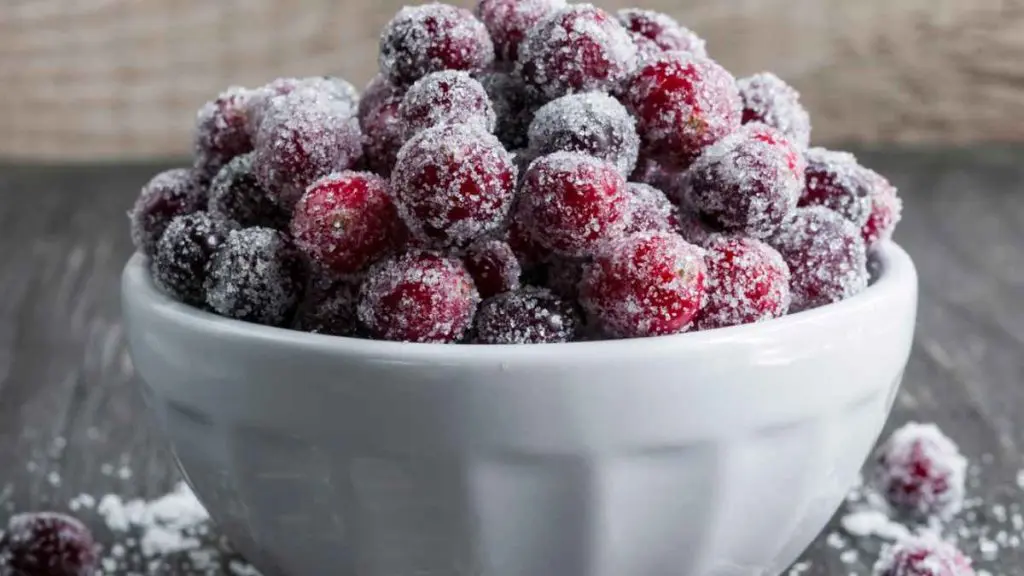
Yes, and cranberries are about as freezer-friendly as fresh fruit gets. Unlike many fruits, which need to be blanched, sliced or pre-treated before freezing, cranberries can go directly from the grocery bag into a freezer bag or airtight container with no prep at all. There’s no need to rinse them first; simply transfer the unopened or resealed bag straight into the freezer. Frozen cranberries hold their shape, colour and tartness well, making them just as useful in sauces and baking as fresh ones, though they’ll release a bit more juice as they thaw, so they’re best added directly to a recipe rather than thawed and drained first. For recipes that call for chopped or processed cranberries, it can actually be easier to pulse them in a food processor while they’re still frozen, since whole fresh cranberries tend to roll around and resist slicing on a cutting board. A portion can be measured out and refrozen later without much loss of quality, which makes cranberries a convenient fruit to buy in bulk during the fall harvest and use gradually over the following months. Frozen berries go straight into a pot of Cranberry Sauce with no need to thaw.
Storing Cranberry Sauce and Cooked Cranberries
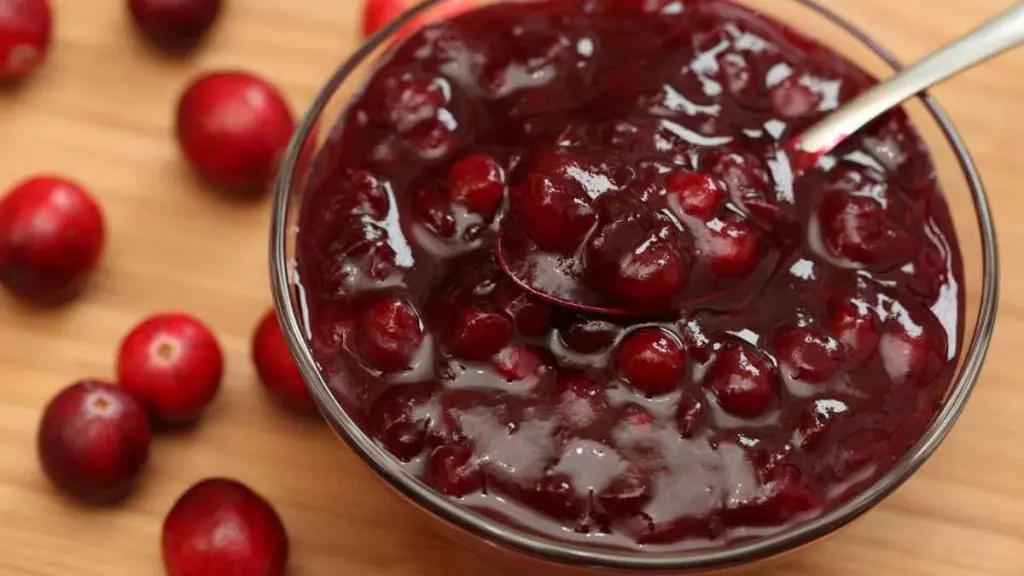
Homemade cranberry sauce keeps well once cooked, which makes it an easy thing to prepare ahead of a holiday meal rather than scrambling on the day. Cooled cranberry sauce stored in a sealed container in the fridge holds for about one to two weeks. It also freezes very well for several months, so doubling a batch during the fall harvest and freezing half is a simple way to have homemade sauce on hand well outside of the holiday season. Thaw frozen sauce in the fridge overnight before serving, and give it a quick stir, since some separation is normal after freezing. An uncooked Zesty Cranberry Relish also freezes well for about three months.
Using “Less-Perfect” Cranberries
Not every berry in a bag will be in perfect shape, and knowing what’s still fine to use versus what to toss can save a surprising number of berries from the compost.
Still good to use: – Slightly soft or wrinkled berries (best cooked into sauce rather than used whole) – Berries with minor surface blemishes – Berries that have thawed and refrozen once
Better to discard: – Any berry showing visible mould, white or grey fuzz – Berries that are mushy, leaking, or have an off smell – Berries sitting in liquid that has pooled in the bag
A handful of softer berries is rarely a reason to toss the whole bag. Sort through, pull anything mouldy or leaking, and use the rest promptly in a sauce, compote or baked good where texture matters less than it would for fresh eating.
Simple Habits to Waste Fewer Cranberries
- Buy fresh cranberries during the fall harvest window and freeze a portion right away if you won’t use the whole bag within a few weeks.
- Store fresh berries unwashed in a breathable container in the crisper drawer.
- Check the bag every couple of weeks and remove any spoiled berries before they spread to the rest.
- Cook softer berries into sauce or baked goods rather than discarding them.
- Keep dried cranberries in a sealed container away from heat and light to extend pantry life.
- Portion frozen cranberries into smaller bags before freezing so you can grab just what a recipe needs.
- Double a batch of cranberry sauce and freeze half for later in the season.
For more on the different forms cranberries come in and how to choose between them, see Canadian Cranberries: Taste, Texture and Best Uses. For budget-minded ways to make a fall cranberry purchase go further, see Seasonal Cranberries and Your Grocery Budget in Canada.
Additional Articles to Explore






 Seasonal Cranberries and Your Grocery Budget in Canada