
This quick-reference guide answers the most common questions about Canadian cranberries: when they’re in season, where they’re grown, how to buy and store them, and how to use them up before they go soft. Each answer links to a longer article for more detail.
Seasonality Questions
When are cranberries in season in Canada?
Canadian cranberries are harvested in a short window each October, but their naturally tough skin and low moisture content let them keep in cold storage for weeks afterward, which is why fresh, Canadian-grown cranberries are typically available into December and January. For the full seasonal picture, see What’s in Season? Cranberries.






Why is the local cranberry harvest so short?
Cranberries ripen and are harvested all at once over a few weeks in the fall, unlike crops with a rolling harvest spread across summer. The long shelf life of the harvested berries is what stretches “in season” well beyond the harvest itself; for tips on making the most of that window, see How to Store Cranberries.
Are Canadian cranberries available year-round?
Fresh Canadian cranberries are a fall and early-winter product, but frozen, dried, juiced and sauced cranberries are sold year-round and are typically still Canadian-grown or Canadian-processed. For a breakdown of which form suits which use, see Canadian Cranberries: Taste, Texture and Best Uses.
What month are cranberries the most budget-friendly to buy?
Cranberries tend to be most competitively priced during and just after the October harvest, when Canadian supply is at its peak. For more on timing a purchase and stretching it through the season, see Seasonal Cranberries and Your Grocery Budget in Canada.
Growing and Origin Questions
Where are most Canadian cranberries grown?
Quebec and British Columbia together account for about 95 percent of Canada’s commercial cranberry production, according to Agriculture and Agri-Food Canada, with Quebec’s Centre-du-Québec region the single largest producing area and BC’s production centred in the Fraser Valley and on Vancouver Island. Canada is the world’s second-largest cranberry producer after the United States. For more on where to find Canadian-grown berries, see Canadian Cranberries: Taste, Texture and Best Uses.
How can I tell if cranberries are Canadian-grown?
Look for “Product of Canada” labelling, provincial branding such as Buy BC tags, or regional signage at farmers’ markets and farm stands, and keep in mind that fresh Canadian cranberries are mainly available from October through midwinter. For more buying context, see Seasonal Cranberries and Your Grocery Budget in Canada.
What’s the difference between wet-harvested and dry-harvested cranberries?
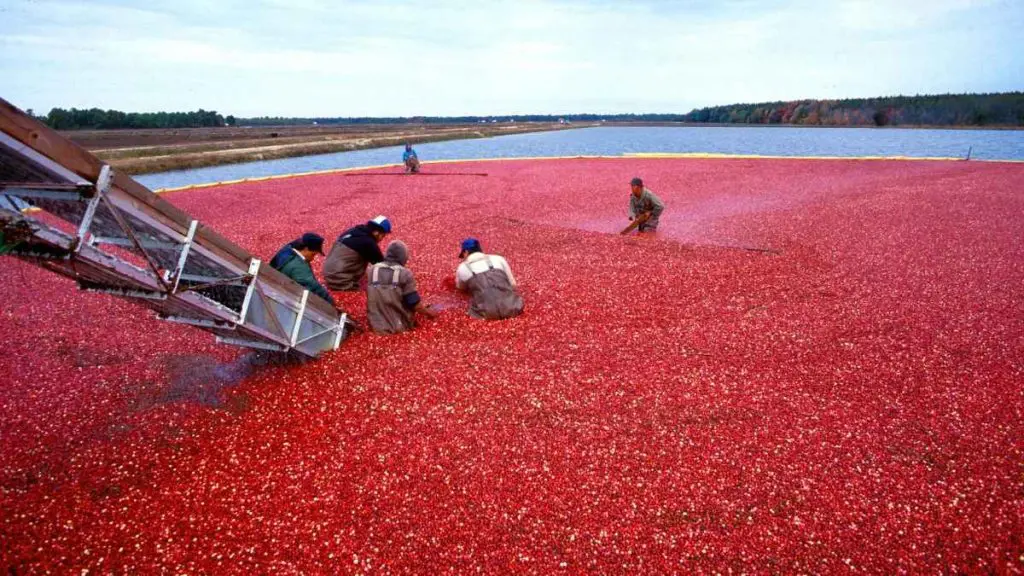
Wet-harvested cranberries are gathered by flooding the bog and corralling floating berries, a faster method mainly used for juice, sauce and other processed products, while dry-harvested cranberries are combed from the vines without flooding, which keeps the fruit firmer and better suited to selling fresh. Both methods are used by Canadian growers depending on what the crop is destined for; see Canadian Cranberries: Taste, Texture and Best Uses for the full explanation.
Are greenhouse cranberries available in Canada?
No. Cranberries are grown in specially built bogs that are flooded and drained on a schedule, not in greenhouses, so all Canadian cranberries are a field and wetland crop rather than a greenhouse one. For more on how the growing cycle works, see What’s in Season? Cranberries.
Buying and Storage Questions
How do I pick the best fresh cranberries?
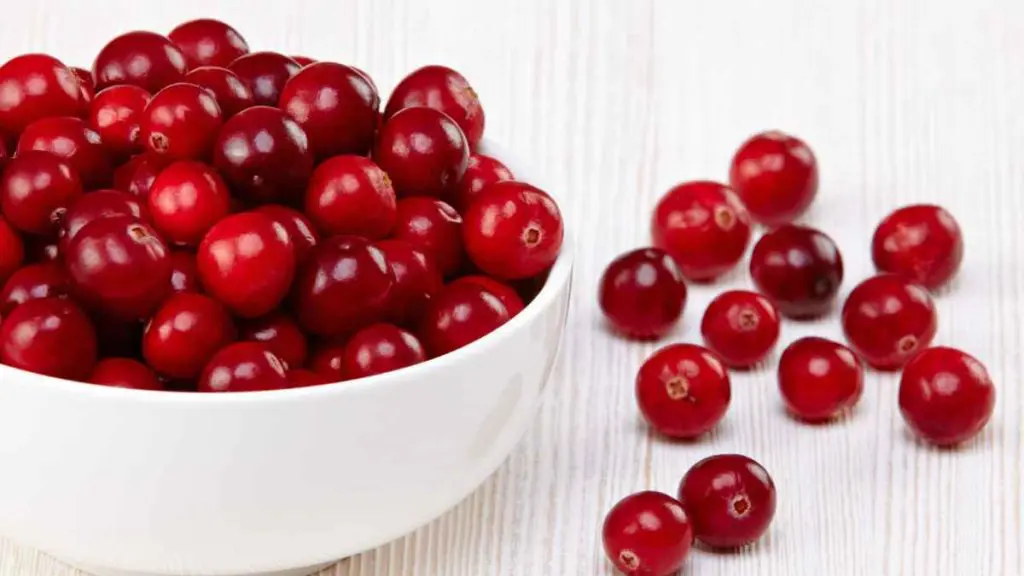
Look for berries that are firm, plump and deep red to almost black-red in colour, and avoid any that are soft, shrivelled, leaking, or have a dull, faded look. A simple bounce test works well too, since a fresh cranberry has enough firmness to bounce slightly. For a full buying and sorting guide, see How to Store Cranberries.
How long do fresh cranberries last in the fridge?
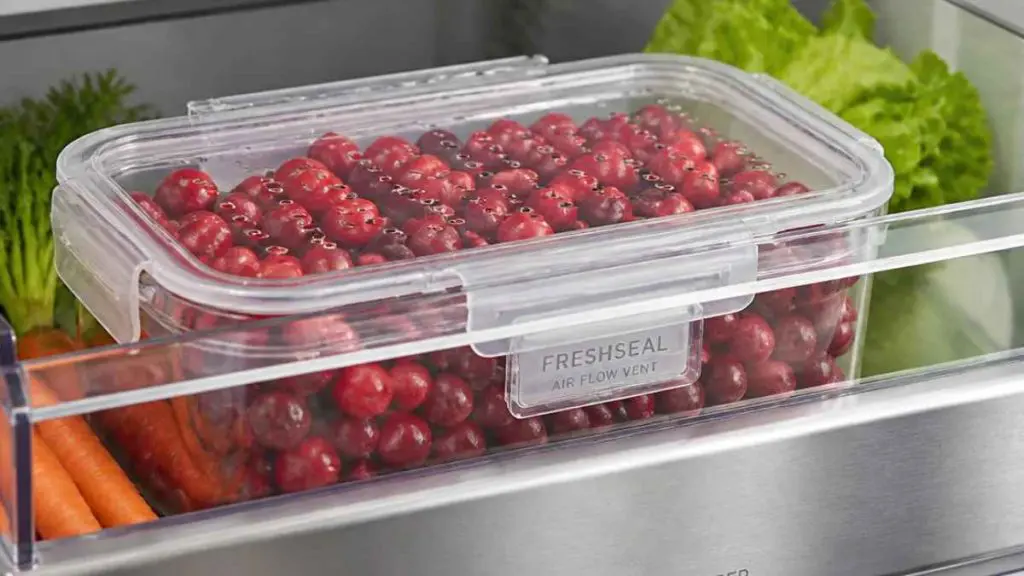
Unopened, fresh cranberries typically keep in the fridge for several weeks to a couple of months thanks to their tough skin, considerably longer than most fresh berries. For exact storage steps and signs of spoilage to watch for, see How to Store Cranberries.
Can I freeze cranberries?
Yes, and it’s one of the easiest fruits to freeze. Fresh cranberries can go straight from the bag into the freezer with no blanching or other prep required. Frozen cranberries are best used in cooked or blended applications rather than eaten raw once thawed; see How to Store Cranberries for full freezing guidance.
Why do some of my cranberries look soft or discoloured?
A few soft or discoloured berries in a bag are normal and simply mean those particular cranberries are past their best, while the firm, deep-coloured ones around them are usually still perfectly good to use. Sorting out the soft ones before storing the rest is the simplest way to keep a bag of cranberries fresh longer; see How to Store Cranberries for a full breakdown of what to keep and what to toss.
Nutrition and Use Questions
Are cranberries good for you?
Cranberries are a good source of vitamin C and dietary fibre, much of which is concentrated in the skin, and they’re naturally low in sugar compared with many other fruits, according to Health Canada. As with any whole food, they fit best as part of an overall balanced diet rather than as a stand-alone health solution. A warm Apple Cranberry Crisp is an easy fall dessert that puts them to work. You can also see Easy Ways to Use Cranberries for ideas on working them into everyday meals.
Can I use slightly soft cranberries in cooking?
Yes. Softer cranberries that aren’t mouldy or leaking are perfectly fine for cooking, since heat and sugar are exactly what cranberries need to soften and sweeten regardless of their starting texture. Softer berries also bake beautifully into a loaf of Cranberry Orange Bread. See How to Store Cranberries for guidance on which berries to use and which to discard.
What can I do with cranberries before they go bad?
Cook a batch of cranberry sauce, fold them into a quick bread or muffin batter, or simmer them into a savoury chutney for pork or chicken, and freeze whatever you don’t use right away. For a full list of simple recipes and ideas, see Easy Ways to Use Cranberries, and for ways to plan a purchase so less goes to waste in the first place, see Seasonal Cranberries and Your Grocery Budget in Canada.
Additional Articles to Explore






 How to Store Cranberries to Cut Food Waste