
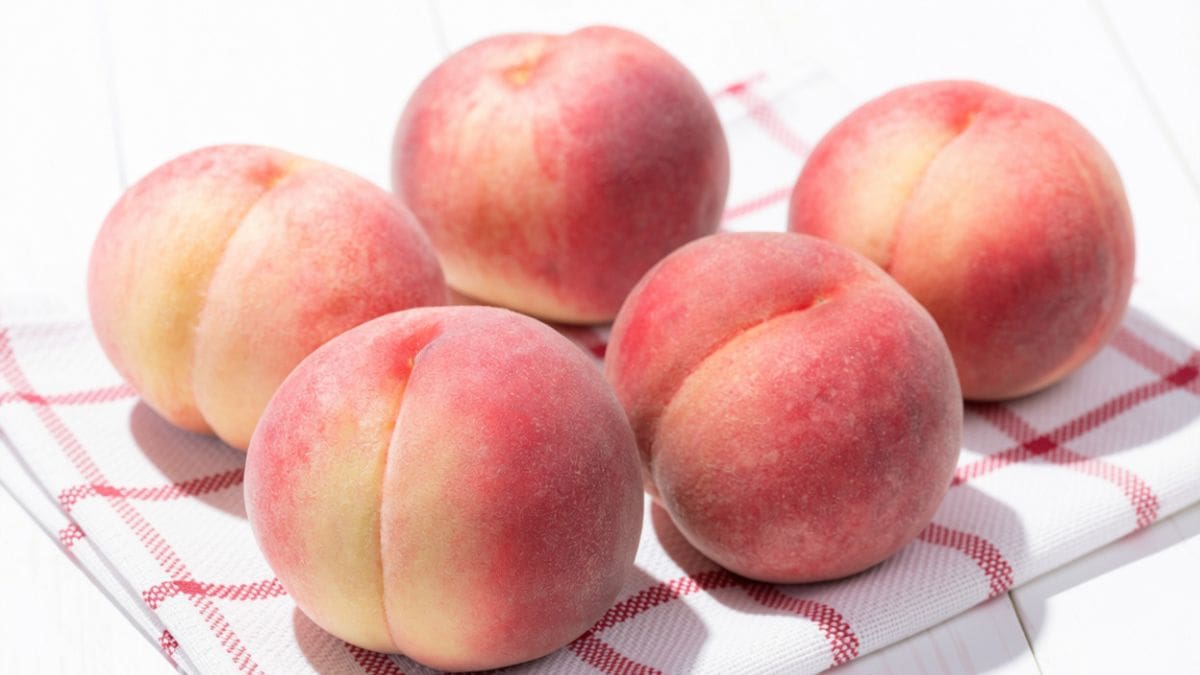
A ripe Canadian peach in August needs almost nothing done to it. Eaten out of hand over the kitchen sink, juice running down your arm, is honestly what they were made for. But if you have a basket of them and want to do something more, peaches are one of the most versatile summer fruits in the Canadian kitchen: equally at home in sweet and savoury preparations, excellent on the grill, and genuinely useful preserved.
This guide covers no-cook ideas, quick stovetop and grill methods, baking applications, savoury uses, and preservation. For the full seasonal picture, see What’s in Season? Peaches.




No-Cook and Fresh Ideas
The simplest uses are often the best ones during peak season.
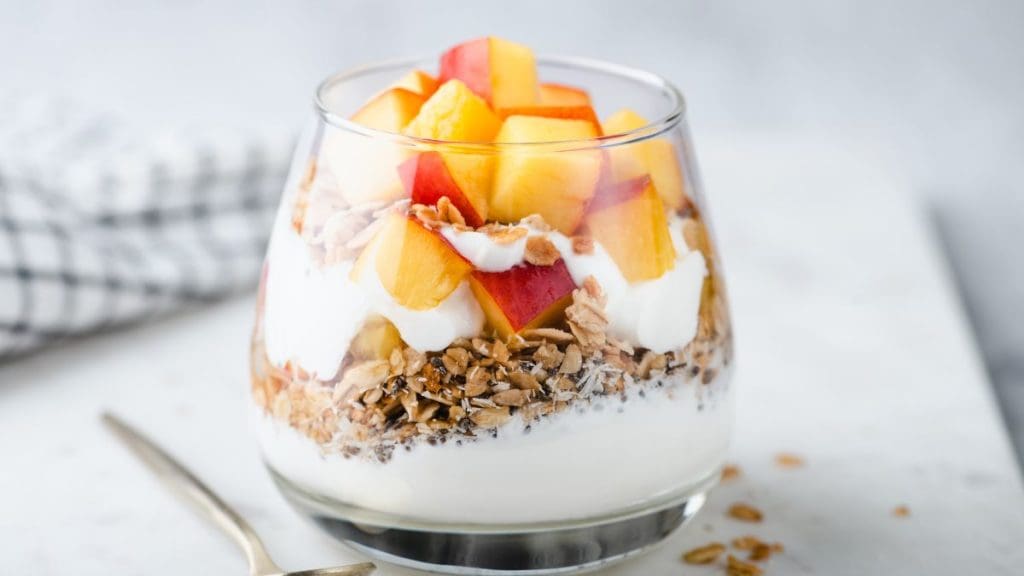
Fresh with yogurt: Ripe peaches sliced over thick plain or vanilla yogurt, with a drizzle of honey and a small handful of granola, is a great breakfast of the Canadian summer. No recipe required.
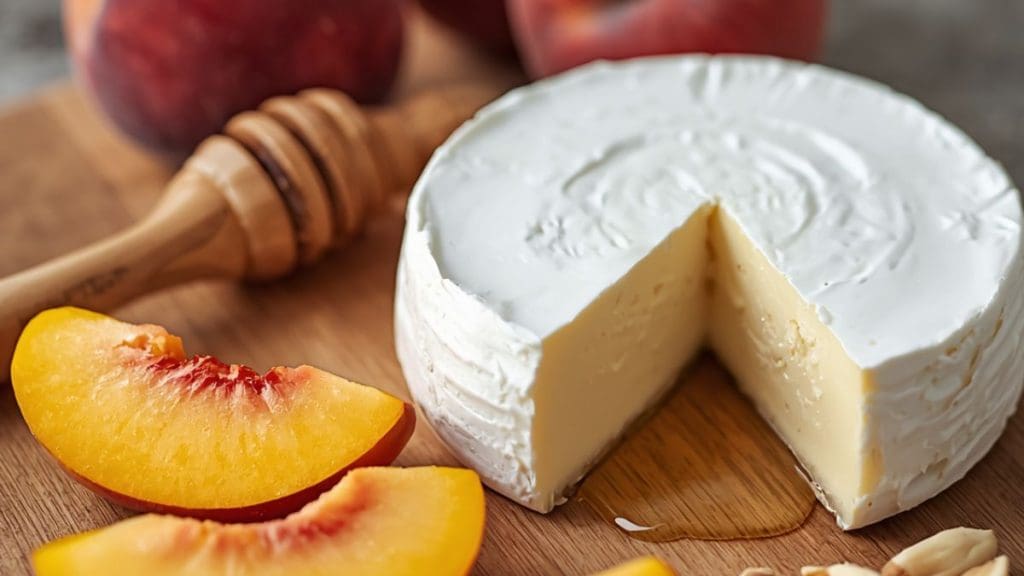
Cheese board: Ripe or slightly firm peach slices alongside soft cheeses (brie, camembert, chèvre) and aged cheddar or cottage cheese are a natural pairing. Add a drizzle of honey and some nuts if you like. The sweetness and acidity of the peach cut through rich cheese in a way that makes both better.
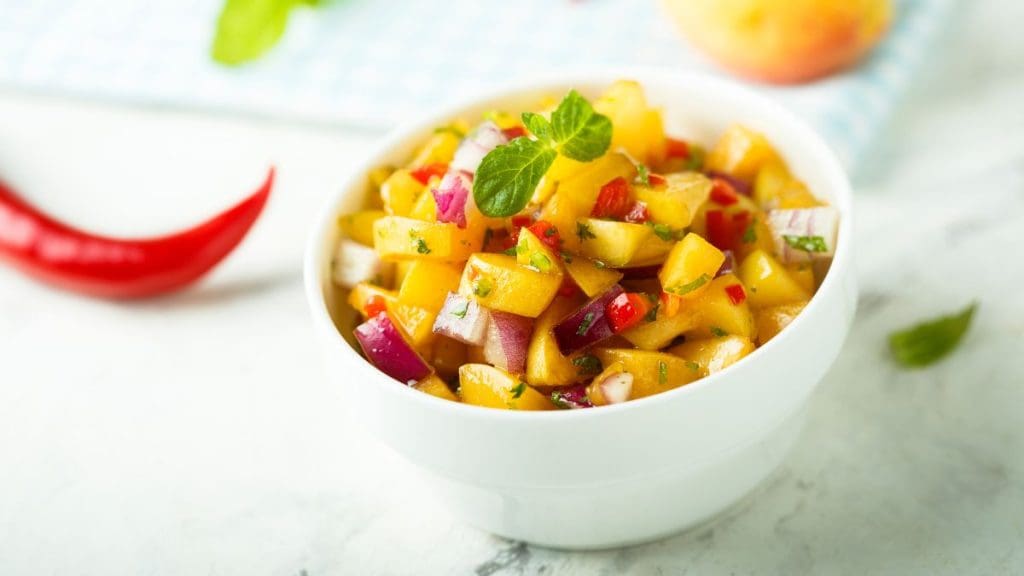
Peach salsa: Diced fresh peach with finely diced red onion, jalapeño or mild chili, fresh cilantro, lime juice, and a pinch of salt. The sweetness of the peach works particularly well alongside something savoury and smoky off the grill. Make it up to an hour ahead and let it sit so the flavours come together. Check out this Peach Salsa recipe from spendwithpennies.com.
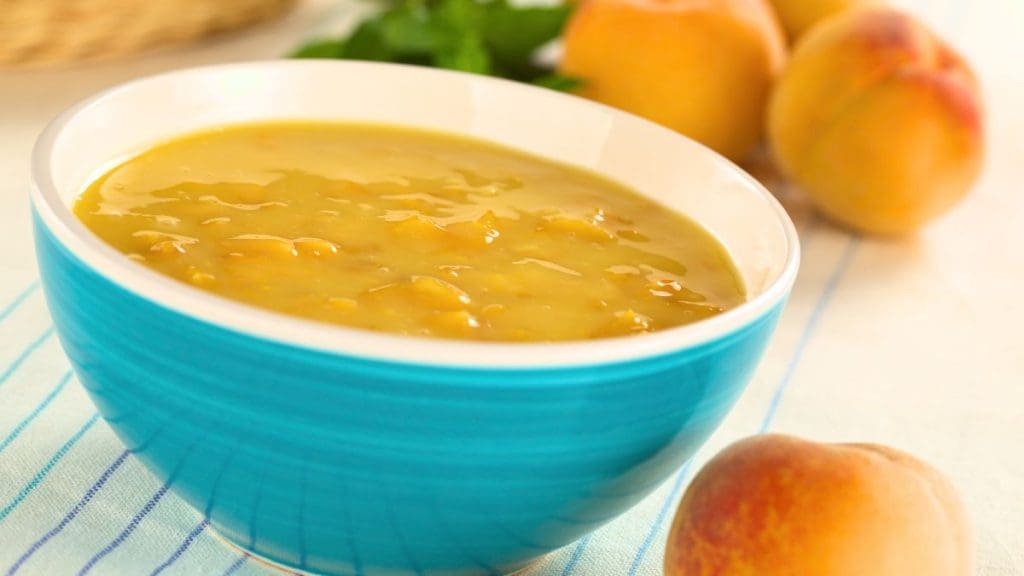
Cold peach soup: Blend ripe peaches with a little plain yogurt, a squeeze of lime, and fresh mint. Serve cold. This is a good use for peaches that are very ripe and soft: the texture is an advantage in a blended preparation.
Grilling and Stovetop
Heat intensifies and concentrates peach flavour in a way that makes grilled or pan-cooked peaches genuinely different from the fresh fruit: not better or worse, but worth trying.

Grilled peach halves: Halve a slightly firm freestone peach, remove the pit, brush the cut side lightly with oil or butter, and place cut-side down on a medium-high grill. Cook without moving for three to four minutes until grill marks form and the flesh softens and begins to caramelize. Serve over vanilla ice cream, with grilled protein of your choosing, or alongside a simple green salad with cooked quinoa and fresh burrata.
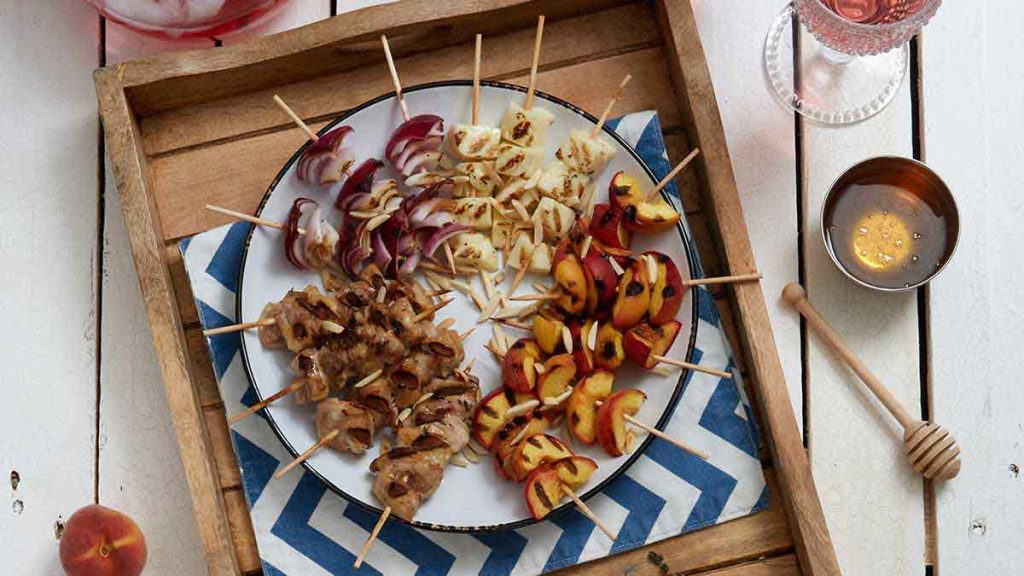
Savoury kabobs with peaches: Try Honey, Thyme Chicken, Halloumi Cheese and Peach Kabobs, a great summer recipe from registered dietitian Carol Harrison, that combines grilled peach with chicken and halloumi in a preparation that handles the fruit in a savoury context. Peach on a kabob, caramelized from the grill and paired with salty cheese and herb-marinated chicken, is one of the better summer dinners there is.
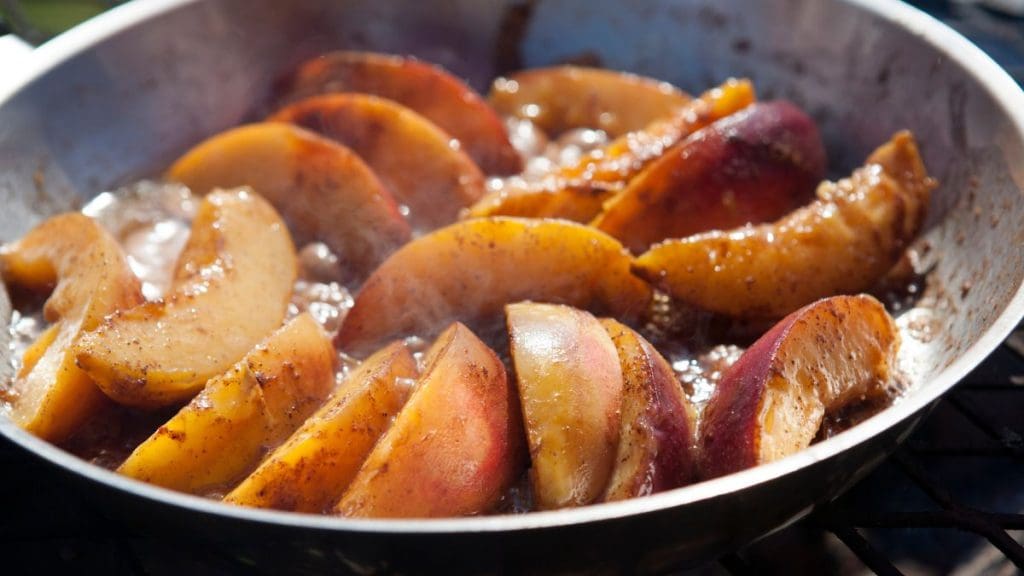
Pan-cooked peaches with butter and brown sugar: Slice peach halves into a hot pan with a knob of butter and a tablespoon of brown sugar. Cook over medium-high heat, stirring occasionally, for about five minutes until soft and caramelized. Use as a topping for pancakes, waffles, French toast, or oatmeal. This is also an excellent quick sauce for vanilla ice cream.
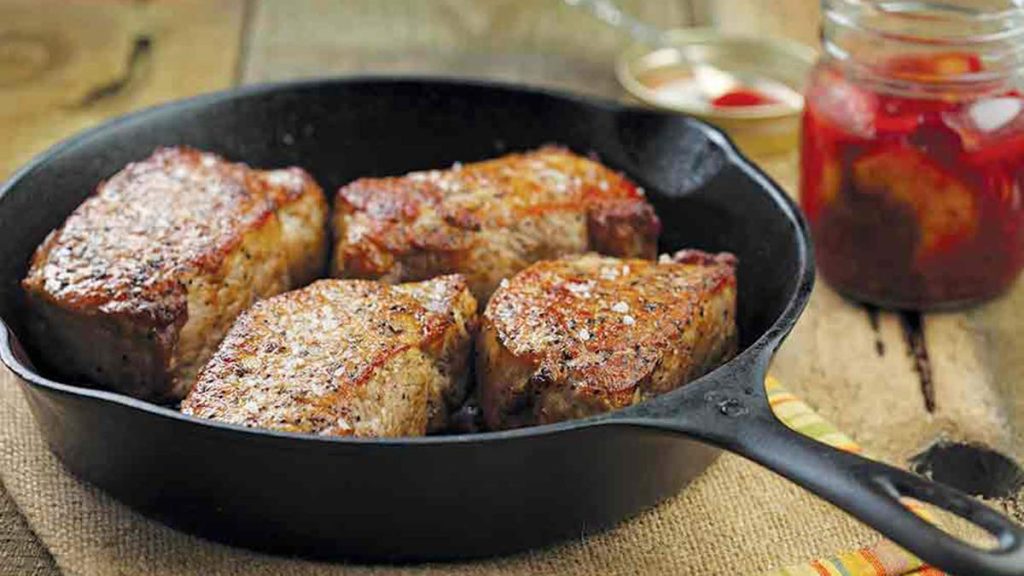
Peach and pork: Peaches and pork are a classic combination. A simple pan sauce made with peach slices, a splash of white wine or apple cider, a little dijon mustard, and chicken stock reduces into an excellent finish for pork chops or tenderloin in about ten minutes. Or try these Pork Loin Chops with Cranberry-Peach Chutney for another flavourful experience.
Baking with Peaches
Canadian peaches at peak season make excellent baked goods. The rule to remember: very ripe, soft peaches work best in muffins and quick breads where their moisture and sweetness are beneficial; firm-ripe peaches hold their shape better in tarts and galettes; slightly under-ripe peaches are best in crisps and crumbles where you want them to hold some structure.
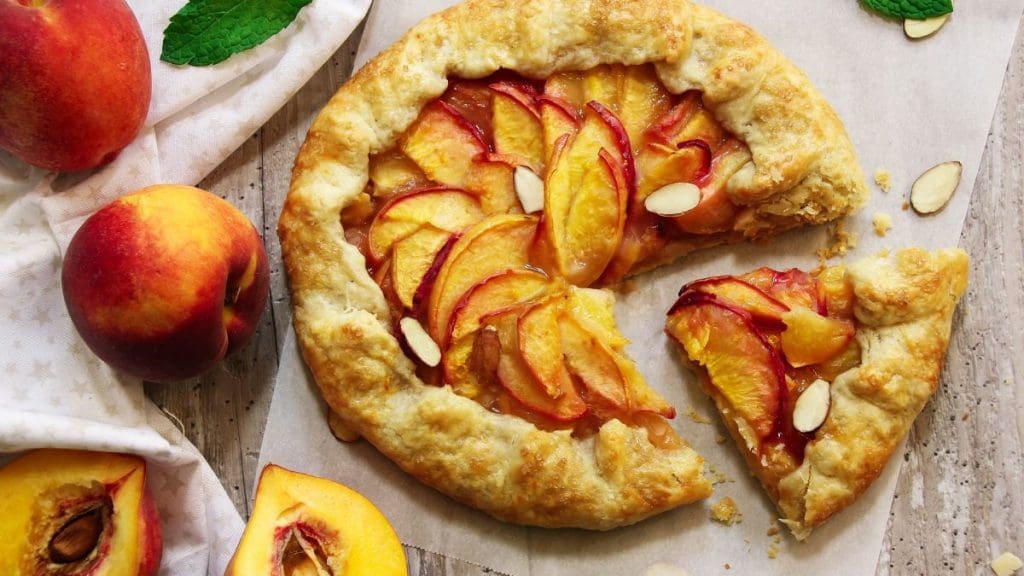
Peach galette: A galette is essentially a free-form tart with no special equipment required. Roll out a disk of pastry dough, arrange sliced peaches in the centre with a little sugar and cornstarch, fold the edges over, and bake at 200°C (400°F) for about 35 minutes until golden. It looks beautiful, requires minimal skill, and is one of the best things you can do with peak-season freestone peaches.
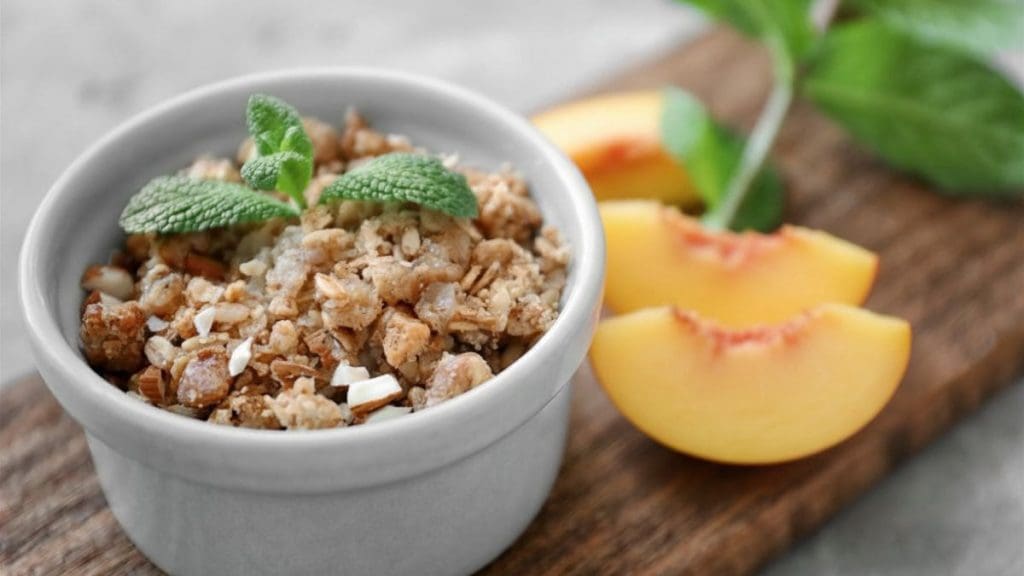
Peach crisp: Layer sliced peaches (fresh or frozen) in a baking dish, top with a mixture of oats, flour, brown sugar, and butter, and bake at 180°C (350°F) for 35 to 40 minutes until bubbling. This is a forgiving recipe that works with peaches at almost any stage of ripeness. Serve with vanilla ice cream or thick cream. Try this one: Peach Crisp.
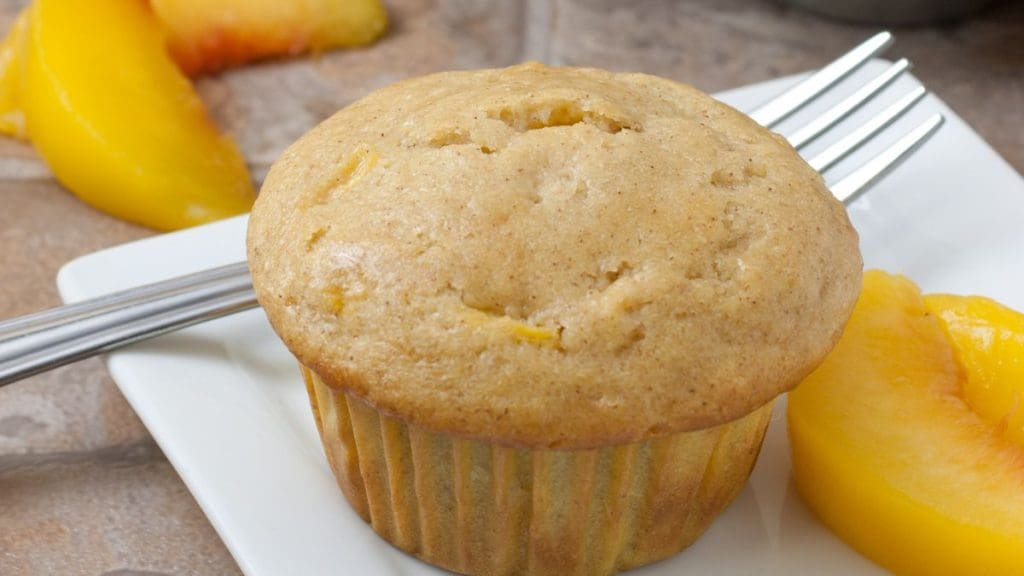
Peach muffins: Very ripe peaches work particularly well in muffins, where their softness and sweetness integrate into the batter. Fold diced ripe peach (no need to peel for muffins) into a basic muffin batter with a little cinnamon and vanilla. A good use for peaches that are past their best fresh-eating window.
Preserving the Season
The Canadian peach season is short enough that a few hours of preservation work in August pays back through the winter.
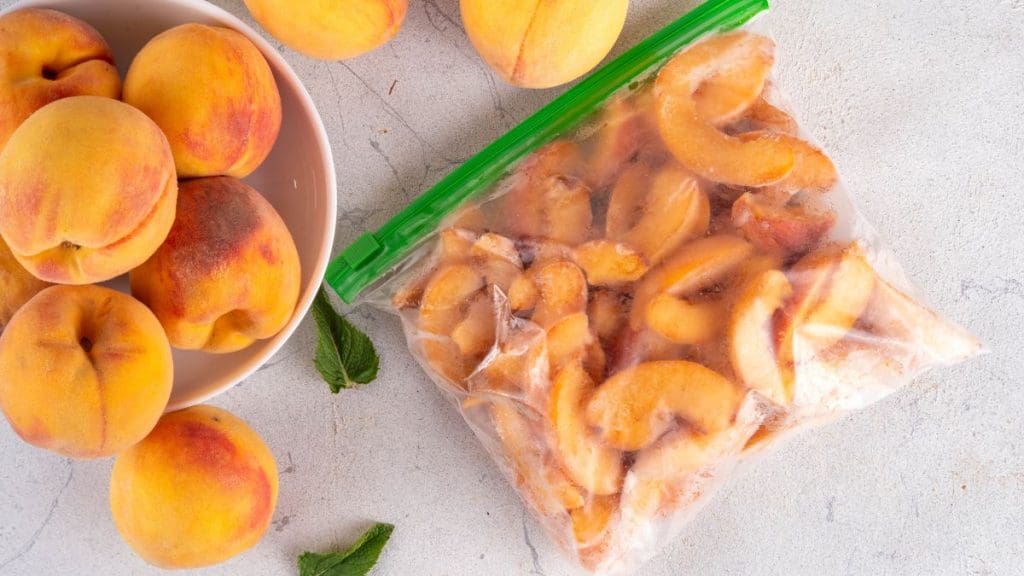
Freezing: The most practical preservation method for most home cooks. Peel, slice, toss with lemon juice, freeze flat, transfer to bags. Keeps for up to six months. See How to Store Peaches for the full step-by-step method.
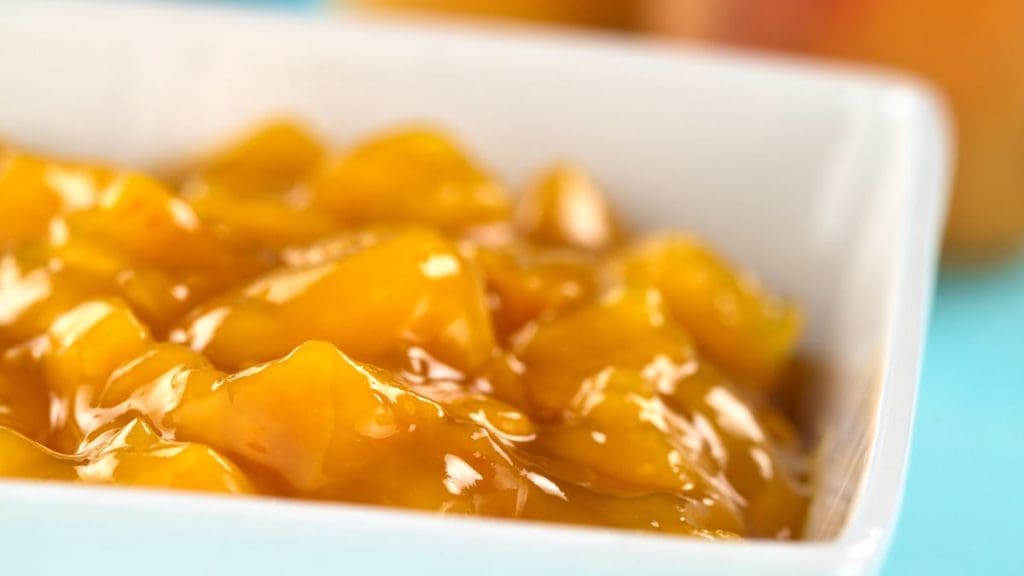
Quick peach compote: Simmer diced ripe peaches with sugar, lemon juice, and a pinch of cinnamon or vanilla for 15 to 20 minutes until thickened. Store in a jar in the refrigerator for up to two weeks. Use over yogurt, pancakes, ice cream, or as a quick dessert with pound cake. A good use for very ripe or slightly soft peaches that are not going to improve further fresh.
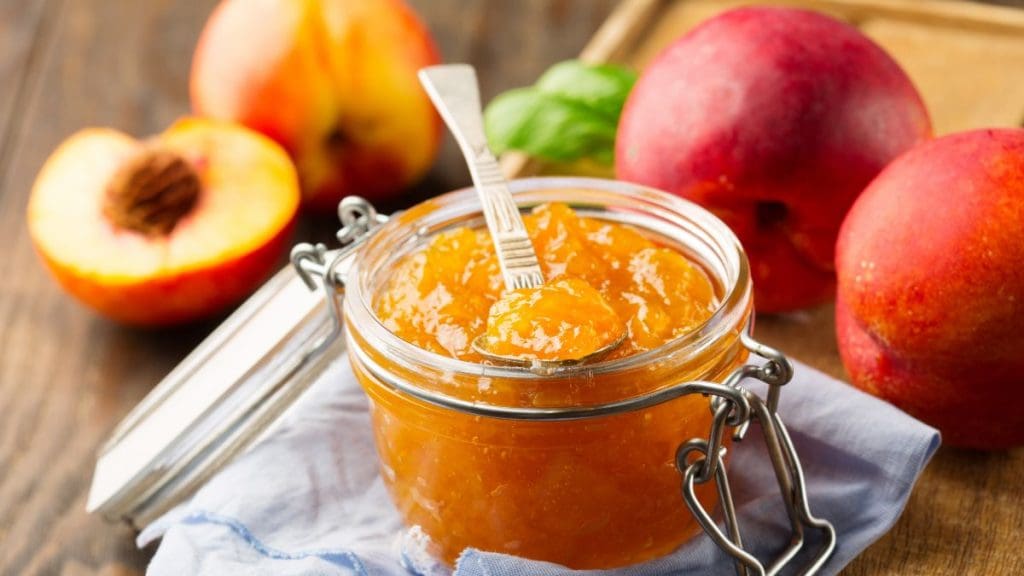
Refrigerator peach jam: A small-batch jam that does not require water bath processing or canning equipment. Cook down diced peaches with sugar and lemon juice to a thick consistency and store in the refrigerator for up to three weeks. Bernardin.ca has reliable small-batch jam guidance.

Home canning: Water bath canning of peaches in light syrup or juice is a longer-term preservation project for those with the equipment and interest. Always follow a tested, current Canadian recipe for processing times and safety. See the Home Canning guidance from Health Canada for safe methods and Bernardin.ca for recipes and tips.
Check Out These Related Articles




 Frequently Asked Questions About Canadian Peaches
