
Canadian shoppers choose cranberries by form: fresh, frozen, dried or processed. That choice matters just as much as picking the right apple variety, because each form behaves completely differently once it hits your kitchen. Cranberries are also one of the few fruits genuinely native to Canada, with wild bogs that fed Indigenous communities and early Atlantic Canadian settlers long before commercial growers built the first cultivated beds. This guide walks through the three forms you’ll find on Canadian shelves, the cultivars behind them, the two very different ways cranberries are harvested, and how to match the right cranberry to the right use.
How to Read This Guide
Each form of cranberry in the guide below ends with a short Best for: line so you can scan quickly and find what you need. If you already know you’re making a sauce, jump straight to that section; if you’re not sure yet, the decision helper near the end will point you in the right direction.
The Three Main Forms of Canadian Cranberries
Fresh and Frozen Whole Berries
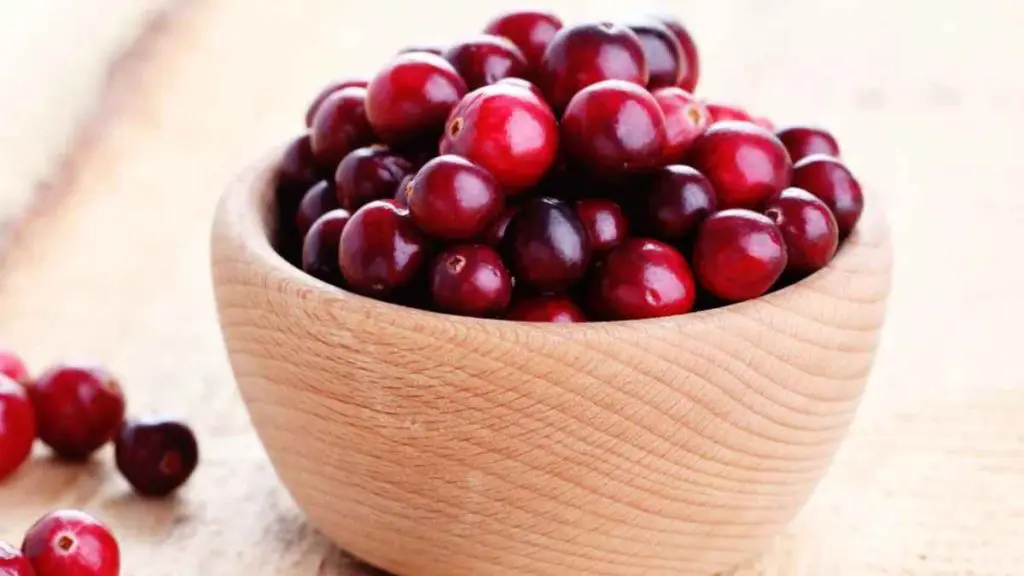
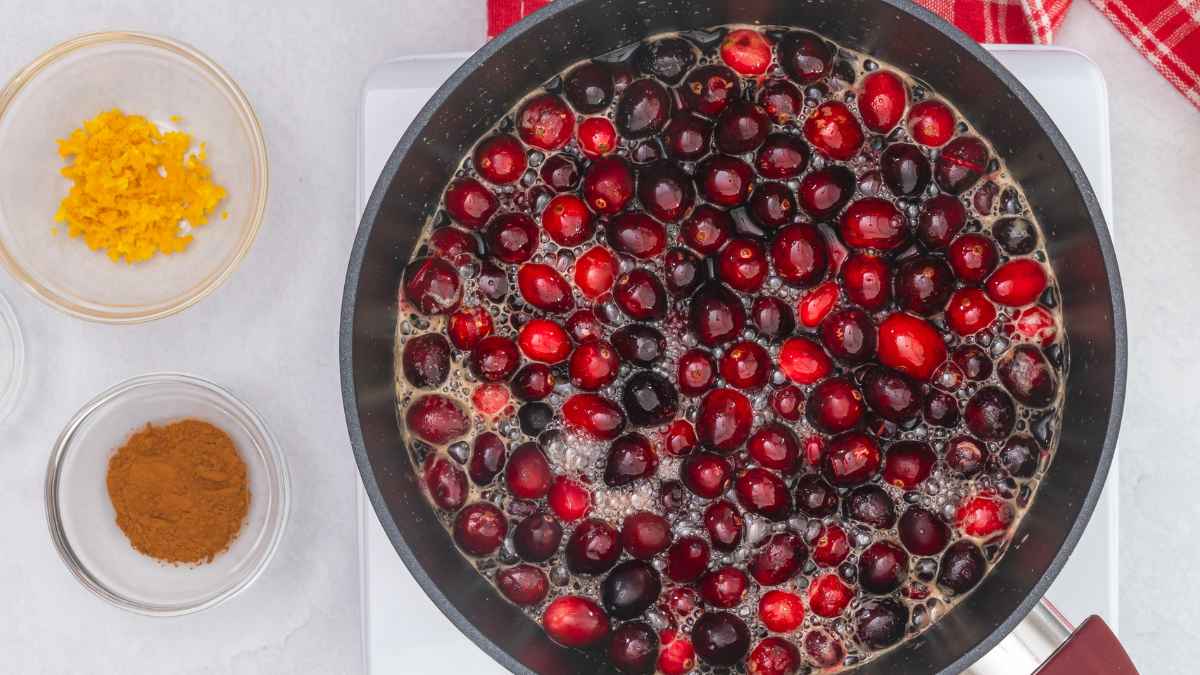
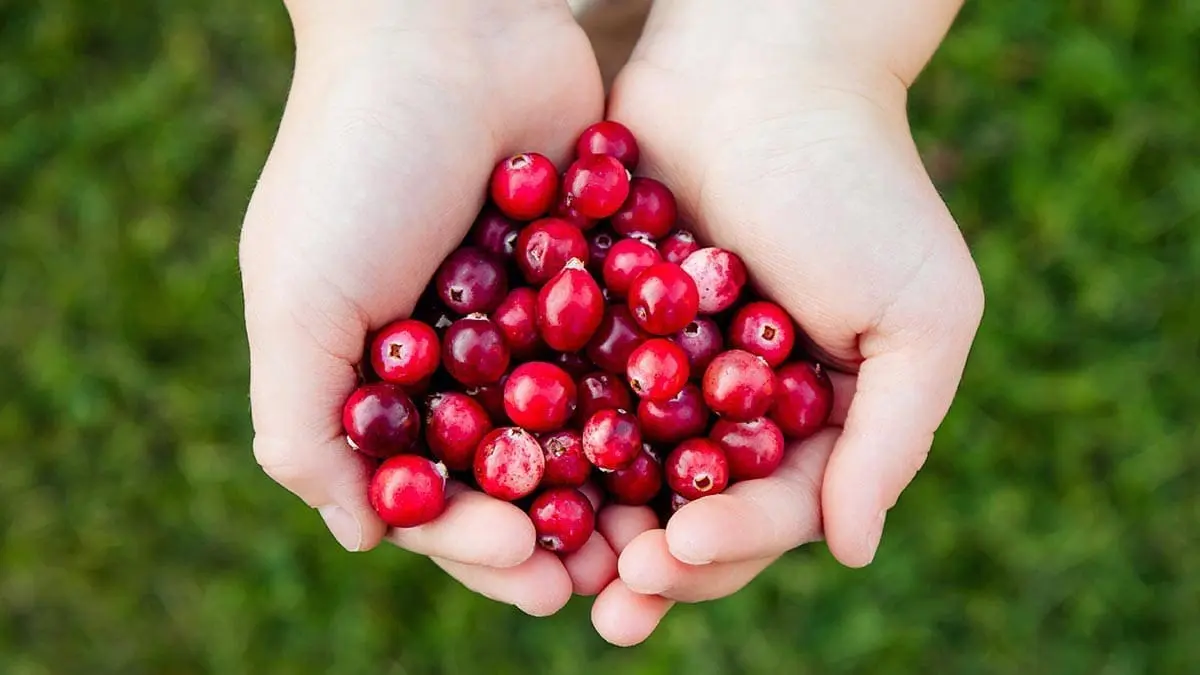
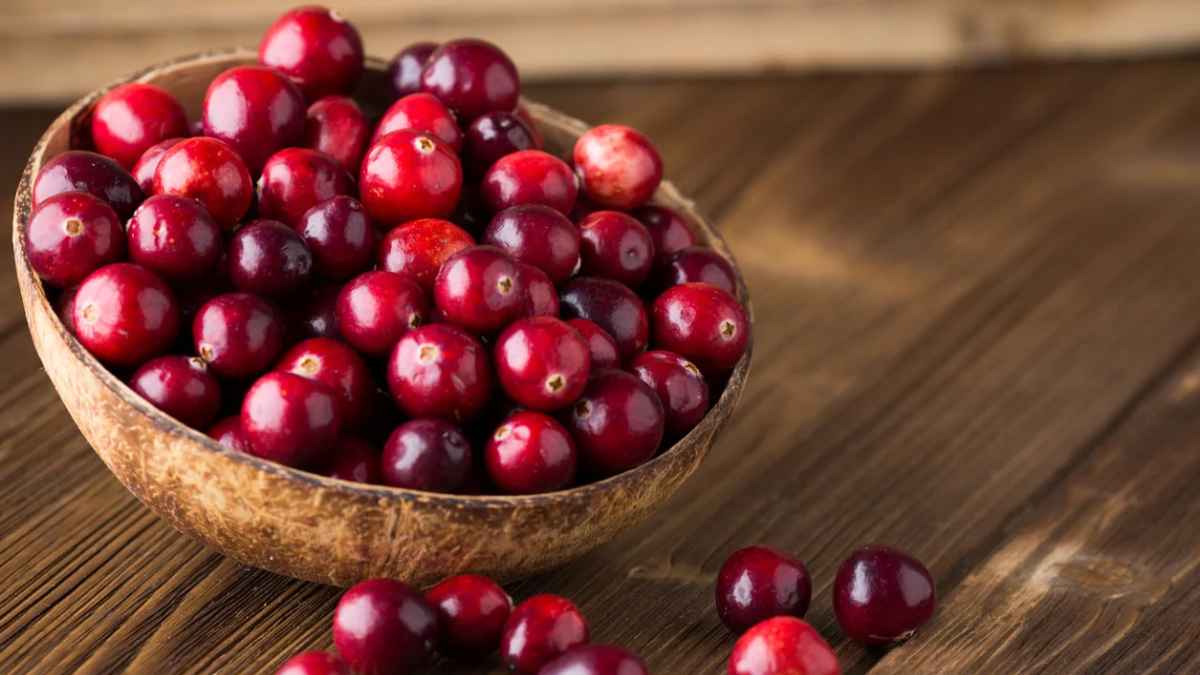
Fresh cranberries appear in Canadian grocery stores mainly from the fall harvest through January, sold in bags as whole, unprocessed berries. They are dry-harvested, meaning they’re combed directly off the vine rather than floated off in flooded water, which is what allows them to be sold whole rather than processed. Frozen whole cranberries are simply the same fresh berry held in cold storage, and the two behave almost identically in recipes, since cranberries are one of the few fruits that hold their shape, colour and flavour well after thawing. Both are extremely tart on their own, far more sour than most fruit Canadians eat fresh, which is why whole cranberries are almost always cooked with sugar rather than eaten raw. A simple stovetop Cranberry Sauce works just as well with frozen berries as it does with fresh.
Best for: homemade cranberry sauce, baking into muffins and breads, relish, garnishing.
Dried, Sweetened Cranberries
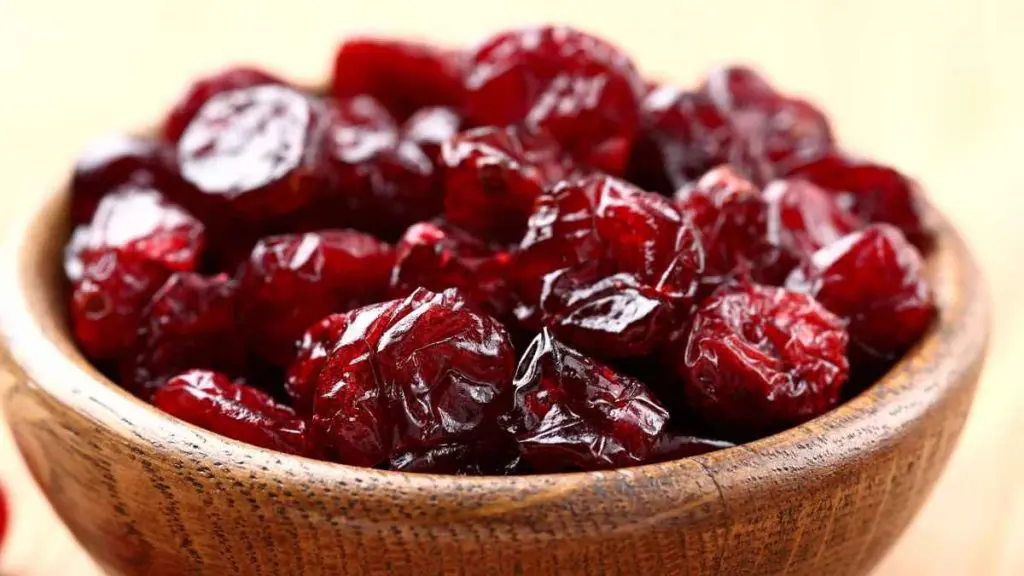
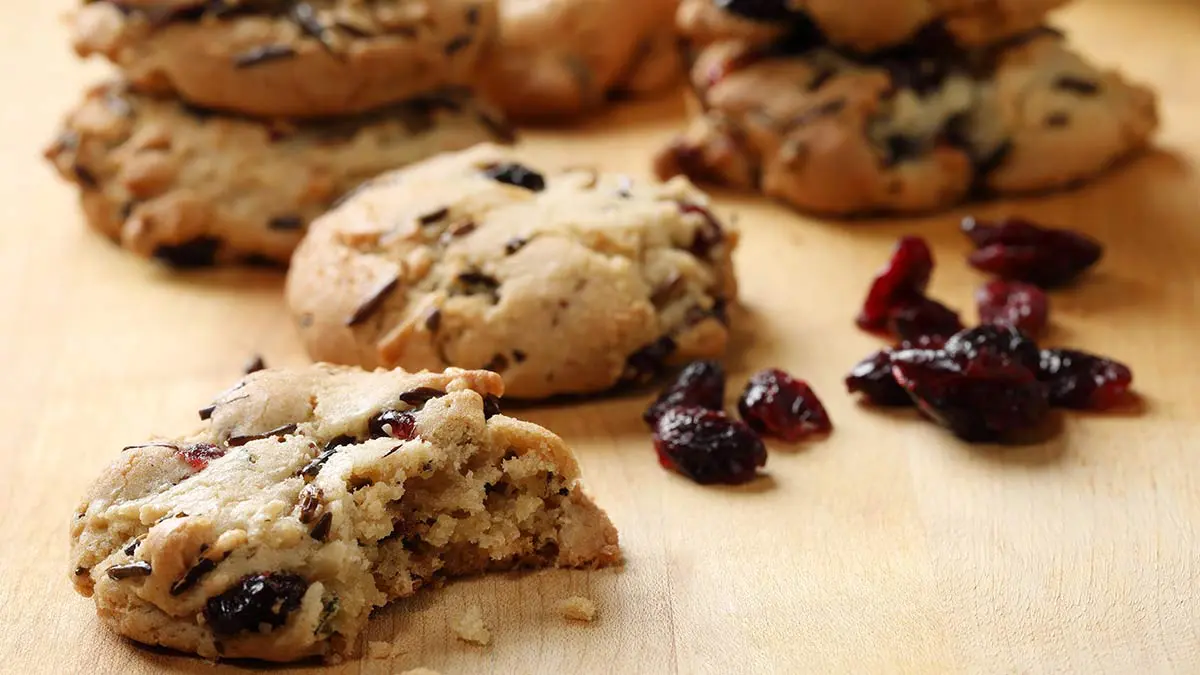
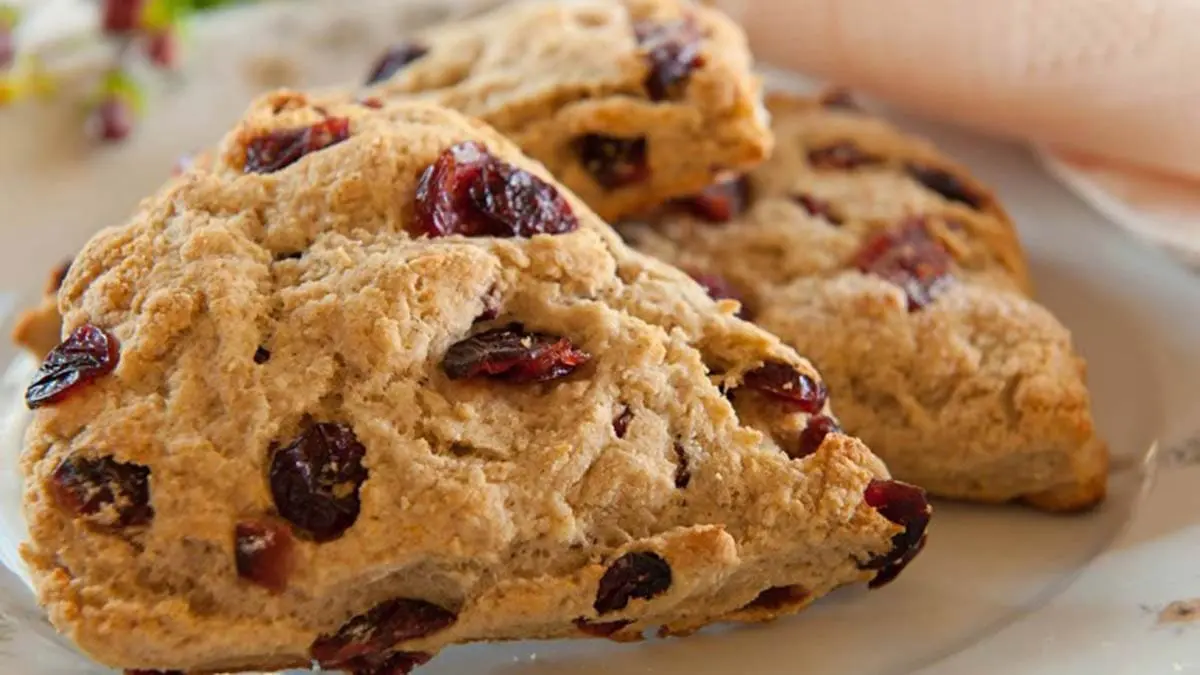
Dried cranberries are the shelf-stable, year-round pantry staple most Canadians reach for outside of the fall harvest window. Because fresh cranberries are so tart, drying almost always comes paired with added sugar, which is worth knowing if you’re comparing dried cranberries with other dried fruit on a nutrition label. Some dried cranberries are infused with apple or other fruit juice during processing, which adds sweetness without relying on sugar alone. They keep for months in a sealed container in a cool, dark pantry, making them one of the most convenient cranberry forms to always have on hand. Dried cranberries add a sweet-tart note to these Yogurt Barley Fruit Scones.
Best for: trail mix, oatmeal and granola, salads, snacking, baking.
Juice, Sauce and Processed Forms
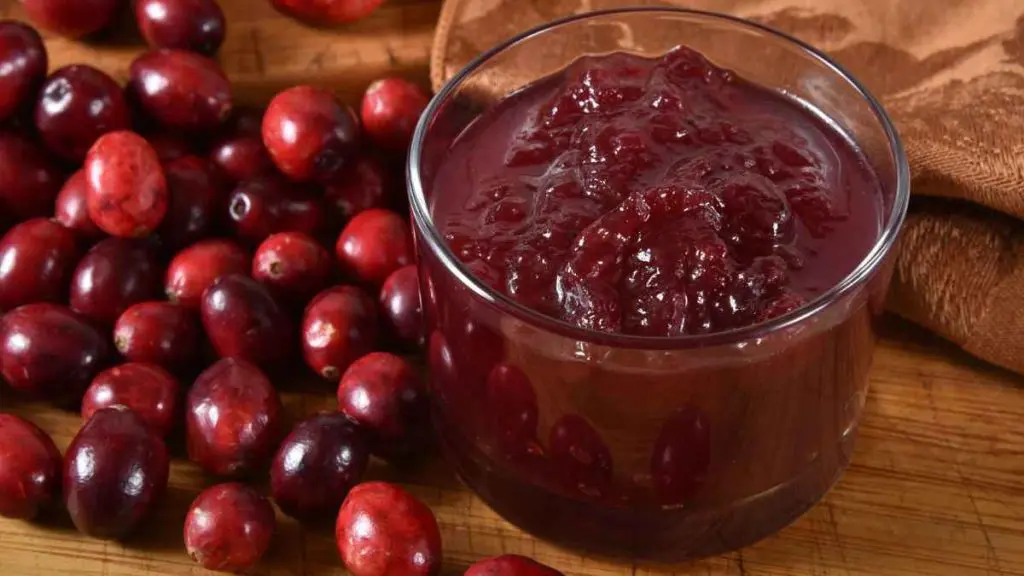
Juice, sauce, and other processed products account for the largest share of how Canadians actually consume cranberries, since the raw berry’s tartness makes it a tough sell on its own. These products are typically made from wet-harvested fruit, berries floated to the surface of a flooded bog at harvest time, which is the more efficient method for large processing volumes. Canned and jarred cranberry sauce is a holiday-table staple, but cranberry juice, juice blends, and sauces built into other condiments show up in Canadian kitchens all year round. Cranberry juice on its own is quite tart and acidic, so most cranberry juice sold in Canada is blended with other fruit juices or sweetened to balance the flavour. A quick chutney like the one in these Pork Loin Chops with Cranberry-Peach Chutney shows how well cranberries pair with meat.
Best for: holiday meals, marinades and glazes, drinks, quick weeknight sauces.
The Cultivars Canadian Growers Plant
Even though shoppers don’t pick cranberries by cultivar name, the variety a grower plants shapes which form that berry is best suited for. In British Columbia, the most widely planted cultivars are Stevens, Bergman, Ben Lear and Pilgrim, along with newer Grygleski hybrids, according to the BC government’s Cranberry Production Guide. Each has its own personality in the bog.
Ben Lear, selected from the wild in Wisconsin in 1901, produces large, pointed berries that ripen early, by September in BC, but the variety is more prone to fruit rot in storage, which makes it a better fit for quick processing than long-term fresh storage. Bergman, a cross of two older wild varieties, ripens around the same time and is valued for its disease resistance, with deep red, medium-to-large berries well suited to fresh sale. Pilgrim ripens later, from late October into November, and produces very large, oval berries with a distinctive purplish-red colour and a waxy bloom on the skin. Stevens, a cross of McFarlin and Potter, ripens from September into mid-October and is prized for berries that resist softening after harvest, a useful trait for fruit that needs to travel and store well before it reaches a store shelf.
A Crop with Deep Canadian Roots
Cranberries hold a distinct place in Canadian food history because, unlike most produce on a grocery shelf, this one didn’t arrive from somewhere else. Wild cranberries grew in Atlantic Canada’s bogs and marshes long before European settlement, and Indigenous communities used the berries as both a food source and a traditional remedy, a history that predates commercial cranberry farming by centuries.
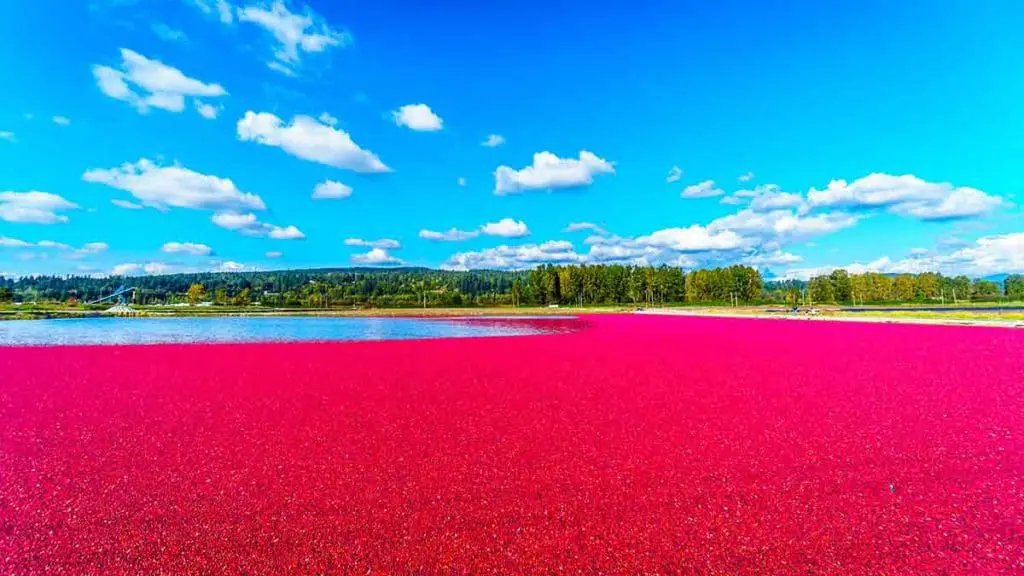
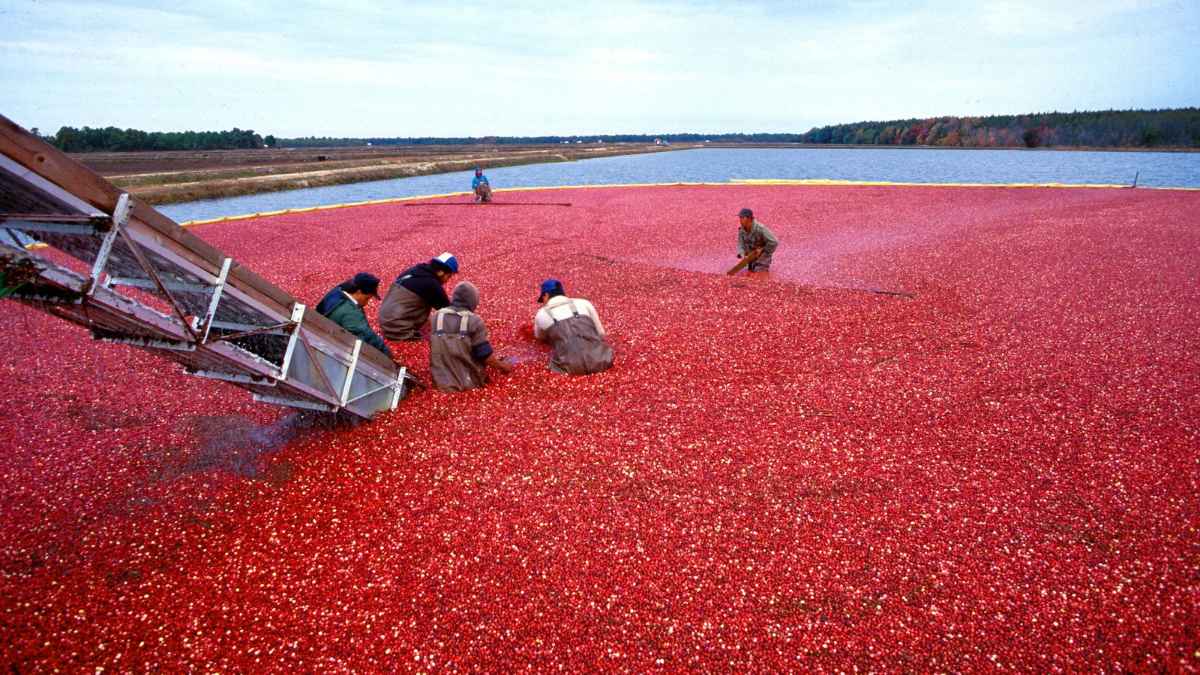
It’s worth clearing up a common myth while we’re here, since the most iconic cranberry image, a flooded bog dotted with floating red berries, gives a misleading impression. Cranberry fields are not flooded year-round. Water is used at two specific points: during wet harvest in the fall, and again over winter, when growers flood the bog a second time to form a protective layer of ice over the dormant vines. The rest of the year, a cranberry bog is a dry field, not a permanent pond. Some farms offer the chance to see cranberry farms up close. Harvest celebrations such as BC’s Fort Langley Cranberry Festival draw visitors out to the Fraser Valley each fall to see a working cranberry bog in person.
The Two Harvest Methods Behind Every Cranberry
Unlike most Canadian produce, which splits into field-grown and greenhouse-grown categories, cranberries have no greenhouse production at all. Every Canadian cranberry is grown outdoors in a specialized bog, but the method used to bring the berries in at harvest time is what actually determines which form ends up at the store.
Wet Harvesting
Wet harvesting is the method most people picture when they think of a cranberry harvest, and for good reason. It’s the one that involves flooding the bog. Tiny air pockets inside each berry make them float once the bog is flooded, and a specialized harvesting machine churns the water to knock ripe berries loose from the vine so they rise to the surface, where they’re corralled and collected. Wet-harvested berries bruise easily during this process, so they’re not suited to being sold whole. Instead, they go straight into processing for juice, sauce and other products.
Dry Harvesting
Dry harvesting skips the flooding step entirely. A mechanized, comb-like picking machine moves through the bog and combs ripe berries directly off the vine, with no water involved. Because the berries aren’t tumbled through water, far fewer get bruised, which is exactly why dry-harvested fruit is what ends up cleaned, sorted and bagged as the whole fresh cranberries sold at the grocery store. Growers typically reserve their best-keeping cultivars, such as Stevens, for dry harvest, since fresh fruit needs to hold up through packing, shipping and time on a store shelf.
How to Choose Cranberries by Use
If you’re making a classic holiday sauce or relish, start with fresh or frozen whole berries; their tartness and texture hold up best when cooked down with sugar and other fruit. If you want something to snack on, add to oatmeal, or toss into a salad without any cooking, dried sweetened cranberries are the easier choice. If you’re after a quick glaze, marinade, or drink, reach for juice or a prepared sauce rather than starting from raw berries. And if you’re simply stocking up during the fall harvest to use later, frozen whole berries keep their quality for months and can go straight from the bag into the freezer with no prep at all. For a no-cook option, a Zesty Cranberry Relish comes together in a food processor in minutes.
Where to Find Canadian Cranberries
Most of Canada’s commercial cranberry crop comes from Quebec and British Columbia. Quebec is the country’s largest producer, with growers concentrated in the Centre-du-Québec region, according to the Government of Quebec, while BC’s roughly 80 cranberry growers farm the Fraser Valley and Vancouver Island, according to the BC Cranberry Growers’ Association. Look for “Product of Canada” labelling or provincial origin information on the bag, and keep in mind that fresh, Canadian-grown cranberries are most plentiful from the fall harvest through January, after which imported fresh fruit may fill the gap until the next harvest.
For more on when Canadian cranberries are actually in season and how the crop is grown, see What’s in Season? Cranberries. For tips on keeping a fall haul fresh longer, see How to Store Cranberries.
Additional Articles to Explore





 Easy Ways to Use Cranberries